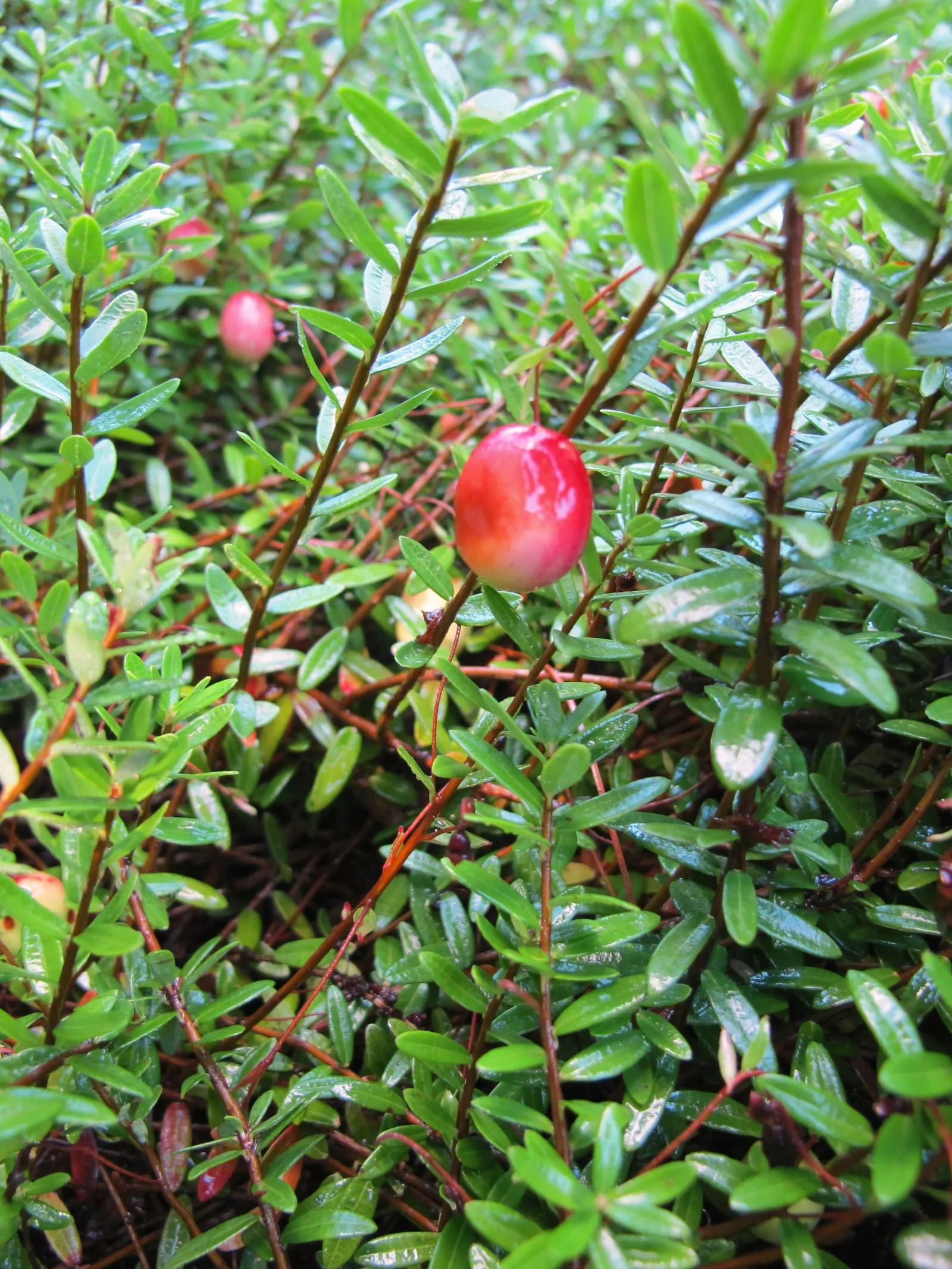
berry in zone 7a
Growing cranberry in zone 7a
Vaccinium macrocarpon
- Zone
- 7a 0°F to 5°F
- Growing season
- 210 days
- Chill needed
- 1500 to 2000 below 45°F
- Suitable varieties
- 0
- Days to harvest
- 90 to 110
The verdict
Cranberry's chill hour requirement of 1,500 to 2,000 hours places zone 7a at the outer edge of its viable range, and in many locations beyond it. Most zone 7a sites accumulate 800 to 1,200 chill hours in a typical winter, falling 300 to 1,000 hours short of the crop's minimum. That gap is not a minor inconvenience: insufficient chilling suppresses flower bud development and sharply reduces fruit set, regardless of how favorable spring and summer conditions are.
Zone 7a is not a sweet spot for cranberry. It sits at the southern limit where results depend heavily on microclimate, elevation, and how cold any given winter turns out to be. Growers in the higher-elevation reaches of zone 7a (western Virginia, western North Carolina, parts of the Tennessee highlands) may reach adequate chill hours in colder winters, but consistency is not guaranteed. Low-elevation and coastal zone 7a sites are unlikely to fruit cranberry reliably. This is a marginal zone for the crop, and growers should enter it with experimental expectations rather than production goals.
Critical timing for zone 7a
Cranberry blooms in May across most zone 7a locations, after the average last frost window closes (zone 7a last frost typically falls between late March and mid-April). Bloom timing is relatively safe from hard freezes in most years, though a late cold event can still damage open flowers if temperatures drop below 28°F.
Harvest falls in September through October depending on variety. The zone's 210-day growing season is not the limiting factor; the season is long enough for fruit to develop fully once viable flowering occurs. The real timing constraint comes earlier: whether the preceding winter accumulated enough chill hours to set flower buds at all. A mild winter that falls short of 1,500 hours produces poor fruit set the following season, making warm winters the primary production risk in zone 7a.
Common challenges in zone 7a
- ▸ Cedar-apple rust
- ▸ Brown rot
- ▸ Fire blight
- ▸ High humidity disease pressure
Disease pressure to watch for
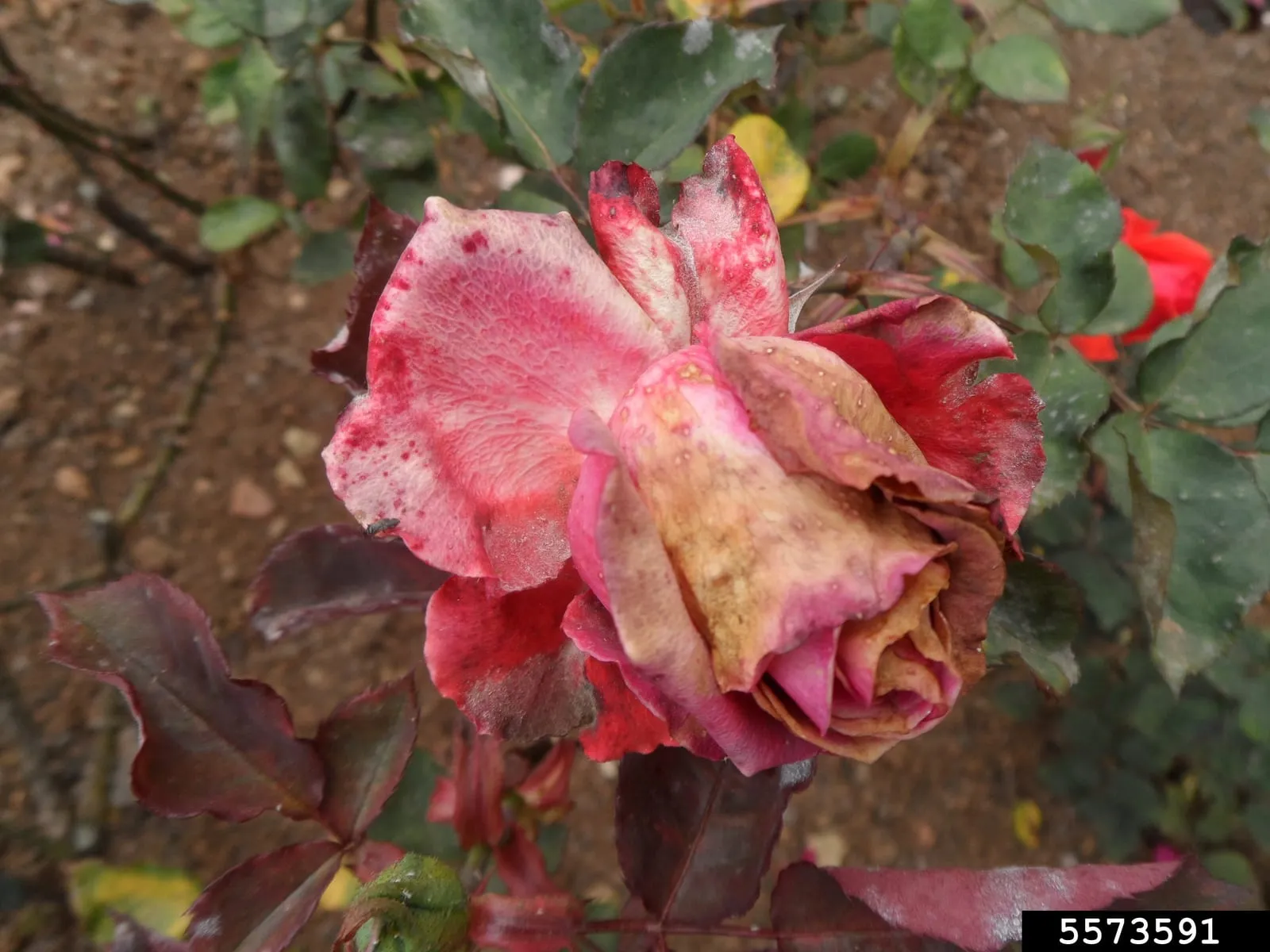
Botrytis cinerea
Ubiquitous fungal disease that causes fruit rot during cool wet weather, often the dominant berry disease in humid regions.
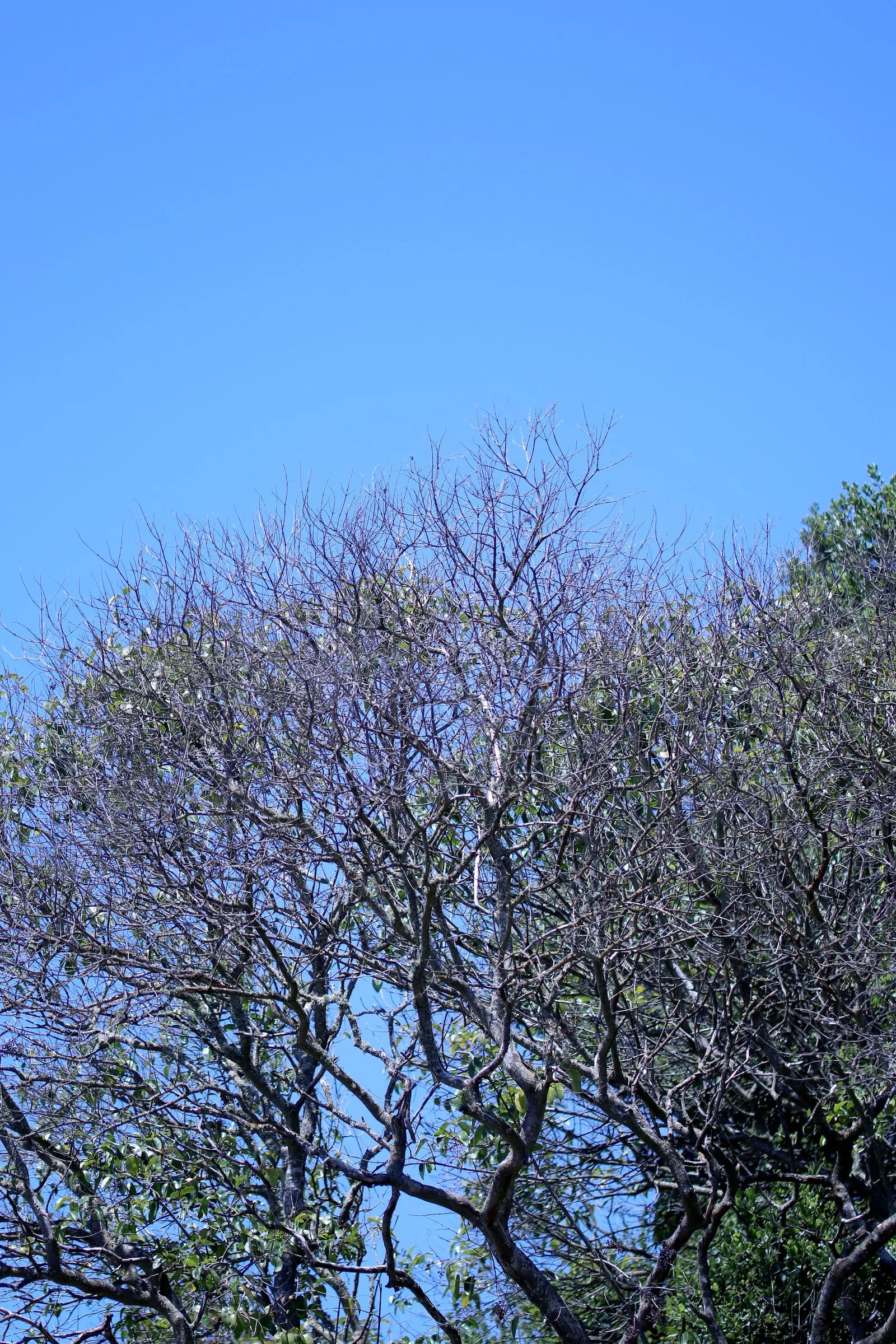
Phytophthora species
Soil-borne water mold that destroys roots in waterlogged soils, the leading cause of blueberry decline in poorly drained sites.
Modified care for zone 7a
The main management shift in zone 7a is away from cold protection and toward maximizing winter chilling and controlling humidity-driven disease. Siting cranberry beds on north-facing slopes or at higher elevations is the most reliable way to accumulate more chill hours. These positions tend to run 100 to 300 hours cooler over a winter than flat, low-elevation ground in the same zone.
Gray mold (Botrytis cinerea) and Phytophthora root rot are the primary disease concerns under zone 7a's humid conditions. Botrytis spreads quickly during wet, overcast periods in spring and early fall; fungicide applications timed to bloom and early fruit set reduce losses meaningfully. Phytophthora root rot is largely a drainage problem: cranberry tolerates seasonal flooding but standing water during warm months accelerates root disease. Raised or mounded bed construction in acidic, well-drained growing media reduces Phytophthora risk significantly. Both pathogens benefit from the high humidity that characterizes much of zone 7a, so air circulation around the planting matters.
Frequently asked questions
- Can cranberry actually produce fruit in zone 7a?
It depends on elevation and winter severity. Zone 7a sites that regularly accumulate 1,500 or more chill hours (typically higher-elevation or inland locations) can produce fruit in favorable years. Low-elevation and coastal sites rarely meet the chill hour threshold and should not expect reliable harvests.
- What soil conditions does cranberry require in zone 7a?
Cranberry requires strongly acidic soil, pH 4.0 to 5.5, with consistent moisture but good drainage during warm months. In zone 7a, raised beds amended with peat and pine bark are a practical way to meet both the pH and drainage requirements simultaneously.
- Which disease is the biggest threat to cranberry in zone 7a?
Gray mold (Botrytis cinerea) is the most common fungal threat in zone 7a's humid climate, particularly during bloom and early fruit development. Phytophthora root rot is the next concern, especially on sites with imperfect drainage. Both are manageable with site selection and timely fungicide applications.
- Does zone 7a's growing season length matter for cranberry?
Season length is not the limiting factor. Zone 7a's 210-day growing season provides ample time for cranberry fruit to develop. The binding constraint is winter chill hours, not summer growing days.
+−
+−
+−
+−
Cranberry in adjacent zones
Image: "Vaccinium macrocarpon (15054125499)", by Kristine Paulus, via Wikimedia Commons, licensed under CC-BY Source.
.jpg)
Related