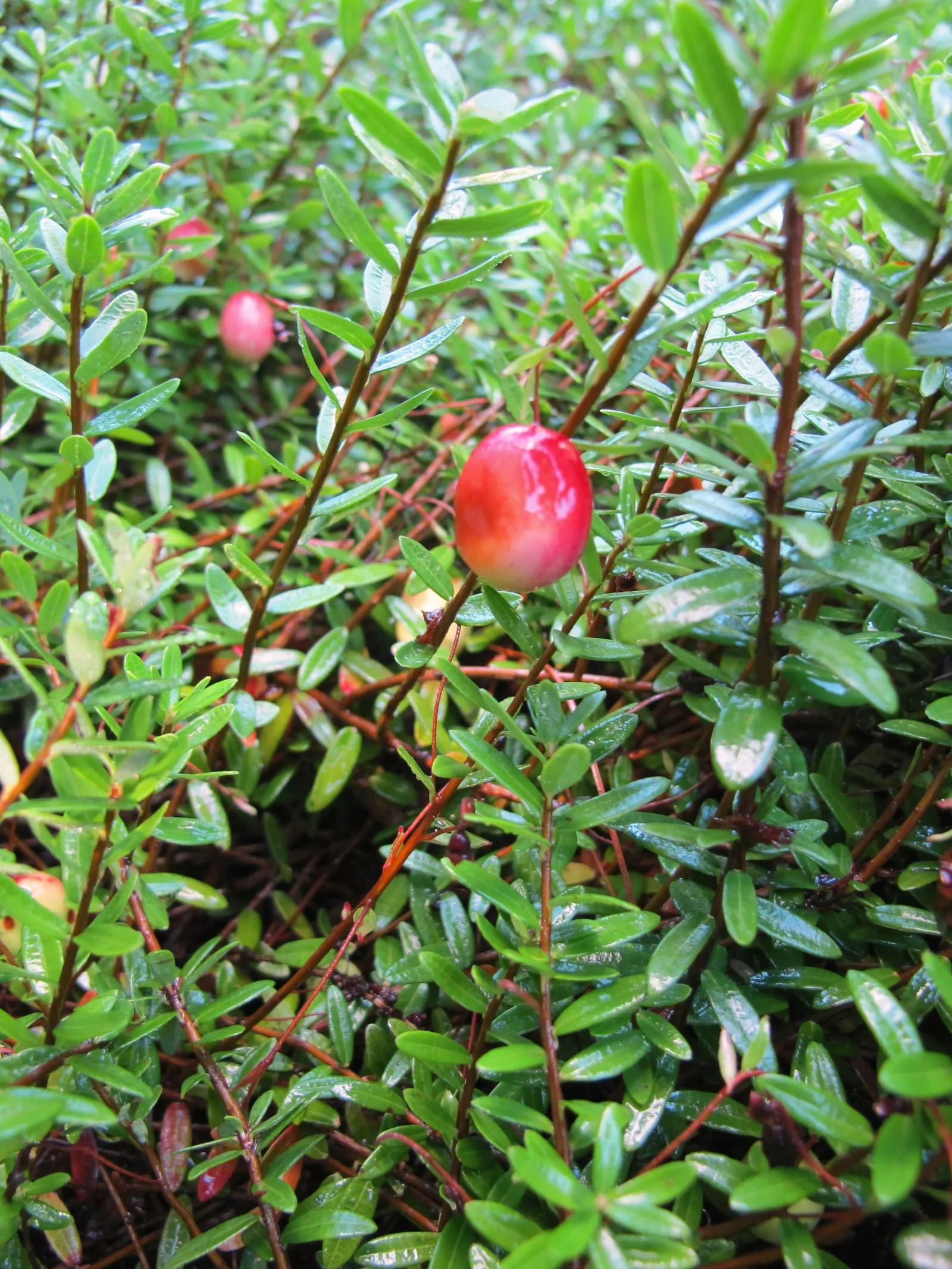
berry in zone 4a
Growing cranberry in zone 4a
Vaccinium macrocarpon
- Zone
- 4a -30°F to -25°F
- Growing season
- 120 days
- Chill needed
- 1500 to 2000 below 45°F
- Suitable varieties
- 4
- Days to harvest
- 90 to 110
The verdict
Cranberry is well-matched to zone 4a, not a marginal fit. The crop requires 1,500 to 2,000 chill hours annually, and zone 4a winters, which drive temperatures to -30 to -25°F, deliver that accumulation reliably. This puts zone 4a growers at or above the top of the chill-hour range, which is generally an asset rather than a liability for cranberry.
The tighter constraint is the 120-day growing season. Cranberry vines need roughly 120 to 150 days from bloom to harvestable fruit. In zone 4a, that window is narrow, and a late spring frost or an early fall freeze can compress it further. Varieties matter here: Stevens and Ben Lear are earlier producers that perform better in shorter seasons than some other selections. Howes is notably later-maturing and carries more risk in zone 4a.
Overall, zone 4a falls within cranberry's native cold-bog range across the northern US, and established plantings handle the winters without significant die-back.
Recommended varieties for zone 4a
4 cultivars suited to this zone, with disease-resistance and zone-fit annotations.
| Variety | Notes | Zone fit | Disease resistance |
|---|---|---|---|
| Stevens fits zone 4a | Tart, firm, deep red berries with classic cranberry punch; sauce, juice, dried, baking. The dominant commercial cultivar in the US, vigorous and productive. Requires bog or constructed-bed conditions. | | none noted |
| Pilgrim fits zone 4a | Tart, large dark red berries with rich flavor; sauce and processing. Late-season, productive, used widely in commercial bogs. | | none noted |
| Howes fits zone 4a | Tart, classic flavor, small-medium oval berries; the heritage Massachusetts variety, holds well in storage. Slow but reliable producer. | | none noted |
| Ben Lear fits zone 4a | Tart, early-ripening, deep red; sauce and processing. Wisconsin cultivar, ripens 2 weeks ahead of Stevens. Useful for season extension. | | none noted |
Critical timing for zone 4a
Cranberry bloom in zone 4a typically falls in late May to mid-June, depending on the specific year's heat accumulation after snowmelt. This timing overlaps directly with zone 4a's late-frost risk window, which extends to late May in most locations. A frost event during open bloom can abort fruit set for the season.
Harvest runs from mid-September through mid-October for early varieties like Ben Lear and Stevens. Howes, a later variety, pushes toward late October, which creates meaningful risk of a killing frost before berries reach full color and sugar content. Growers working Howes in zone 4a should monitor fall frost forecasts closely and be prepared to harvest slightly early if needed. The narrow gap between last spring frost and first fall frost leaves little room for timing errors at either end.
Common challenges in zone 4a
- ▸ Late frosts damage early bloomers
- ▸ Limited peach varieties
Disease pressure to watch for
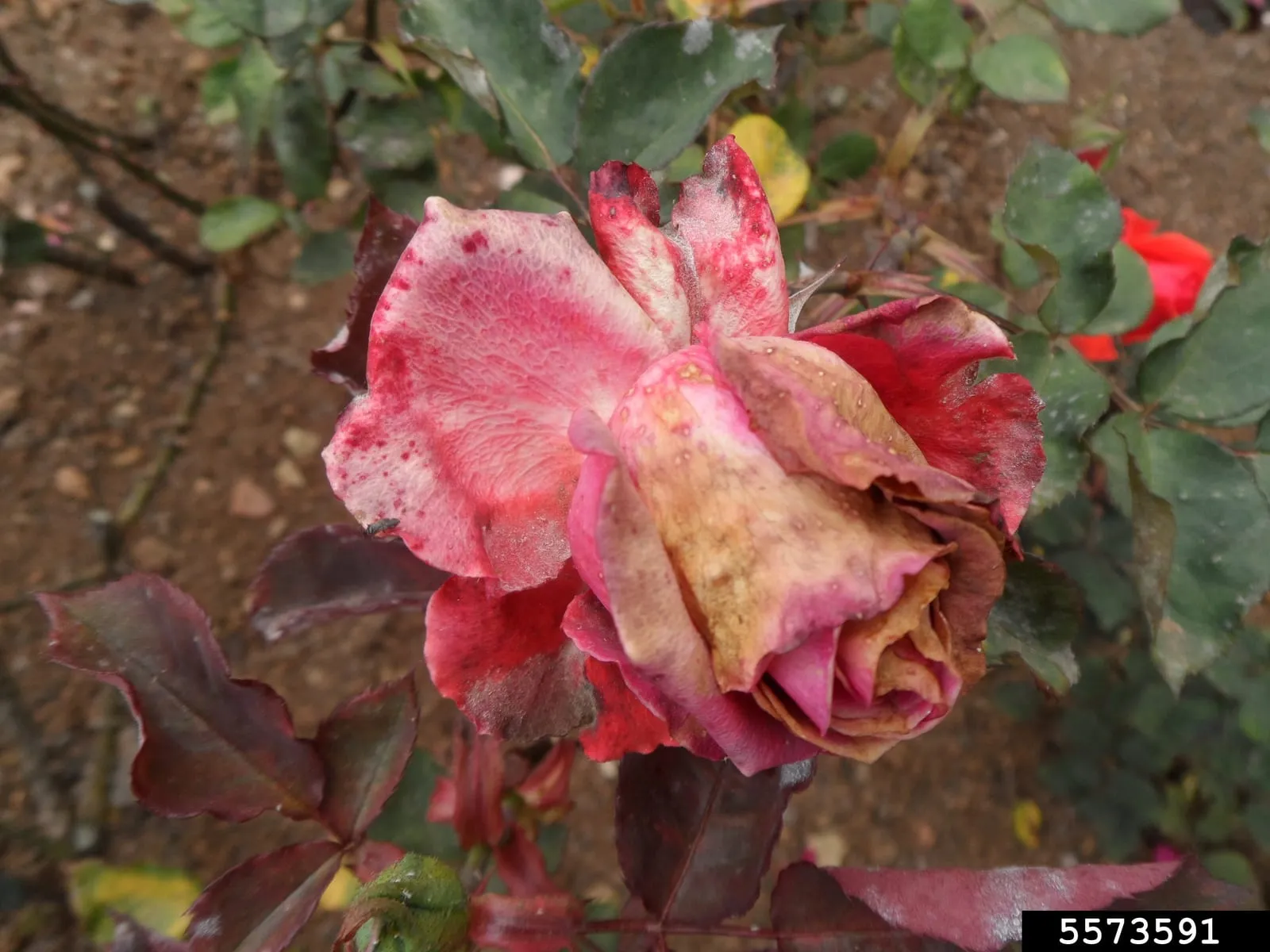
Botrytis cinerea
Ubiquitous fungal disease that causes fruit rot during cool wet weather, often the dominant berry disease in humid regions.
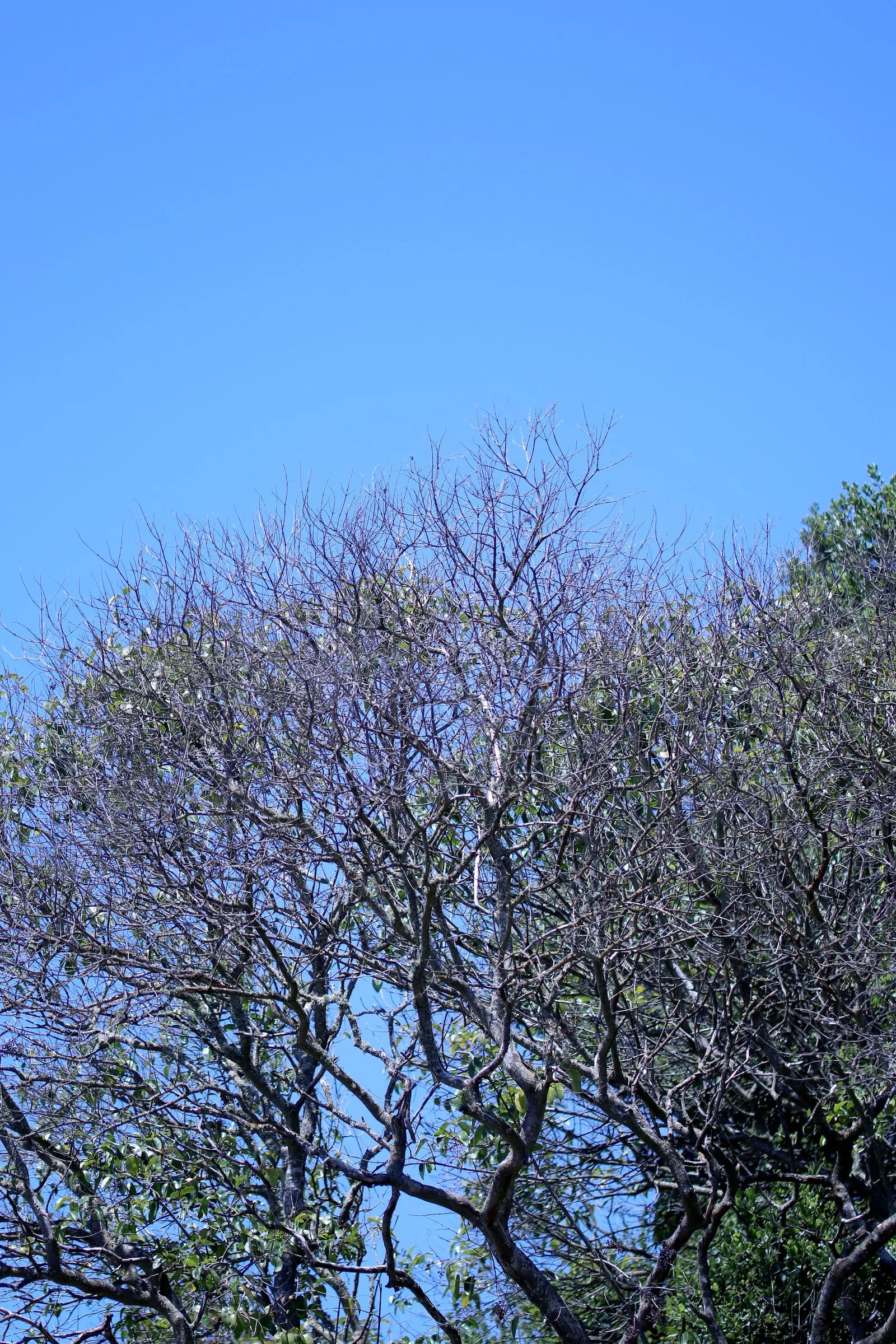
Phytophthora species
Soil-borne water mold that destroys roots in waterlogged soils, the leading cause of blueberry decline in poorly drained sites.
Modified care for zone 4a
The most important zone 4a adaptation is frost protection during bloom. Overhead irrigation applied before temperatures drop below 32°F can protect open flowers by coating them in ice, which holds at 32°F and insulates the tissue inside. This technique requires sufficient water volume and is standard practice in commercial cranberry production in the northern US but is feasible at smaller scales.
Phytophthora root rot pressure increases where drainage is poor and water sits through freeze-thaw cycles. Zone 4a's spring thaw can leave standing water in low-lying beds for extended periods, creating favorable conditions for infection. Raised bed construction and attention to drain tile placement at establishment reduces this risk substantially.
Gray mold (Botrytis) tends to be more active in cool, wet springs, which describes zone 4a's typical May conditions. Maintaining open canopy structure through annual sanding and selective pruning improves air circulation and reduces infection sites.
Frequently asked questions
- Are cranberries cold-hardy enough for zone 4a winters?
Yes. Cranberry vines are native to northern bogs and handle the -30 to -25°F temperature range of zone 4a without significant winter injury when properly sited. Snow cover through winter also provides insulation that reduces exposure to the coldest temperatures.
- Which cranberry varieties work best in zone 4a?
Stevens and Ben Lear are the strongest choices for zone 4a due to their earlier maturity. Both finish harvest well within the 120-day growing season. Pilgrim is workable but needs a warm fall. Howes is the highest-risk option given its late maturity date.
- Do cranberries require a bog to grow in zone 4a?
A true standing-water bog is not required, but cranberries do need consistently moist, acidic, sandy-peaty soil with a pH of 4.0 to 5.0. Raised beds with good drainage but reliable moisture access are a practical alternative to flooded bog culture for home-scale production.
- When should cranberries be harvested in zone 4a?
Early varieties like Ben Lear are typically ready by mid-September. Stevens follows in late September to early October. Harvest before the first hard freeze, which in most zone 4a locations arrives in late September or early October.
+−
+−
+−
+−
Cranberry in adjacent zones
Image: "Vaccinium macrocarpon (15054125499)", by Kristine Paulus, via Wikimedia Commons, licensed under CC-BY Source.
.jpg)
Related