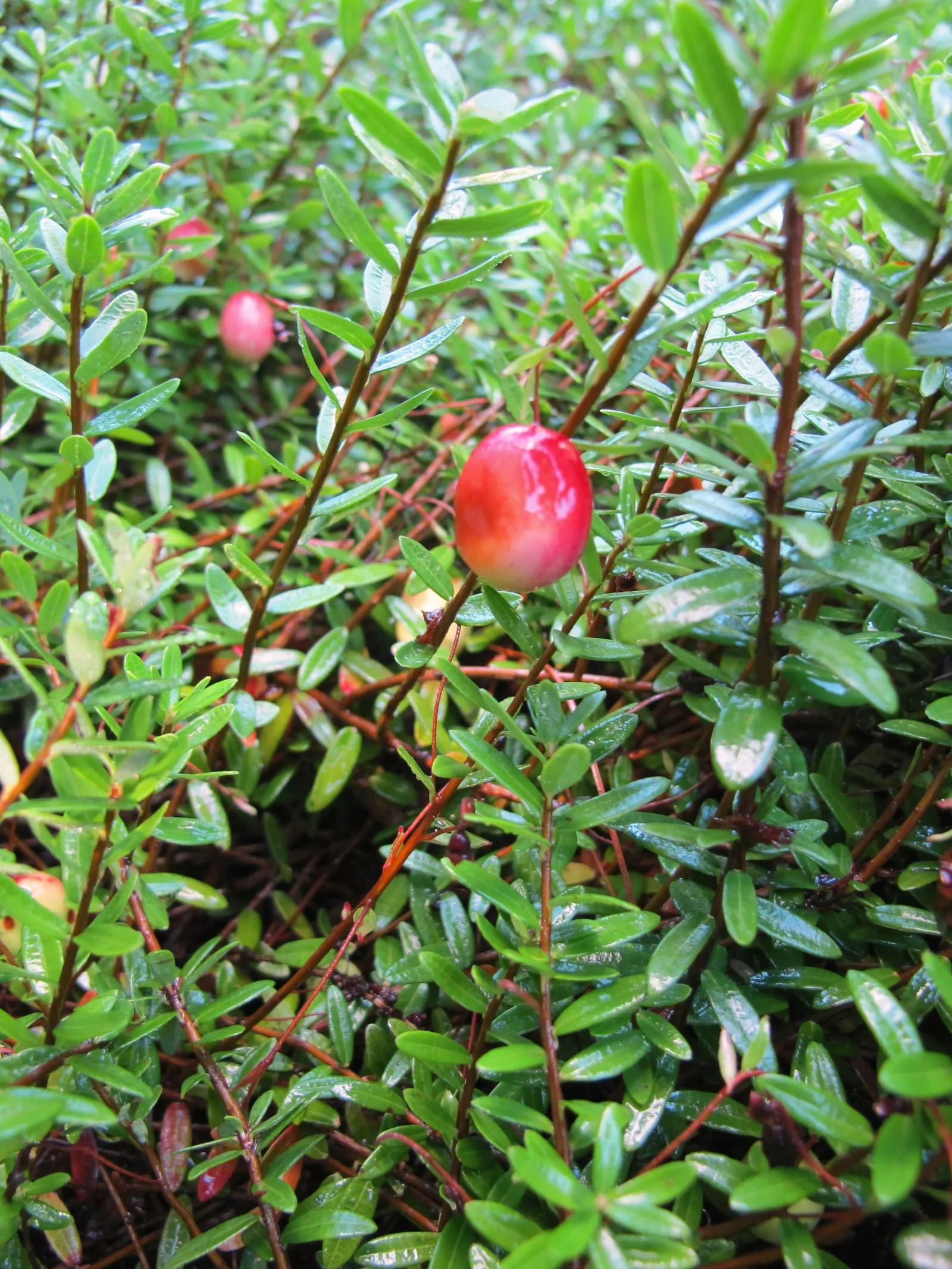
berry in zone 3b
Growing cranberry in zone 3b
Vaccinium macrocarpon
- Zone
- 3b -35°F to -30°F
- Growing season
- 100 days
- Chill needed
- 1500 to 2000 below 45°F
- Suitable varieties
- 3
- Days to harvest
- 90 to 110
The verdict
Zone 3b, with winter lows of -35 to -30°F and a growing season of roughly 100 days, sits at the northern practical limit for cranberry production, but cold hardiness is not the binding constraint. Cranberries tolerate extreme winter cold well, particularly when beds are flooded or mulched, and the crop's 1,500 to 2,000 chill-hour requirement is met comfortably in zone 3b winters, often exceeded.
The real risk is the growing season length. Cranberries generally need 100 to 120 frost-free days for fruit to develop and achieve full color and sugar. At 100 days, zone 3b sits at the absolute low end of that window, and years with an early September frost can cut the season short before harvest is ready. This makes zone 3b a marginal rather than a sweet spot, and variety selection matters more here than it does in zones 5 or 6. Early-ripening cultivars like Ben Lear, which can reach harvest in 90 to 95 days, carry meaningfully lower seasonal risk than later varieties.
Recommended varieties for zone 3b
3 cultivars suited to this zone, with disease-resistance and zone-fit annotations.
| Variety | Notes | Zone fit | Disease resistance |
|---|---|---|---|
| Stevens fits zone 3b | Tart, firm, deep red berries with classic cranberry punch; sauce, juice, dried, baking. The dominant commercial cultivar in the US, vigorous and productive. Requires bog or constructed-bed conditions. | | none noted |
| Pilgrim fits zone 3b | Tart, large dark red berries with rich flavor; sauce and processing. Late-season, productive, used widely in commercial bogs. | | none noted |
| Ben Lear fits zone 3b | Tart, early-ripening, deep red; sauce and processing. Wisconsin cultivar, ripens 2 weeks ahead of Stevens. Useful for season extension. | | none noted |
Critical timing for zone 3b
Cranberry bloom in zone 3b falls in late June to early July, after last-frost dates that typically run from late May to early June depending on site elevation and air drainage. Late frosts into June are common enough in zone 3b that growers should treat bloom protection as a standard annual consideration, not an edge case. Even a light frost during open bloom can reduce fruit set substantially.
Harvest timing runs from mid-September through early October. Ben Lear, the earliest of the compatible varieties, can be ready by mid-September; Stevens and Pilgrim push toward late September or early October. First fall frost dates in much of zone 3b arrive in mid-September, so the harvest window and the frost window overlap directly. Growers should be prepared to harvest or protect fruit from late August onward.
Common challenges in zone 3b
- ▸ Short season
- ▸ Winter desiccation
- ▸ Site selection critical for fruit trees
Disease pressure to watch for
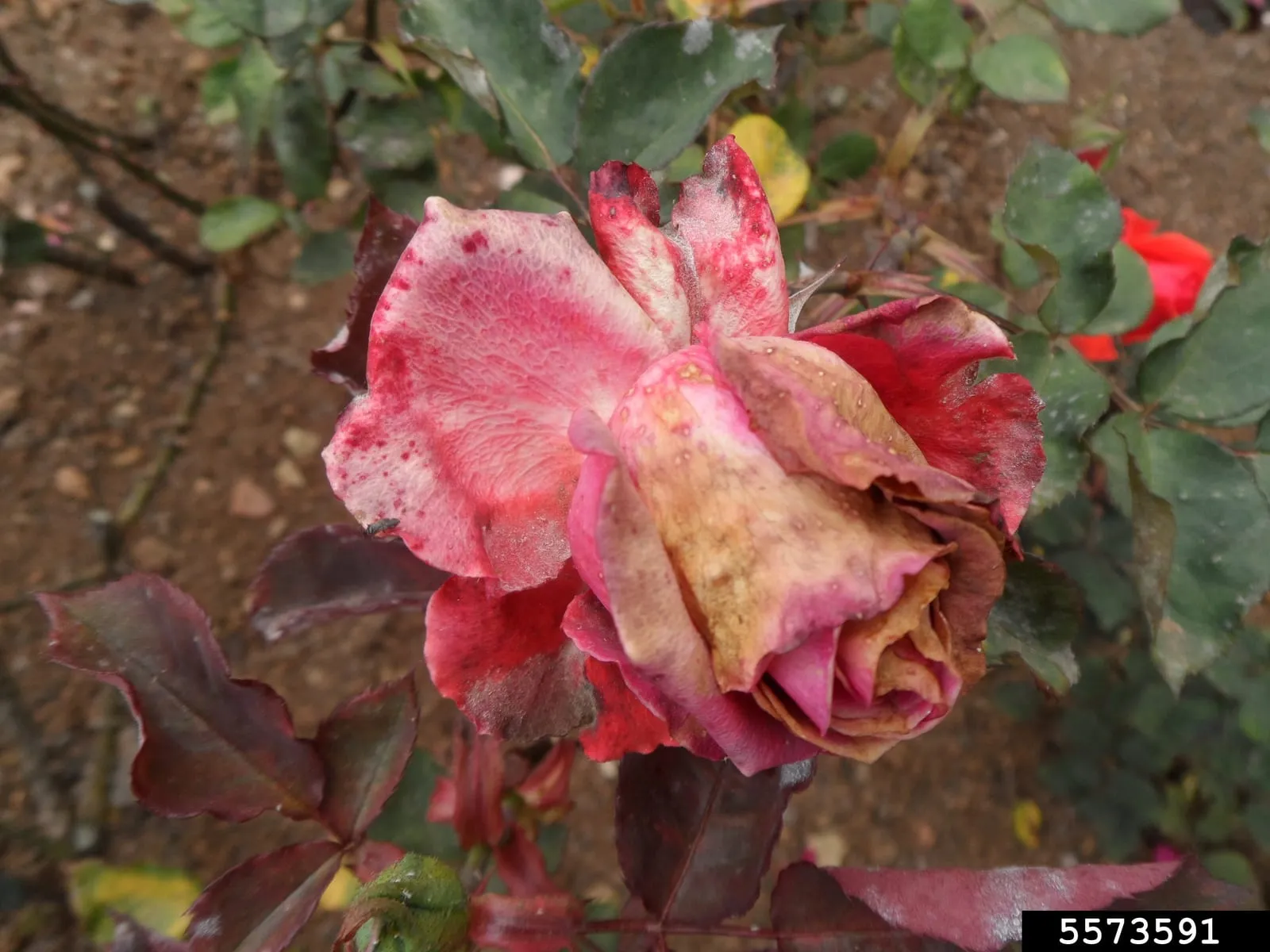
Botrytis cinerea
Ubiquitous fungal disease that causes fruit rot during cool wet weather, often the dominant berry disease in humid regions.
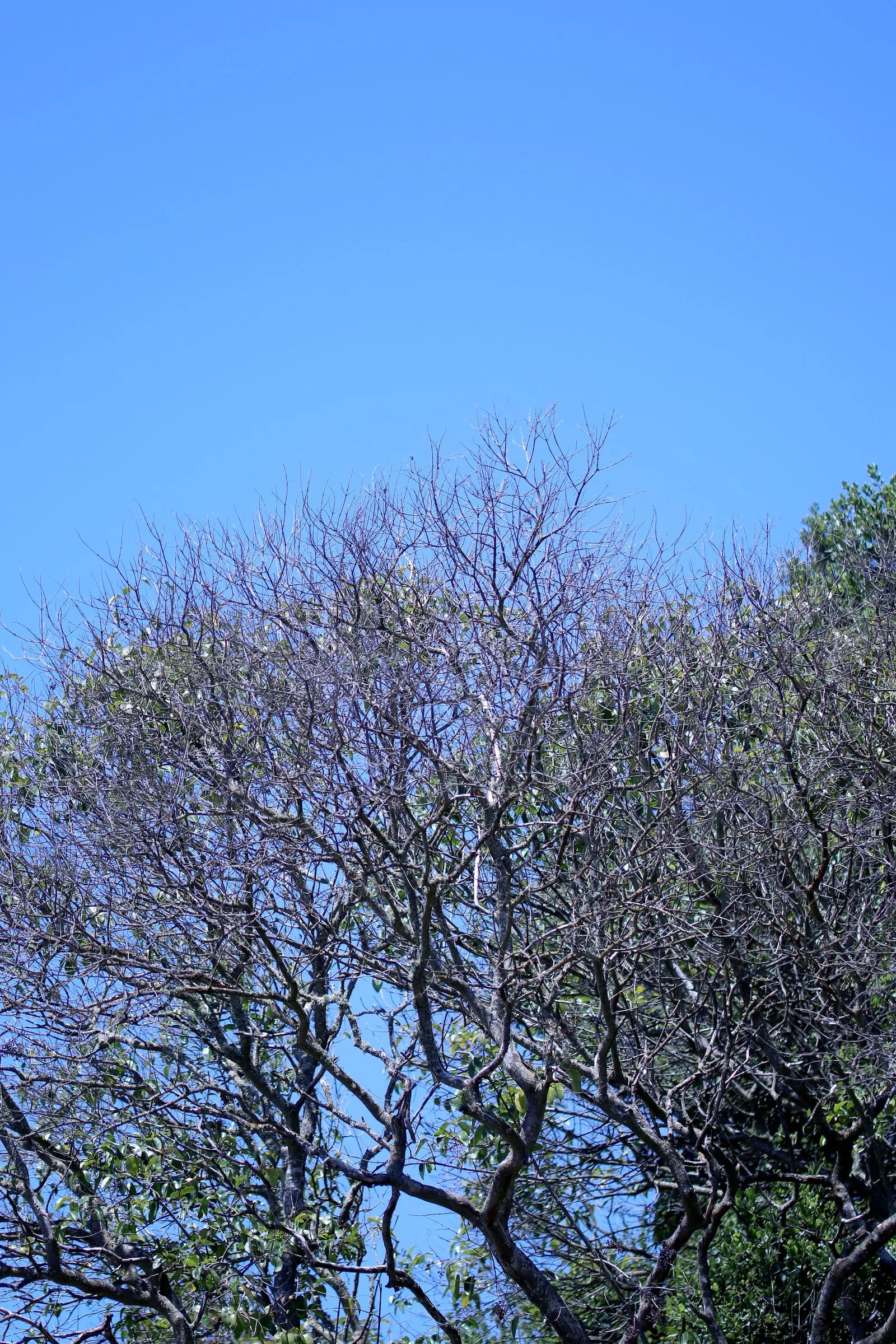
Phytophthora species
Soil-borne water mold that destroys roots in waterlogged soils, the leading cause of blueberry decline in poorly drained sites.
Modified care for zone 3b
The standard commercial practice of winter-flooding cranberry beds is strongly advisable in zone 3b, more so than in milder climates. Winter desiccation, a documented challenge across this zone, draws moisture from vine foliage while roots remain frozen and unable to replace it. Flooding before the ground freezes hard, or applying a thick straw mulch, provides direct protection against this mechanism.
Nitrogen management matters more at this latitude than in longer-season zones. Late-season nitrogen pushes vegetative growth at the expense of fruit development and cold hardening; applications should be completed by midsummer, with phosphorus and potassium prioritized in the fall program.
Gray mold (Botrytis) pressure increases in the cool, overcast conditions that accompany short-season climates. Adequate vine spacing for air circulation and conservative irrigation during fruit development are the most effective cultural controls. Phytophthora root rot is a drainage problem, not a climate problem, but zone 3b's prevalence of heavy or poorly structured soils makes proper bed drainage the single most important site-preparation step.
Frequently asked questions
- Can cranberry vines survive -35°F winters in zone 3b?
Yes, with appropriate protection. Cranberries are cold-hardy to well below -30°F when beds are flooded before freeze-up or covered with straw mulch. Unprotected vines exposed to sustained wind in zone 3b can suffer desiccation injury even if they survive the cold temperature itself.
- Which cranberry variety is best suited to zone 3b's short season?
Ben Lear is the strongest candidate, maturing in roughly 90 to 95 days and offering the most reliable harvest before September frosts. Stevens and Pilgrim produce larger fruit but need closer to 110 days, which introduces real harvest-timing risk in zone 3b.
- Do cranberries require a bog or standing water to grow in zone 3b?
Not for daily growing, but access to water for winter flooding is a significant advantage in zone 3b. Cranberries grow in consistently moist, acidic, well-drained beds under normal conditions. The flooding practice is primarily used for winter protection and, in commercial settings, for wet harvesting.
+−
+−
+−
Cranberry in adjacent zones
Image: "Vaccinium macrocarpon (15054125499)", by Kristine Paulus, via Wikimedia Commons, licensed under CC-BY Source.
.jpg)
Related