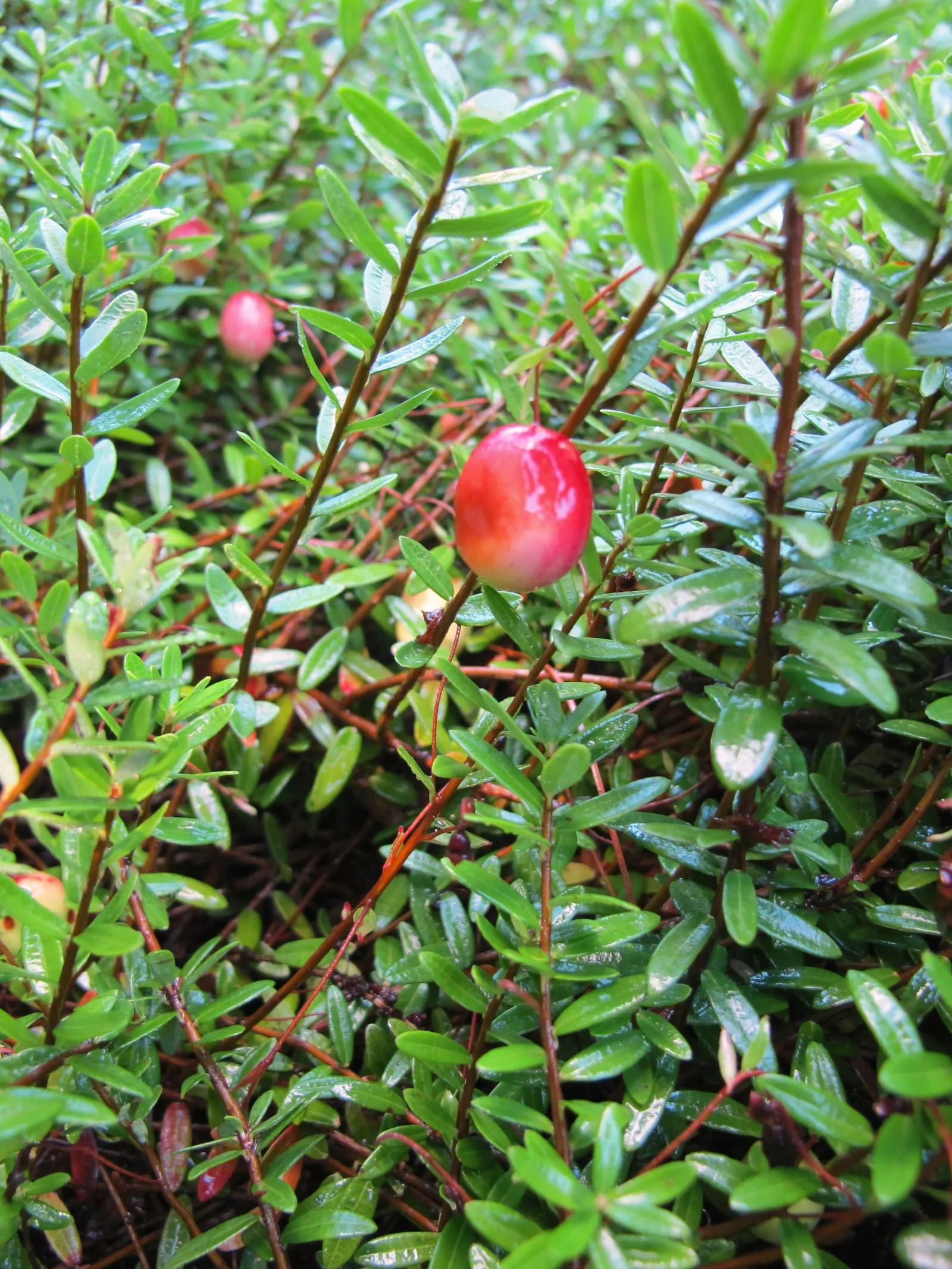
berry in zone 3a
Growing cranberry in zone 3a
Vaccinium macrocarpon
- Zone
- 3a -40°F to -35°F
- Growing season
- 90 days
- Chill needed
- 1500 to 2000 below 45°F
- Suitable varieties
- 1
- Days to harvest
- 90 to 110
The verdict
Cranberry is one of the few fruit crops genuinely at home in zone 3a. With winter lows between -40 and -35°F, the zone accumulates chill hours well in excess of cranberry's 1,500 to 2,000 hour requirement, typically clearing that threshold before mid-winter. Cold hardiness is not the limiting factor here.
The real constraint is the 90-day growing season. Commercial cranberry regions (Massachusetts, Wisconsin, British Columbia) operate on similar timelines, so the short window is workable rather than prohibitive, provided the crop is established in well-prepared bog conditions. Ben Lear, the variety best documented for this zone, was bred for productivity in short northern seasons and matures reliably before the first fall freeze.
Zone 3a is not a marginal zone for cranberry in the way it is for most fruit crops. It is within cranberry's native cold-climate range. The main challenge is site preparation and water management, not cold tolerance.
Recommended varieties for zone 3a
1 cultivar suited to this zone, with disease-resistance and zone-fit annotations.
| Variety | Notes | Zone fit | Disease resistance |
|---|---|---|---|
| Ben Lear fits zone 3a | Tart, early-ripening, deep red; sauce and processing. Wisconsin cultivar, ripens 2 weeks ahead of Stevens. Useful for season extension. | | none noted |
Critical timing for zone 3a
In zone 3a, last spring frosts typically fall in late May or early June, and bloom generally follows two to three weeks after consistent soil warming, placing flowering in mid to late June. This compressed window means frost events at bloom are a real annual risk rather than an occasional one.
Harvest for Ben Lear falls in late September to mid-October, ahead of the first killing frosts that typically arrive in late September or early October in zone 3a. The margin is narrow. A wet or cool summer that delays fruit development can push harvest into a frost-exposed window. Growers should monitor fruit color closely from mid-September and be prepared for early mechanical or flood harvest if hard frost threatens.
Common challenges in zone 3a
- ▸ Very short growing season
- ▸ Late spring frosts
- ▸ Limited fruit-tree options
- ▸ Heavy mulching required
Disease pressure to watch for
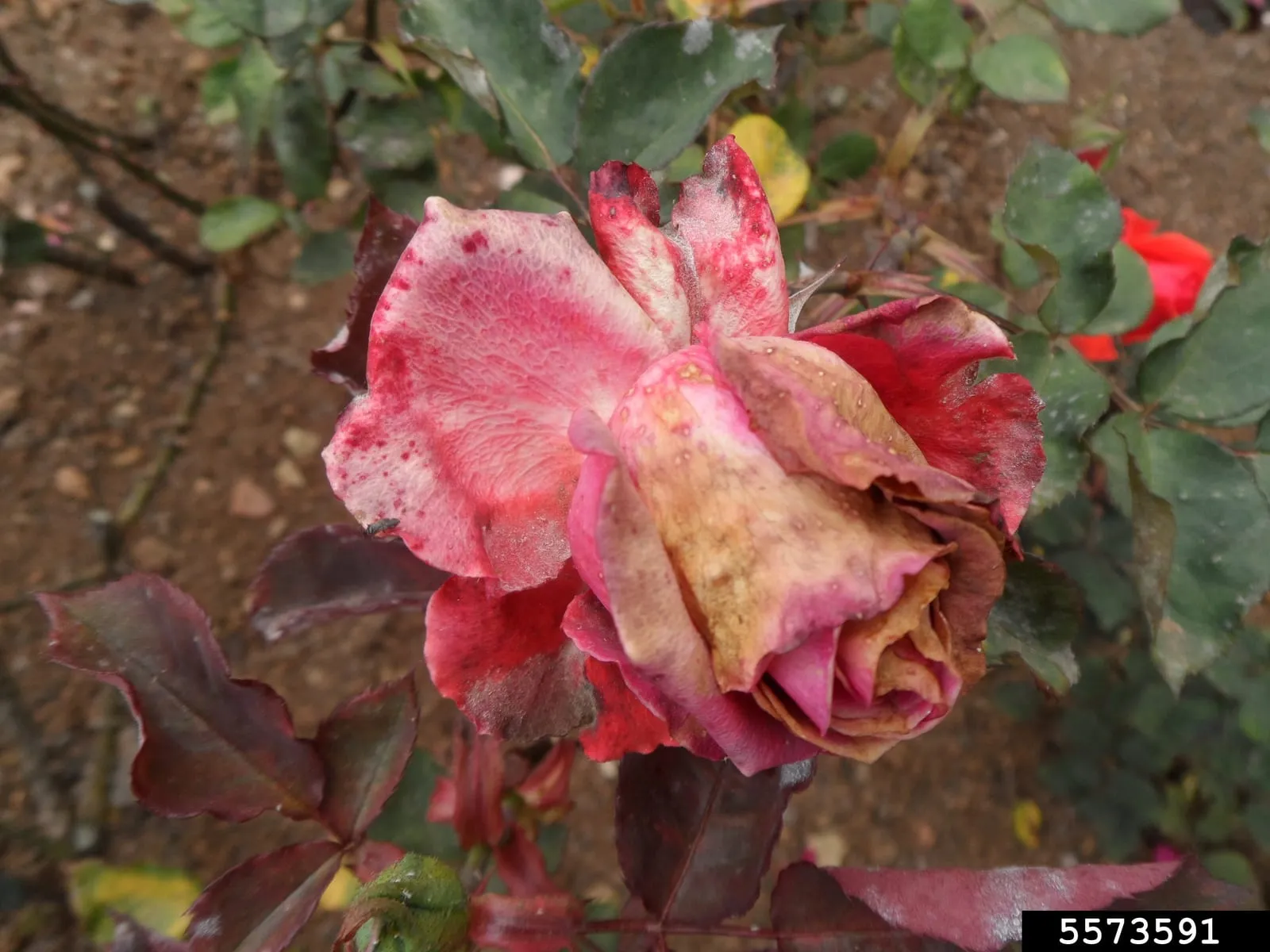
Botrytis cinerea
Ubiquitous fungal disease that causes fruit rot during cool wet weather, often the dominant berry disease in humid regions.
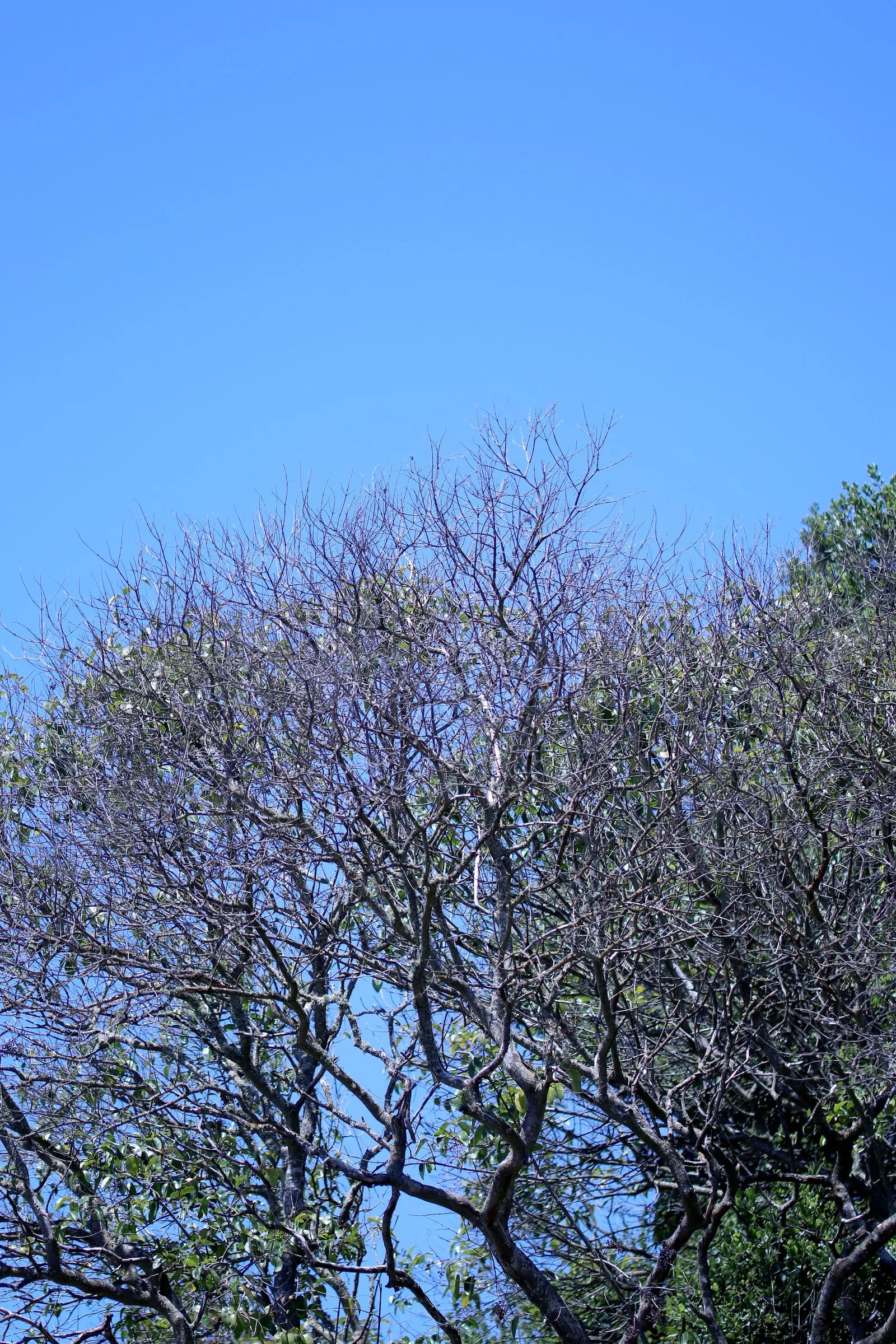
Phytophthora species
Soil-borne water mold that destroys roots in waterlogged soils, the leading cause of blueberry decline in poorly drained sites.
Modified care for zone 3a
The zone challenges most relevant to cranberry in zone 3a are winter cold management and the compressed active season. Heavy mulching with straw after freeze-up protects the shallow root system and retains soil moisture through the long winter. Traditional cranberry culture also uses flooding during the coldest months, which provides effective cold protection and suppresses rodent pressure, a practice well-suited to zone 3a conditions.
Gray Mold (Botrytis) pressure tends to increase when cool, wet spring conditions coincide with bloom, a common scenario in zone 3a's compressed season. Maximizing air circulation around the planting and avoiding overhead irrigation during flowering reduces infection risk. Phytophthora Root Rot is site-dependent; well-drained bog margins and pH-adjusted acidic soil (4.0 to 5.5) are the primary defenses. There are no chemical shortcuts that substitute for correct site hydrology.
Cranberry in adjacent zones
Image: "Vaccinium macrocarpon (15054125499)", by Kristine Paulus, via Wikimedia Commons, licensed under CC-BY Source.
.jpg)
Related