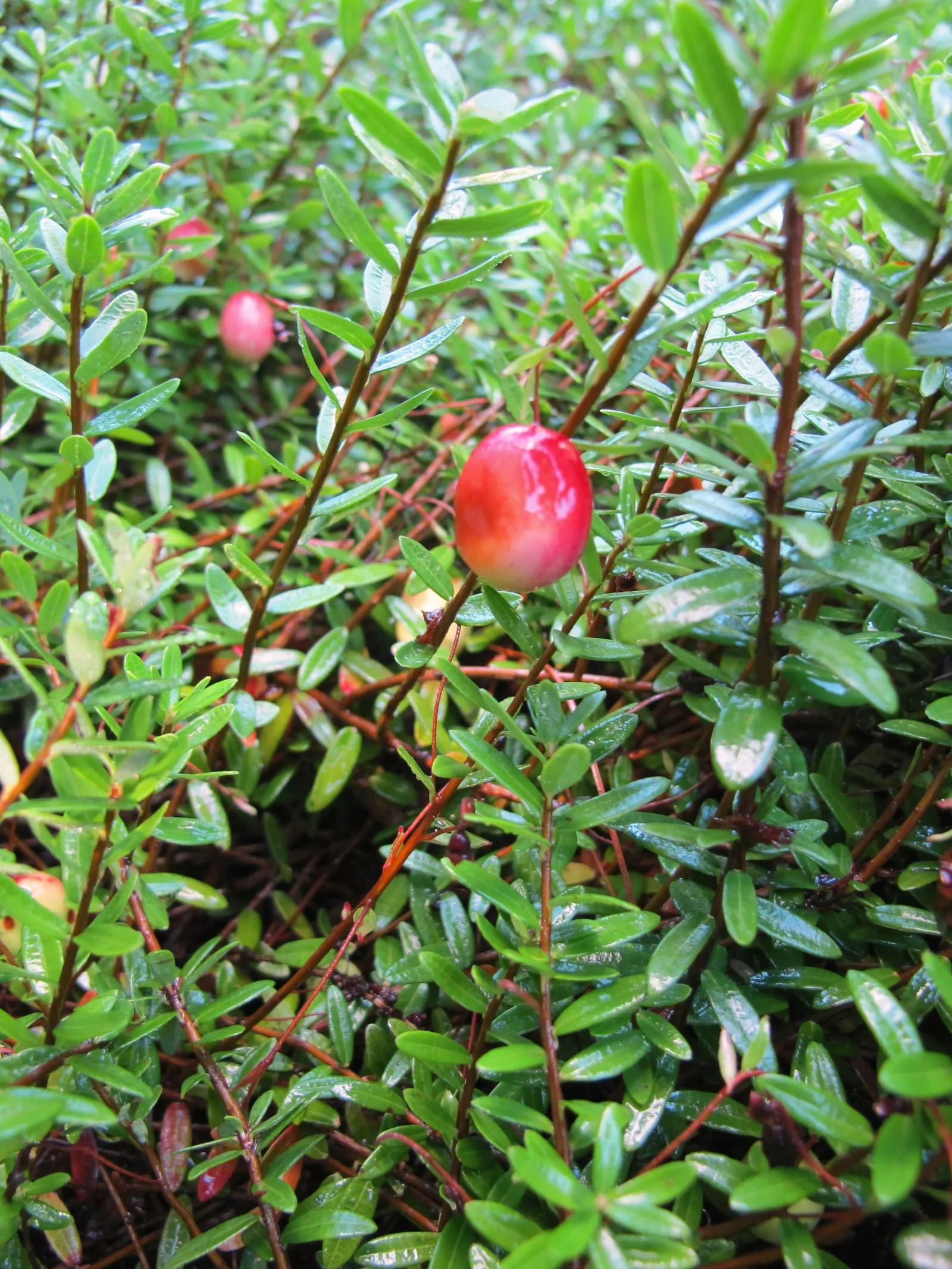
berry in zone 4b
Growing cranberry in zone 4b
Vaccinium macrocarpon
- Zone
- 4b -25°F to -20°F
- Growing season
- 130 days
- Chill needed
- 1500 to 2000 below 45°F
- Suitable varieties
- 4
- Days to harvest
- 90 to 110
The verdict
Cranberry requires 1,500 to 2,000 chill hours annually, and zone 4b delivers that with room to spare. Most zone 4b locations accumulate well over 2,000 hours below 45°F each winter, so chill accumulation is not a limiting factor. This is a genuine sweet spot for the crop, not a marginal zone on the cold end.
The real constraint is the 130-day growing season. Late-maturing varieties need sufficient warm days to develop full sugar content before the first fall frost arrives. Ben Lear and Pilgrim mature earlier and are the safer choices for zone 4b. Stevens and Howes can work but require sites with a longer frost-free window.
Winter temperatures of -25 to -20°F are within cranberry's cold tolerance when plants are sited in consistently moist beds. Exposed upland plantings without snow cover or supplemental winter moisture can suffer vine tip kill even though the zone temperature itself is not the issue.
Recommended varieties for zone 4b
4 cultivars suited to this zone, with disease-resistance and zone-fit annotations.
| Variety | Notes | Zone fit | Disease resistance |
|---|---|---|---|
| Stevens fits zone 4b | Tart, firm, deep red berries with classic cranberry punch; sauce, juice, dried, baking. The dominant commercial cultivar in the US, vigorous and productive. Requires bog or constructed-bed conditions. | | none noted |
| Pilgrim fits zone 4b | Tart, large dark red berries with rich flavor; sauce and processing. Late-season, productive, used widely in commercial bogs. | | none noted |
| Howes fits zone 4b | Tart, classic flavor, small-medium oval berries; the heritage Massachusetts variety, holds well in storage. Slow but reliable producer. | | none noted |
| Ben Lear fits zone 4b | Tart, early-ripening, deep red; sauce and processing. Wisconsin cultivar, ripens 2 weeks ahead of Stevens. Useful for season extension. | | none noted |
Critical timing for zone 4b
Bloom in zone 4b falls in late June to early July, after the last hard frost for most sites. Spring frost timing is the primary risk during this window; a frost event in early June can damage open flowers and reduce fruit set substantially. Growers in low-lying sites, where cold air pools, face higher exposure than those on slopes with good air drainage.
Harvest runs from late September through mid-October depending on variety. Ben Lear is among the earliest, typically ready by late September. Stevens and Howes can push into mid-October, which at the cooler end of zone 4b can become a race against the first fall frost. Actual frost dates for the specific planting site matter more than zone averages here; local topography can shift the effective frost-free window by two weeks or more.
Common challenges in zone 4b
- ▸ Spring frost timing
- ▸ Apple scab pressure
- ▸ Cane berry winter dieback
Disease pressure to watch for
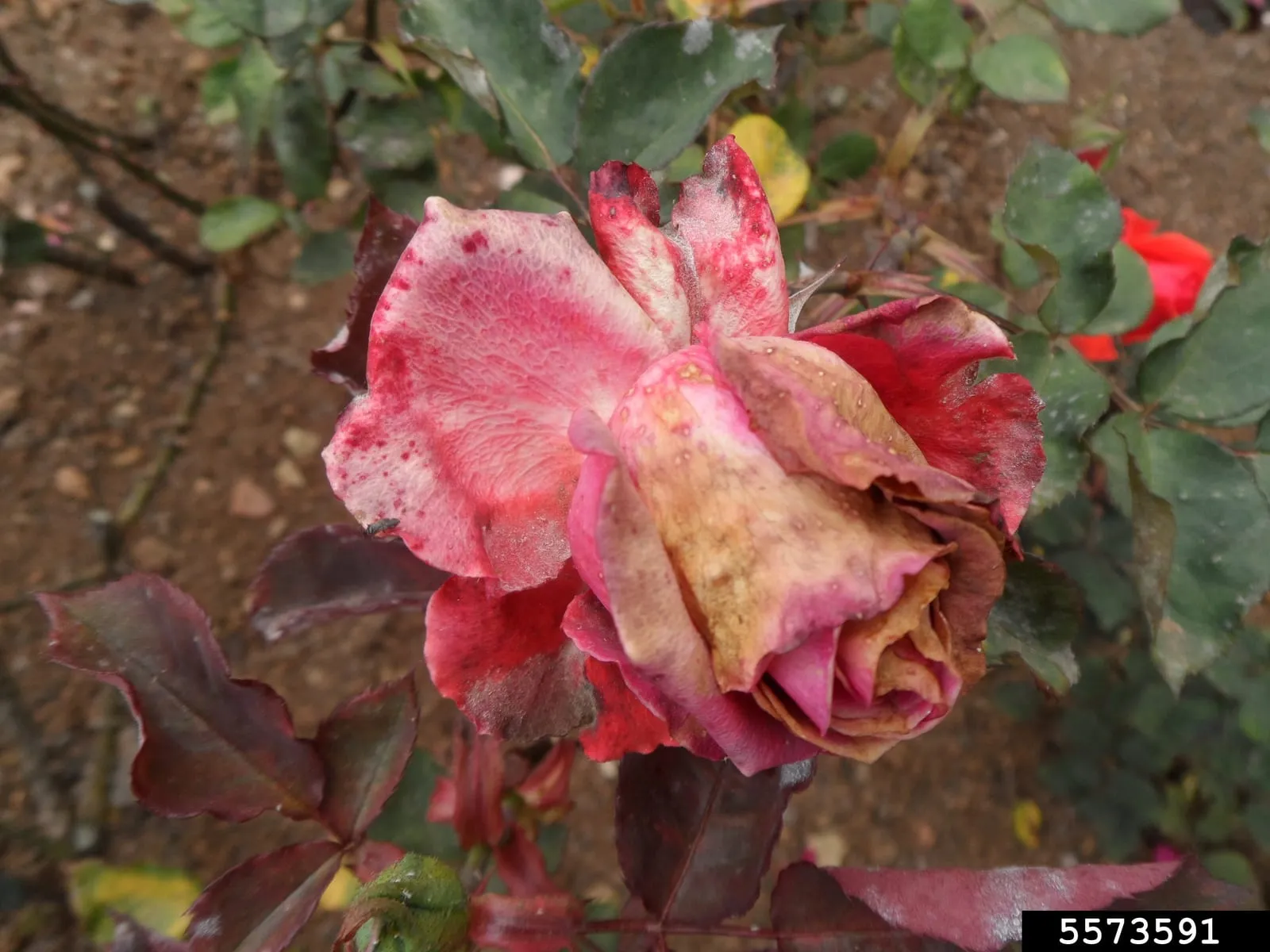
Botrytis cinerea
Ubiquitous fungal disease that causes fruit rot during cool wet weather, often the dominant berry disease in humid regions.
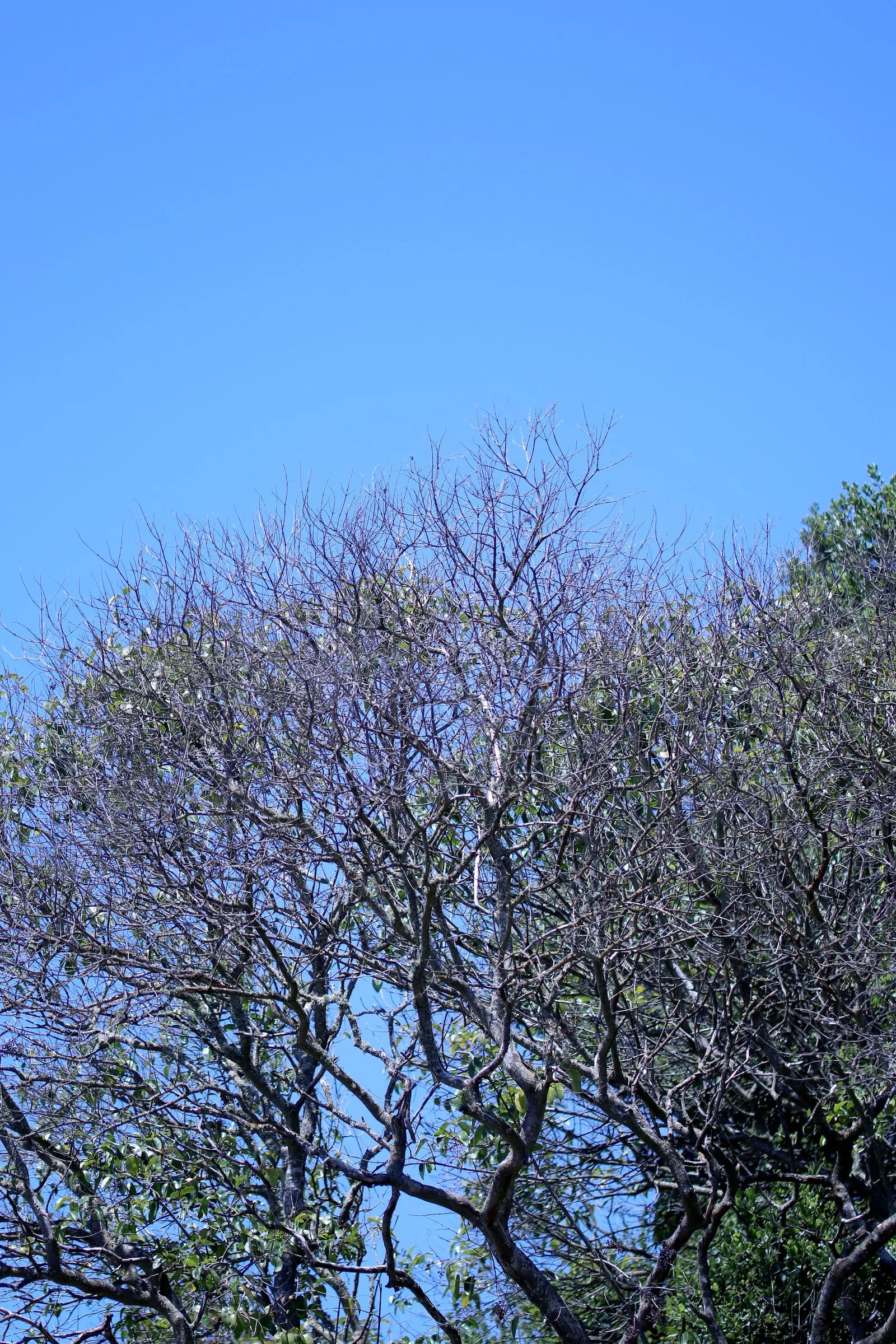
Phytophthora species
Soil-borne water mold that destroys roots in waterlogged soils, the leading cause of blueberry decline in poorly drained sites.
Modified care for zone 4b
Late spring frost protection during bloom is the most consequential additional task in zone 4b. Floating row cover applied when frost is forecast protects flowers without the overhead irrigation systems used in commercial operations. Remove cover promptly once temperatures stabilize to allow pollinator access.
Phytophthora root rot is a persistent concern in cold, wet zone 4b soils. Raised beds with sharp drainage and soil pH held between 4.0 and 5.5 are the primary defenses. Gray mold (Botrytis) becomes more likely during cool, humid weather at flowering; adequate spacing and airflow reduce risk.
The traditional commercial practice of winter flooding is not practical for most home growers. Consistent top-dressing with coarse sand or acidic mulch insulates crowns and discourages weed competition. On exposed sites, a light straw mulch applied after the ground freezes reduces frost heave and vine desiccation through the coldest months.
Cranberry in adjacent zones
Image: "Vaccinium macrocarpon (15054125499)", by Kristine Paulus, via Wikimedia Commons, licensed under CC-BY Source.
.jpg)
Related