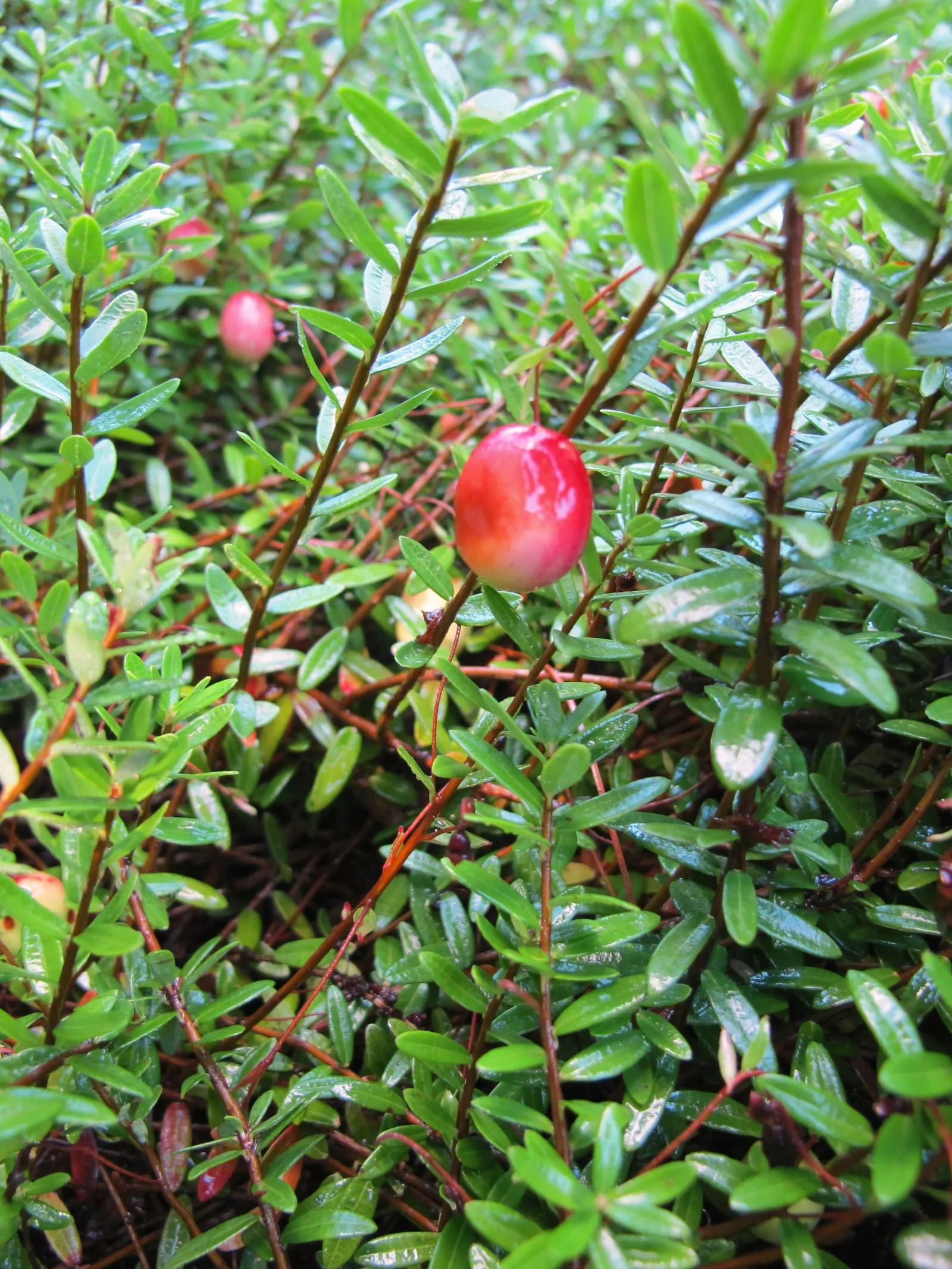
berry in zone 5a
Growing cranberry in zone 5a
Vaccinium macrocarpon
- Zone
- 5a -20°F to -15°F
- Growing season
- 150 days
- Chill needed
- 1500 to 2000 below 45°F
- Suitable varieties
- 4
- Days to harvest
- 90 to 110
The verdict
Zone 5a is a reliable growing zone for cranberry, not a marginal one. Native cranberry (Vaccinium macrocarpon) evolved in cold northern bogs, and the zone's winter lows of -20°F to -15°F are well within the crop's cold tolerance. The chill-hour requirement of 1,500 to 2,000 hours is routinely met across zone 5a, often exceeded in colder winters, which poses no problem for dormant vines.
The 150-day growing season is adequate but not generous. Cranberry needs roughly 90 to 120 frost-free days to ripen a full crop, which zone 5a can provide in most years. The tighter constraint is site selection: cranberry demands persistently acidic soil (pH 4.0 to 5.5) and reliable moisture. Without those conditions, zone hardiness is irrelevant. Growers who can construct or find a suitable bog site will find the cold climate more asset than liability.
Recommended varieties for zone 5a
4 cultivars suited to this zone, with disease-resistance and zone-fit annotations.
| Variety | Notes | Zone fit | Disease resistance |
|---|---|---|---|
| Stevens fits zone 5a | Tart, firm, deep red berries with classic cranberry punch; sauce, juice, dried, baking. The dominant commercial cultivar in the US, vigorous and productive. Requires bog or constructed-bed conditions. | | none noted |
| Pilgrim fits zone 5a | Tart, large dark red berries with rich flavor; sauce and processing. Late-season, productive, used widely in commercial bogs. | | none noted |
| Howes fits zone 5a | Tart, classic flavor, small-medium oval berries; the heritage Massachusetts variety, holds well in storage. Slow but reliable producer. | | none noted |
| Ben Lear fits zone 5a | Tart, early-ripening, deep red; sauce and processing. Wisconsin cultivar, ripens 2 weeks ahead of Stevens. Useful for season extension. | | none noted |
Critical timing for zone 5a
Cranberry bloom in zone 5a typically opens in late May to mid-June, depending on elevation and whether the planting is in a low frost pocket or a more exposed site. The zone's average last frost runs from late April through mid-May, which means early-opening blossoms carry some frost risk, particularly in years with a warm April followed by a May cold snap.
Harvest falls from mid-September through early October in most of zone 5a, ahead of the first hard freeze, which typically arrives in mid-October. Early-ripening varieties such as Ben Lear finish with comfortable margin. Later varieties like Howes can be tight in the coolest 5a locations and should be evaluated carefully before planting at higher elevations or in northern exposures.
Common challenges in zone 5a
- ▸ Fire blight in pears
- ▸ Cedar-apple rust
- ▸ Late spring frosts
Disease pressure to watch for
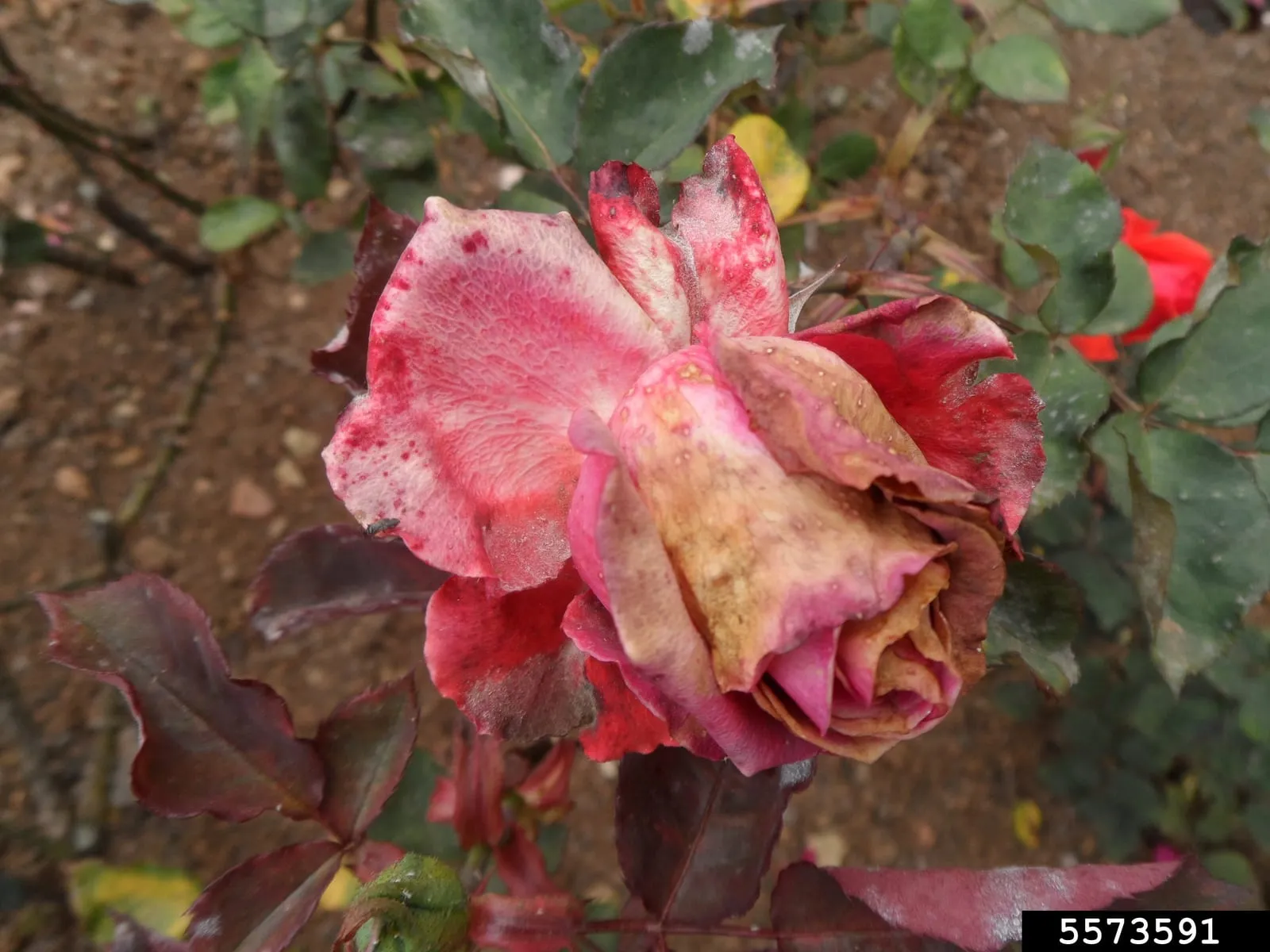
Botrytis cinerea
Ubiquitous fungal disease that causes fruit rot during cool wet weather, often the dominant berry disease in humid regions.
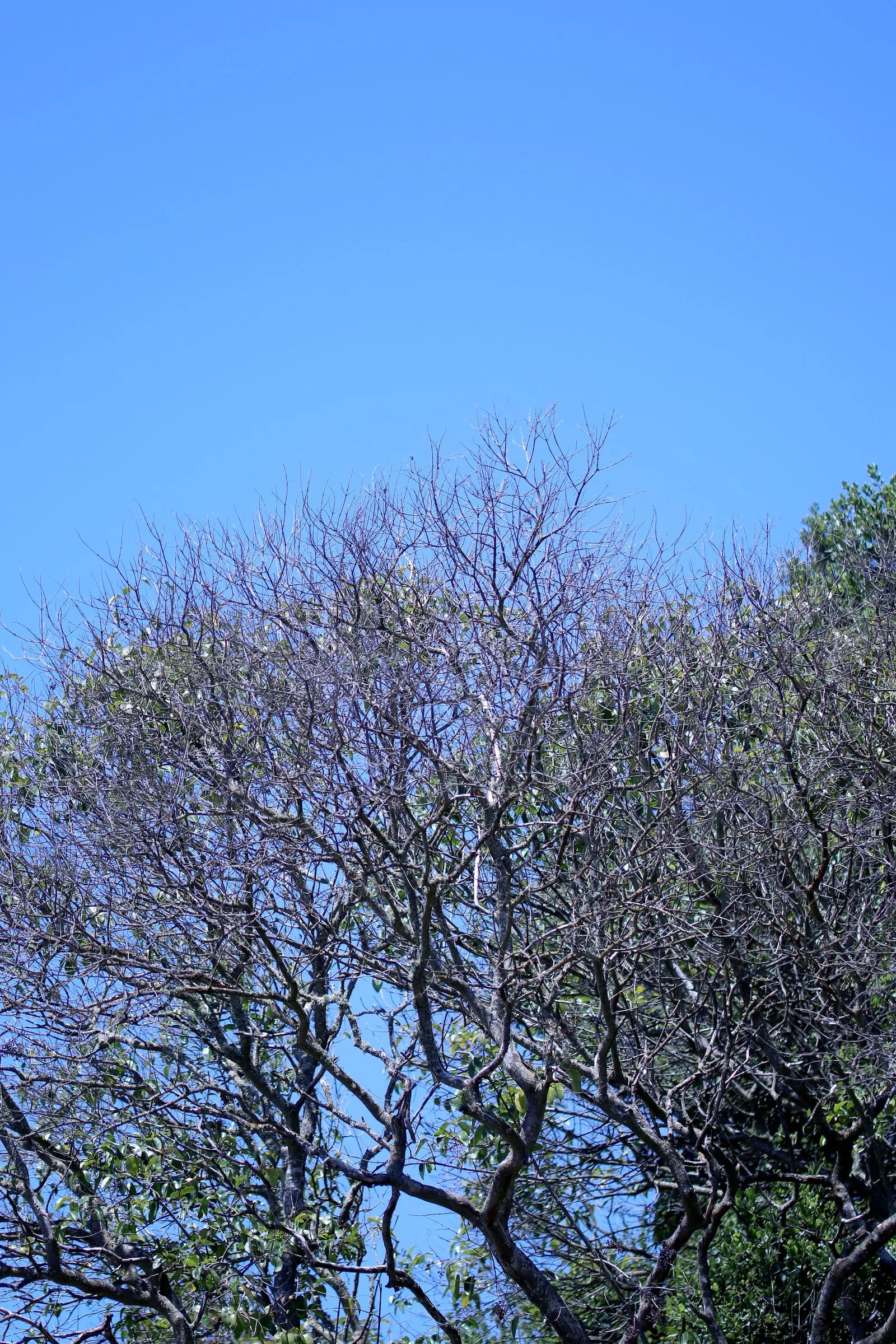
Phytophthora species
Soil-borne water mold that destroys roots in waterlogged soils, the leading cause of blueberry decline in poorly drained sites.
Modified care for zone 5a
Winter cold is not the primary management challenge in zone 5a; cranberry handles it without extra protection. The more demanding adjustments involve soil, water, and disease management.
Gray mold (Botrytis) is a consistent pressure in the cool, humid conditions that characterize zone 5a springs. Reducing overhead irrigation after bloom, maintaining open airflow, and avoiding excessive nitrogen are the standard controls. Phytophthora root rot follows poorly drained sites; bog construction with controlled flooding and proper drainage infrastructure is the long-term fix, not a soil amendment workaround.
For late-spring frost protection during bloom, commercial growers flood the bog before temperatures drop. Home growers with small beds can use floating row cover as a practical alternative. This step matters more in zone 5a than in warmer zones given the frost timing overlap with the bloom window.
Cranberry in adjacent zones
Image: "Vaccinium macrocarpon (15054125499)", by Kristine Paulus, via Wikimedia Commons, licensed under CC-BY Source.
.jpg)
Related