nut in zone 6a
Growing chestnut in zone 6a
Castanea species and hybrids
- Zone
- 6a -10°F to -5°F
- Growing season
- 180 days
- Chill needed
- 400 to 700 below 45°F
- Suitable varieties
- 4
- Days to harvest
- 120 to 180
The verdict
Zone 6a sits comfortably within the chestnut's preferred range. With minimum winter temperatures of -10°F to -5°F, Chinese chestnuts and Dunstan hybrids perform reliably; both tolerate cold down to -15°F or colder and accumulate winter chilling well above the crop's 400 to 700 hour requirement. Zone 6a typically delivers 800 to 1,200 or more chill hours depending on site elevation and local weather patterns, so underfulfillment is not a meaningful risk here.
The exception worth flagging is Colossal, a European chestnut selection primarily suited to Pacific Coast climates. Its cold hardiness threshold is closer to 0°F to 5°F, making it genuinely marginal in zone 6a and a poor bet at sites that regularly hit the zone's colder end. Dunstan, Sleeping Giant, and Chinese Chestnut are the more defensible choices in this zone and the ones most growers here should start with.
Recommended varieties for zone 6a
4 cultivars suited to this zone, with disease-resistance and zone-fit annotations.
| Variety | Notes | Zone fit | Disease resistance |
|---|---|---|---|
| Dunstan fits zone 6a | Sweet, starchy, classic roasted-chestnut flavor; roasting, soup, stuffing, flour. American x Chinese hybrid with strong blight resistance, the leading restoration cultivar in the eastern US. Productive young (3-5 years). | |
|
| Colossal fits zone 6a | Sweet, mild, very large nuts with easy peeling; roasting, fresh, processing. European x Japanese hybrid, the West Coast commercial standard. Requires a pollinizer. | | none noted |
| Sleeping Giant fits zone 6a | Sweet, classic flavor, medium nuts; roasting and culinary. American x Japanese hybrid with good blight resistance, productive in eastern conditions. | |
|
| Chinese Chestnut fits zone 6a | Sweet, starchy, classic chestnut flavor; roasting, baking. Pure Castanea mollissima seedling, naturally blight-tolerant. Smaller mature tree (40-50 ft) than American chestnut, productive 4-7 years from planting. | |
|
Critical timing for zone 6a
Chestnuts bloom late relative to most orchard crops, typically in late June to early July in zone 6a. This timing works in the crop's favor: by the time male catkins open and pistillate flowers are receptive, the risk of a killing frost has passed in nearly all zone 6a locations. The spring frost window that damages peach buds is not a concern for chestnuts.
Harvest runs from mid-September through late October depending on variety. Dunstan and Chinese Chestnut selections typically drop burrs in September; later-ripening selections may extend into October. The zone's 180-day growing season gives nuts adequate time to fill before the first hard frost closes out the season.
Common challenges in zone 6a
- ▸ Brown rot in stone fruit
- ▸ Japanese beetles
- ▸ Spring frost damage to peach buds
Disease pressure to watch for
Modified care for zone 6a
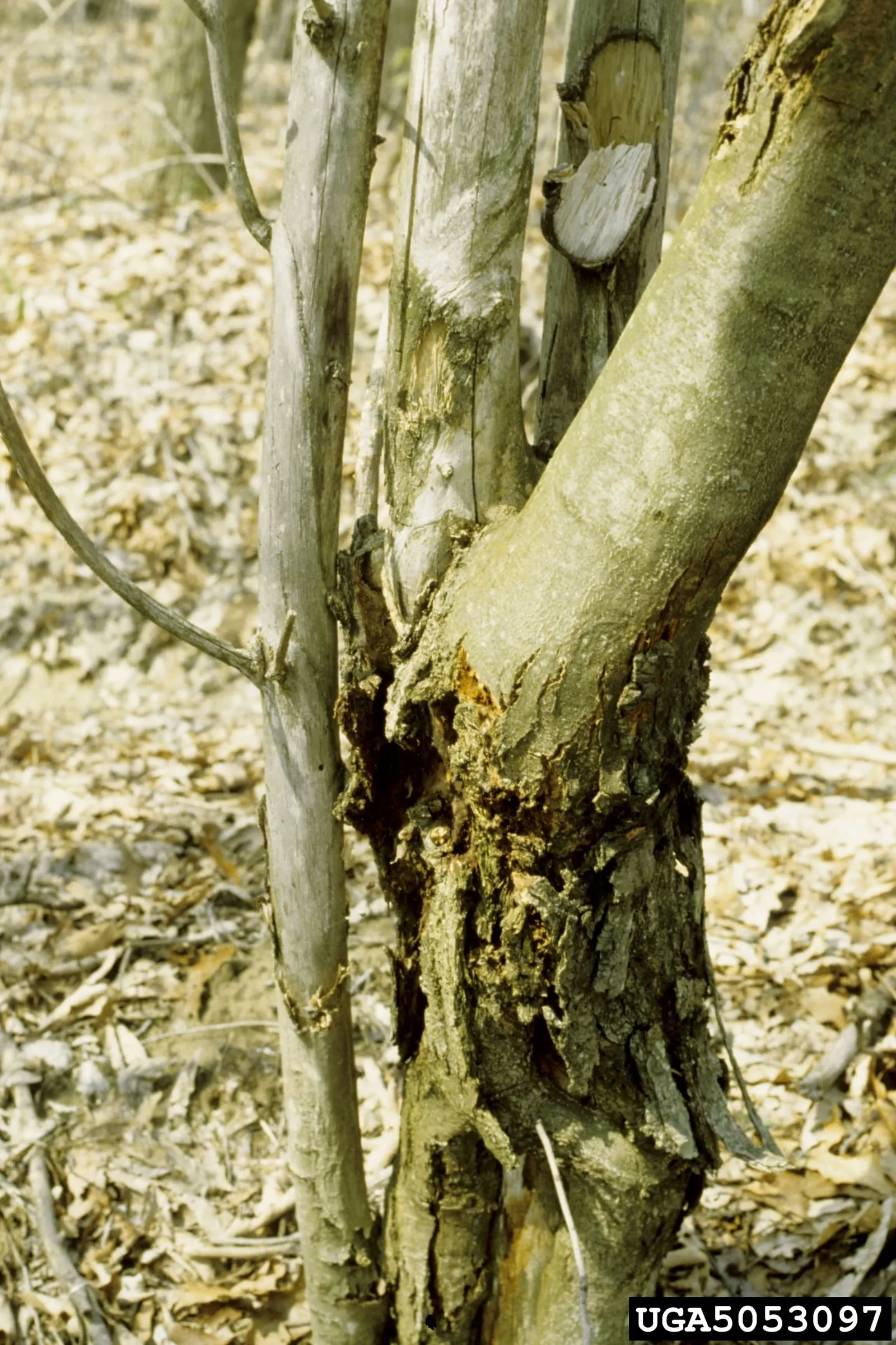
Chestnut blight (Cryphonectria parasitica) is the primary management concern in zone 6a, as it is across most of the eastern United States. Planting blight-resistant varieties, specifically Dunstan, Sleeping Giant, Chinese Chestnut, and their hybrids, is not optional in this region; it is the baseline. Pure European or American chestnut seedlings without blight resistance will not survive long-term in most zone 6a locations.
Japanese beetles are a documented pressure in zone 6a and can cause significant leaf damage on young chestnut trees during July. Heavy defoliation on trees in their first few years slows establishment and delays first nut production. Kaolin clay applications starting in mid-June provide moderate protection without broad-spectrum insecticides.
Growers planting Colossal should site those trees in the warmest available microclimate and expect possible branch dieback following winters that push into the -10°F range.
Chestnut in adjacent zones
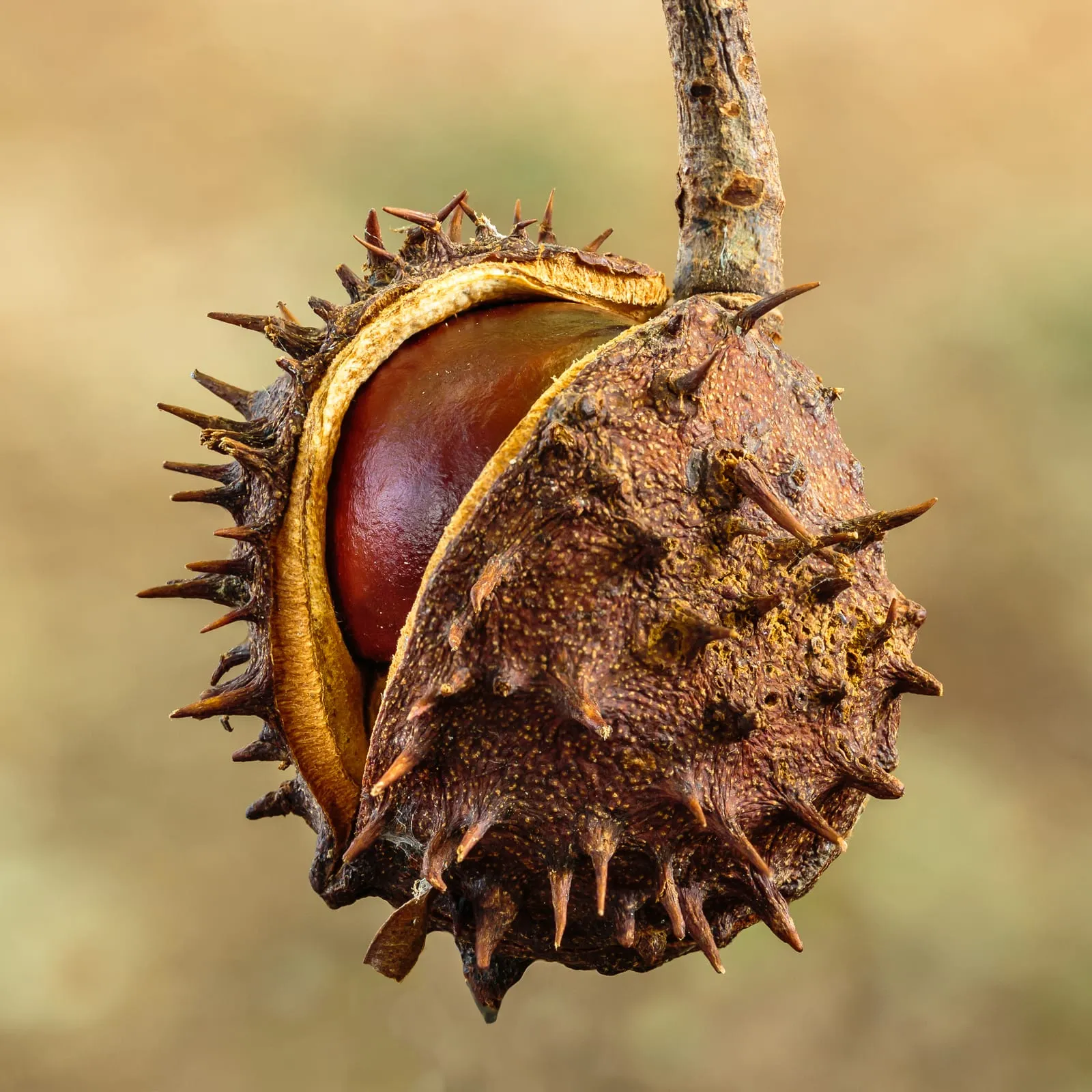
Image: "Gebarsten bolster van een paardenkastanje (Aesculus) 20-09-2020 (d.j.b.) 01", by Dominicus Johannes Bergsma, via Wikimedia Commons, licensed under CC-BY Source.
_20-09-2020_(d.j.b.)_01.jpg)
Related