nut in zone 5b
Growing chestnut in zone 5b
Castanea species and hybrids
- Zone
- 5b -15°F to -10°F
- Growing season
- 165 days
- Chill needed
- 400 to 700 below 45°F
- Suitable varieties
- 4
- Days to harvest
- 120 to 180
The verdict
Zone 5b sits within the viable range for chestnuts, and for most recommended varieties it is a comfortable fit rather than a marginal one. The zone's winter temperatures (-15 to -10°F) reliably supply the 400 to 700 chill hours chestnuts require for proper dormancy break and nut development. Chinese Chestnut (Castanea mollissima) is documented as cold-hardy to zone 4, making it a dependable anchor for this zone. Dunstan and Sleeping Giant, both bred with blight resistance as a priority, share similar cold tolerance and perform consistently in zone 5b conditions.
Colossal is the exception worth flagging. As a larger European-Japanese hybrid, it carries zone 5 ratings from some sources but performs best where winters don't push to the colder end of zone 5b's range. On exposed sites or in areas without adequate wind protection, Colossal may show winter dieback on branch tips or suffer trunk damage in severe years. For reliable production in zone 5b, Chinese Chestnut, Dunstan, or Sleeping Giant are the lower-risk choices.
The 165-day growing season is sufficient for most chestnut varieties to ripen nuts fully before the first killing frost.
Recommended varieties for zone 5b
4 cultivars suited to this zone, with disease-resistance and zone-fit annotations.
| Variety | Notes | Zone fit | Disease resistance |
|---|---|---|---|
| Dunstan fits zone 5b | Sweet, starchy, classic roasted-chestnut flavor; roasting, soup, stuffing, flour. American x Chinese hybrid with strong blight resistance, the leading restoration cultivar in the eastern US. Productive young (3-5 years). | |
|
| Colossal fits zone 5b | Sweet, mild, very large nuts with easy peeling; roasting, fresh, processing. European x Japanese hybrid, the West Coast commercial standard. Requires a pollinizer. | | none noted |
| Sleeping Giant fits zone 5b | Sweet, classic flavor, medium nuts; roasting and culinary. American x Japanese hybrid with good blight resistance, productive in eastern conditions. | |
|
| Chinese Chestnut fits zone 5b | Sweet, starchy, classic chestnut flavor; roasting, baking. Pure Castanea mollissima seedling, naturally blight-tolerant. Smaller mature tree (40-50 ft) than American chestnut, productive 4-7 years from planting. | |
|
Critical timing for zone 5b
Chestnuts bloom in late spring, typically late May through June in zone 5b, well after the average last frost date. This late bloom window is an advantage: the cold snaps that threaten apple and cherry blossoms in April generally pass before chestnut flowers open.
Harvest falls in September through mid-October depending on variety. Chinese Chestnut typically ripens earlier, often late September, while some Dunstan selections extend into October. With zone 5b's first frost arriving around mid-October on average, the harvest window is workable but not wide. A year with an early first frost in late September can catch later-ripening selections before they're fully mature. Monitoring nut development by checking burr opening in September, rather than relying solely on calendar dates, is the more reliable approach to timing harvest.
Common challenges in zone 5b
- ▸ Plum curculio
- ▸ Codling moth
- ▸ Cedar-apple rust
Disease pressure to watch for
Modified care for zone 5b
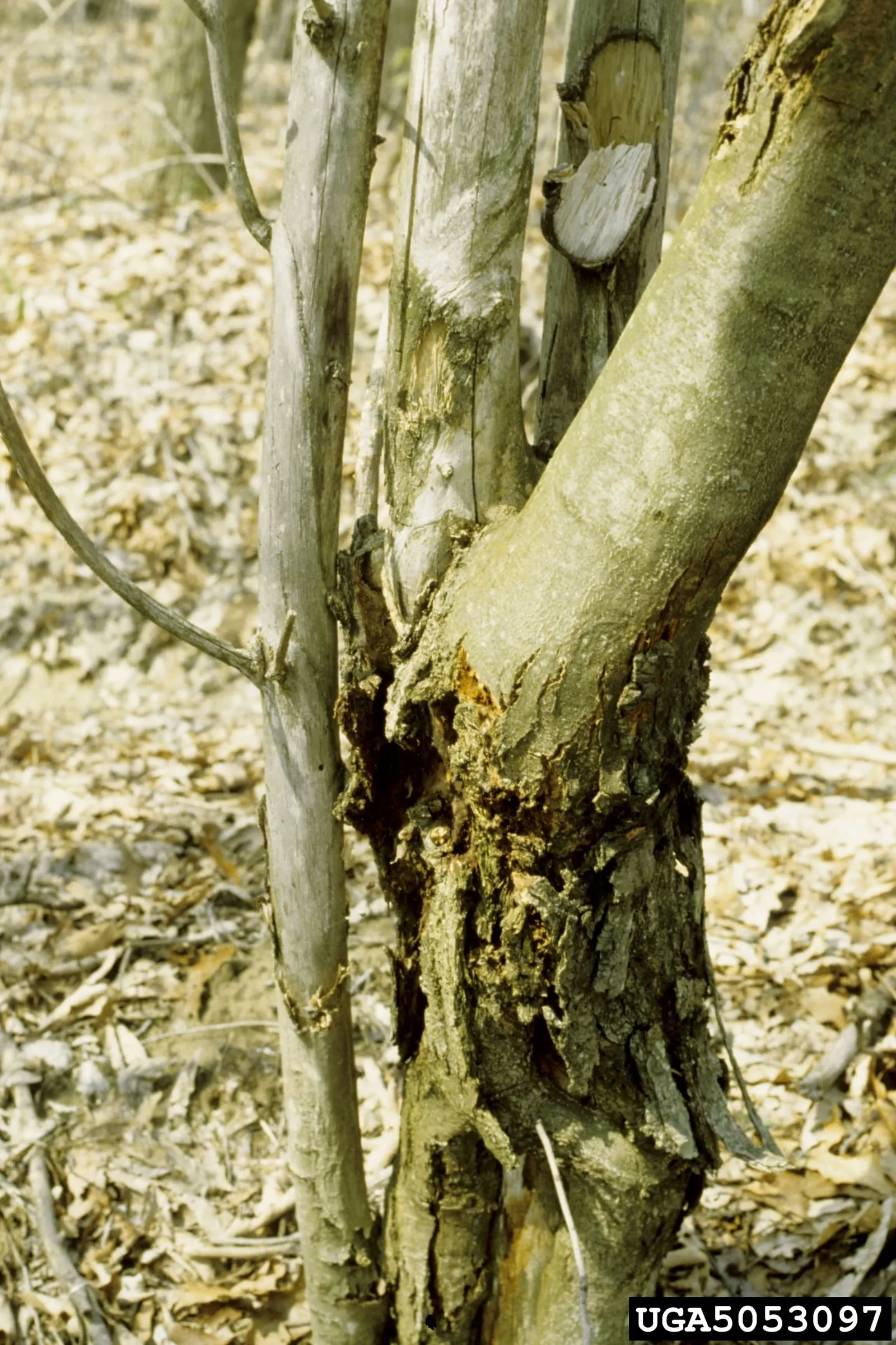
The main concern in zone 5b is protecting young trees through their first few winters. Established Chinese Chestnut and Dunstan trees handle the cold well, but first and second-year grafted trees can suffer trunk damage and tip dieback when temperatures drop to the colder end of zone 5b's range. Wrapping the trunk and providing a windbreak on the north and northwest sides during the first two winters reduces this risk. Remove wrapping in early spring to prevent moisture-related disease.
Chestnut blight (Cryphonectria parasitica) is the dominant disease concern across the crop's range. The blight-resistant varieties in this list manage the pressure without routine intervention under normal conditions. On the pest side, plum curculio and weevils attack chestnuts directly, puncturing nuts in the burr and in fallen material. Sanitation matters here: promptly collecting fallen nuts and monitoring for weevil activity through September keeps damage at manageable levels.
Chestnut in adjacent zones
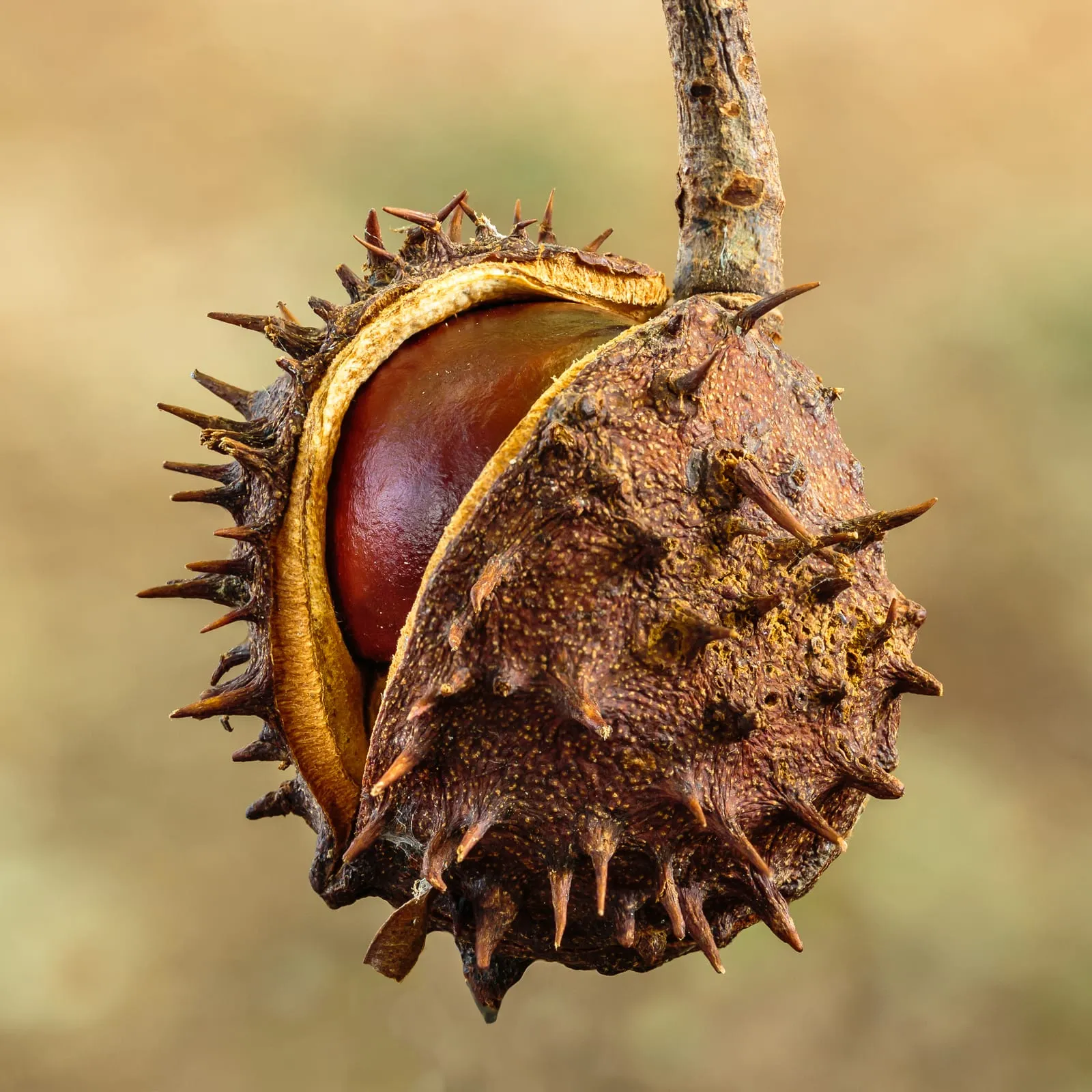
Image: "Gebarsten bolster van een paardenkastanje (Aesculus) 20-09-2020 (d.j.b.) 01", by Dominicus Johannes Bergsma, via Wikimedia Commons, licensed under CC-BY Source.
_20-09-2020_(d.j.b.)_01.jpg)
Related