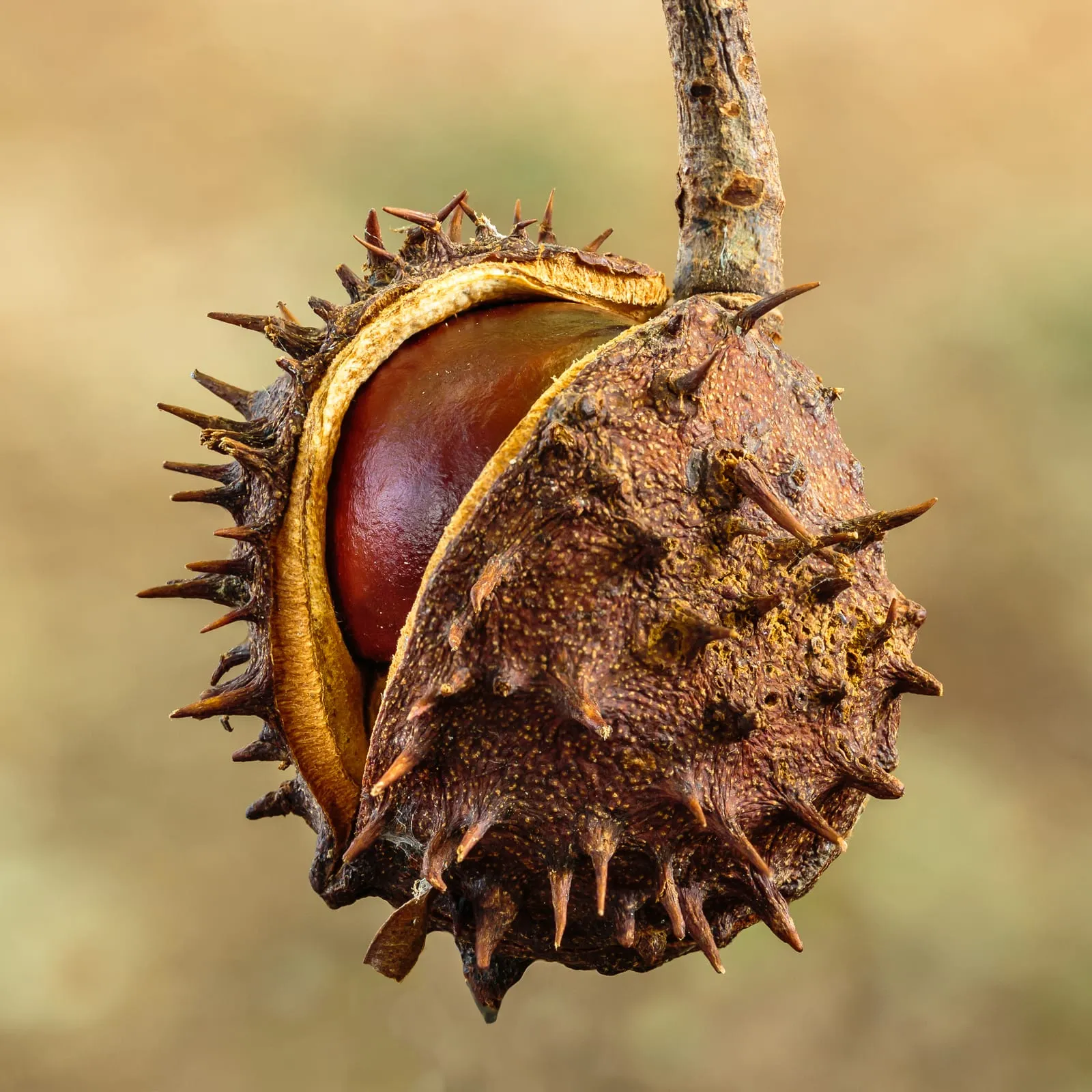
nut in zone 5a
Growing chestnut in zone 5a
Castanea species and hybrids
- Zone
- 5a -20°F to -15°F
- Growing season
- 150 days
- Chill needed
- 400 to 700 below 45°F
- Suitable varieties
- 3
- Days to harvest
- 120 to 180
The verdict
Chestnut is a reasonable fit for zone 5a, though the margin depends heavily on variety selection. The crop's chill-hour requirement of 400 to 700 hours is comfortably met in zone 5a, where most locations accumulate 1,000 hours or more. That surplus causes no problem for chestnuts.
The more relevant constraint is winter hardiness. Zone 5a bottoms out at -20°F to -15°F, which rules out some chestnut selections but not all. Chinese Chestnut (Castanea mollissima) is reliably hardy to -20°F and is the backbone of most blight-resistant breeding programs. Dunstan hybrids and Sleeping Giant carry similar cold-hardiness ratings and are proven performers in zone 5 plantings across the upper Midwest and New England. Site selection matters more in zone 5a than in warmer zones: a low-lying frost pocket will see repeated freeze events that an elevated, well-drained site avoids entirely. With the right variety and site, zone 5a is within range, not a marginal stretch.
Recommended varieties for zone 5a
3 cultivars suited to this zone, with disease-resistance and zone-fit annotations.
| Variety | Notes | Zone fit | Disease resistance |
|---|---|---|---|
| Dunstan fits zone 5a | Sweet, starchy, classic roasted-chestnut flavor; roasting, soup, stuffing, flour. American x Chinese hybrid with strong blight resistance, the leading restoration cultivar in the eastern US. Productive young (3-5 years). | |
|
| Sleeping Giant fits zone 5a | Sweet, classic flavor, medium nuts; roasting and culinary. American x Japanese hybrid with good blight resistance, productive in eastern conditions. | |
|
| Chinese Chestnut fits zone 5a | Sweet, starchy, classic chestnut flavor; roasting, baking. Pure Castanea mollissima seedling, naturally blight-tolerant. Smaller mature tree (40-50 ft) than American chestnut, productive 4-7 years from planting. | |
|
Critical timing for zone 5a
In zone 5a, chestnut leafout typically begins in late April to early May, trailing many stone fruits by two to three weeks. Bloom follows in mid-June, which generally clears the late spring frost window that zone 5a is known for. That timing is an advantage: where apple and pear flowers face frost risk in April and early May, chestnut bloom lands later and escapes most freeze events.
Harvest runs from mid-September through mid-October, depending on variety. Dunstan tends to ripen earlier than Chinese Chestnut selections. The 150-day growing season in zone 5a is sufficient for most blight-resistant varieties to reach full maturity before the first hard frost, though growers in the cooler northern reaches of this zone should confirm variety maturity dates against their local frost history before planting.
Common challenges in zone 5a
- ▸ Fire blight in pears
- ▸ Cedar-apple rust
- ▸ Late spring frosts
Disease pressure to watch for
Modified care for zone 5a
The primary adaptation in zone 5a is protecting the root crown and lower trunk through the first few winters until the tree establishes a substantial root system. Young trees are more vulnerable than mature ones; wrapping the trunk base with burlap or tree wrap in the first two to three winters reduces freeze-thaw damage at the graft union.
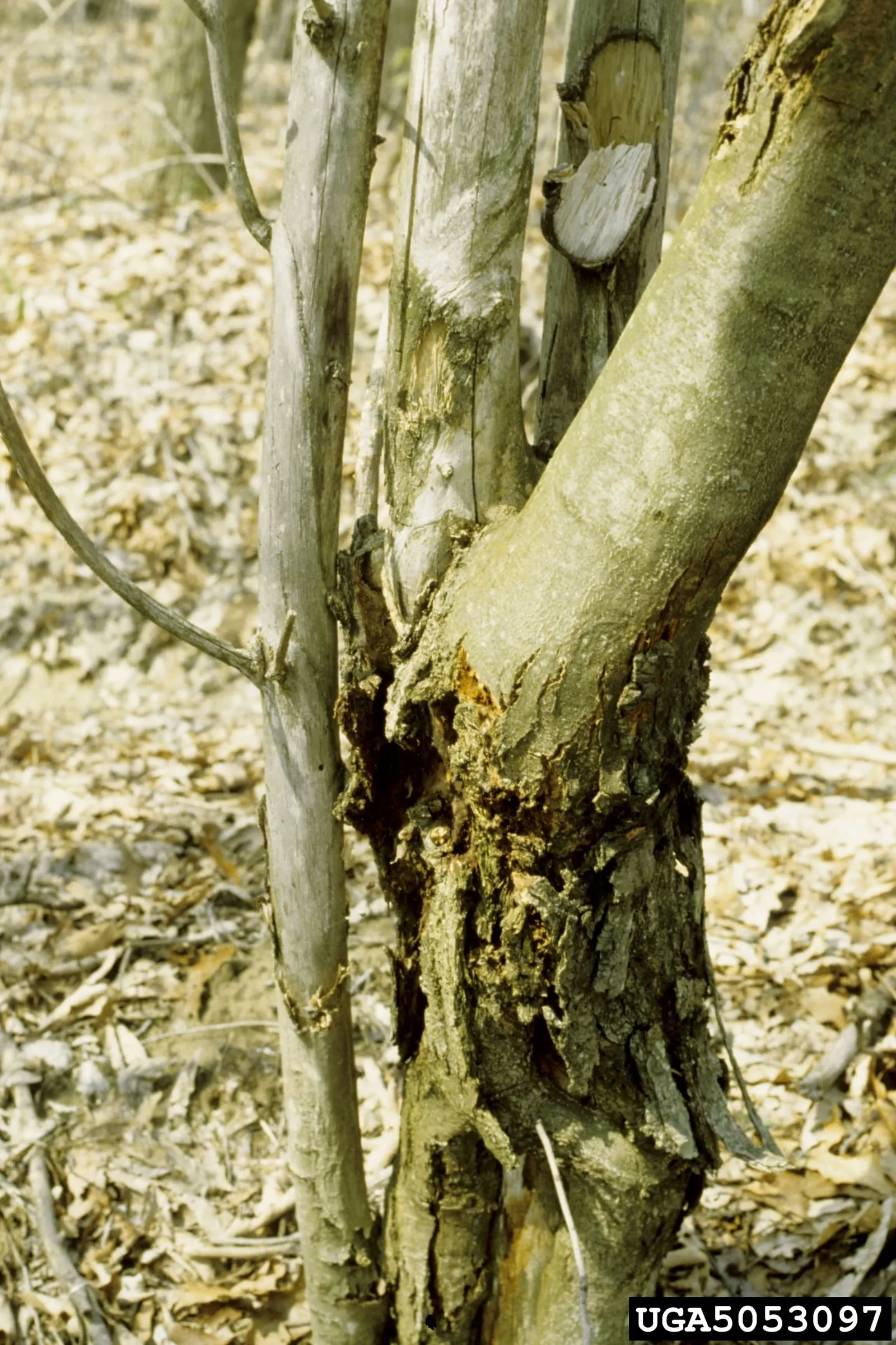
Chestnut blight (Cryphonectria parasitica) remains the defining disease pressure across the eastern range, including zone 5a. Planting blight-resistant selections like Dunstan or Sleeping Giant is non-negotiable in any area with residual wild American chestnut populations, which serve as a blight reservoir. There is no effective spray program; resistance is the only reliable management tool.
Zone 5a growers should avoid heavy nitrogen applications in late summer, which push late-season growth that fails to harden before cold arrives. Apply any fertilizer before late July.
Frequently asked questions
- Are chestnuts cold-hardy enough for zone 5a winters?
Varieties bred from Chinese Chestnut (Castanea mollissima), including Dunstan and Sleeping Giant, are rated to -20°F and are appropriate for zone 5a. American Chestnut seedlings, where available, are similarly cold-hardy but are not blight-resistant. Avoid sweet chestnut (Castanea sativa), which is generally rated only to zone 6.
- Does chestnut bloom late enough to avoid spring frost damage in zone 5a?
Generally yes. Chestnut blooms in mid-June in zone 5a, well after the typical last frost date for most of the zone. Late spring frosts that threaten earlier-blooming crops like pear or cherry are rarely a concern for chestnut.
- How serious is chestnut blight in zone 5a?
Blight (Cryphonectria parasitica) is present throughout the eastern United States, including zone 5a. Planting blight-resistant varieties is the only reliable control strategy. There is no approved fungicide program that prevents infection in landscape trees. Dunstan, Sleeping Giant, and Chinese Chestnut selections all carry meaningful blight resistance.
+−
+−
+−
Chestnut in adjacent zones
Image: "Gebarsten bolster van een paardenkastanje (Aesculus) 20-09-2020 (d.j.b.) 01", by Dominicus Johannes Bergsma, via Wikimedia Commons, licensed under CC-BY Source.
_20-09-2020_(d.j.b.)_01.jpg)
Related