vegetable in zone 6a
Growing parsnip in zone 6a
Pastinaca sativa
- Zone
- 6a -10°F to -5°F
- Growing season
- 180 days
- Suitable varieties
- 2
- Days to harvest
- 120 to 180
The verdict
Zone 6a is a strong match for parsnip. The 180-day growing season comfortably accommodates parsnip's long maturation window; most varieties need 100 to 130 days from direct sow to harvest, leaving ample margin on either end.
Parsnip is not a chilling-hour crop in the orchard sense. It does not require a minimum cold accumulation to set fruit or break dormancy. What zone 6a does provide is repeated frosts in October and November, which trigger the starch-to-sugar conversion that gives parsnip its characteristic sweetness. Growers in warmer zones often report flat, starchy roots; that is rarely a complaint in zone 6a.
The minimum winter temperatures (-10 to -5°F) are cold enough to freeze soil solidly, which affects harvest logistics but does not harm roots that are properly mulched. Hollow Crown and Andover both perform reliably in these conditions. Zone 6a is not marginal for parsnip; it is close to ideal, with the primary management task being late-season mulching rather than climate workarounds.
Recommended varieties for zone 6a
2 cultivars suited to this zone, with disease-resistance and zone-fit annotations.
| Variety | Notes | Zone fit | Disease resistance |
|---|---|---|---|
| Hollow Crown fits zone 6a | Sweet (especially after frost), nutty, complex; long tapered cream-colored roots. Roasting, mashing, soups, gratins. Heritage variety, very cold-hardy, sweetens dramatically with frost. | | none noted |
| Andover fits zone 6a | Sweet, smooth, refined flavor; long uniform roots well-suited to deeper soils. Roasting, soups, mashing. Productive modern variety with good disease resistance. | | none noted |
Critical timing for zone 6a
Parsnip is direct-sown, not transplanted; the taproot does not tolerate root disturbance. In zone 6a, soil is typically workable by mid-April, and seeds can go in two to four weeks before the last expected frost. Germination is slow and irregular under any conditions, often running 14 to 28 days; resist thinning aggressively until the stand is clearly established.
With a late-April sow date, roots reach harvestable size by mid-September through October. The preferred harvest window in zone 6a runs from first frost through November, when cold nights have improved root sweetness. Roots left in the ground over winter can be dug in early spring before the plant bolts, though flavor quality tends to decline once soil temperatures rise and the plant redirects energy toward flowering.
Common challenges in zone 6a
- ▸ Brown rot in stone fruit
- ▸ Japanese beetles
- ▸ Spring frost damage to peach buds
Modified care for zone 6a
The main zone 6a adjustment is mulching before hard freeze. Zone 6a soil can freeze to 12 inches or more in severe winters; without 8 to 10 inches of straw or shredded leaf mulch applied before the ground hardens, mid-winter harvest becomes impractical and repeated freeze-thaw cycles at the root crown can cause quality loss.
Japanese beetles, common across zone 6a, can skeletonize parsnip foliage in July and August. Defoliation at this stage slows root development during a critical bulking period. Hand-picking in the early morning is effective at low to moderate populations; row cover through peak beetle emergence protects the crop without chemical intervention if applied before adults establish on the planting.
Parsnip canker, a fungal condition affecting the root shoulder, is more prevalent in wet springs on heavy clay soils. Raised beds or beds amended with coarse sand reduce the conditions that favor it, and is a lower-effort fix than fungicide applications.
Parsnip in adjacent zones
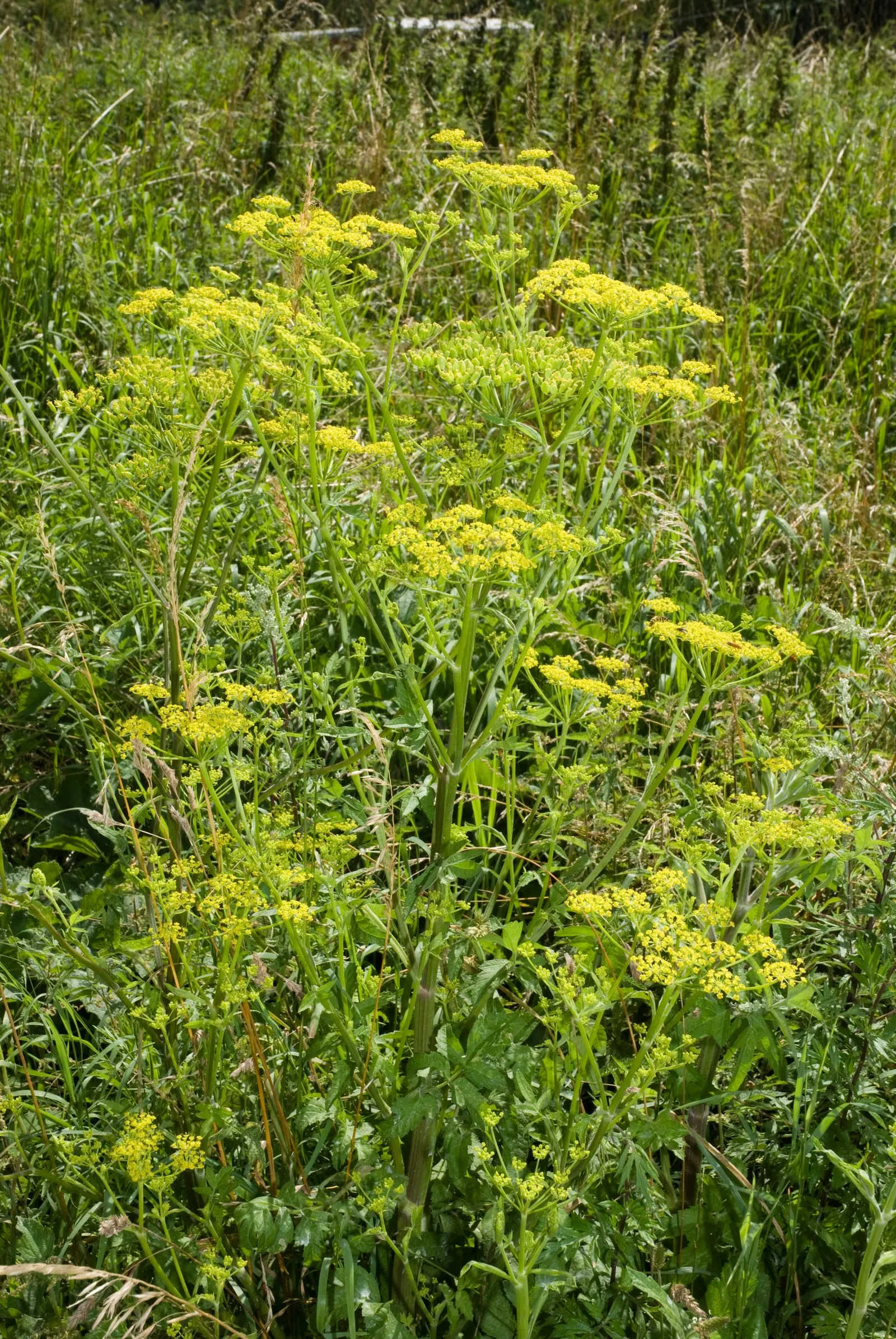
Image: "Pastinaca sativa vallee-de-grace-amiens 80 21072007 4", by Olivier Pichard, via Wikimedia Commons, licensed under CC-BY Source.

Related