vegetable in zone 6b
Growing parsnip in zone 6b
Pastinaca sativa
- Zone
- 6b -5°F to 0°F
- Growing season
- 190 days
- Suitable varieties
- 2
- Days to harvest
- 120 to 180
The verdict
Zone 6b is a reliable fit for parsnip, not a marginal one. The 190-day growing season comfortably exceeds the 100 to 120 days most varieties need from direct sowing to harvest, leaving meaningful buffer for slow spring soil warm-up or uneven germination. Unlike many root crops, parsnip actually improves in flavor after exposure to hard frost, and zone 6b delivers that consistently. Minimum winter temperatures of -5 to 0°F present no threat to roots left in the ground under mulch.
Parsnip does not have chill-hour requirements in the way tree fruits do. The relevant cold exposure here is post-maturity frost sweetening, not winter dormancy. Both Hollow Crown and Andover perform well in zone 6b conditions. Andover tends to show better resistance to canker, which matters in the heavier clay soils common across mid-Atlantic and upper Midwest zone 6b gardens. Growers in this zone have a genuine advantage: enough season length for slow germination, with the frost timing needed to bring out the roots' characteristic sweetness.
Recommended varieties for zone 6b
2 cultivars suited to this zone, with disease-resistance and zone-fit annotations.
| Variety | Notes | Zone fit | Disease resistance |
|---|---|---|---|
| Hollow Crown fits zone 6b | Sweet (especially after frost), nutty, complex; long tapered cream-colored roots. Roasting, mashing, soups, gratins. Heritage variety, very cold-hardy, sweetens dramatically with frost. | | none noted |
| Andover fits zone 6b | Sweet, smooth, refined flavor; long uniform roots well-suited to deeper soils. Roasting, soups, mashing. Productive modern variety with good disease resistance. | | none noted |
Critical timing for zone 6b
Parsnip is grown as an annual root crop and does not bloom or set seed in its first season under typical cultivation. Direct sowing in zone 6b begins in late March to early April, once soil temperature reaches at least 50°F at the 2-inch depth. Germination is notably slow, often 14 to 21 days even under good conditions, and erratic in cold or wet soil.
Harvest typically runs from mid-October through November. The first hard frost in zone 6b, which usually arrives between mid-October and early November depending on local elevation and microclimate, marks the beginning of the best harvest window rather than the end. Cold converts stored starch to sugar in the roots; flavor peaks after several frost events. Roots can remain in the ground and be harvested through early winter provided soil has not frozen solid.
Common challenges in zone 6b
- ▸ Cedar-apple rust
- ▸ Fire blight
- ▸ Stink bugs
Modified care for zone 6b
The primary adjustment for zone 6b is sowing as early in spring as conditions allow. Parsnip's slow germination and long maturation window mean a late April start can compress the season enough to affect root size and flavor development before fall frost. Raised beds or well-drained sites help when spring soils stay waterlogged into April.
Stink bugs are an established pressure in much of zone 6b, particularly across the mid-Atlantic. They feed on parsnip foliage and can damage roots in high-pressure years. Row covers applied from midsummer through harvest reduce feeding without residue concerns. For in-ground winter storage, apply 4 to 6 inches of straw mulch after the first hard frost to prevent the soil from freezing solid, extending the harvest window into December or January. Roots held this way typically show better sweetness than those pulled and refrigerated immediately after frost.
Parsnip in adjacent zones
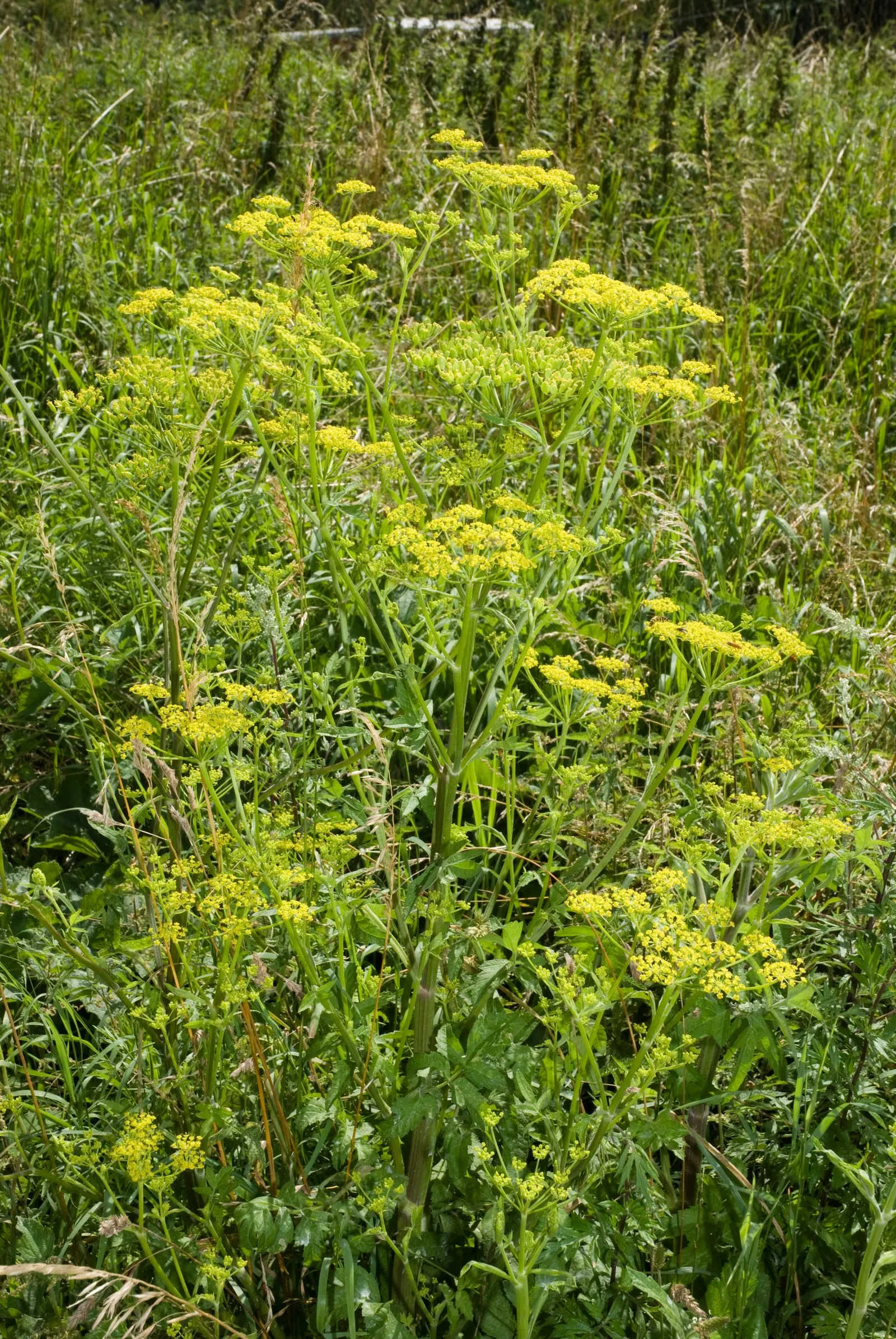
Image: "Pastinaca sativa vallee-de-grace-amiens 80 21072007 4", by Olivier Pichard, via Wikimedia Commons, licensed under CC-BY Source.

Related