vegetable in zone 7a
Growing parsnip in zone 7a
Pastinaca sativa
- Zone
- 7a 0°F to 5°F
- Growing season
- 210 days
- Suitable varieties
- 2
- Days to harvest
- 120 to 180
The verdict
Parsnip is a cool-season root crop with no chill-hour requirement in the way fruit trees are constrained. What limits it in zone 7a is summer heat, not winter cold. The 210-day growing season is more than sufficient for the 100 to 130 days most parsnip varieties need. Hollow Crown and Andover both mature within that window without issue.
The challenge is soil temperature. Parsnip roots develop best when soil stays below 65°F; zone 7a summers routinely push soil temps well above that threshold. Spring-sown parsnips in zone 7a often produce tough, pithy roots because the roots are sizing up during the hottest weeks. Late-summer sowing, targeting October through January harvest, largely sidesteps this problem and takes advantage of frost exposure, which converts stored starches to sugars and markedly improves flavor. Zone 7a is workable territory for parsnips, but the timing strategy matters more here than in cooler zones.
Recommended varieties for zone 7a
2 cultivars suited to this zone, with disease-resistance and zone-fit annotations.
| Variety | Notes | Zone fit | Disease resistance |
|---|---|---|---|
| Hollow Crown fits zone 7a | Sweet (especially after frost), nutty, complex; long tapered cream-colored roots. Roasting, mashing, soups, gratins. Heritage variety, very cold-hardy, sweetens dramatically with frost. | | none noted |
| Andover fits zone 7a | Sweet, smooth, refined flavor; long uniform roots well-suited to deeper soils. Roasting, soups, mashing. Productive modern variety with good disease resistance. | | none noted |
Critical timing for zone 7a
In zone 7a, direct sow parsnip seed in late July through mid-August. This puts germination in late summer heat (which can slow emergence to 21 to 28 days) and root development in the cooling temperatures of September through November. Consistent soil moisture during germination is critical; a light straw mulch helps.
The zone's first fall frost typically arrives in late October to early November. Rather than a problem, those early frosts are an asset: repeated freeze-thaw cycles through November and December improve root sweetness substantially. Roots left in the ground through a zone 7a winter with light mulch protection can be harvested as late as February. Spring frost (last occurrence typically early to mid-April) is largely irrelevant to a fall-sown crop.
Common challenges in zone 7a
- ▸ Cedar-apple rust
- ▸ Brown rot
- ▸ Fire blight
- ▸ High humidity disease pressure
Modified care for zone 7a
The primary adjustment for zone 7a growers is shifting entirely to late-summer planting rather than the spring sowing that works well in zones 5 and 6. Spring planting is not impossible in 7a, but roots that mature into July heat routinely disappoint.
Zone 7a's persistently high humidity through summer and early fall creates favorable conditions for leaf blights and canopy fungal issues. For a late-summer planting, most foliar growth occurs in the cooler, lower-humidity fall, which reduces this pressure considerably. Still, avoid dense spacing and ensure good air circulation, particularly in low-lying beds where moisture lingers after rain. Drainage matters: parsnips in waterlogged or compacted soil are more prone to root rots and surface canker. Raised beds or well-amended in-ground beds are worth the setup in heavier clay soils common across much of zone 7a.
Frequently asked questions
- Can parsnips survive a zone 7a winter in the ground?
Yes. Zone 7a minimum temperatures of 0 to 5°F are cold enough to freeze the top inch or two of soil but rarely penetrate deep enough to damage mature parsnip roots. A 3 to 4 inch layer of straw mulch over the bed provides adequate protection and extends the harvest window into February.
- Why do spring-planted parsnips often fail in zone 7a?
Parsnip roots size up most efficiently when soil temperatures are below 65°F. Spring-sown crops in zone 7a reach their bulk development phase during July and August, when soil in most of the zone far exceeds that threshold. Roots become woody and pithy rather than sweet and dense.
- Which variety performs better in zone 7a, Hollow Crown or Andover?
Both are viable. Andover was specifically bred for resistance to parsnip canker, which can be a concern in wetter, humid growing conditions common in zone 7a. Hollow Crown produces longer, more uniform roots and has the longer track record, but Andover is the safer choice in heavier soils prone to standing water.
- Does frost really make parsnips taste better?
Yes, and this is well-documented rather than folklore. Cold temperatures trigger enzymatic conversion of the root's starch reserves into sugars. Parsnips harvested after several hard frosts are measurably sweeter than those pulled before any frost exposure. Zone 7a's October and November frost pattern is close to ideal for this effect.
+−
+−
+−
+−
Parsnip in adjacent zones
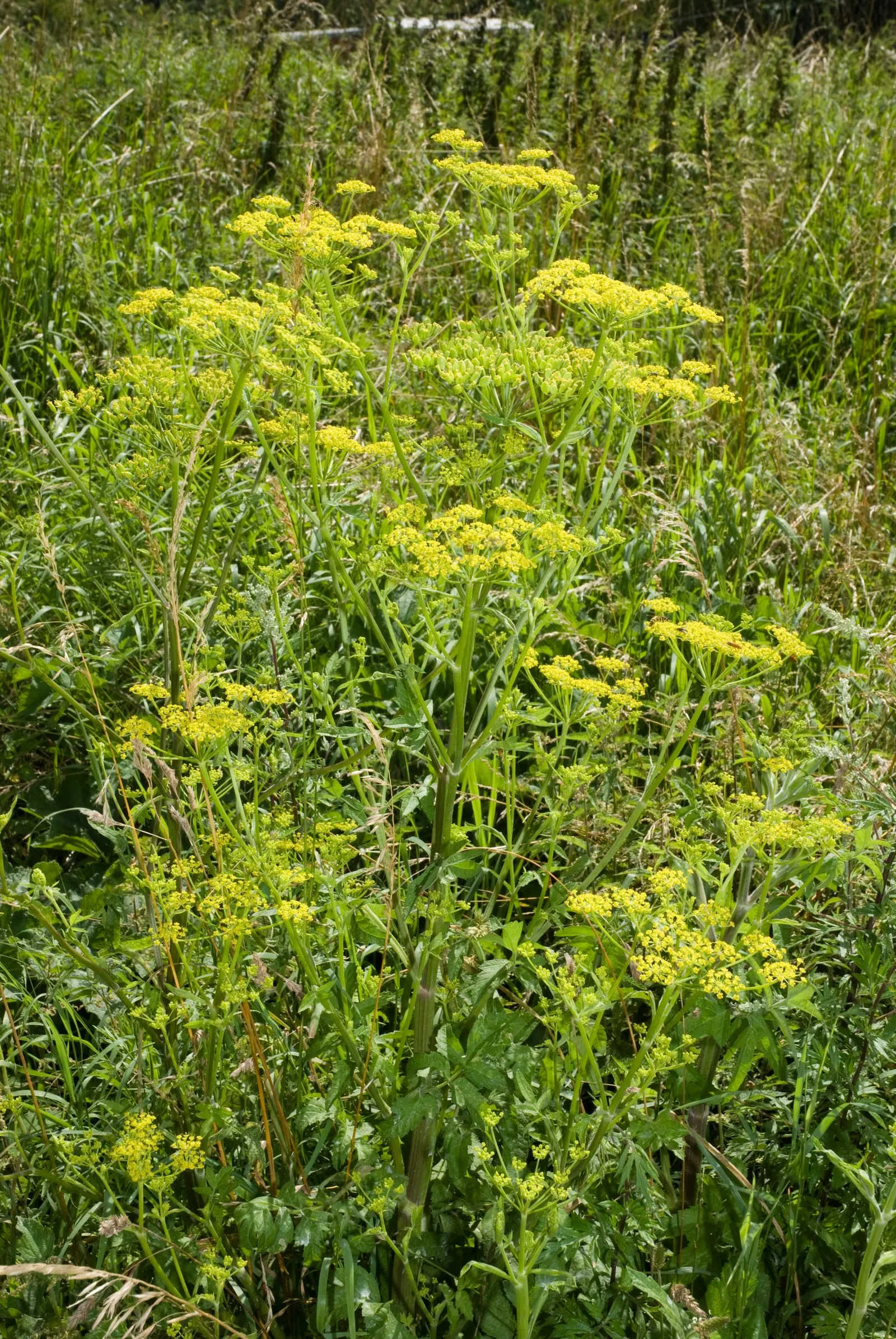
Image: "Pastinaca sativa vallee-de-grace-amiens 80 21072007 4", by Olivier Pichard, via Wikimedia Commons, licensed under CC-BY Source.

Related