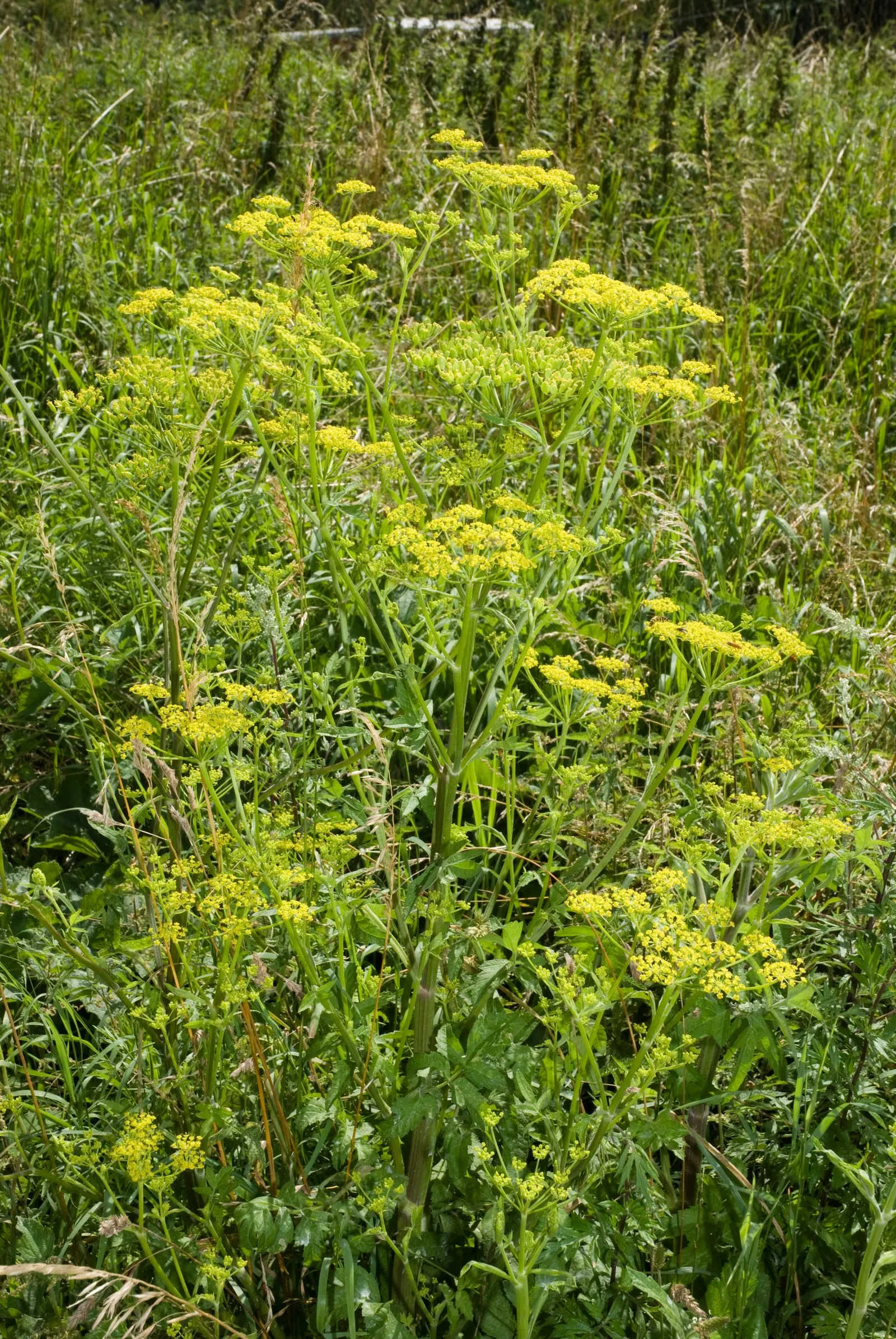
vegetable
Parsnip
Pastinaca sativa
USDA hardiness range
- Zones
- 3a–8a
- Days to harvest
- 120 to 180
- Sun
- Full
- Water
- Moderate
- Lifespan
- biennial grown as annual
Growing parsnip
Parsnip thrives in USDA zones 3a through 8a, making it one of the few root vegetables well-suited to the northern half of the country. The long growing season requirement (120 to 180 days) is the primary constraint: gardeners in zones 3 and 4 need to direct-sow as soon as soil can be worked in spring to reach harvest before hard freeze. In zone 8a, summer heat is the more common problem; roots become fibrous and bitter when soil temperatures push above 75°F during active root development.
The signature quality of parsnip is sweetness that intensifies after frost exposure. Starches convert to sugars in cold soil, and roots left in the ground through light freezes taste noticeably different from those pulled before first frost. Zones 5 through 7 are the sweet spot: long enough seasons for full root development, reliable fall frost to trigger sweetening, and sufficient cold to hold roots in the ground for extended harvest windows.
Successful parsnip plantings depend on three things above all: deep, loose, stone-free soil for straight root development; direct sowing rather than transplanting; and patience with germination, which routinely runs two to three weeks and fails entirely if soil is cold and waterlogged at sowing time. According to Cornell Vegetable Production, fresh seed and adequate soil warmth at sowing are the two most consistent predictors of good germination rates.
Recommended varieties
See all 2 →2 cultivars for home growers, with notes on flavor, ripening, and disease resistance.
| Variety | Notes | Zone fit | Disease resistance |
|---|---|---|---|
| Hollow Crown | Sweet (especially after frost), nutty, complex; long tapered cream-colored roots. Roasting, mashing, soups, gratins. Heritage variety, very cold-hardy, sweetens dramatically with frost. | | none noted |
| Andover | Sweet, smooth, refined flavor; long uniform roots well-suited to deeper soils. Roasting, soups, mashing. Productive modern variety with good disease resistance. | | none noted |
Soil and site requirements
Parsnip roots regularly reach 12 to 18 inches in length, so soil preparation is not optional. Rocky, compacted, or clay-heavy beds produce forked, stunted roots even from otherwise healthy plants. Raised beds or deeply tilled garden beds with incorporated compost are the practical solution for most home growers. Soil pH of 6.0 to 7.0 is the acceptable range; above 7.5, micronutrient uptake can limit growth.
Full sun is the standard recommendation, though parsnip tolerates partial shade better than most root crops. Consistent moisture matters most during germination and early root elongation; drought stress once roots are sizing causes cracking and off-flavors. Drainage is non-negotiable: waterlogged soil at sowing delays germination and increases seedling loss, while saturated conditions during the growing season promote root rot.
Spacing of 3 to 4 inches between plants in rows 12 to 18 inches apart is the practical target after thinning. Direct-sow at half-inch depth, thin to final spacing once seedlings reach 2 to 3 inches tall. In zones 3 and 4, raised or south-facing beds that warm earlier in spring widen the sowing window meaningfully. In zone 8a, positioning parsnips where afternoon shade reduces soil temperature can extend harvestable root quality into late spring before heat sets in.
Common pests
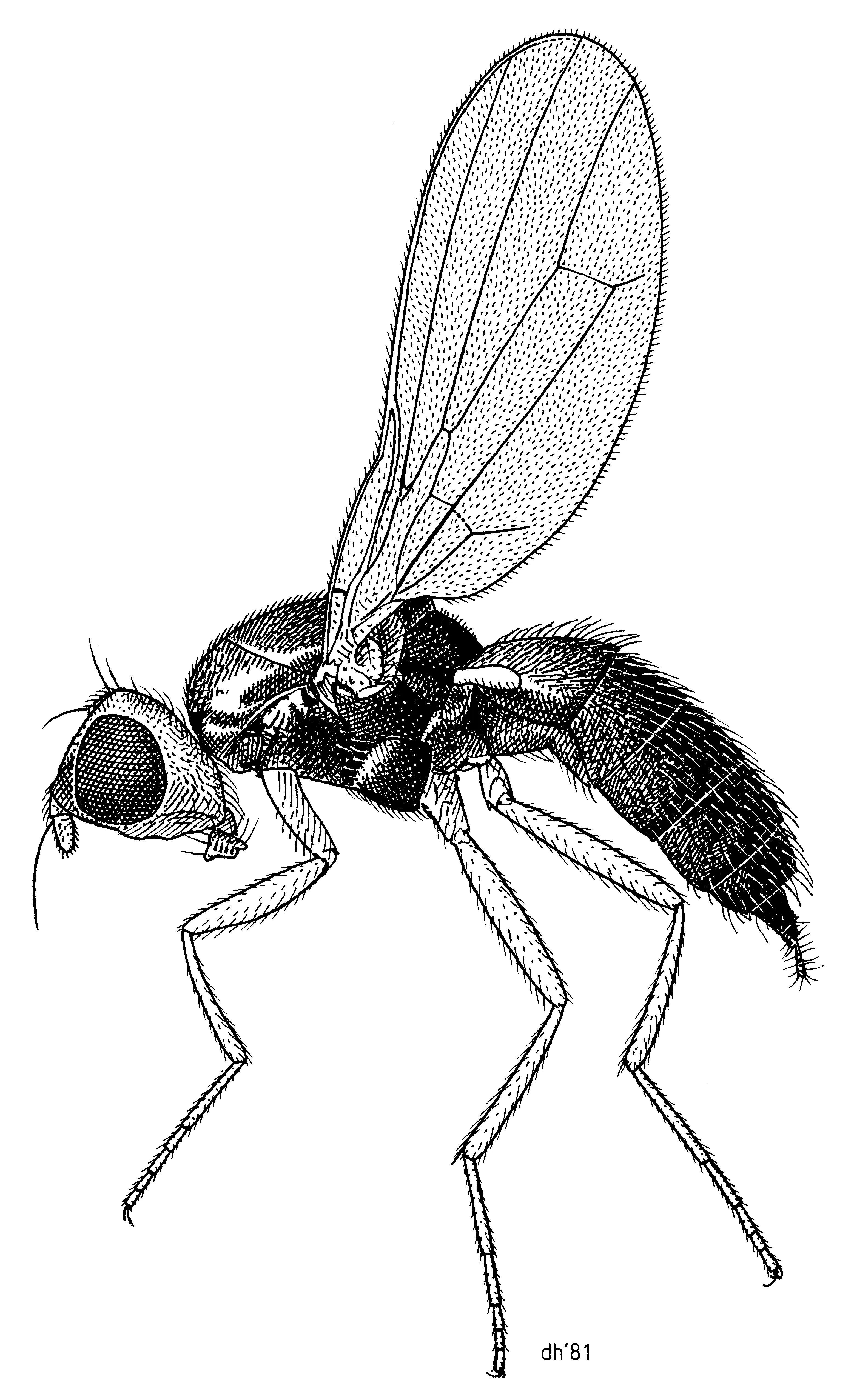
Psila rosae
Fly whose larvae tunnel into carrot and parsnip roots, leaving rust-colored scars and entry points for secondary rot.
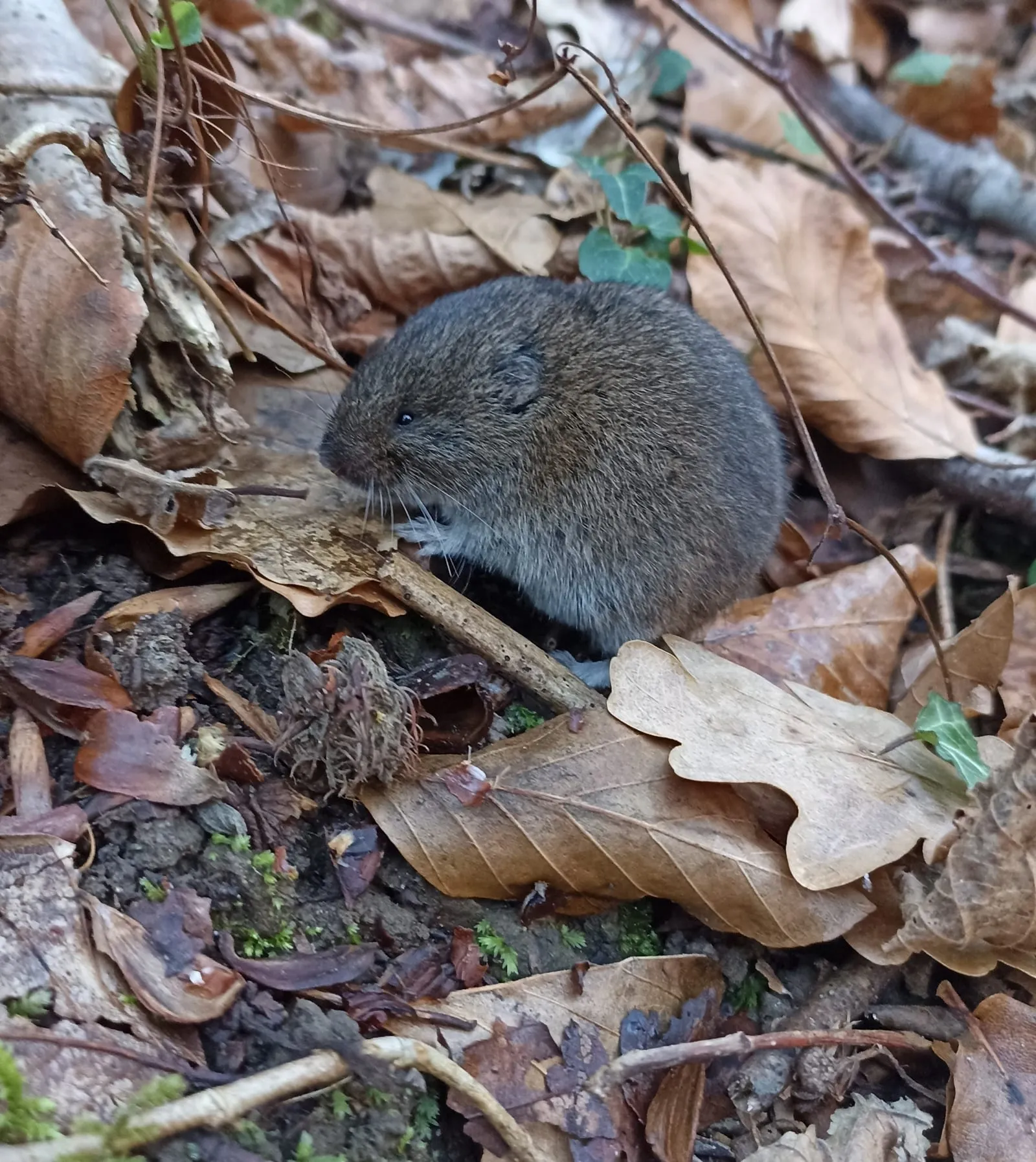
Microtus species
Field voles and meadow voles girdle young fruit-tree trunks under snow cover during winter and chew root crops. The leading cause of mysterious orchard losses.
Common challenges
Germination failure is the most common parsnip complaint. Germination rates are inherently lower than most vegetables, and viability drops sharply in seed that is more than one year old. Fresh seed germinates at roughly 70 to 80 percent under good conditions; older seed can fall below 50 percent. Cold, wet soil compounds the problem. Waiting until soil reaches at least 50°F before sowing improves emergence considerably, though even a brief return of cold weather after sowing can stall germination for two to three weeks.
Insufficient season length is a persistent problem in zones 3 and 4. At 120 to 180 days to maturity, parsnip requires sowing well before the last frost date (seedlings tolerate light frost) and then adequate fall growing time before hard freeze ends the season. A common error is sowing in late spring after faster crops are finished, leaving roots underdeveloped when cold arrives.
Carrot rust fly (Psila rosae) is the primary insect pest. Larvae tunnel into roots, leaving rust-colored channels that reduce storage quality and palatability. Row cover applied at sowing and left in place through mid-summer excludes the first two fly generations, which cause the bulk of damage. Crop rotation away from carrot-family plantings is the baseline cultural control; replanting parsnip, carrot, or celery in the same bed in consecutive years reliably increases larval pressure over time.
Frequently asked questions
- Do parsnips require accumulated chill hours to produce roots?
No. Chill-hour requirements apply to woody perennials like fruit trees that need winter cold to break dormancy. Parsnip grown as an annual forms roots without any chill-hour accumulation. Cold soil exposure after roots mature does improve flavor by converting starches to sugars, but that is a quality benefit rather than a growth requirement.
- How long does it take parsnips to reach harvest?
Parsnips take 120 to 180 days from direct sowing to harvest. The range reflects variation in soil temperature, moisture, and variety. Most growers target roots that measure 1 to 1.5 inches in diameter at the shoulder as the usable harvest threshold, though leaving roots in the ground longer after frost improves flavor considerably.
- Which USDA zones are best suited to parsnip?
Parsnip is productive in zones 3a through 8a. Zones 5 through 7 offer the most favorable combination: growing seasons long enough for full root development and reliable fall frost to trigger sweetening. Zone 3 and 4 growers can succeed with early spring sowing. Zone 8b and warmer are generally too hot for reliable production, as summer heat turns roots fibrous and bitter before harvest.
- Does parsnip need pollinators to produce edible roots?
No. Root production requires no pollination. Parsnip is a biennial that only flowers in its second year; pollination matters only if seed saving is the goal. For standard vegetable production, pollinator presence or absence has no effect on root yield or quality.
- What is the most significant pest problem for home parsnip growers?
Carrot rust fly (Psila rosae) is the primary pest concern. Larvae tunnel through roots, creating rust-colored channels that compromise storage quality. Row cover applied at sowing and maintained through midsummer provides effective exclusion. Rotating away from carrot-family crops each season limits larval pressure from overwintering populations.
- When should parsnips be harvested for the best flavor?
Harvest after at least one or two frosts have penetrated the soil. Cold triggers starch-to-sugar conversion, and roots pulled before any frost are noticeably less sweet. In zones 5 through 7, this typically means waiting until October or November. Roots can remain in the ground through winter in zones 5 and warmer, with light mulch protection against deep freezes.
- Why do parsnip roots fork or grow deformed?
Forking is almost always a soil structure problem: stones, compacted layers, or pockets of heavy clay redirect root growth downward and laterally. Fresh manure incorporated before sowing has the same effect by creating high-fertility pockets that attract lateral branching. Preparing beds to at least 12 inches depth, removing stones and clods, and avoiding fresh manure in the planting season prevents most deformity.
+−
+−
+−
+−
+−
+−
+−
Sources
Image: "Pastinaca sativa vallee-de-grace-amiens 80 21072007 4", by Olivier Pichard, via Wikimedia Commons, licensed under CC-BY. Source.

Parsnip by zone
Related