vegetable in zone 4a
Growing parsnip in zone 4a
Pastinaca sativa
- Zone
- 4a -30°F to -25°F
- Growing season
- 120 days
- Suitable varieties
- 2
- Days to harvest
- 120 to 180
The verdict
Parsnip is a genuinely good fit for zone 4a, and in some respects cold-climate zones are where it performs best. The crop requires consistent cold exposure to convert root starches to sugars, and zone 4a winters deliver that reliably. The 120-day growing season is tight but workable: most parsnip varieties, including Hollow Crown and Andover, mature in 100 to 130 days, which leaves little margin but enough with careful spring timing.
This is not a marginal zone for parsnips the way it is for warm-season crops. The limiting factor is not winter cold but growing-season length. Growers who sow early and select shorter-season varieties within the compatible list can expect full-size roots with the characteristic sweetness that develops only after several hard frosts. Zone 4a is not a stretch; it is essentially the native climate type for which parsnip was historically bred across northern Europe.
Recommended varieties for zone 4a
2 cultivars suited to this zone, with disease-resistance and zone-fit annotations.
| Variety | Notes | Zone fit | Disease resistance |
|---|---|---|---|
| Hollow Crown fits zone 4a | Sweet (especially after frost), nutty, complex; long tapered cream-colored roots. Roasting, mashing, soups, gratins. Heritage variety, very cold-hardy, sweetens dramatically with frost. | | none noted |
| Andover fits zone 4a | Sweet, smooth, refined flavor; long uniform roots well-suited to deeper soils. Roasting, soups, mashing. Productive modern variety with good disease resistance. | | none noted |
Critical timing for zone 4a
Direct sowing should begin as soon as the soil is workable in spring, typically late April to early May in zone 4a. Parsnip seed germinates slowly, often taking 14 to 21 days even in warm soil, and soil temperatures below 50°F further extend that window. Counting 110 to 120 days from germination puts harvest in mid to late September, ahead of the first hard frosts.
Leaving roots in the ground through the first frosts is standard practice and improves flavor, but zone 4a soils freeze solid by November in most locations, closing the harvest window. Roots left beyond that point may be difficult to extract without damage. Growers should target a late September to mid-October harvest for the primary crop, or apply heavy mulch to extend in-ground storage by several weeks.
Common challenges in zone 4a
- ▸ Late frosts damage early bloomers
- ▸ Limited peach varieties
Modified care for zone 4a
The primary adjustment in zone 4a is sowing as early as the soil allows. Parsnip seed viability declines with age, so use fresh seed each season. Germination is notoriously uneven; sowing thickly and thinning to 3 to 4 inches after emergence is more reliable than precision spacing at the outset.
Soil preparation matters more in cold climates than in milder zones. Parsnip develops deep, straight roots only in loose, stone-free soil worked to at least 12 inches. Compacted or rocky ground produces forked, stunted roots regardless of variety. Apply 3 to 4 inches of straw mulch after the ground cools in October to delay hard freezing and extend the harvest window into November. Zone 4a's late spring frosts are not a significant concern for parsnip since the crop is direct-sown and roots are harvested in fall, avoiding the frost-damage risk that plagues early-blooming fruit crops in this zone.
Parsnip in adjacent zones
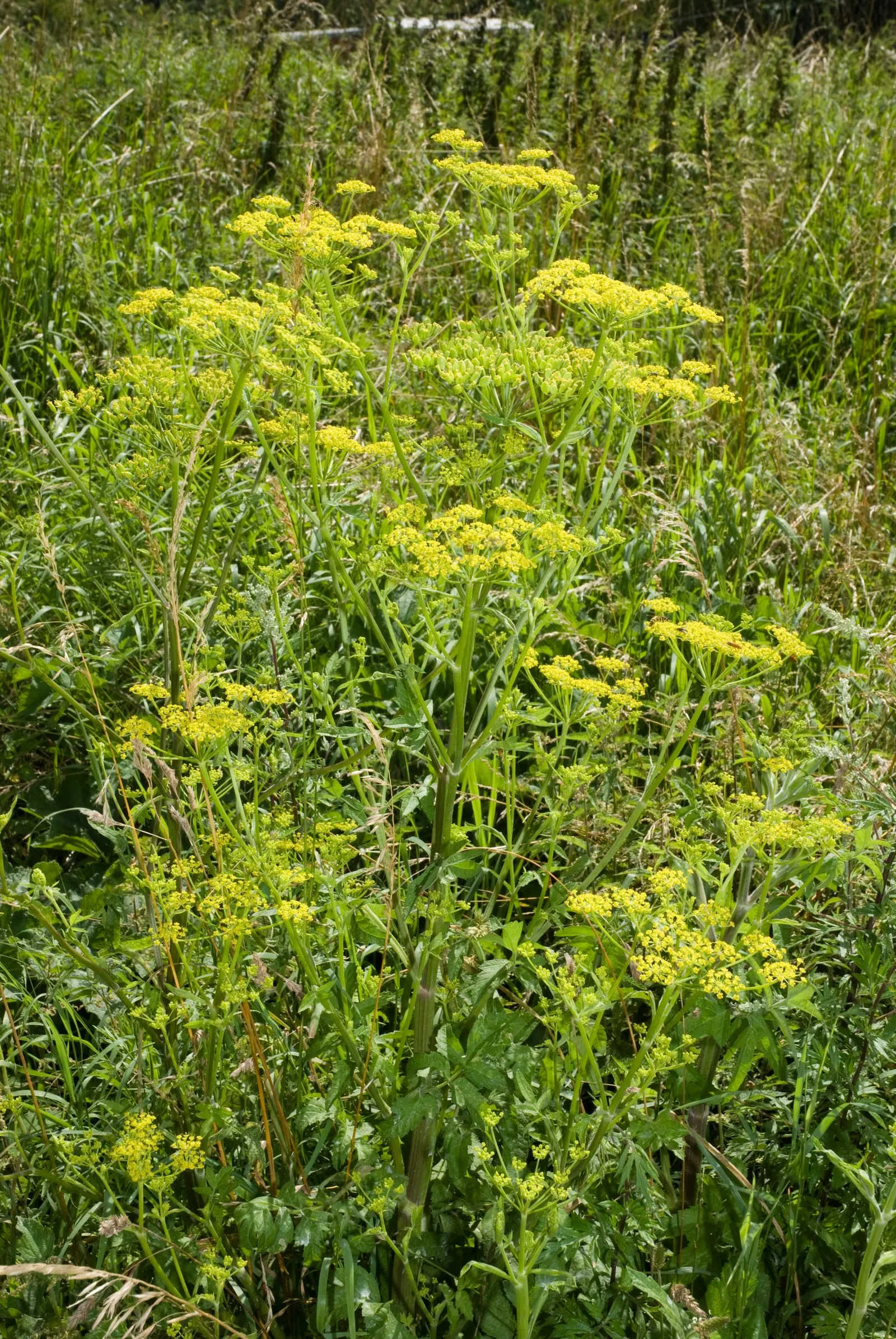
Image: "Pastinaca sativa vallee-de-grace-amiens 80 21072007 4", by Olivier Pichard, via Wikimedia Commons, licensed under CC-BY Source.

Related