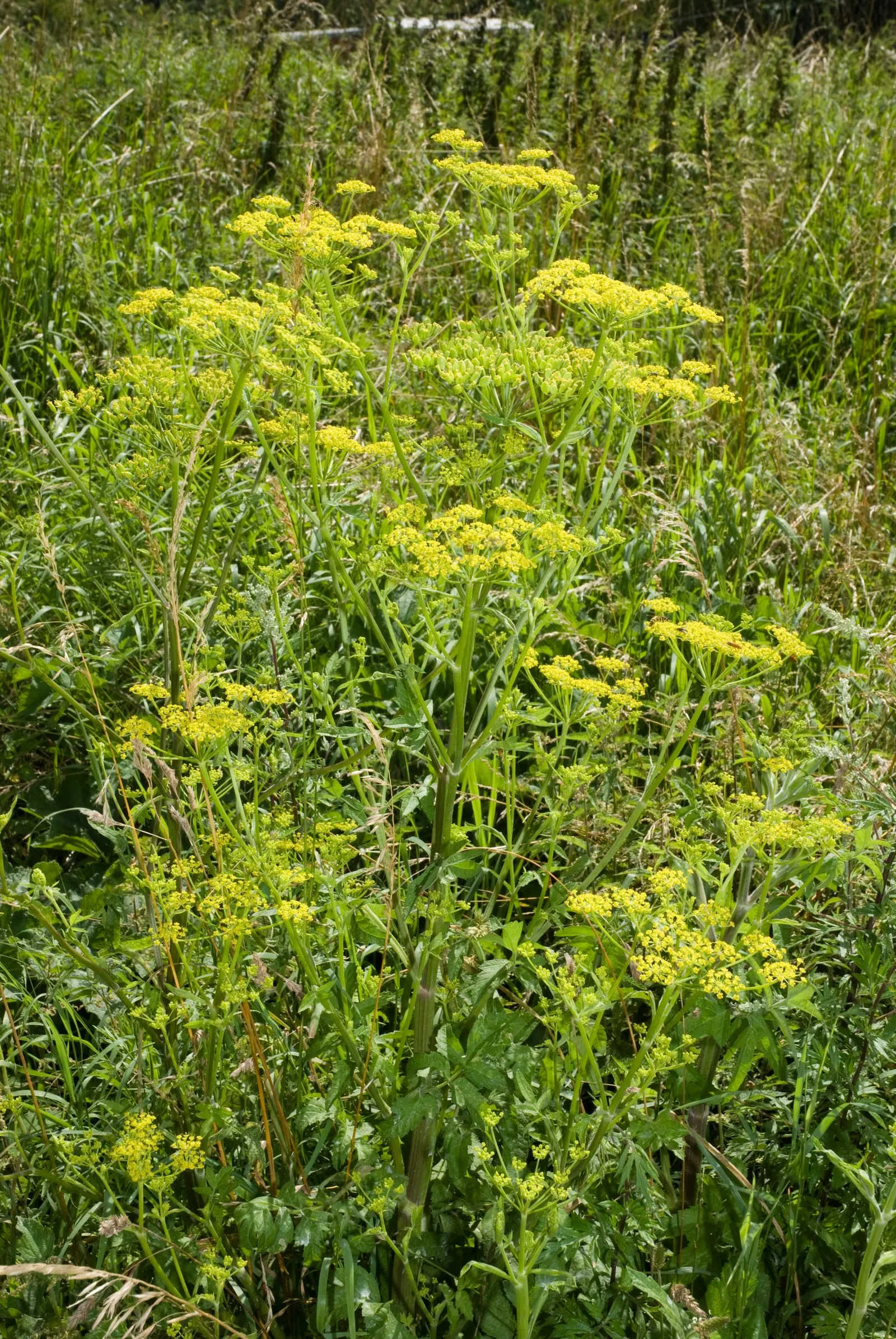
vegetable in zone 4b
Growing parsnip in zone 4b
Pastinaca sativa
- Zone
- 4b -25°F to -20°F
- Growing season
- 130 days
- Suitable varieties
- 2
- Days to harvest
- 120 to 180
The verdict
Parsnip is well suited to zone 4b and, in many respects, thrives here better than in warmer climates. Unlike most vegetables, parsnip quality improves with hard freezes: cold temperatures convert root starches to sugars, producing the sweetness that makes the crop worth growing. The zone's minimum temperatures of -25 to -20°F present no particular threat to roots left in the ground, provided the soil doesn't heave repeatedly.
The more relevant constraint in zone 4b is the growing season. Parsnips require 100 to 130 days from direct sowing to a harvestable root. Zone 4b's 130-day frost-free window is tight but workable, and in practice the crop's cold tolerance extends the effective season on both ends. Hollow Crown and Andover are both well documented for northern production and reliably mature within the available window. This is not a marginal zone for parsnip; it is one of the crop's better-suited climates.
Recommended varieties for zone 4b
2 cultivars suited to this zone, with disease-resistance and zone-fit annotations.
| Variety | Notes | Zone fit | Disease resistance |
|---|---|---|---|
| Hollow Crown fits zone 4b | Sweet (especially after frost), nutty, complex; long tapered cream-colored roots. Roasting, mashing, soups, gratins. Heritage variety, very cold-hardy, sweetens dramatically with frost. | | none noted |
| Andover fits zone 4b | Sweet, smooth, refined flavor; long uniform roots well-suited to deeper soils. Roasting, soups, mashing. Productive modern variety with good disease resistance. | | none noted |
Critical timing for zone 4b
In zone 4b, parsnip seed goes into the ground as soon as the soil can be worked in spring, typically late April to early May. Germination is slow at 14 to 21 days even in ideal conditions, and cold soil extends that window further. Sowing by May 1 targets a September harvest window, which aligns well with the first fall frosts that trigger the flavor-improving starch conversion.
Because parsnip is direct-sown and cannot be transplanted without root damage, the spring frost timing challenge common to zone 4b does not apply the way it does to transplanted crops. Roots can remain in the ground well into November or be mulched heavily and harvested over winter. A second harvest is possible the following spring before the plant bolts in its second year, though roots held that long tend toward woodiness at the core.
Common challenges in zone 4b
- ▸ Spring frost timing
- ▸ Apple scab pressure
- ▸ Cane berry winter dieback
Modified care for zone 4b
The primary adjustment for zone 4b is timing precision at sowing. With roughly 130 frost-free days available and parsnip needing the full end of that range to size up, late planting compresses the harvest window significantly. Aim to sow by the first week of May regardless of lingering cold soil; germination will be uneven but the plants catch up.
Over-wintering roots in the ground is a practical strategy here. A deep layer of straw mulch, 6 to 8 inches, prevents the soil from freezing solid and allows harvest through winter and into early spring. This also spreads the harvest workload rather than requiring a single large fall dig. Soil preparation matters more in zone 4b than in longer-season climates: parsnips need deep, loose, stone-free beds to grow straight roots, and frozen subsoil that hasn't fully thawed can restrict early root development. Double-digging or raised beds with amended soil address this in most northern settings.
Frequently asked questions
- Can parsnips survive winter in the ground in zone 4b?
Yes. With 6 to 8 inches of straw mulch over the bed, parsnip roots remain harvestable through winter and into early spring. Prolonged freezing and thawing without mulch can cause soil heaving that damages roots, so consistent mulch coverage is essential.
- Do parsnips need a chill period to develop sweetness?
Sweetness develops when root starches convert to sugars in response to temperatures near or below freezing. In zone 4b, this happens naturally once fall temperatures drop, typically in October. Roots harvested before the first hard frost are edible but noticeably starchier.
- Why does parsnip germinate so slowly?
Parsnip seed contains volatile oils that inhibit germination, and the seed loses viability quickly compared to most vegetables. Use fresh seed each season, sow at higher-than-expected density to compensate for uneven germination, and expect 14 to 21 days before seedlings emerge.
- Which variety performs better in zone 4b, Hollow Crown or Andover?
Both are reliable in short-season northern gardens. Hollow Crown is the traditional standard with large roots and strong flavor. Andover tends toward smoother skin and more uniform shape, which can make harvest and cleaning easier in heavy or rocky soils.
+−
+−
+−
+−
Parsnip in adjacent zones
Image: "Pastinaca sativa vallee-de-grace-amiens 80 21072007 4", by Olivier Pichard, via Wikimedia Commons, licensed under CC-BY Source.

Related