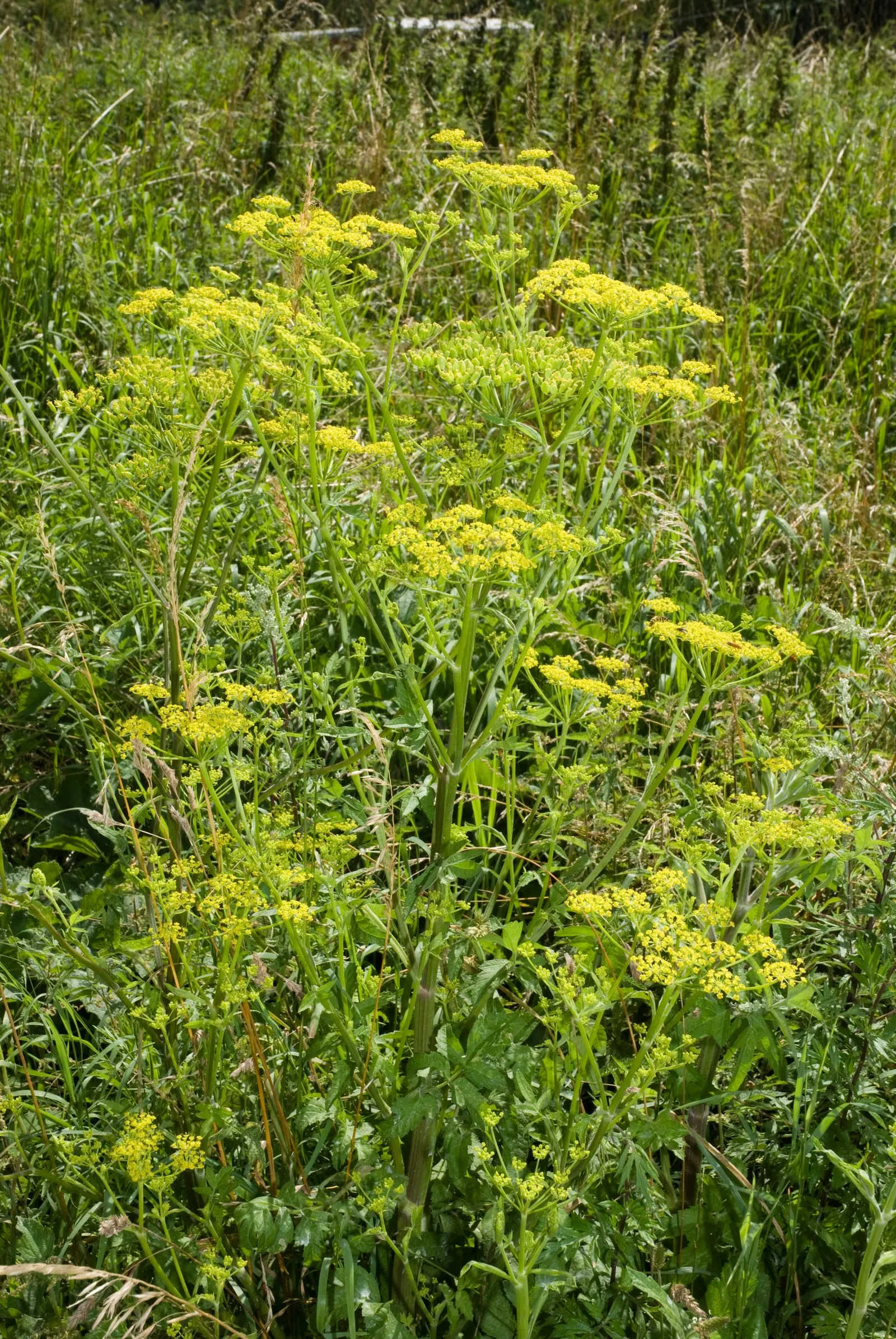
vegetable in zone 5a
Growing parsnip in zone 5a
Pastinaca sativa
- Zone
- 5a -20°F to -15°F
- Growing season
- 150 days
- Suitable varieties
- 2
- Days to harvest
- 120 to 180
The verdict
Zone 5a is a reliable fit for parsnip. Unlike fruit crops, parsnips carry no chill-hour requirement; they are cool-season annuals that thrive where winters are cold and growing seasons run at least 100 to 130 days from direct sowing to harvest. Zone 5a's 150-day growing window is sufficient, though it leaves little margin for a late start. The minimum winter temperatures of -20 to -15°F are irrelevant to parsnip performance since roots are typically harvested before hard freeze sets in, or mulched heavily and left for an overwintered harvest. The real advantage of zone 5a is its reliable fall frost, which converts starches in the roots to sugars and significantly improves flavor. Growers who time their sowing correctly will find zone 5a a sweet spot rather than a marginal one. Hollow Crown and Andover both perform consistently in this range.
Recommended varieties for zone 5a
2 cultivars suited to this zone, with disease-resistance and zone-fit annotations.
| Variety | Notes | Zone fit | Disease resistance |
|---|---|---|---|
| Hollow Crown fits zone 5a | Sweet (especially after frost), nutty, complex; long tapered cream-colored roots. Roasting, mashing, soups, gratins. Heritage variety, very cold-hardy, sweetens dramatically with frost. | | none noted |
| Andover fits zone 5a | Sweet, smooth, refined flavor; long uniform roots well-suited to deeper soils. Roasting, soups, mashing. Productive modern variety with good disease resistance. | | none noted |
Critical timing for zone 5a
Parsnip seed goes into the ground as early as the soil can be worked, typically late March to mid-April in zone 5a. Germination is slow under any conditions, often 14 to 21 days even with fresh seed and adequate soil moisture. That slow start is why early planting matters: the crop needs the full growing season. Roots reach harvestable size in 100 to 130 days depending on variety and conditions, putting first harvest in late July through August, but flavor peaks after the first hard frost in October. Late spring frosts, a known zone 5a hazard, pose some risk to young seedlings if an unusually cold event follows germination; row cover during the seedling stage reduces that exposure.
Common challenges in zone 5a
- ▸ Fire blight in pears
- ▸ Cedar-apple rust
- ▸ Late spring frosts
Modified care for zone 5a
The most important adjustment in zone 5a is planting early and not waiting for warm soil. Parsnip germinates slowly, and any delay compresses the harvest window. Keeping the seed bed consistently moist during the long germination period is critical; a dry crust can prevent emergence entirely. For growers who want to extend harvest into November or December, a 6-inch layer of straw mulch applied after the first frost insulates the soil and keeps roots accessible when the ground would otherwise freeze solid. No special disease pressure adjustments are required for parsnip in zone 5a beyond standard crop rotation to reduce soilborne issues. The zone's cool summers also help avoid the bolting risk that shortens parsnip root development in warmer regions.
Frequently asked questions
- Can parsnip survive zone 5a winters in the ground?
Parsnip roots can remain in the ground through light frosts and benefit from the cold sweetening effect, but zone 5a winters (-20 to -15°F) will freeze the soil solid without protection. A thick straw mulch applied before hard freeze allows roots to be harvested through late fall and into early winter in most years.
- Which parsnip variety does better in zone 5a: Hollow Crown or Andover?
Both varieties are suited to zone 5a. Hollow Crown is the traditional open-pollinated standard with a long, tapered root; Andover is a more uniform hybrid that resists canker more reliably. Where canker pressure is low, either performs well. Andover is the more consistent choice where wet soils are a factor.
- Why is parsnip germination so slow in zone 5a springs?
Parsnip seed has naturally low germination vigor even under ideal conditions, and cold spring soils slow it further. Soil temperature below 50°F extends germination to 3 weeks or more. Using fresh seed each season and keeping the seedbed moist are the two most effective ways to improve germination rates.
+−
+−
+−
Parsnip in adjacent zones
Image: "Pastinaca sativa vallee-de-grace-amiens 80 21072007 4", by Olivier Pichard, via Wikimedia Commons, licensed under CC-BY Source.

Related