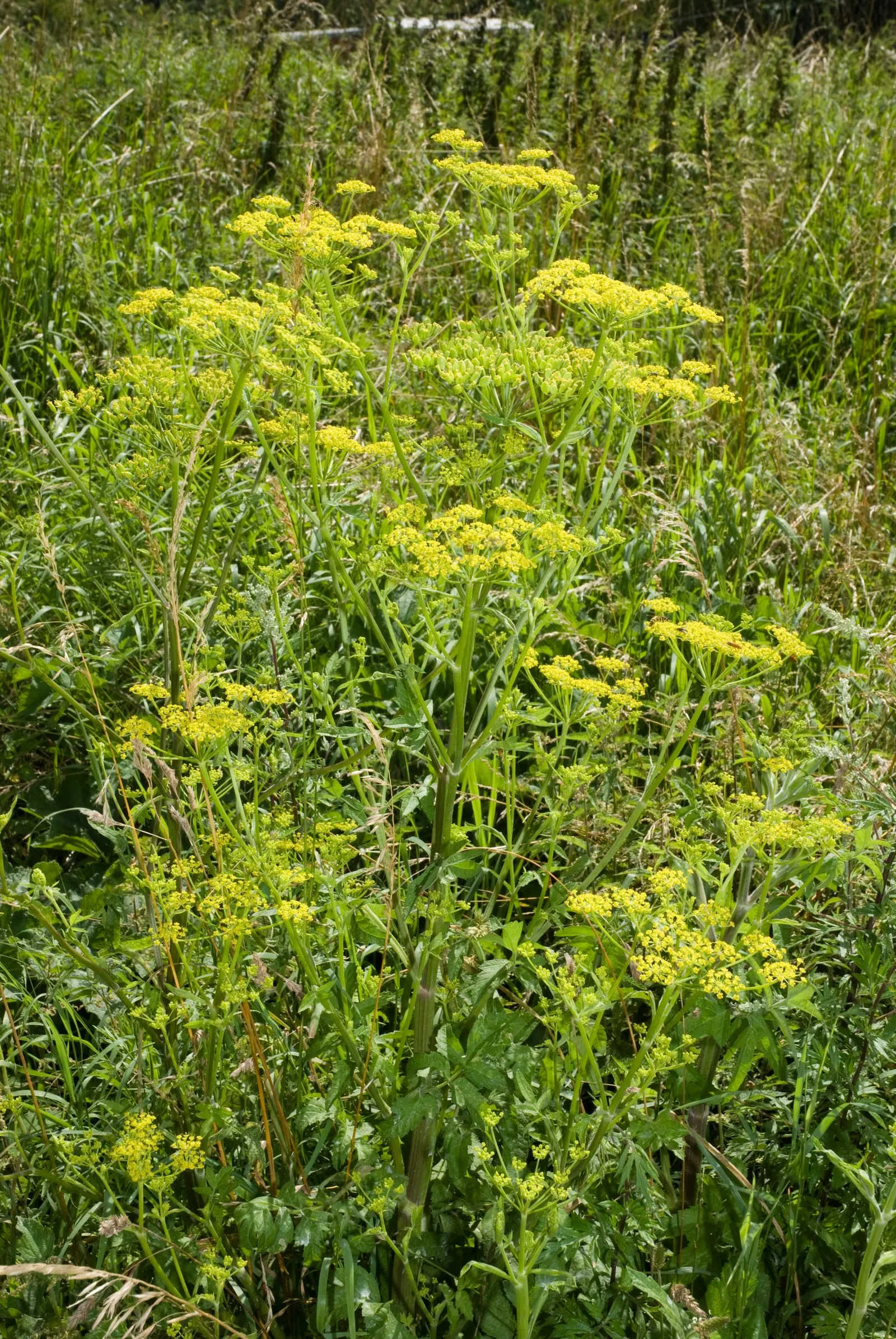
vegetable in zone 5b
Growing parsnip in zone 5b
Pastinaca sativa
- Zone
- 5b -15°F to -10°F
- Growing season
- 165 days
- Suitable varieties
- 2
- Days to harvest
- 120 to 180
The verdict
Parsnip is well-suited to zone 5b and performs best in climates with long, cool growing seasons. With 165 frost-free days and winter lows between -15 and -10°F, zone 5b sits near the center of parsnip's productive range, not at its margins. The crop requires roughly 100 to 120 days to reach harvest size from direct sowing, leaving a comfortable buffer within the zone's season. More importantly, parsnip roots benefit from exposure to temperatures near or just below freezing, which converts starches to sugars and dramatically improves flavor. Zone 5b's reliable fall frosts provide exactly this conditioning naturally. Chill hours in the fruit-tree sense are not a factor for root production; parsnips are grown as annuals for the table. The two recommended varieties, Hollow Crown and Andover, are both cold-tolerant selections with a long record in northern production zones, so neither presents adaptation concerns here.
Recommended varieties for zone 5b
2 cultivars suited to this zone, with disease-resistance and zone-fit annotations.
| Variety | Notes | Zone fit | Disease resistance |
|---|---|---|---|
| Hollow Crown fits zone 5b | Sweet (especially after frost), nutty, complex; long tapered cream-colored roots. Roasting, mashing, soups, gratins. Heritage variety, very cold-hardy, sweetens dramatically with frost. | | none noted |
| Andover fits zone 5b | Sweet, smooth, refined flavor; long uniform roots well-suited to deeper soils. Roasting, soups, mashing. Productive modern variety with good disease resistance. | | none noted |
Critical timing for zone 5b
Direct sow parsnip seed 3 to 4 weeks before the average last frost date, which falls between late April and early May across most of zone 5b. Germination is notoriously slow, typically 14 to 21 days even in good conditions, so earlier sowing gives the crop a meaningful head start. At 100 to 120 days to maturity, spring-sown roots reach harvest size by late August or September. Many growers deliberately leave the roots in the ground until after the first hard frost in October, at which point flavor improves noticeably. Roots can remain in the ground under mulch through much of November in zone 5b without significant quality loss. Parsnip does not have a bloom window relevant to root-crop timing; flowering occurs only in the second year if plants are allowed to overwinter, which is not the standard management approach.
Common challenges in zone 5b
- ▸ Plum curculio
- ▸ Codling moth
- ▸ Cedar-apple rust
Modified care for zone 5b
In zone 5b, the primary management adjustment is soil preparation depth. Parsnip develops long taproots, and compacted or stony soil causes forking and stunted roots regardless of variety. Loosen the bed to at least 12 to 15 inches before sowing. Once fall frosts arrive, apply 4 to 6 inches of straw mulch over the row if the intent is to extend harvest into November or hold roots through early winter. Without mulch, the soil surface can freeze hard enough to make digging difficult, though the roots themselves tolerate moderate freezing. Zone 5b's disease list for fruit crops (plum curculio, codling moth, cedar-apple rust) does not apply to parsnip; those pests and pathogens target tree fruits. The more relevant concern for parsnip in this climate is canker caused by Itersonilia pastinacae during wet falls, though no outbreak data specific to zone 5b was available for this page.
Frequently asked questions
- Can parsnip roots stay in the ground over winter in zone 5b?
Roots can survive light winters in zone 5b under 4 to 6 inches of straw mulch, but zone 5b's potential lows of -15°F can damage unprotected roots. Heavy mulching extends the harvest window into late fall reliably; leaving roots through a full zone 5b winter carries risk and is not recommended without additional protection.
- Why do parsnip roots taste sweeter after frost?
Sustained temperatures near freezing trigger enzymatic conversion of stored starches into simpler sugars. Zone 5b's consistent October frosts provide this conditioning naturally. Roots harvested before the first hard frost will have noticeably less sweetness than those left in the ground for 2 to 3 weeks after frost sets in.
- Which variety is better for zone 5b, Hollow Crown or Andover?
Both varieties perform well in zone 5b. Hollow Crown produces longer, more tapered roots and has a longer production history in northern climates. Andover is shorter and more uniform, which can be an advantage in heavier soils where long roots are prone to forking.
+−
+−
+−
Parsnip in adjacent zones
Image: "Pastinaca sativa vallee-de-grace-amiens 80 21072007 4", by Olivier Pichard, via Wikimedia Commons, licensed under CC-BY Source.

Related