vegetable in zone 3b
Growing parsnip in zone 3b
Pastinaca sativa
- Zone
- 3b -35°F to -30°F
- Growing season
- 100 days
- Suitable varieties
- 2
- Days to harvest
- 120 to 180
The verdict
Zone 3b, with minimum temperatures reaching -35 to -30°F and a growing season of roughly 100 days, is a workable but compressed environment for parsnip. Unlike fruit trees, parsnip carries no chill-hour requirement; it is an annual root crop, and cold exposure is an asset rather than a metric to match. Hard frost in fall triggers enzymatic conversion of root starches to sugars, which is when parsnip flavor peaks. Zone 3b reliably delivers that conditioning.
The real constraint is time. Hollow Crown typically needs 110 to 120 days to a harvestable root. Andover matures closer to 100 to 110 days. Against a 100-day season, Hollow Crown offers little margin and Andover becomes the more dependable choice. This is not a marginal zone in the sense of frost tenderness, parsnip tolerates hard frost well, but the compressed timeline demands early, precise planting. Growers who sow on schedule and choose the right variety can expect a reliable harvest.
Recommended varieties for zone 3b
2 cultivars suited to this zone, with disease-resistance and zone-fit annotations.
| Variety | Notes | Zone fit | Disease resistance |
|---|---|---|---|
| Hollow Crown fits zone 3b | Sweet (especially after frost), nutty, complex; long tapered cream-colored roots. Roasting, mashing, soups, gratins. Heritage variety, very cold-hardy, sweetens dramatically with frost. | | none noted |
| Andover fits zone 3b | Sweet, smooth, refined flavor; long uniform roots well-suited to deeper soils. Roasting, soups, mashing. Productive modern variety with good disease resistance. | | none noted |
Critical timing for zone 3b
Sow seed directly as soon as the soil is workable in spring, typically late April to early May in zone 3b. Some frost risk remains at that point, but parsnip seed tolerates cool soil and light frost will not harm ungerminated seed. Germination is slow: expect 14 to 21 days when soil temperatures hover above 50°F. Any delay in sowing directly shortens the root development window.
Roots reach harvestable size in September through October. Zone 3b's first fall frost typically arrives in mid-to-late September, which aligns usefully with the sugar-development phase; roots harvested before any frost are edible but noticeably less sweet. Parsnip is a biennial that flowers in its second year, but overwintering roots in zone 3b for seed production is unreliable without heavy mulch and is not standard practice for food production.
Common challenges in zone 3b
- ▸ Short season
- ▸ Winter desiccation
- ▸ Site selection critical for fruit trees
Modified care for zone 3b
The primary adjustment in zone 3b is early, aggressive sowing. Sowing under row cover in late April, before the last frost date has passed, is reasonable given parsnip's slow germination rate and limited days to maturity. Every week of delay in spring is a week lost at the harvest end.
Andover is the better variety selection here. Its shorter days-to-maturity provides a meaningful buffer against early fall frosts cutting the season short before roots are fully developed.
Winter desiccation is a documented zone 3b challenge. Roots left in the ground for extended storage can be protected with 12 to 18 inches of straw or shredded leaf mulch applied before the ground freezes hard, but outcomes are inconsistent. Harvesting in fall and storing roots in a cool, humid root cellar is the more reliable approach. No significant disease pressure is documented for parsnip in this zone, so standard soil preparation and spacing practices apply without modification.
Frequently asked questions
- Can parsnips be overwintered in the ground in zone 3b?
With 12 to 18 inches of straw mulch applied before the ground freezes, some roots survive for delayed harvest in early winter. Success is inconsistent because desiccating winter winds and prolonged frozen ground can damage roots. Harvesting in fall and storing in a cool, humid root cellar is more dependable.
- Why do parsnips taste sweeter after frost in zone 3b?
Cold temperatures below about 40°F trigger enzymatic breakdown of starches stored in the root into simple sugars. Zone 3b's mid-to-late September frosts provide this naturally. Roots harvested before any frost exposure are edible but noticeably starchier.
- Should parsnips be started indoors to gain time in a short season?
Parsnip is not well suited to transplanting. The long taproot deforms or breaks during transplanting, reducing root quality and sometimes yield. Direct seeding into deeply worked soil as early as the ground can be worked in spring is the standard approach, even in short-season zones.
- Which variety performs better in zone 3b, Hollow Crown or Andover?
Andover is the stronger choice for zone 3b. Its shorter days-to-maturity (roughly 100 to 110 days versus 110 to 120 for Hollow Crown) provides a buffer against early fall frosts terminating root development before the crop is ready.
+−
+−
+−
+−
Parsnip in adjacent zones
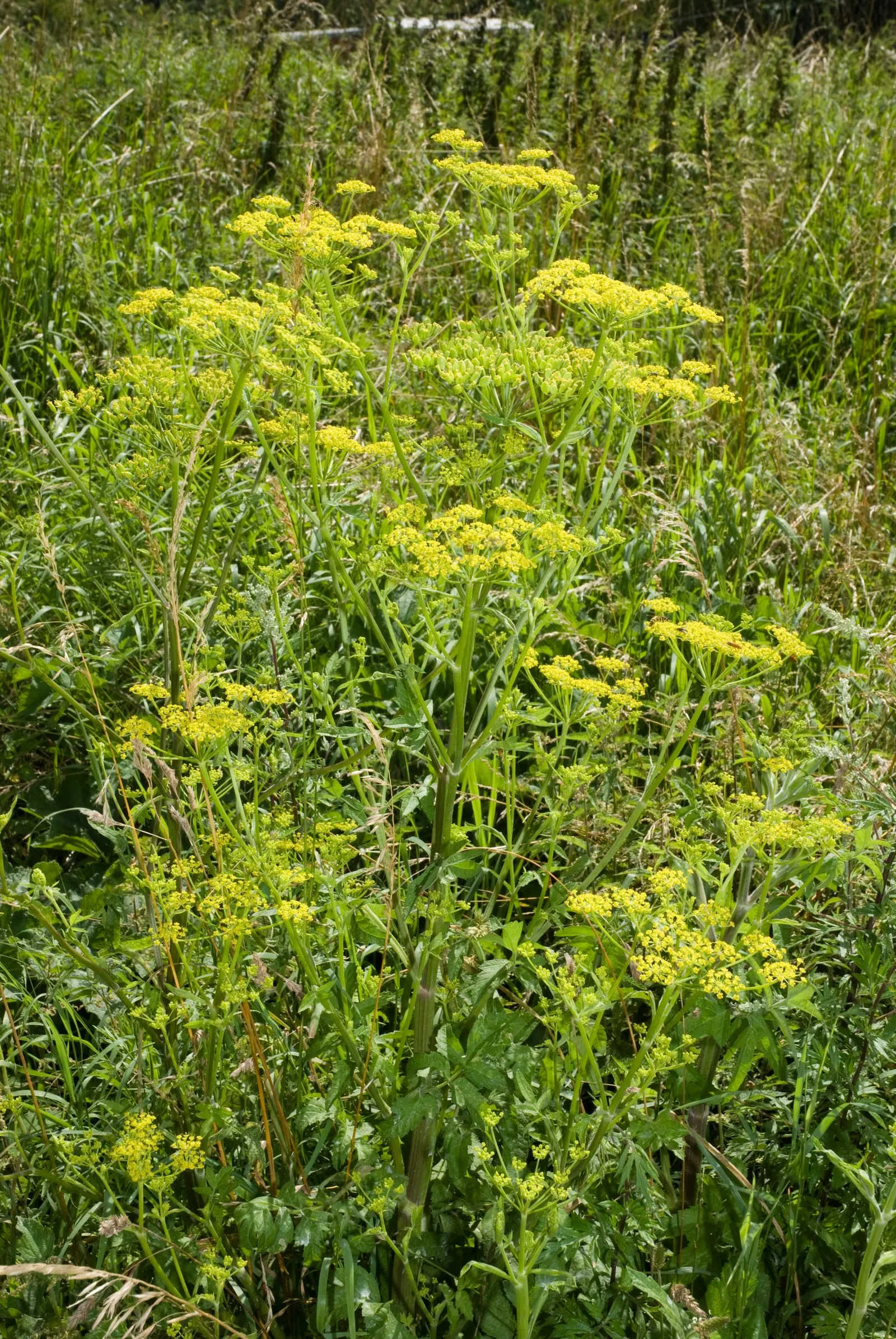
Image: "Pastinaca sativa vallee-de-grace-amiens 80 21072007 4", by Olivier Pichard, via Wikimedia Commons, licensed under CC-BY Source.

Related