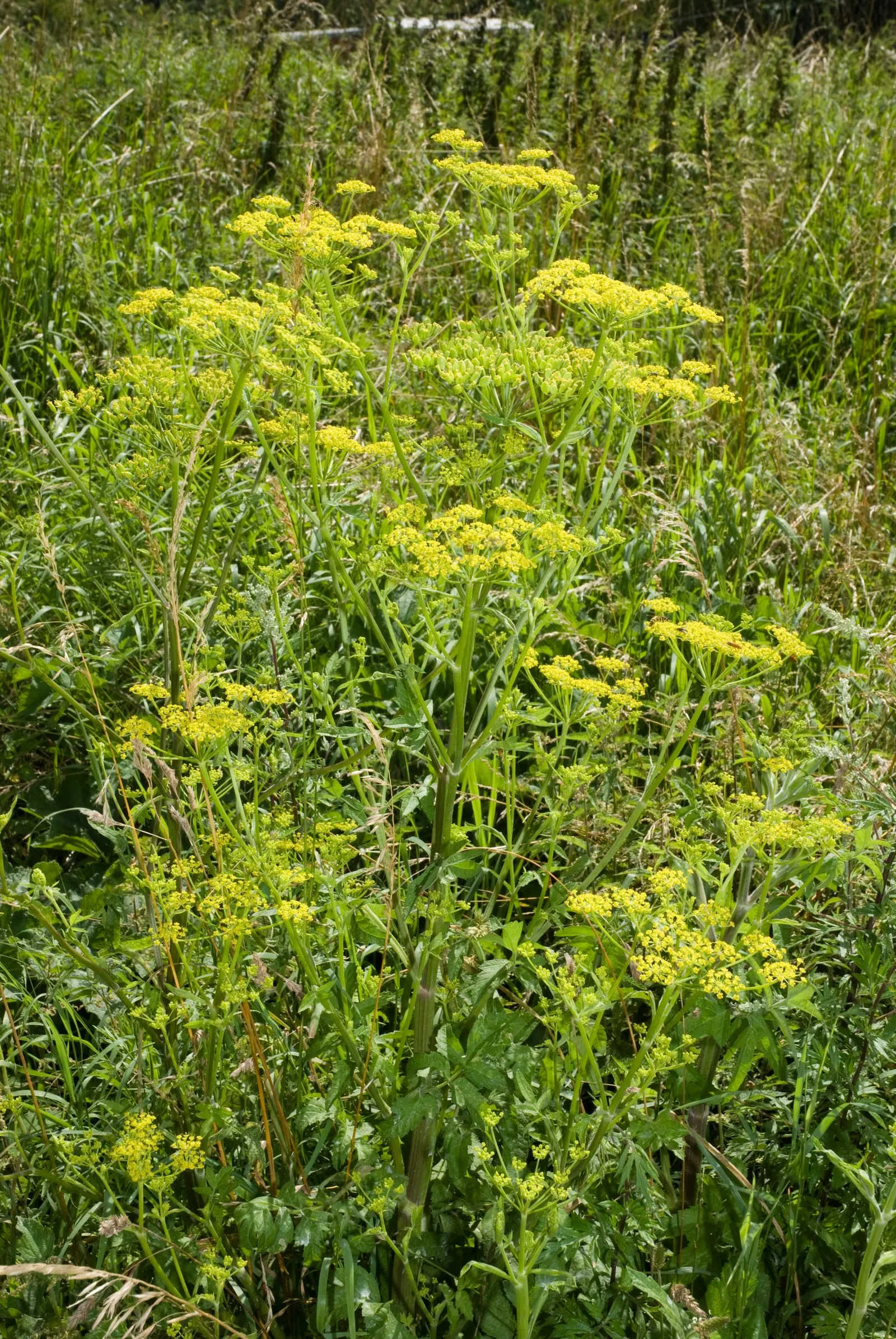
vegetable in zone 3a
Growing parsnip in zone 3a
Pastinaca sativa
- Zone
- 3a -40°F to -35°F
- Growing season
- 90 days
- Suitable varieties
- 1
- Days to harvest
- 120 to 180
The verdict
Parsnip is a viable crop in zone 3a, though the 90-day growing season makes it tight. Unlike fruit trees, parsnips have no chill-hour requirement; the relevant constraint is days to maturity. Hollow Crown, the standard open-pollinated variety available for this zone, typically reaches harvest in 100 to 120 days under good conditions. That puts zone 3a at the marginal edge: a warm, uninterrupted season can squeeze it through, but a late spring or a cool, cloudy August raises real risk of underdeveloped roots.
The cold itself is not the enemy. Parsnips convert starches to sugars after frost exposure, and the flavor of a zone 3a root pulled in October after several hard freezes is often better than one harvested in warmer climates before cold sets in. The challenge is accumulating enough growing days before that first fall frost arrives.
Recommended varieties for zone 3a
1 cultivar suited to this zone, with disease-resistance and zone-fit annotations.
| Variety | Notes | Zone fit | Disease resistance |
|---|---|---|---|
| Hollow Crown fits zone 3a | Sweet (especially after frost), nutty, complex; long tapered cream-colored roots. Roasting, mashing, soups, gratins. Heritage variety, very cold-hardy, sweetens dramatically with frost. | | none noted |
Critical timing for zone 3a
Direct sow as soon as the soil can be worked in spring, typically late April to early May in zone 3a once soil temperatures reach at least 50°F. Germination is slow under cool conditions (14 to 21 days is common) and parsnip seed viability drops quickly, so use fresh seed each year. With a last spring frost typically in mid-May and a first fall frost arriving by early September, the effective window runs roughly 100 to 110 days. Harvest begins after the first hard frost in September, which sweetens the roots. Roots can remain in the ground through early October if mulched heavily, extending the usable harvest window by two to three weeks.
Common challenges in zone 3a
- ▸ Very short growing season
- ▸ Late spring frosts
- ▸ Limited fruit-tree options
- ▸ Heavy mulching required
Modified care for zone 3a
The primary adaptation in zone 3a is maximizing every available growing day. Sow under row cover in late April to capture two to three weeks of warming before the last frost risk passes. Keep row covers on hand through May to protect seedlings from late spring frosts, which are a documented challenge in this zone.
After the first fall frost, apply 6 to 8 inches of straw or shredded leaves over the bed. This insulates the soil and delays hard freezing, allowing roots to remain harvestable into October rather than being locked in frozen ground. Harvest before the ground freezes solid; zone 3a soils can freeze to several inches deep by November, making root extraction difficult without damage.
Disease pressure is not a significant concern based on available data for this zone. The short, dry-ish summers typical of northern continental climates limit the leaf blights that trouble parsnip in wetter regions.
Frequently asked questions
- Can parsnip actually mature in zone 3a's 90-day growing season?
It depends on the season and timing. Hollow Crown needs 100 to 120 days to full maturity, which is longer than zone 3a's average frost-free window. Sowing as early as late April under row cover and leaving roots in the ground past the first fall frost gives the best chance of a usable harvest, even if roots are smaller than in longer-season zones.
- Does frost hurt parsnip roots left in the ground?
Light to moderate frost actually improves flavor by converting root starches to sugars. Roots tolerate temperatures well below freezing. The risk is not frost itself but the ground freezing solid, which makes harvest impossible without damaging the roots. Heavy mulching delays that threshold by several weeks.
- Why use fresh parsnip seed every year?
Parsnip seed loses viability rapidly, often dropping below 50 percent germination after one year of storage. In a short growing season, poor germination rates waste critical early-season weeks. Purchasing new seed each spring is a reliable way to maintain acceptable germination.
+−
+−
+−
Parsnip in adjacent zones
Image: "Pastinaca sativa vallee-de-grace-amiens 80 21072007 4", by Olivier Pichard, via Wikimedia Commons, licensed under CC-BY Source.

Related