vegetable in zone 7b
Growing parsnip in zone 7b
Pastinaca sativa
- Zone
- 7b 5°F to 10°F
- Growing season
- 220 days
- Suitable varieties
- 0
- Days to harvest
- 120 to 180
The verdict
Parsnip is a cool-season root crop that tolerates zone 7b's winters well but struggles with its summers. The minimum winter temperatures of 5 to 10°F cause no meaningful harm to established roots mulched in the ground, and a hard frost actually improves the crop, triggering starch-to-sugar conversion that sweetens the flavor. The 220-day growing season is long enough to support parsnip's 100 to 130 days to maturity, but that length cuts both ways: the same season that gives ample time also includes extended periods of heat that parsnip cannot tolerate. Zone 7b is not a marginal zone in terms of cold hardiness, but it is a marginal zone in terms of summer heat. Reliable success requires working around the hot months rather than through them. Growers who time plantings to mature in cool weather will find parsnip performs well; those who treat it like a spring crop sown in April and harvested in July will find it bolts, forks, and produces poor-quality roots.
Critical timing for zone 7b
The most reliable planting window in zone 7b is late July through mid-August for a fall and winter harvest. Seeds sown in this window germinate in still-warm soil, establish before the first hard freeze, and reach harvestable size after temperatures drop. Harvest typically runs from late November through February, with quality peaking after several hard frosts. A second option is early spring sowing, as soon as soil is workable in late February or early March, targeting harvest before heat arrives in late May. Spring-planted parsnips are a tighter window and more likely to bolt if temperatures rise quickly. Zone 7b's last spring frost typically falls between late March and mid-April; parsnip planted in early March will be growing actively through that frost period, which it tolerates without damage.
Common challenges in zone 7b
- ▸ Cedar-apple rust pressure heavy in piedmont
- ▸ Japanese beetles
- ▸ Brown marmorated stink bug
- ▸ Late summer disease pressure
Modified care for zone 7b
The primary adaptation in zone 7b is avoiding midsummer entirely. Seeds sown in summer heat germinate slowly and unevenly; transplants are not practical because parsnip does not recover well from root disturbance. Germination in late July can still be challenging: covering the seeded bed with burlap or a shade cloth for the first two to three weeks helps retain moisture and moderate soil temperature. Once roots are established heading into fall, apply 3 to 4 inches of straw mulch before the first hard freeze to extend harvestability through January and February. Brown marmorated stink bug, which is present throughout the piedmont, can puncture roots late in the season; row cover left on through harvest helps. Japanese beetle pressure peaks in June and July, largely missing the fall crop cycle, but any spring planting will overlap with emergence and may require hand-picking.
Frequently asked questions
- Can parsnip be left in the ground over winter in zone 7b?
Yes. Zone 7b's minimum temperatures of 5 to 10°F are well within the range parsnip roots tolerate in the ground. Mulch with 3 to 4 inches of straw before the coldest stretches to keep soil from freezing solid, which makes digging easier and protects root quality.
- Why do parsnips taste sweeter after a frost in zone 7b?
Cold temperatures trigger enzymatic conversion of stored starches into sugars, a natural response the plant uses as a kind of biological antifreeze. Roots harvested after several nights below 28°F are measurably sweeter than those pulled before any frost. Zone 7b's fall and winter frosts make this effect reliable for a fall-planted crop.
- Is spring or fall planting better for zone 7b?
Fall planting (late July to mid-August) is generally more reliable. It avoids summer germination failure, aligns the harvest window with frost-sweetening conditions, and sidesteps the Japanese beetle pressure that coincides with a spring crop's peak growth.
+−
+−
+−
Parsnip in adjacent zones
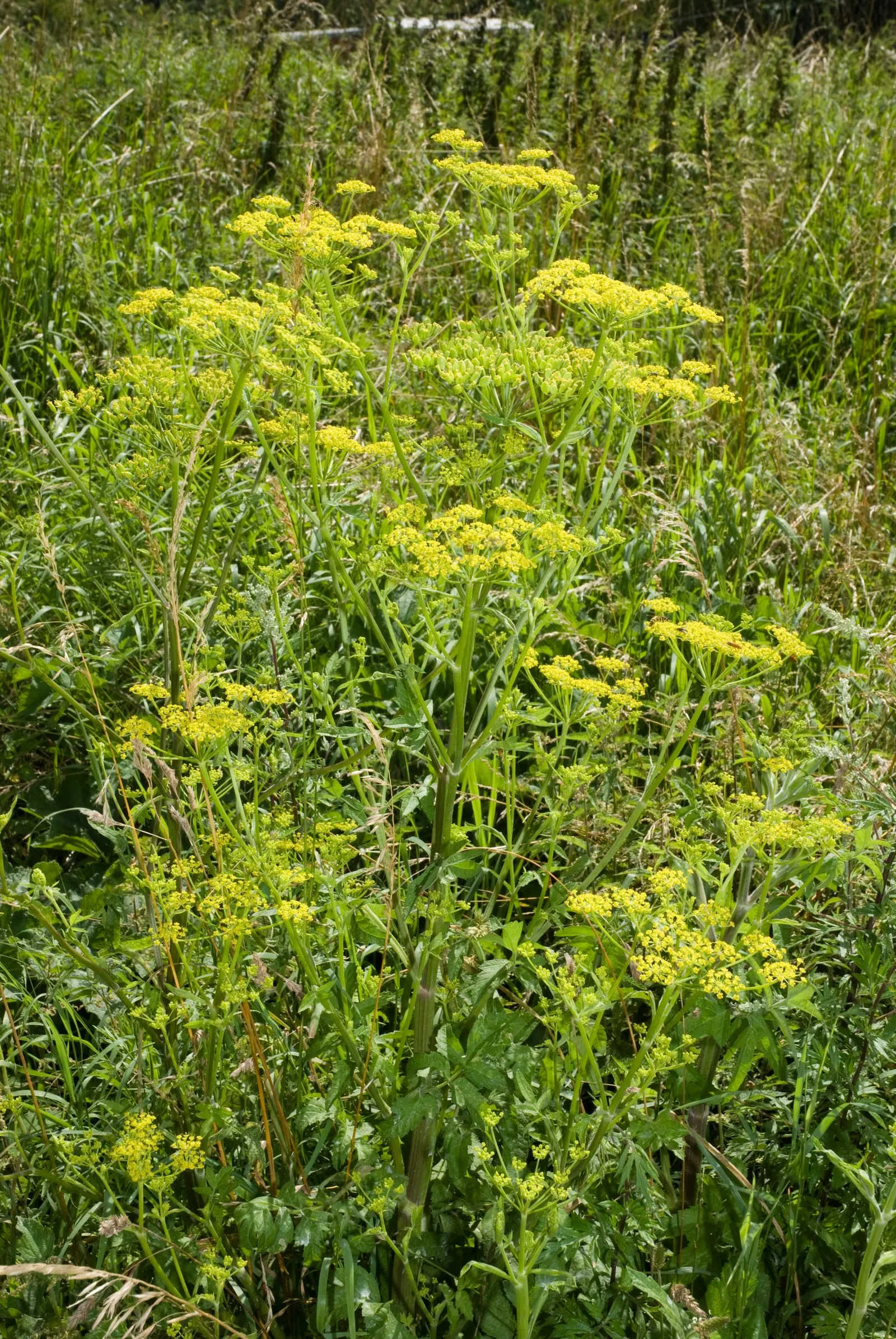
Image: "Pastinaca sativa vallee-de-grace-amiens 80 21072007 4", by Olivier Pichard, via Wikimedia Commons, licensed under CC-BY Source.

Related