vegetable in zone 8a
Growing parsnip in zone 8a
Pastinaca sativa
- Zone
- 8a 10°F to 15°F
- Growing season
- 240 days
- Suitable varieties
- 0
- Days to harvest
- 120 to 180
The verdict
Parsnip is a marginal crop in zone 8a, workable with careful timing but not a natural fit. The core tension is that parsnip is a cool-season root vegetable that requires a long development window (100 to 130 days to maturity) and benefits from light frosts to convert root starches to sugars. Zone 8a's hot summers, which regularly push soil temperatures above 65°F for months at a stretch, are the main obstacle. Root development stalls in warm soil, and prolonged heat stress causes foliage dieback before roots size up.
On the other side of the ledger, zone 8a's mild winters (minimum temperatures of 10 to 15°F) are genuinely useful for this crop. Roots left in the ground through December and January will experience the moderate freezes that trigger the starch-to-sugar conversion that makes parsnip worth growing. The 240-day growing season is long enough to support a fall-to-winter production window, which is the only practical approach here. Growers expecting to treat parsnip as a spring or summer crop will be disappointed.
Critical timing for zone 8a
Fall planting is the only viable timing strategy in zone 8a. Direct-sow seeds from mid-August through mid-September, targeting a soil temperature below 70°F at the 2-inch depth. With 100 to 130 days to maturity, an August sowing places harvest between late November and early February, squarely in zone 8a's coolest months.
Germination in late-summer heat is the first hurdle. Parsnip seed is notoriously slow under ideal conditions (14 to 21 days at 50 to 65°F) and drops off sharply above that range. Soaking seed for 24 hours before planting and sowing in the early evening when soil has shed some daytime heat improves establishment rates. Expect light frosts from December onward in most zone 8a locations to improve root flavor. Spring planting is not practical: roots sown in late winter will still be sizing up when summer heat arrives, and the flavor and texture of heat-stressed parsnip roots deteriorates significantly.
Common challenges in zone 8a
- ▸ Insufficient chill hours for some apple varieties
- ▸ Pierce's disease in grapes
- ▸ Heat stress on cool-season crops
Modified care for zone 8a
The two adjustments that matter most in zone 8a are shade at planting time and mulch for winter root protection.
At sowing time in August, a temporary shade cloth (30 to 40 percent reduction) stretched over the bed for the first three to four weeks reduces soil temperature enough to meaningfully improve germination rates. Remove the cloth once seedlings have their first true leaves and temperatures begin cooling in October.
At the other end of the season, zone 8a's periodic hard freezes, which can reach 10°F, risk damaging exposed root shoulders. A 3 to 4 inch layer of straw mulch applied over the bed in November protects roots while still allowing the moderate frosts that improve sweetness to penetrate. Avoid heavy clay soils or poorly drained beds: wet, compacted soil through winter promotes crown and root rot. Raised beds with amended, sandy-loam soil are a practical solution for zone 8a gardens where drainage is marginal.
Parsnip in adjacent zones
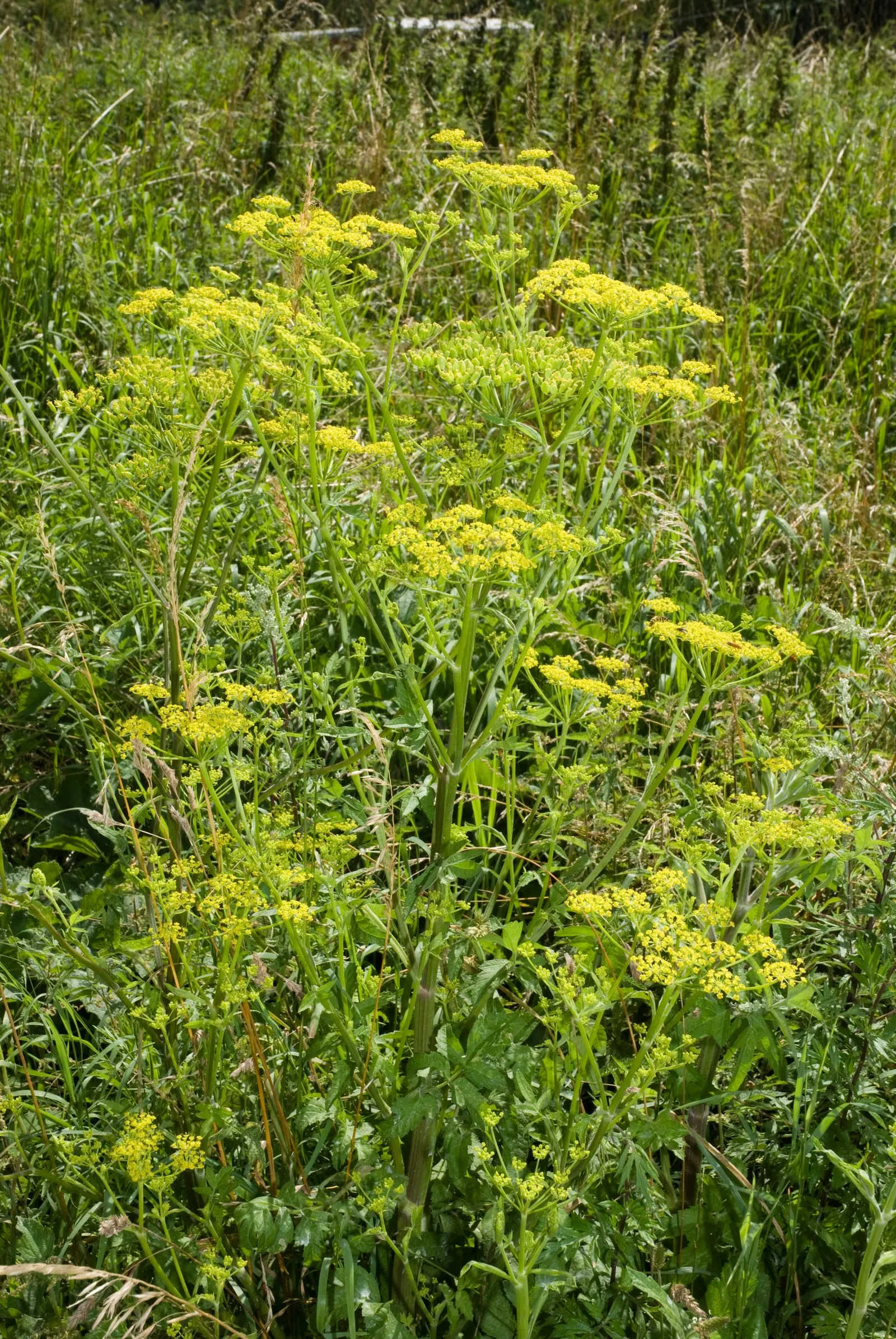
Image: "Pastinaca sativa vallee-de-grace-amiens 80 21072007 4", by Olivier Pichard, via Wikimedia Commons, licensed under CC-BY Source.

Related