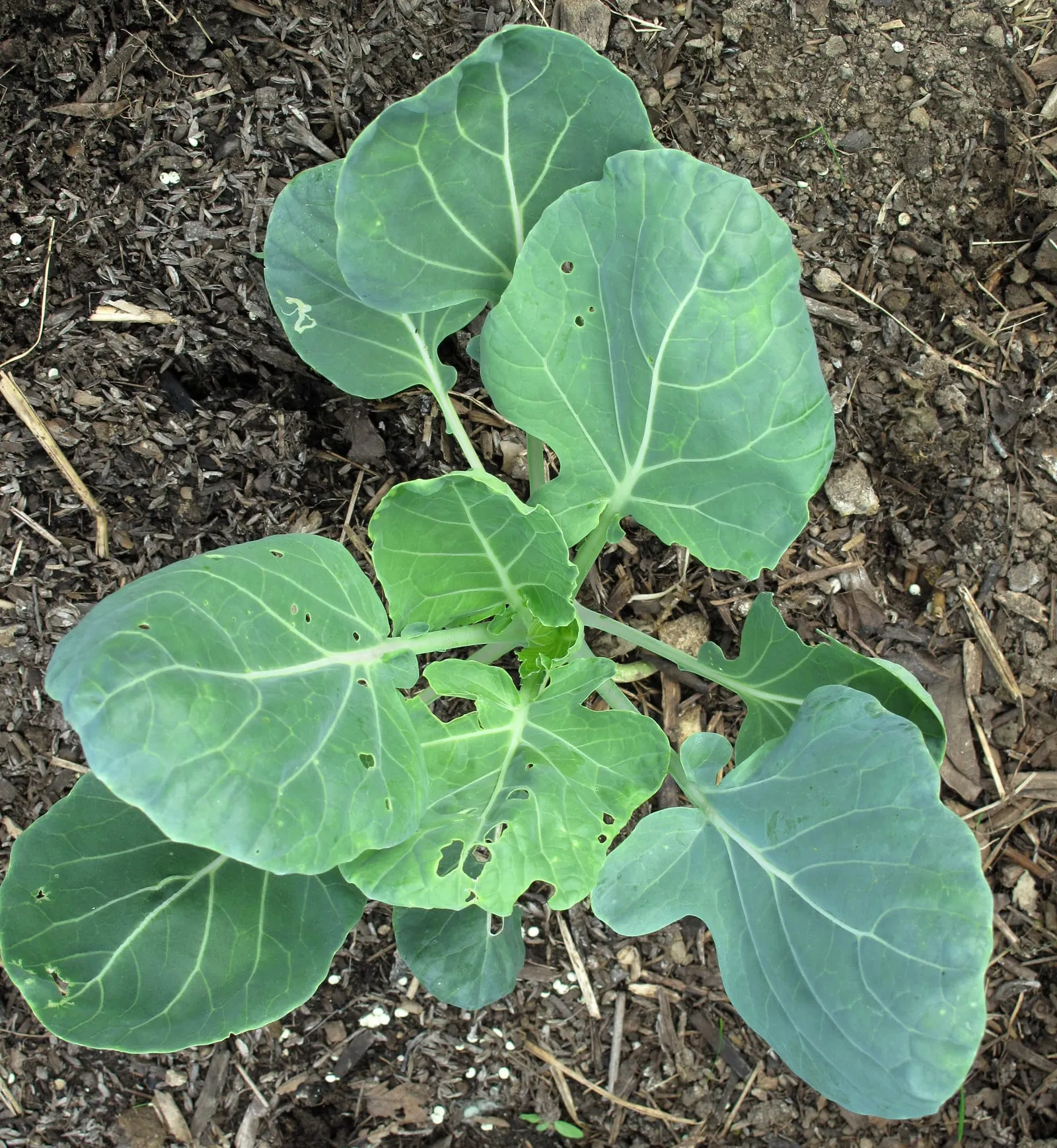
vegetable in zone 6a
Growing brussels sprouts in zone 6a
Brassica oleracea var. gemmifera
- Zone
- 6a -10°F to -5°F
- Growing season
- 180 days
- Suitable varieties
- 3
- Days to harvest
- 90 to 110
The verdict
Zone 6a is a reliable, productive zone for Brussels sprouts, not a marginal one. The crop belongs to the cool-season brassica family and actively benefits from frost exposure late in the season, which converts stored starches to sugars and improves sprout flavor. The 180-day growing season in zone 6a is more than sufficient to bring a fall crop to full maturity.
Chill-hour requirements apply to perennial woody crops, not to annual vegetables like Brussels sprouts. What matters here is the temperature arc through the season: warm enough in summer to establish transplants, then cooling steadily through September and October as the sprouts develop and fill out. Zone 6a delivers exactly that pattern. The minimum winter temperatures (-10 to -5°F) can kill unprotected standing plants left in the ground past December, but this affects harvest timing rather than zone suitability.
Varieties Long Island Improved, Diablo, and Falstaff are well-matched to zone 6a conditions and perform reliably under the region's typical fall cooling pattern.
Recommended varieties for zone 6a
3 cultivars suited to this zone, with disease-resistance and zone-fit annotations.
| Variety | Notes | Zone fit | Disease resistance |
|---|---|---|---|
| Long Island Improved fits zone 6a | Sweet after frost, classic mild flavor; small dense sprouts on tall stalk. Roasting, sauteing, halved on the grill. Heritage open-pollinated, dependable home-garden variety. | | none noted |
| Diablo fits zone 6a | Sweet-rich after frost, dense uniform sprouts; the commercial fresh-market hybrid. Roasting, halved with bacon, soups. High yield, holds in field through hard freezes. | | none noted |
| Falstaff fits zone 6a | Sweet, tender, deep purple-red sprouts that hold color when roasted; ornamental as well as edible. Roasting, fresh, raw on platters. | | none noted |
Critical timing for zone 6a
Brussels sprouts in zone 6a are almost always grown as a fall crop. For harvest in October through early November, count back 90 to 100 days from the expected first fall frost (typically mid-October to early November in zone 6a). That puts transplant dates in late July to early August, with seeds started indoors 4 to 6 weeks prior.
The frost intersection is a feature, not a hazard. Light frosts in the 28 to 32°F range trigger flavor development, and sprouts harvested after several frost events are consistently sweeter than those taken earlier. A sustained hard freeze below about 20°F will damage or kill the standing plant, so all sprouts should be harvested before temperatures drop into that range for multiple nights. In zone 6a, the productive harvest window typically runs from mid-October through late November.
Common challenges in zone 6a
- ▸ Brown rot in stone fruit
- ▸ Japanese beetles
- ▸ Spring frost damage to peach buds
Disease pressure to watch for
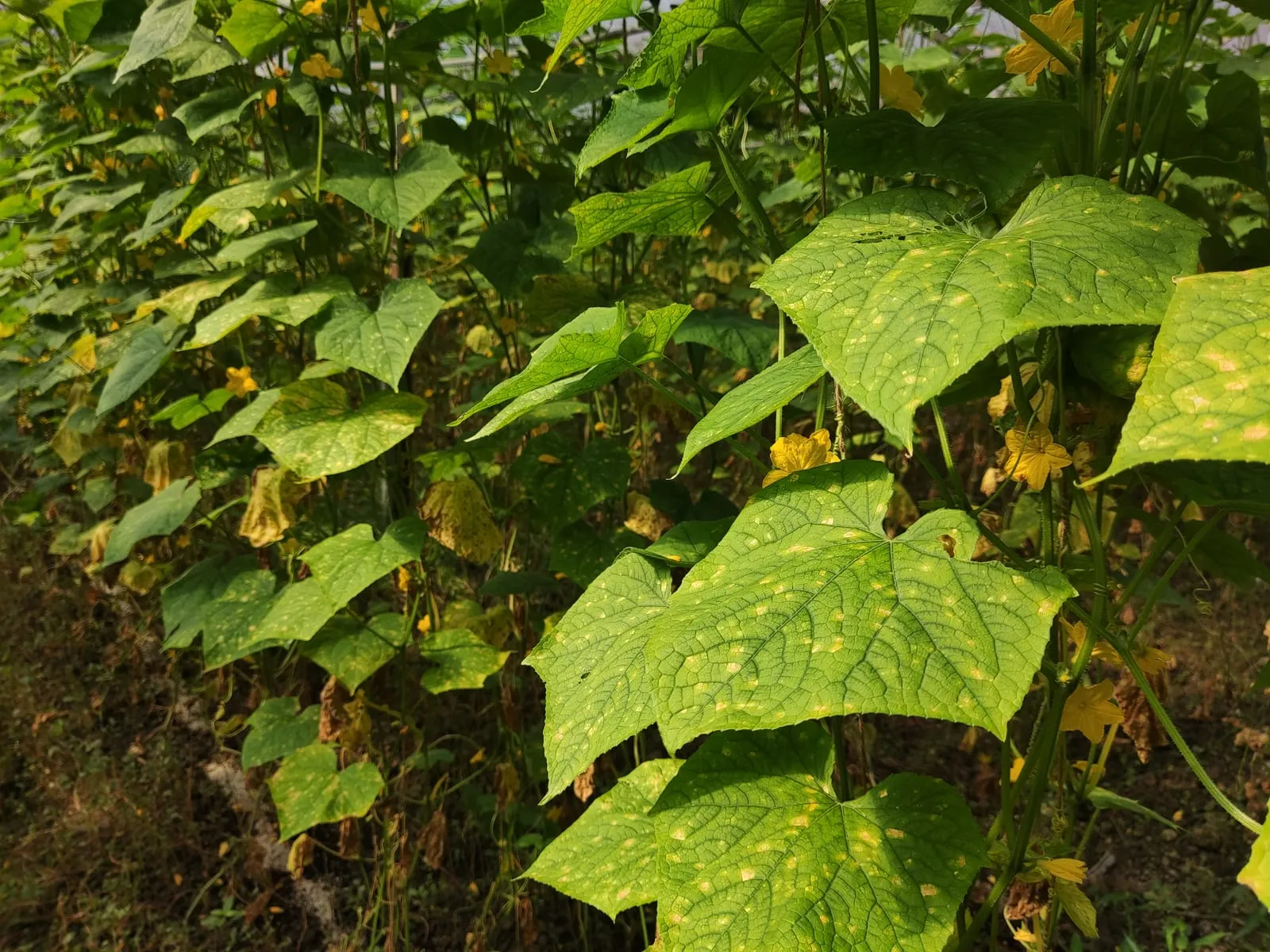
Pseudoperonospora cubensis (cucurbits) and others
Water mold (oomycete, not a true fungus) that thrives in cool damp conditions. Spreads rapidly through cucurbit and brassica plantings on wind-borne spores.
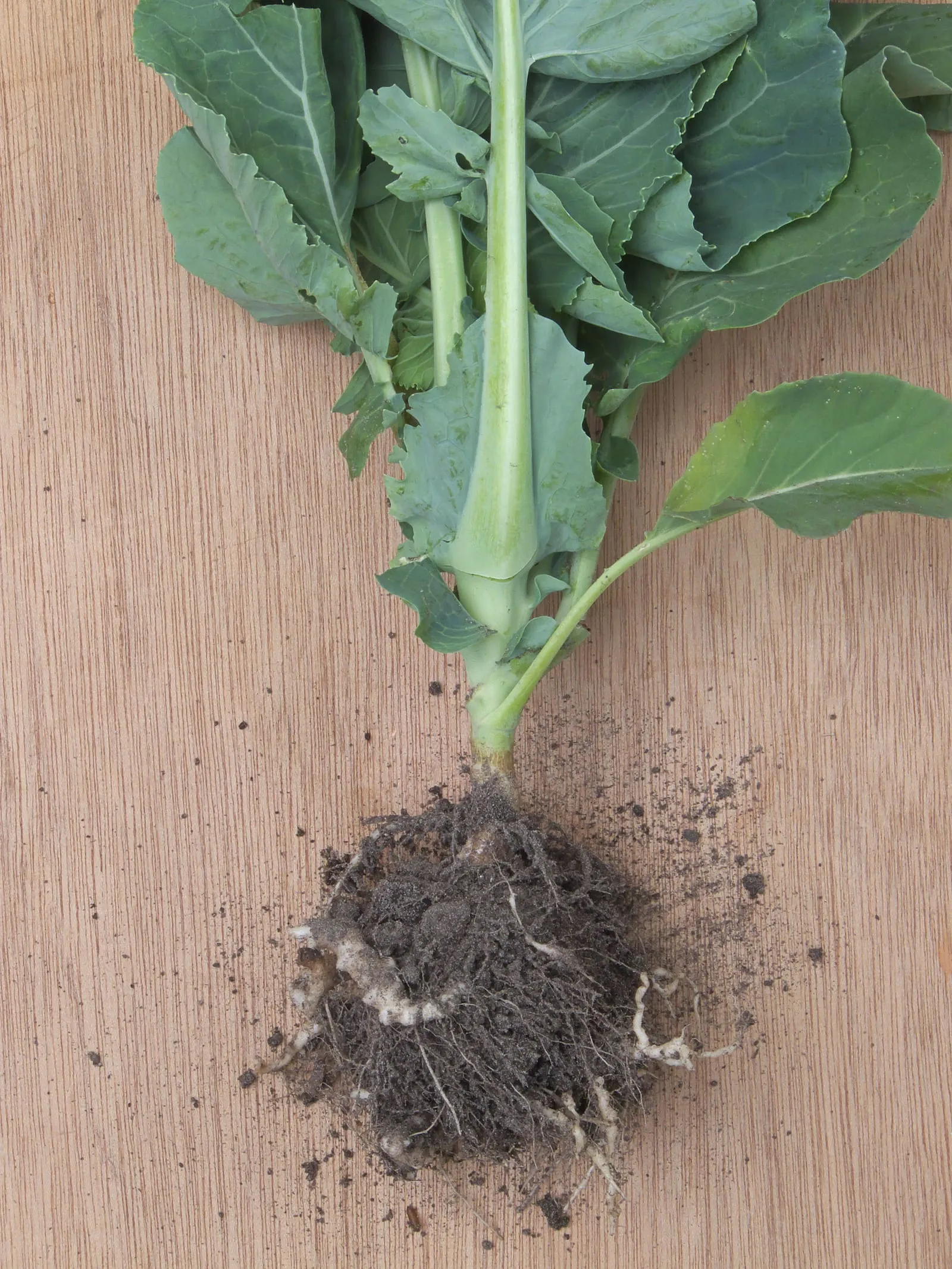
Plasmodiophora brassicae
Soil-borne disease causing characteristic distorted club-shaped roots on brassicas. Persists in soil for 10-20 years; the dominant brassica pathogen in acidic poorly-drained soils.
Modified care for zone 6a
The main timing discipline in zone 6a is getting transplants in the ground by early August at the latest. Miss that window and the plants may still be maturing when hard freezes arrive. Transplants rather than direct sowing compress the early-season timeline and are strongly preferred.
Japanese beetle pressure peaks in mid-summer and coincides directly with when Brussels sprouts transplants are establishing. Row covers or physical inspection and removal are more reliable than spray schedules during this period.
Clubroot is the more serious long-term disease risk. It persists in soil for decades; Brussels sprouts and other brassicas should not return to the same bed for at least 3 to 4 years. Raising soil pH to 7.0 or above with ground limestone reduces clubroot severity. Downy mildew pressure rises in cool, wet autumns; spacing plants at least 18 inches apart and avoiding overhead irrigation in evening hours limits infection rates.
Brussels Sprouts in adjacent zones
Image: "Young brussels sprouts plant", by Downtowngal, via Wikimedia Commons, licensed under CC-BY Source.

Related