vegetable in zone 5b
Growing brussels sprouts in zone 5b
Brassica oleracea var. gemmifera
- Zone
- 5b -15°F to -10°F
- Growing season
- 165 days
- Suitable varieties
- 3
- Days to harvest
- 90 to 110
The verdict
Brussels sprouts are well-suited to zone 5b, closer to a sweet spot than a marginal case. Unlike fruit trees, this crop does not depend on a specific chill-hour accumulation to produce. It is, however, a definitively cool-season vegetable: plants that mature and fill their sprouts during warm weather produce bitter, loose buds, while those that mature in fall cool consistently produce tight, flavorful ones. Zone 5b's 165-day growing season is sufficient for all three of the listed varieties (Long Island Improved, Diablo, Falstaff), though the window requires attention because the crop needs 80 to 100 days from transplant and must finish before hard freezes arrive in earnest.
The cool autumns that characterize zone 5b are an asset. Light frosts convert starches to sugars in the developing sprouts, which is why fall-harvested Brussels sprouts generally taste better than spring-harvested ones. The primary seasonal risk in zone 5b is not winter cold but mid-summer heat stress during the vegetative growth phase, which can slow development and affect bud set.
Recommended varieties for zone 5b
3 cultivars suited to this zone, with disease-resistance and zone-fit annotations.
| Variety | Notes | Zone fit | Disease resistance |
|---|---|---|---|
| Long Island Improved fits zone 5b | Sweet after frost, classic mild flavor; small dense sprouts on tall stalk. Roasting, sauteing, halved on the grill. Heritage open-pollinated, dependable home-garden variety. | | none noted |
| Diablo fits zone 5b | Sweet-rich after frost, dense uniform sprouts; the commercial fresh-market hybrid. Roasting, halved with bacon, soups. High yield, holds in field through hard freezes. | | none noted |
| Falstaff fits zone 5b | Sweet, tender, deep purple-red sprouts that hold color when roasted; ornamental as well as edible. Roasting, fresh, raw on platters. | | none noted |
Critical timing for zone 5b
Brussels sprouts require 80 to 100 days from transplant to harvest. In zone 5b, where the last spring frost typically falls in late April to early May, transplants can go out by mid-May after frost risk passes. For the preferred fall harvest, count back 90 days from the expected first fall frost. Zone 5b's first fall frost typically arrives in early to mid-October, placing the optimal transplant window in late June or early July.
Sprouts mature from the bottom of the stalk upward and can be harvested selectively through October and into November with minimal protection. Unlike flowering crops, Brussels sprouts do not have a bloom window to plan around. Bolting (the plant sending up a seed stalk) is a failure mode triggered by heat stress or inadequate day length, not a phenological milestone. The goal is to keep the plant in vegetative production through the cool-season window zone 5b reliably provides.
Common challenges in zone 5b
- ▸ Plum curculio
- ▸ Codling moth
- ▸ Cedar-apple rust
Disease pressure to watch for
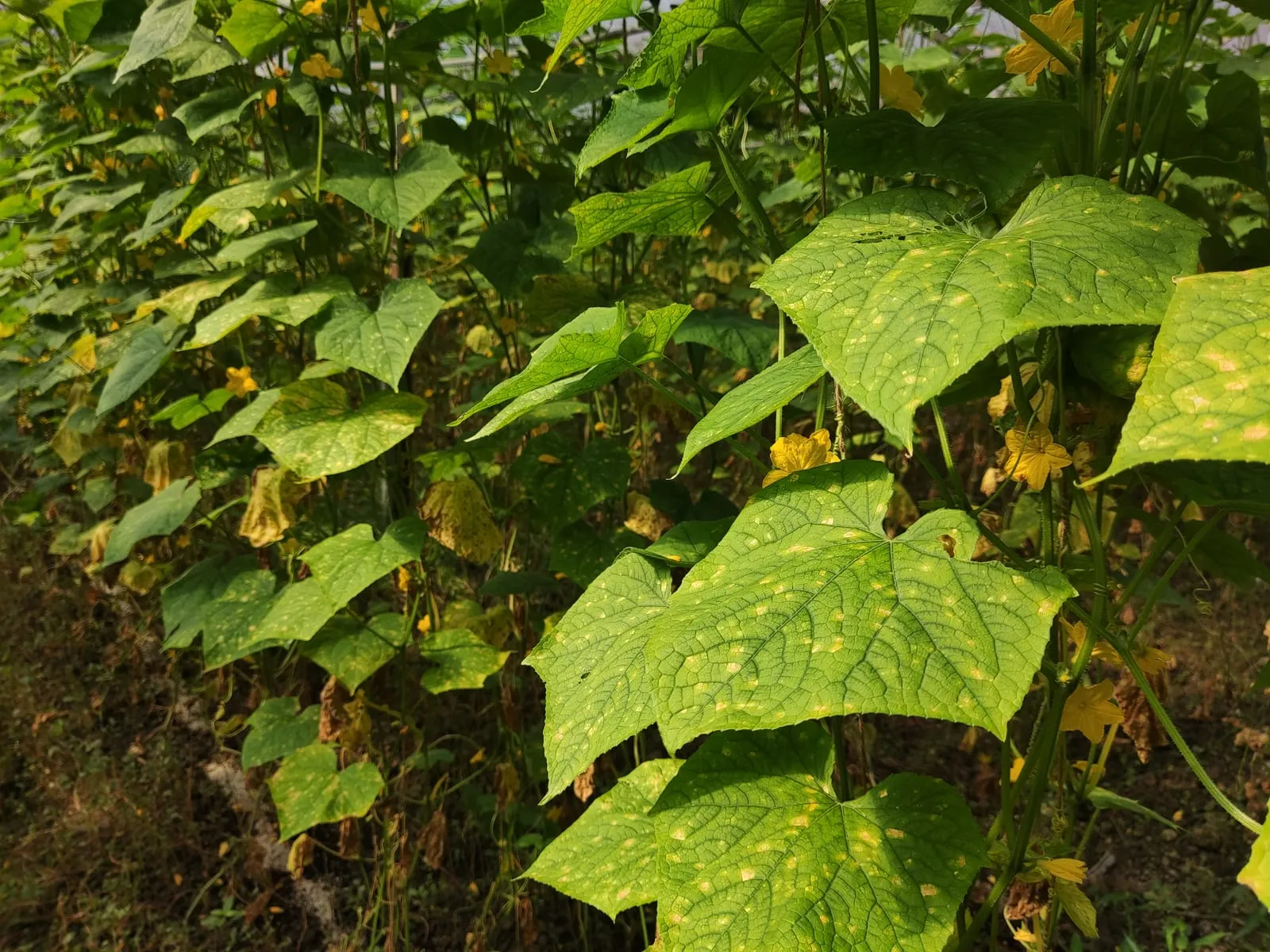
Pseudoperonospora cubensis (cucurbits) and others
Water mold (oomycete, not a true fungus) that thrives in cool damp conditions. Spreads rapidly through cucurbit and brassica plantings on wind-borne spores.
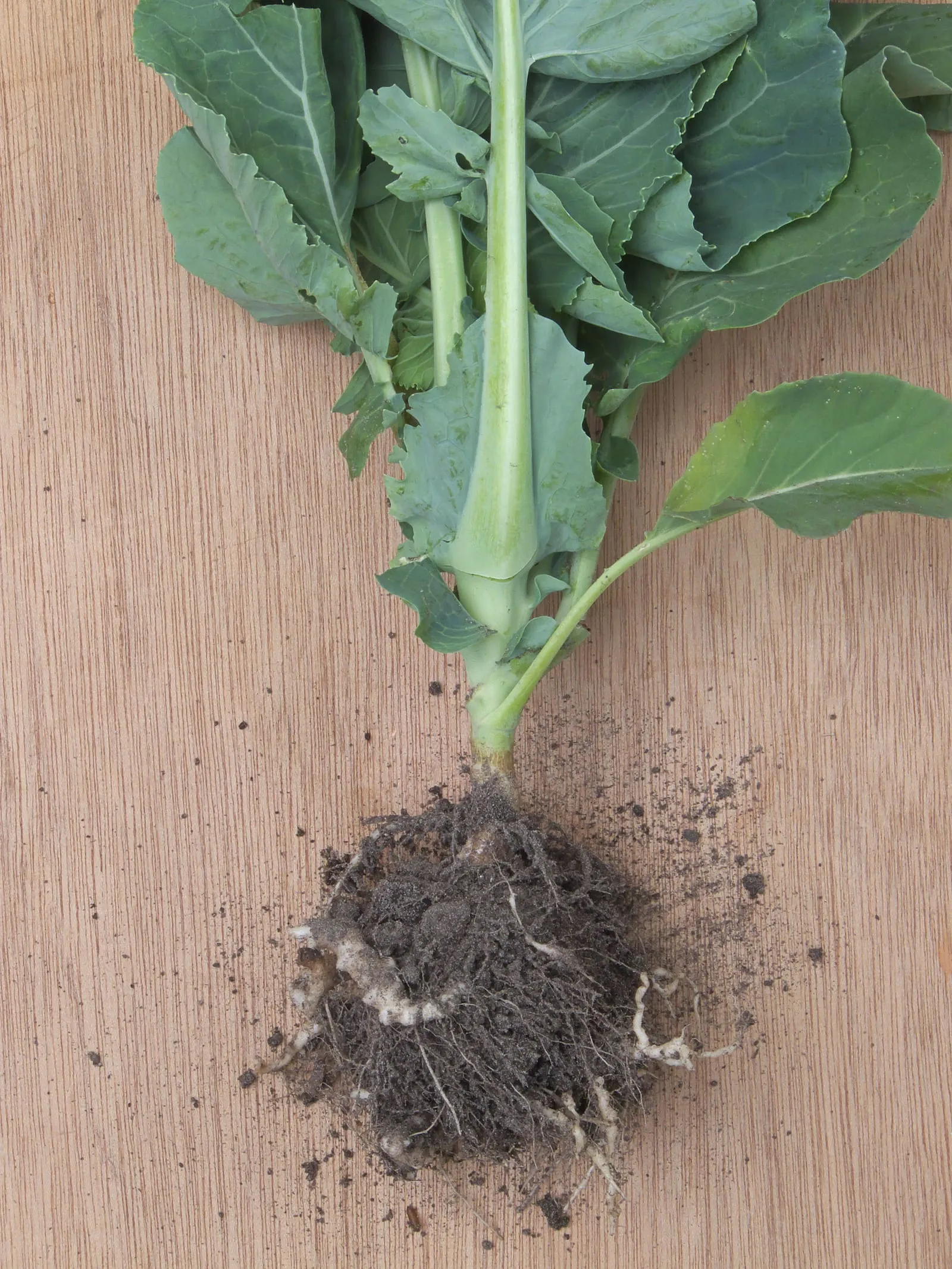
Plasmodiophora brassicae
Soil-borne disease causing characteristic distorted club-shaped roots on brassicas. Persists in soil for 10-20 years; the dominant brassica pathogen in acidic poorly-drained soils.
Modified care for zone 5b
The primary disease concerns for Brussels sprouts in zone 5b are Downy Mildew and Clubroot. Clubroot is a soilborne pathogen that persists for up to 20 years in infected soil; a rotation of at least four years away from all brassicas is the most effective management tool. Maintaining soil pH above 7.0 meaningfully reduces infection rates and is worth confirming before planting on any new ground. Downy mildew pressure increases during cool, humid periods with extended leaf wetness, which describes zone 5b autumns consistently. Wider plant spacing (at least 24 inches) and removal of lower leaves as the season progresses both reduce the duration of surface moisture.
Row cover use is particularly valuable in zone 5b. Applied at transplant in spring, it advances the effective growing-season start by two to three weeks and excludes caterpillar pests through the most vulnerable growth stage. Applied in fall, it extends harvest past light frosts without consequence to quality. A hard freeze below 24 F will damage exposed sprouts, so covers over mature plants during early-season freezes are worth the effort.
Brussels Sprouts in adjacent zones
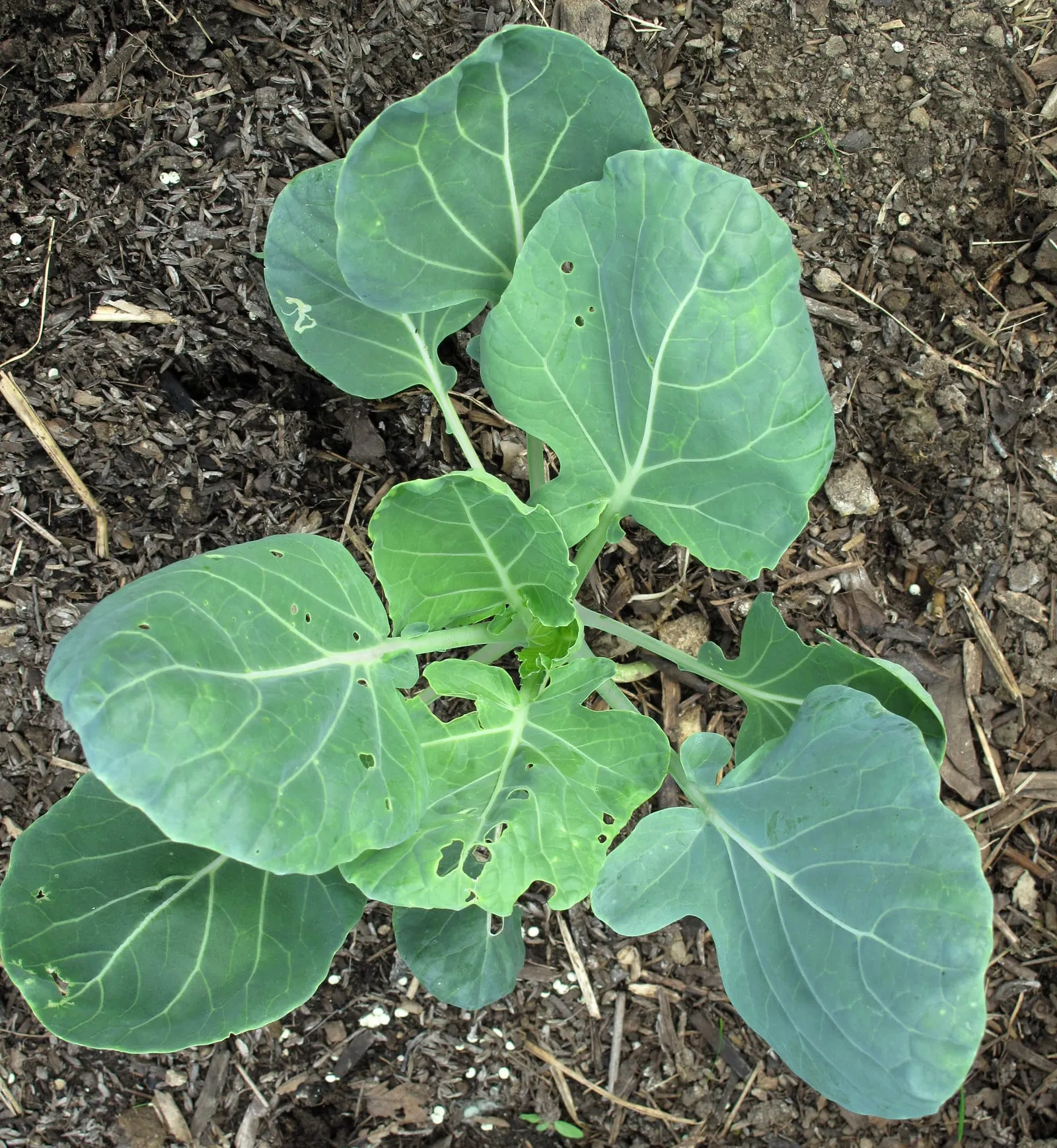
Image: "Young brussels sprouts plant", by Downtowngal, via Wikimedia Commons, licensed under CC-BY Source.

Related