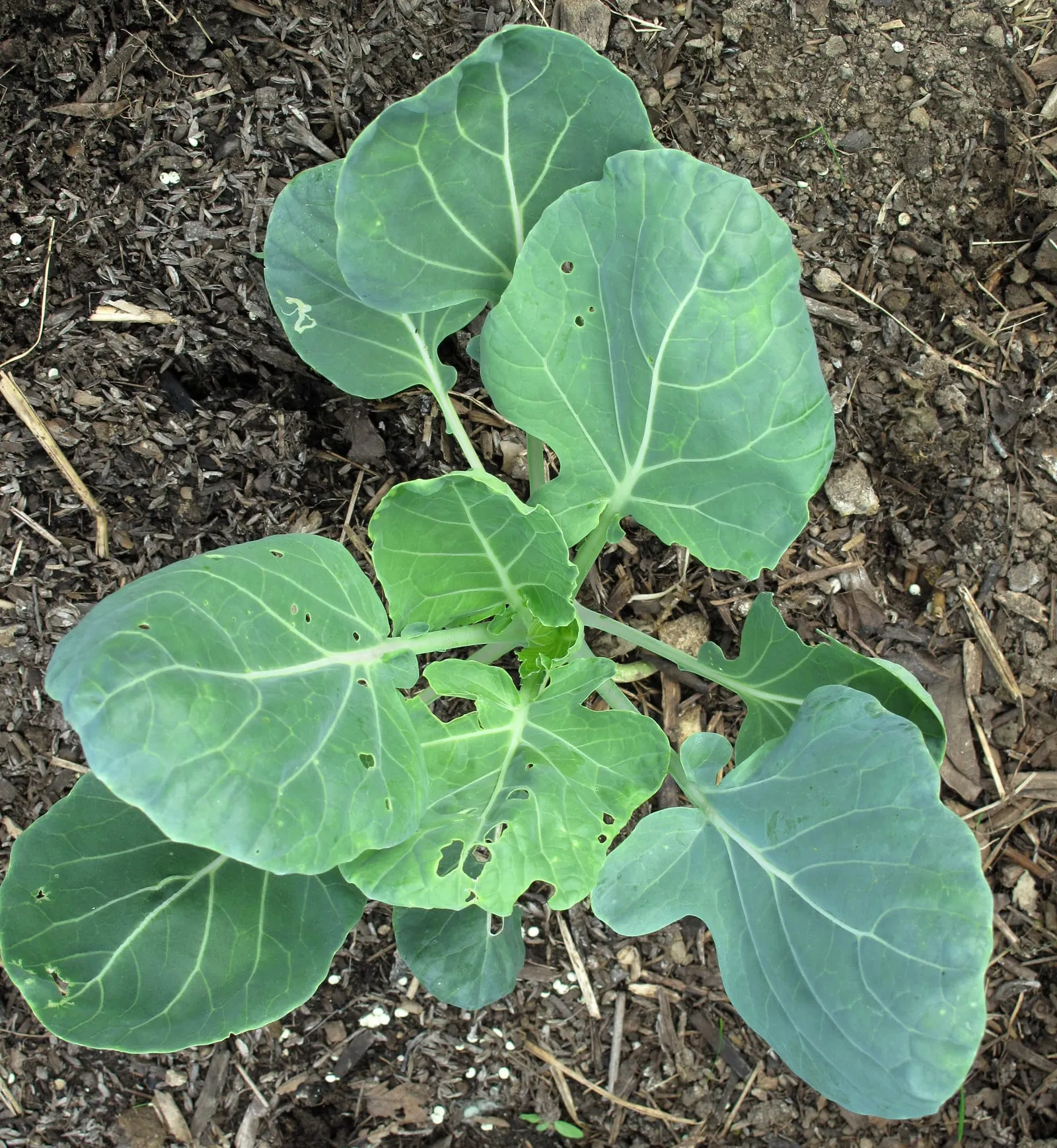
vegetable
Brussels Sprouts
Brassica oleracea var. gemmifera
USDA hardiness range
- Zones
- 3b–8a
- Days to harvest
- 90 to 110
- Sun
- Full
- Water
- Moderate
- Lifespan
- annual
Growing brussels sprouts
Brussels sprouts are a long-season cool-weather crop that rewards patience with one of the most frost-tolerant harvests in the kitchen garden. The edible buds develop along a tall central stalk over 90 to 110 days, and flavor improves noticeably after the first hard frosts convert stored starches to sugars. The crop performs best in USDA zones 3b through 8a, where fall temperatures reliably drop below freezing before the season ends. In warmer zones (8b and above), summer heat arrives too early in spring and lingers too long in fall for the cool growing window the crop requires.
The critical variable is timing. Sprouts need to mature during cool fall weather, not summer heat. In most zones, that means back-calculating from the expected first fall frost: start seeds indoors in late spring or early summer so plants reach full size just as temperatures drop. Zones 7 and 8 growers often do better with fall-only plantings; spring plantings bolt or fail to form tight sprouts before heat arrives.
What separates productive plantings from failures is a combination of start-date precision, consistent soil moisture through the long growing season, and controlling caterpillar pressure early. A healthy plant that gets picked over by imported cabbageworms in July will still struggle by October even if conditions improve. Cornell Brussels Sprouts Production provides regional timing tables useful for dialing in transplant dates by zone.
Recommended varieties
See all 3 →3 cultivars for home growers, with notes on flavor, ripening, and disease resistance.
| Variety | Notes | Zone fit | Disease resistance |
|---|---|---|---|
| Long Island Improved | Sweet after frost, classic mild flavor; small dense sprouts on tall stalk. Roasting, sauteing, halved on the grill. Heritage open-pollinated, dependable home-garden variety. | | none noted |
| Diablo | Sweet-rich after frost, dense uniform sprouts; the commercial fresh-market hybrid. Roasting, halved with bacon, soups. High yield, holds in field through hard freezes. | | none noted |
| Falstaff | Sweet, tender, deep purple-red sprouts that hold color when roasted; ornamental as well as edible. Roasting, fresh, raw on platters. | | none noted |
Soil and site requirements
Brussels sprouts grow best in a firm, well-drained loam with a pH between 6.5 and 7.0. Maintaining pH above 6.5 is especially important because clubroot, a persistent soilborne pathogen, is far more destructive in acidic conditions. Test soil before planting and lime accordingly; do not assume a bed that grew other crops successfully is at the right pH for brassicas.
Full sun is required. Even partial shade reduces stalk vigor and delays sprout formation. The tall central stalk (often 3 feet or more at maturity) also benefits from hilling or staking to prevent toppling in wind; loose soil or exposed sites invite lodging, particularly after heavy fall rains.
Space plants 18 to 24 inches apart in rows 30 to 36 inches apart. Crowding reduces air circulation and increases downy mildew pressure. Brussels sprouts compete poorly with weeds in the early weeks; keeping the bed clear through establishment pays off in stalk health.
Microclimate matters more than the zone number alone. A raised bed in a south-facing spot may heat up early in spring and delay fall cooling, compressing the ideal temperature window. A north-facing location or a spot with afternoon shade in late summer can extend the cool period the crop needs. In zones 7 and 8, any site modification that moderates late-summer heat improves the odds of well-formed sprouts.
Common diseases
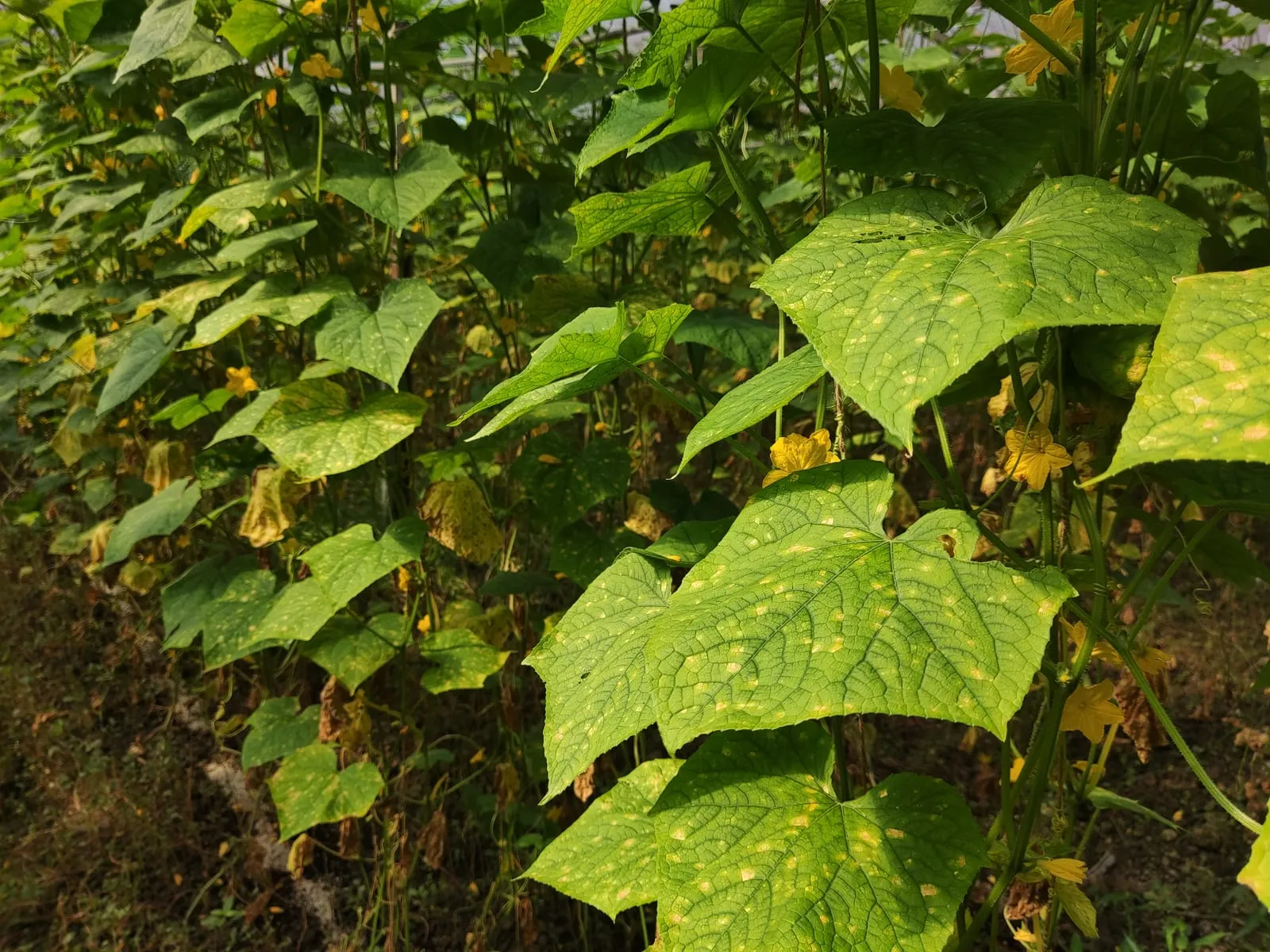
Pseudoperonospora cubensis (cucurbits) and others
Water mold (oomycete, not a true fungus) that thrives in cool damp conditions. Spreads rapidly through cucurbit and brassica plantings on wind-borne spores.
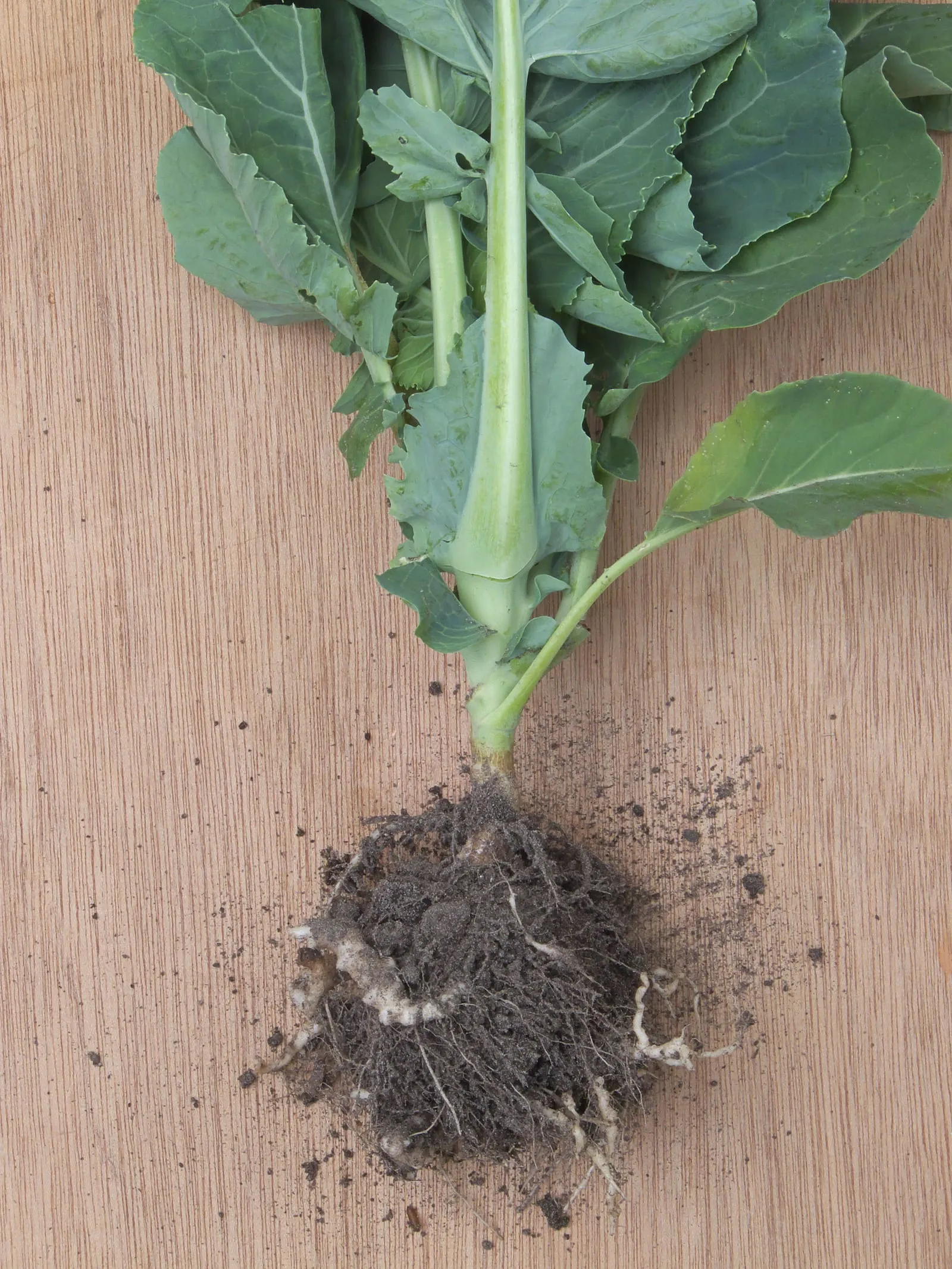
Plasmodiophora brassicae
Soil-borne disease causing characteristic distorted club-shaped roots on brassicas. Persists in soil for 10-20 years; the dominant brassica pathogen in acidic poorly-drained soils.
Common pests
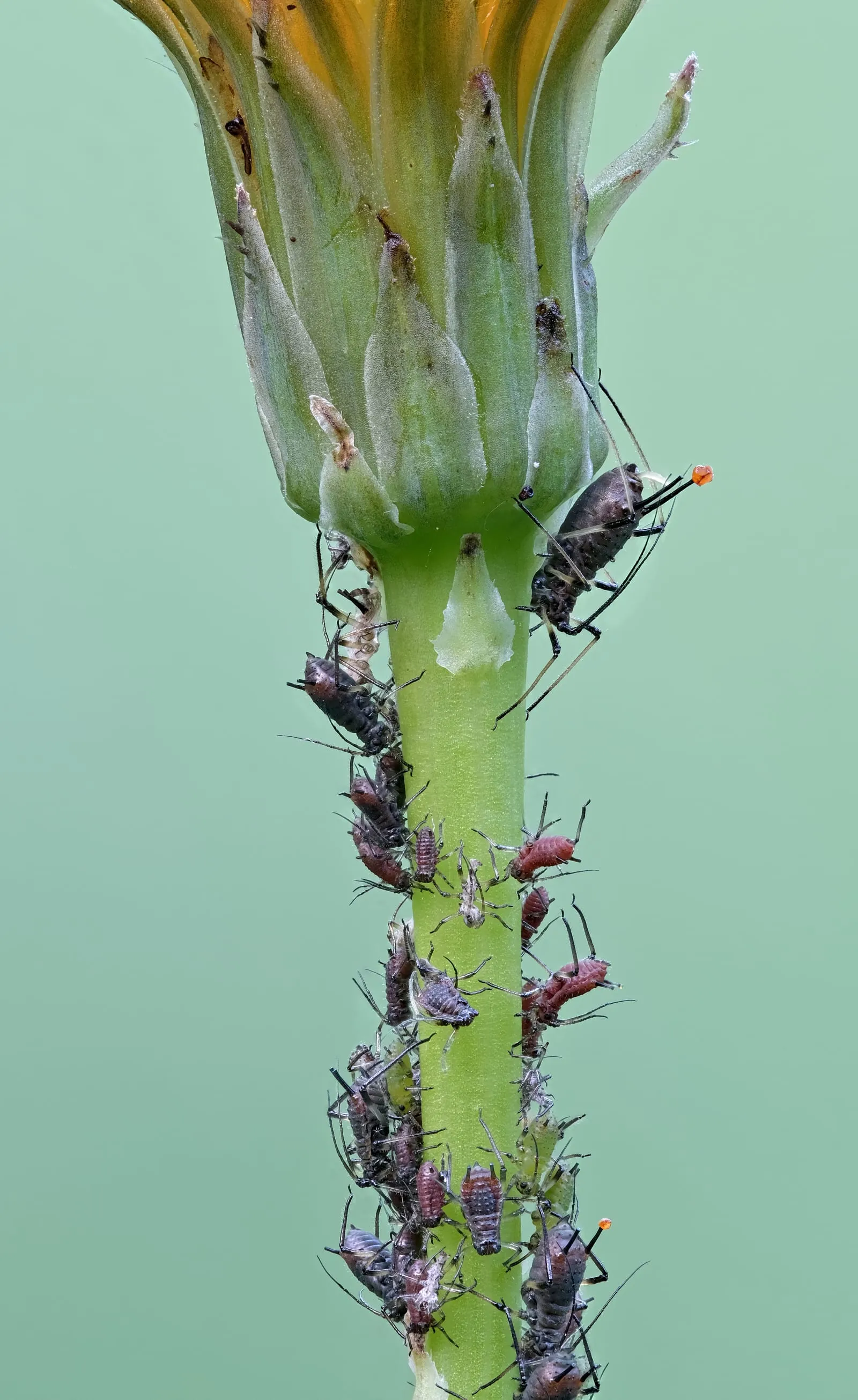
Multiple species (Aphididae)
Small soft-bodied sap-sucking insects that reproduce explosively in spring. Excrete honeydew that supports sooty mold and attracts ants. Transmit viral diseases.
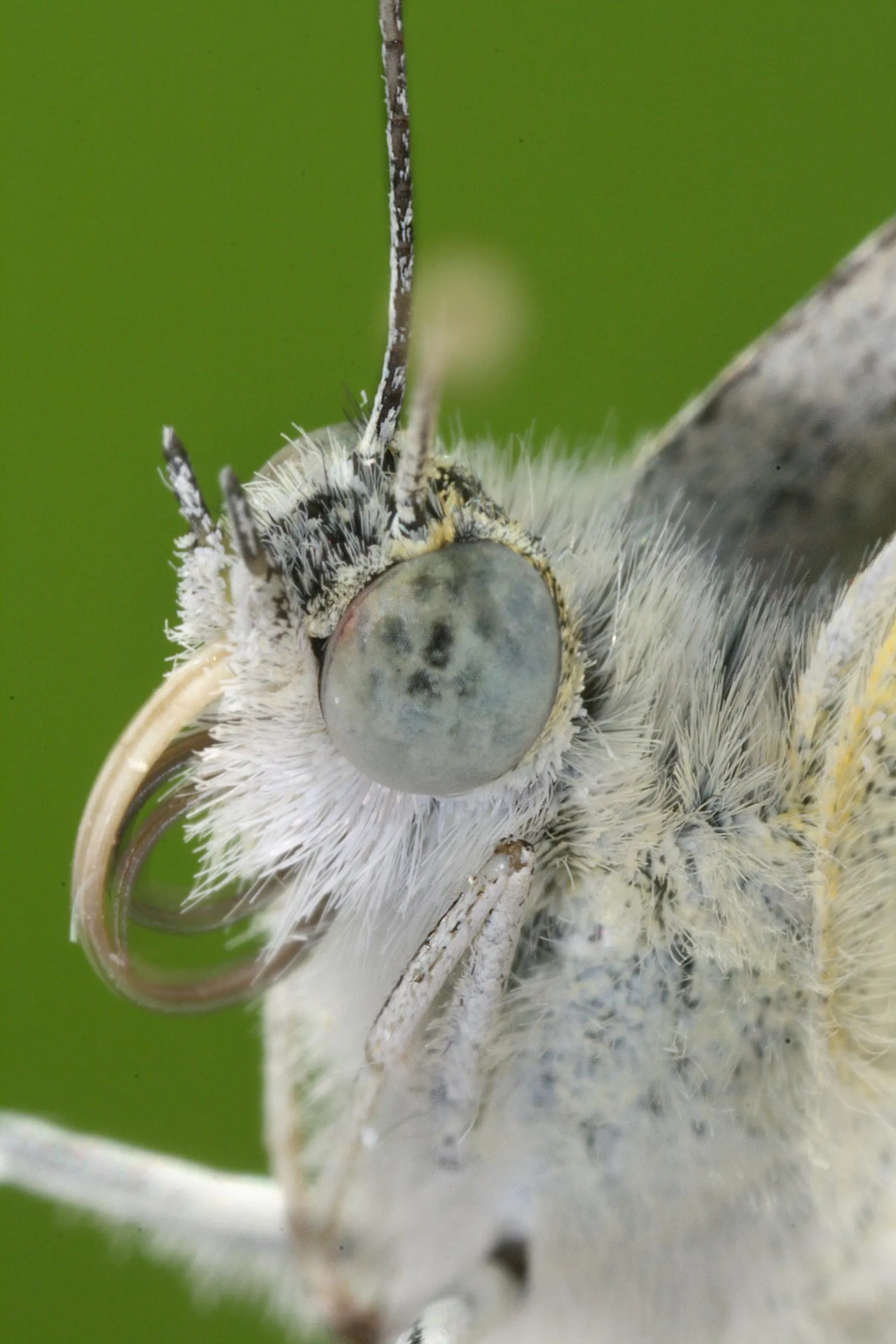
Pieris rapae
Velvety green caterpillars that chew large irregular holes in brassica leaves and bore into heads. Adults are the small white butterflies seen fluttering through the garden.
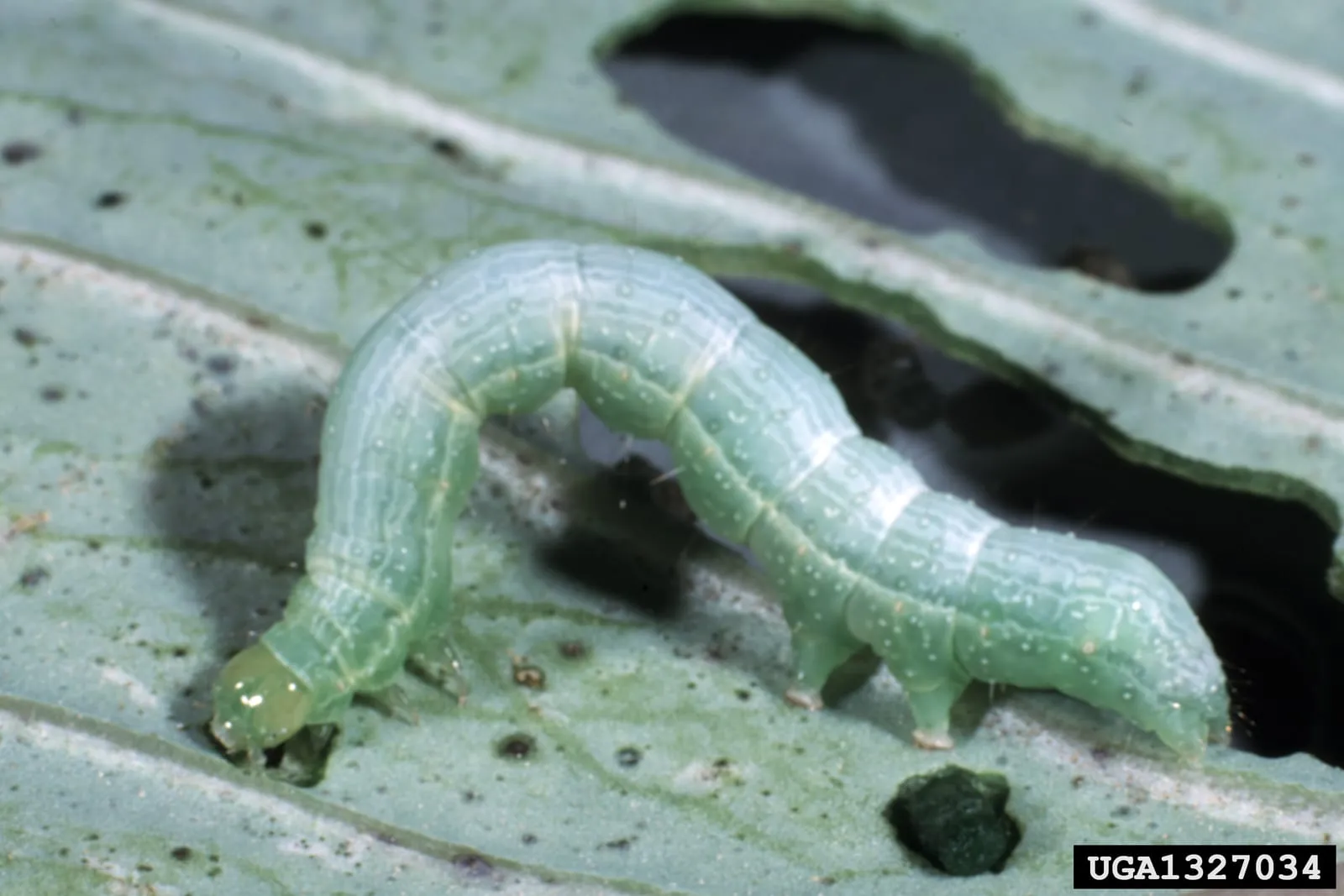
Trichoplusia ni
Pale green caterpillars that arch their backs (loop) when crawling. Defoliate brassicas and lettuce, contaminate harvested heads. Adults are mottled gray-brown moths.
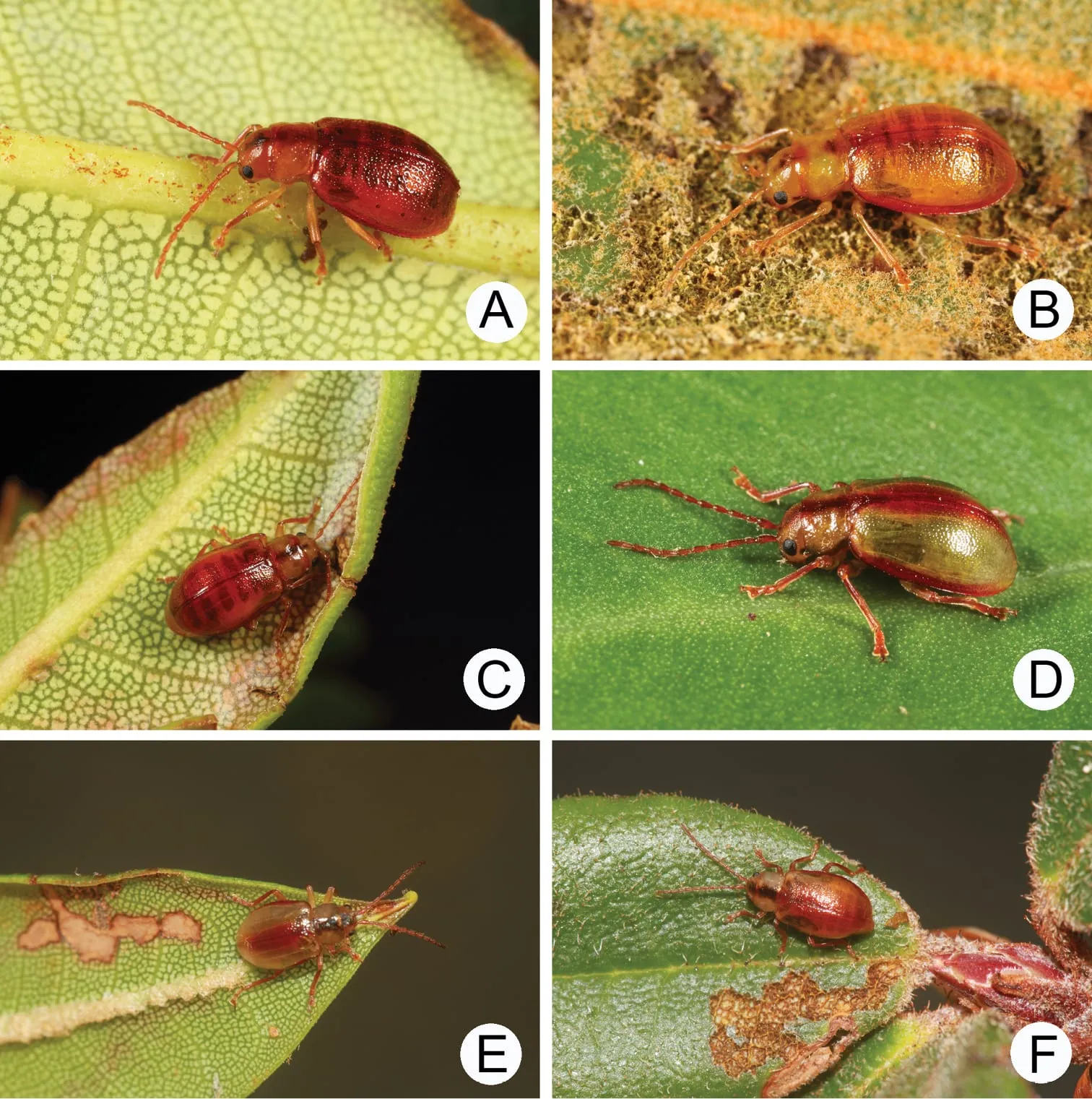
Multiple species (Chrysomelidae)
Tiny black or bronze jumping beetles that put hundreds of small holes in seedling leaves. Most damaging on direct-seeded brassicas and young eggplant.
Common challenges
Three issues account for most home-garden failures with Brussels sprouts.
Timing errors are the most common. Planting too late leaves insufficient days before fall frost; planting too early in spring means the crop matures in summer heat, producing loose, open sprouts with poor flavor. Work backward from the expected first fall frost date for the specific location. For a 100-day variety, transplants need to go in roughly 100 to 115 days before that date, accounting for a week or two of establishment after transplanting.
Caterpillar pressure from imported cabbageworms and cabbage loopers can defoliate young plants fast enough to stall growth permanently. Both arrive with white butterflies in early summer. Bt (Bacillus thuringiensis) applied at first sign of damage is effective and low-impact on non-target insects. Row cover from transplant through mid-July blocks egg-laying butterflies before damage begins, and is the most reliable preventive approach.
Clubroot is a soilborne disease with no cure once established. Infected plants develop swollen, distorted roots and collapse before maturity. Prevention is the only management: maintain soil pH above 6.5, rotate brassicas on at minimum a three-year cycle, and avoid transplanting seedlings started in suspect soil or containers. Once clubroot is in a bed, it persists for 20 or more years regardless of what is planted.
Frequently asked questions
- What USDA zones support Brussels sprouts?
Brussels sprouts grows reliably in zones 3b through 8a. The crop requires a long cool growing season with fall temperatures that dip below freezing, which improves both sprout formation and flavor. In zones 8b and warmer, the cool window is too short for consistent results.
- How many days does Brussels sprouts take to reach harvest?
Most varieties mature in 90 to 110 days from transplant. Longer-season varieties like Long Island Improved and Diablo sit at the upper end of that range. Because the crop needs to mature in cool fall weather, starting seeds indoors 6 to 8 weeks before transplanting is standard practice in most zones.
- Do Brussels sprouts require pollinators?
No. Brussels sprouts is harvested before the plant flowers; the edible sprouts are immature leaf buds, not fruit. Pollination is not a factor in sprout development, and no pollinator support is needed.
- Do Brussels sprouts have chill-hour requirements like fruit trees?
No. Brussels sprouts is a vegetable crop with no chill-hour accumulation requirement. What the crop needs is a sustained window of cool growing temperatures, roughly 45 to 75 degrees Fahrenheit, with frost exposure near maturity to improve flavor through starch-to-sugar conversion. Timing the season correctly matters far more than meeting a specific hour threshold.
- What disease is most likely to destroy a Brussels sprouts planting?
Clubroot (caused by Plasmodiophora brassicae) is the most damaging long-term threat. It infects roots, causes characteristic swelling and rot, and persists in soil for 20 or more years. Maintaining soil pH above 6.5 and rotating brassicas on a three-plus-year cycle are the primary defenses. Downy mildew is a secondary concern, mainly in humid conditions with crowded plantings.
- Why do Brussels sprouts taste better after frost?
Temperatures below freezing trigger starch-to-sugar conversion in the developing sprouts, producing a noticeably sweeter, milder flavor. All three varieties in the ZonePlant database list frost-sweetened flavor as a key culinary characteristic. In zones where hard frosts are uncertain or late, a light covering of row fabric will not replicate frost sweetening.
- Which Brussels sprouts variety is best for home growers?
Long Island Improved is the classic open-pollinated choice: reliable, flavorful after frost, and widely available as seed. Diablo offers higher yields and better tolerance for field-holding through hard freezes, making it a strong pick for zones 6 and colder. Falstaff adds ornamental interest with deep purple-red sprouts that hold color when roasted.
+−
+−
+−
+−
+−
+−
+−
Sources
Image: "Young brussels sprouts plant", by Downtowngal, via Wikimedia Commons, licensed under CC-BY. Source.

Brussels Sprouts by zone
Related