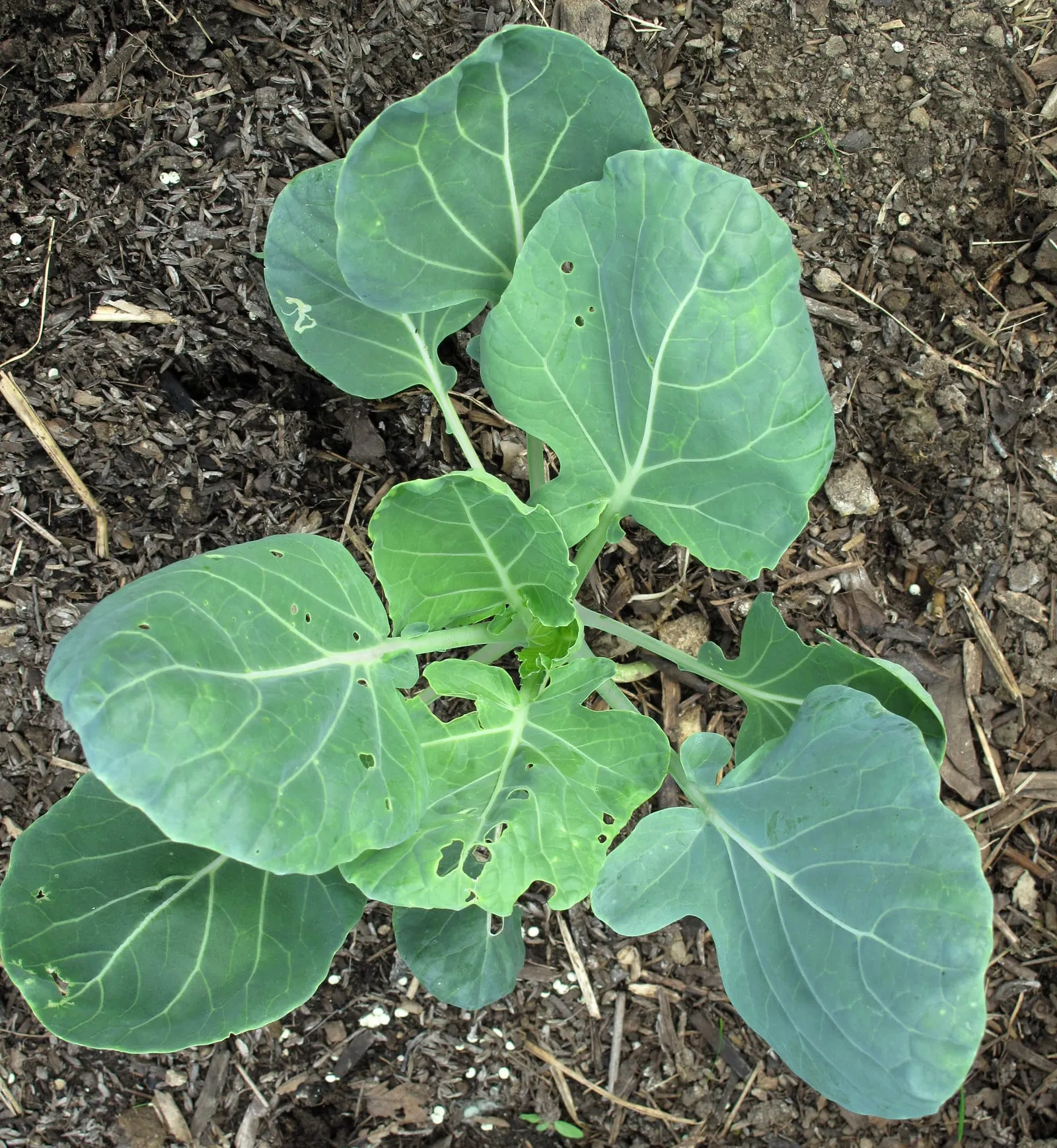
vegetable in zone 8a
Growing brussels sprouts in zone 8a
Brassica oleracea var. gemmifera
- Zone
- 8a 10°F to 15°F
- Growing season
- 240 days
- Suitable varieties
- 0
- Days to harvest
- 90 to 110
The verdict
Brussels sprouts is a cool-season brassica that needs sustained cool temperatures to develop tight, well-formed heads. Unlike fruit crops, it has no chill-hour requirement in the orchard sense, but it does need weeks of consistent temperatures below 60°F during head formation. Zone 8a's 240-day growing season provides calendar flexibility, but the region's characteristic summer heat is the binding constraint. This is a marginal zone for the crop, not a sweet spot.
The crop is workable in zone 8a, but only as a fall-to-winter planting. Attempting a spring crop means heads set during warming weather, which produces loose, bitter sprouts. Growers who time plantings so that head formation falls between November and February can get reliable harvests. Zone 8a's mild winters (minimum temperatures of 10 to 15°F) rarely damage overwintering plants, which is an advantage over colder zones where hard freezes can terminate the crop before full harvest.
Critical timing for zone 8a
In zone 8a, treat Brussels sprouts as a fall and winter crop entirely. Start seeds indoors in late July to early August, and transplant into the garden in mid to late August, when daytime temperatures are still warm but declining. Sprouts need roughly 80 to 100 days from transplant to harvest depending on the variety, placing peak harvest between November and February.
Light frosts actually improve flavor, converting starches to sugars in the sprouts. Zone 8a typically delivers those light frost events through December and January without hard killing freezes. Harvest by picking lower sprouts first as they mature upward along the stalk. Plants can remain productive in the ground through February in most zone 8a locations before warming spring temperatures signal the end of the season.
Common challenges in zone 8a
- ▸ Insufficient chill hours for some apple varieties
- ▸ Pierce's disease in grapes
- ▸ Heat stress on cool-season crops
Disease pressure to watch for
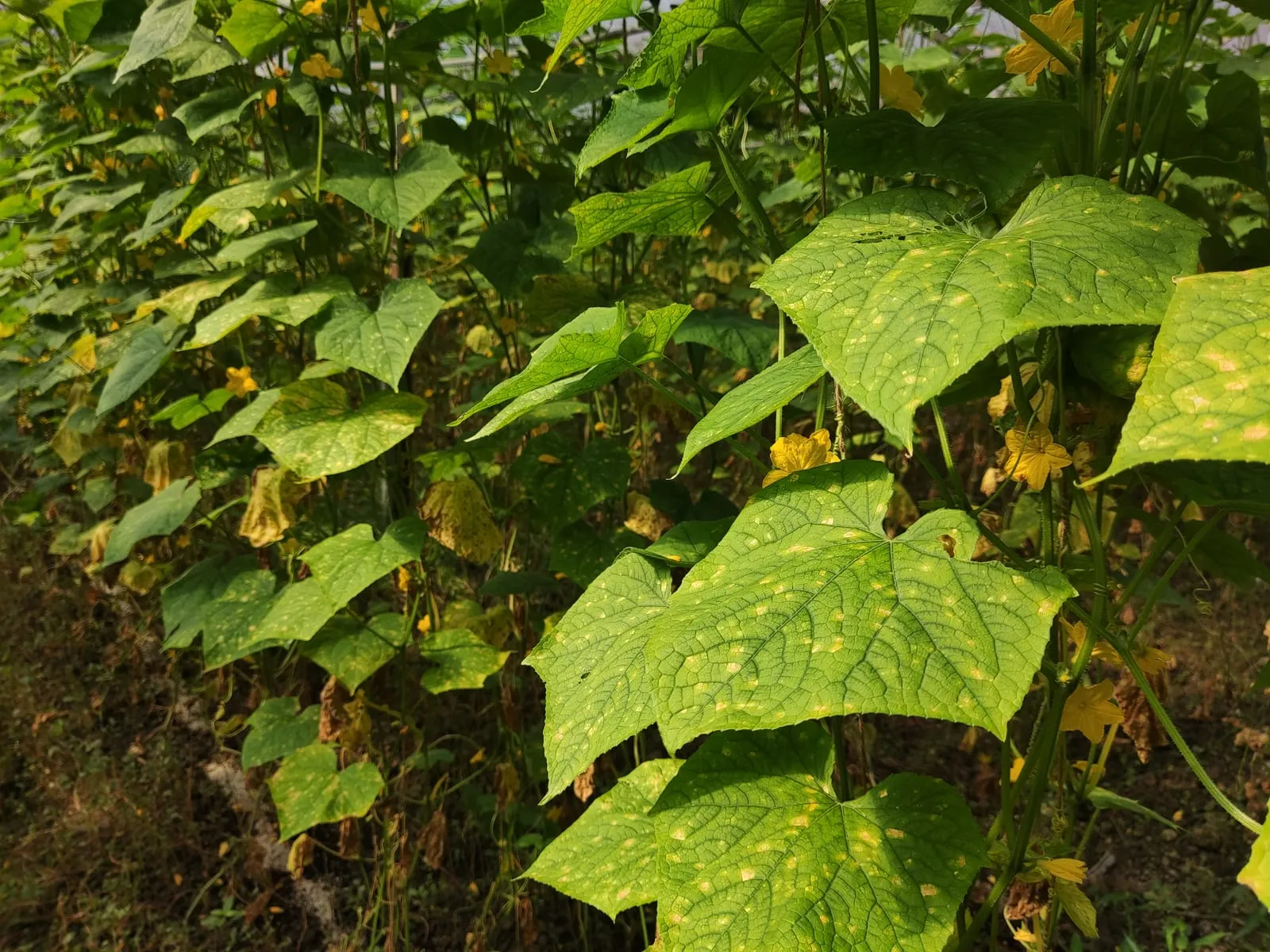
Pseudoperonospora cubensis (cucurbits) and others
Water mold (oomycete, not a true fungus) that thrives in cool damp conditions. Spreads rapidly through cucurbit and brassica plantings on wind-borne spores.
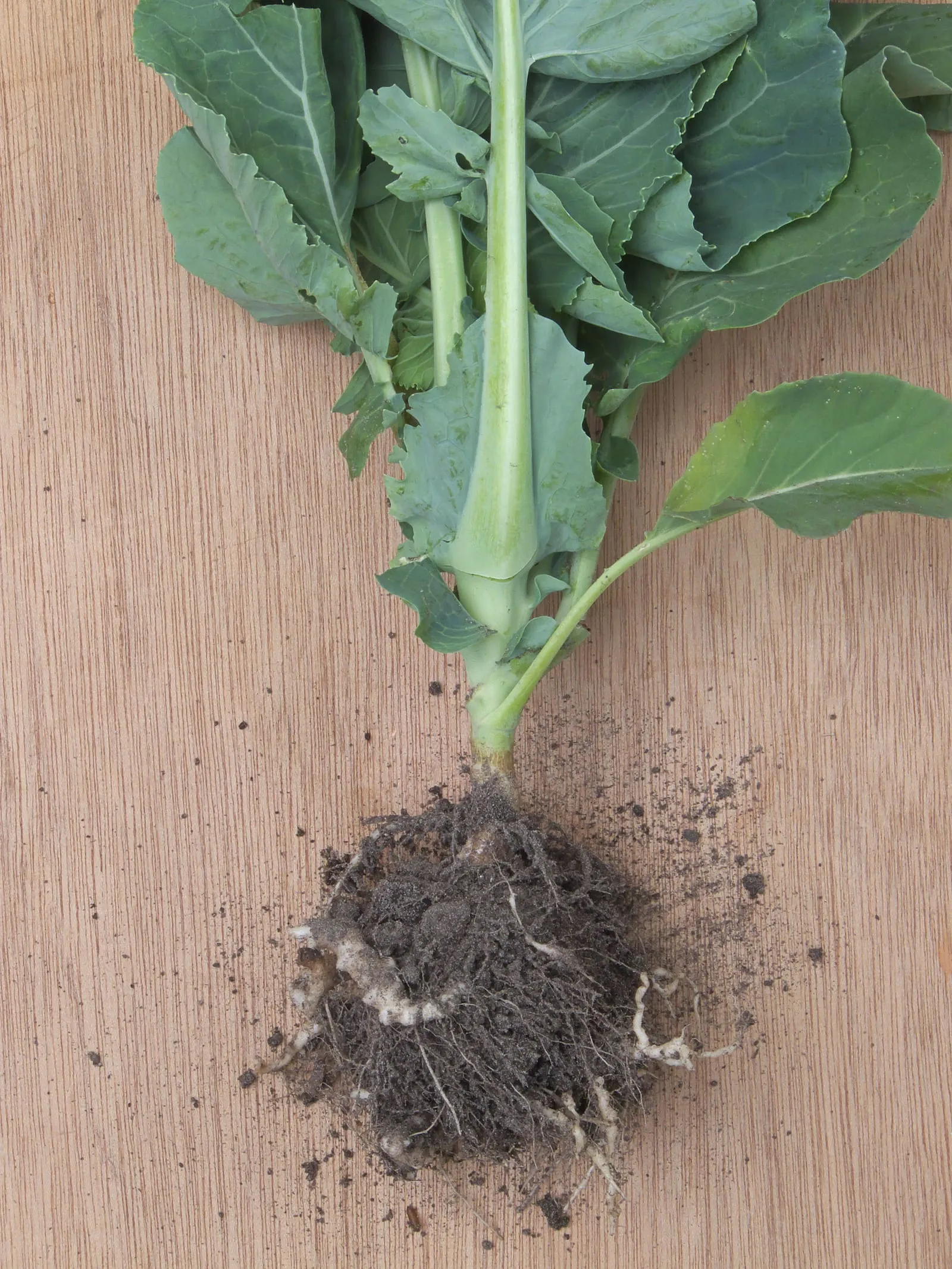
Plasmodiophora brassicae
Soil-borne disease causing characteristic distorted club-shaped roots on brassicas. Persists in soil for 10-20 years; the dominant brassica pathogen in acidic poorly-drained soils.
Modified care for zone 8a
The primary adjustment in zone 8a is managing heat during the establishment phase. Transplants go in during August heat, so consistent irrigation and temporary shade cloth can reduce transplant stress and improve early root development. Once temperatures drop in October, normal care resumes.
Clubroot and downy mildew are the two disease concerns noted for this crop in zone 8a. Clubroot is a soil-borne pathogen that persists for years; raising soil pH above 7.0 and rotating brassicas on a minimum four-year cycle are the main controls. Downy mildew pressure increases during humid fall weather. Spacing plants at 24 to 30 inches promotes airflow and reduces leaf wetness. Avoid overhead irrigation once heads begin forming.
Winter protection is generally unnecessary in zone 8a given the mild minimum temperatures, but a light frost cloth during occasional hard freezes below 20°F can protect maturing sprouts from freeze damage.
Frequently asked questions
- Can Brussels sprouts survive winter in zone 8a?
Yes. Zone 8a minimum temperatures of 10 to 15°F rarely damage established Brussels sprouts plants, which tolerate light to moderate frosts well. Plants can remain productive in the ground through February. A frost cloth during unusual cold snaps below 20°F provides adequate protection for maturing sprouts.
- Why do Brussels sprouts fail in zone 8a spring gardens?
Spring-planted Brussels sprouts in zone 8a encounter rising temperatures during the critical head-formation period. Heat above 70 to 75°F causes sprouts to button (form tiny, loose heads) or bolt entirely. Fall planting, with harvest timed for November through February, avoids this problem.
- How do you prevent clubroot in zone 8a Brussels sprouts?
Clubroot is a persistent soil-borne pathogen with no chemical cure once established. The most effective controls are: rotating brassicas on a four-year cycle, raising soil pH to 7.0 or above with lime, and avoiding moving soil or transplants from infected areas. Test soil pH before planting.
+−
+−
+−
Brussels Sprouts in adjacent zones
Image: "Young brussels sprouts plant", by Downtowngal, via Wikimedia Commons, licensed under CC-BY Source.

Related