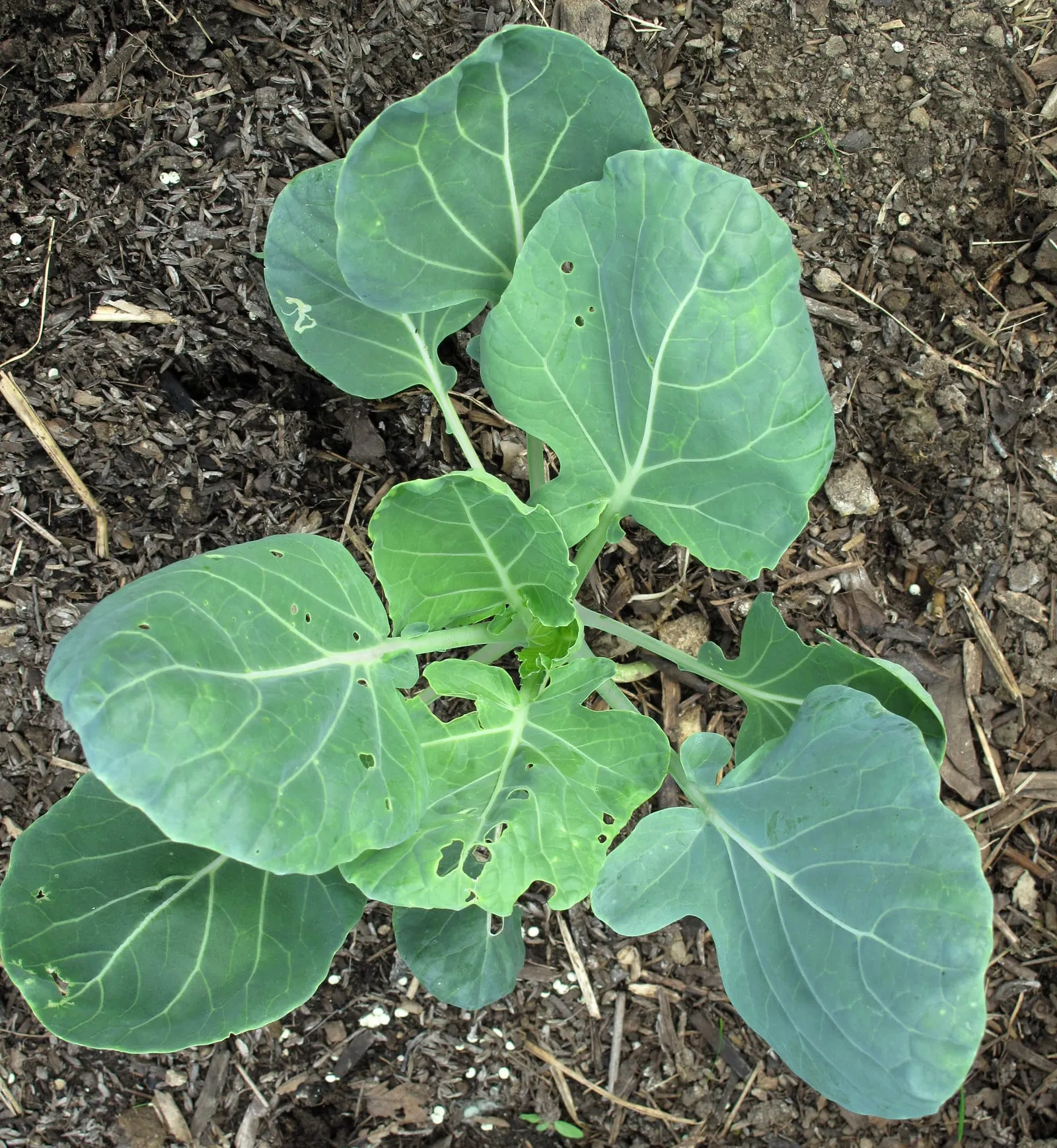
vegetable in zone 7a
Growing brussels sprouts in zone 7a
Brassica oleracea var. gemmifera
- Zone
- 7a 0°F to 5°F
- Growing season
- 210 days
- Suitable varieties
- 3
- Days to harvest
- 90 to 110
The verdict
Brussels sprouts are a cool-season brassica, and zone 7a sits on the warmer edge of their workable range. The 210-day growing season is more than sufficient for the crop's typical 80 to 100 days to maturity. Unlike fruit crops, Brussels sprouts carry no chill-hour requirement, but they do need sustained cool temperatures, roughly 45 to 75°F, during head formation to produce tight, well-flavored sprouts. Zone 7a's summer heat, often exceeding 90°F through July and August, is the primary constraint: plants caught in that window before fall arrives will bolt toward leafy growth rather than dense heads.
The saving factor is zone 7a's fall and early winter. Minimum temperatures of 0 to 5°F are cold enough to trigger the light frosts that noticeably improve sprout sweetness, but mild enough that overwintering plants often survive intact through January or February. Taken together, zone 7a is workable rather than marginal for this crop, provided the summer heat window is managed carefully at planting time.
Recommended varieties for zone 7a
3 cultivars suited to this zone, with disease-resistance and zone-fit annotations.
| Variety | Notes | Zone fit | Disease resistance |
|---|---|---|---|
| Long Island Improved fits zone 7a | Sweet after frost, classic mild flavor; small dense sprouts on tall stalk. Roasting, sauteing, halved on the grill. Heritage open-pollinated, dependable home-garden variety. | | none noted |
| Diablo fits zone 7a | Sweet-rich after frost, dense uniform sprouts; the commercial fresh-market hybrid. Roasting, halved with bacon, soups. High yield, holds in field through hard freezes. | | none noted |
| Falstaff fits zone 7a | Sweet, tender, deep purple-red sprouts that hold color when roasted; ornamental as well as edible. Roasting, fresh, raw on platters. | | none noted |
Critical timing for zone 7a
In zone 7a, Brussels sprouts are planted as a fall and winter crop, not a spring one. Start seeds indoors in late June through mid-July, then transplant into prepared beds in late July to early August. With 80 to 100 days to maturity, plants set out in early August will begin producing harvestable sprouts in October as daytime temperatures drop below 70°F.
Zone 7a's first fall frost typically arrives in mid-November, marking the start of peak quality: frost converts starches to sugars and mellows the characteristic sharpness. Harvest extends through December and into January before hard freezes threaten the stalks. Spring plantings are generally unproductive in zone 7a because the narrow cool window before summer heat closes does not allow full head development.
Common challenges in zone 7a
- ▸ Cedar-apple rust
- ▸ Brown rot
- ▸ Fire blight
- ▸ High humidity disease pressure
Disease pressure to watch for
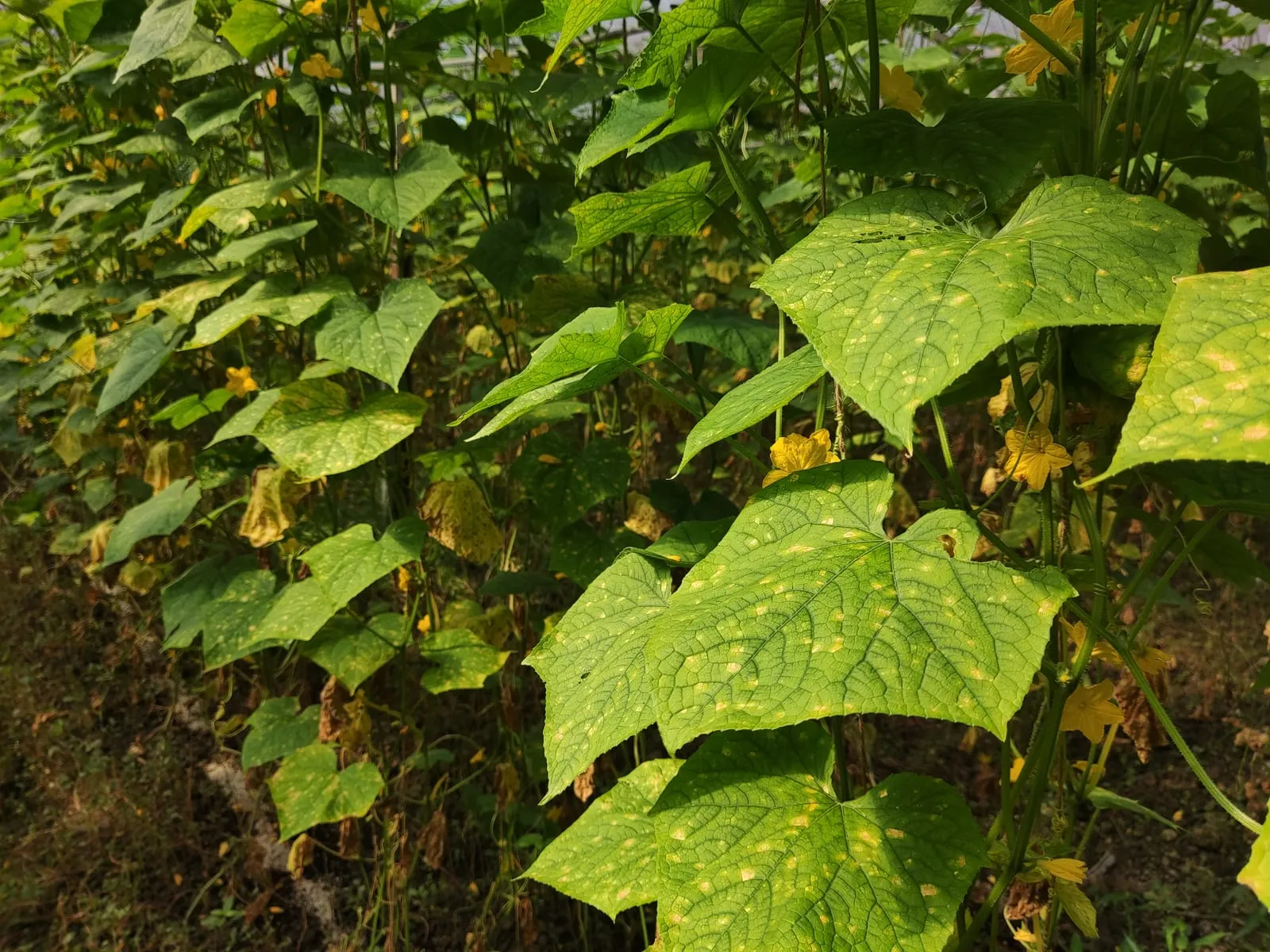
Pseudoperonospora cubensis (cucurbits) and others
Water mold (oomycete, not a true fungus) that thrives in cool damp conditions. Spreads rapidly through cucurbit and brassica plantings on wind-borne spores.
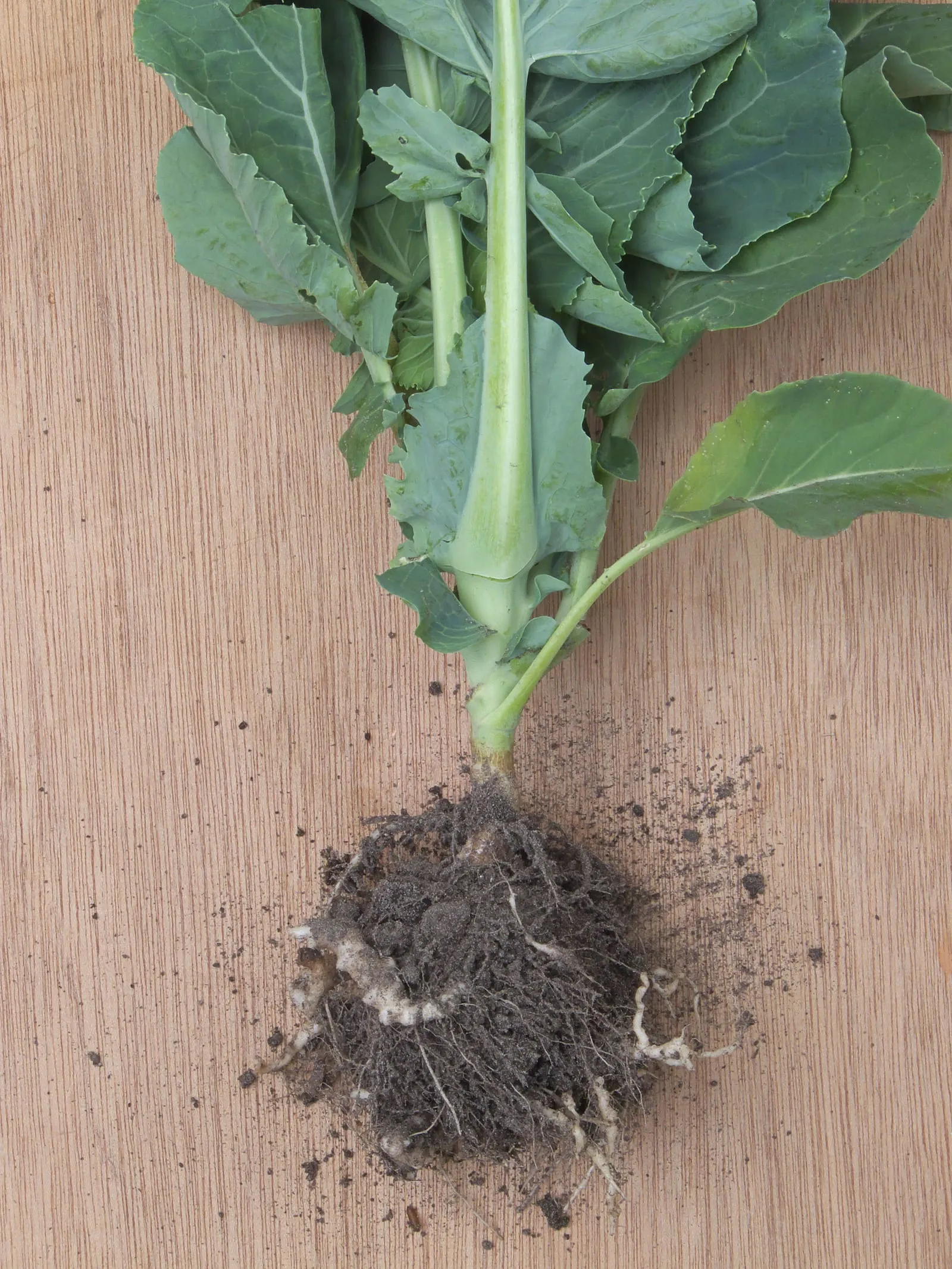
Plasmodiophora brassicae
Soil-borne disease causing characteristic distorted club-shaped roots on brassicas. Persists in soil for 10-20 years; the dominant brassica pathogen in acidic poorly-drained soils.
Modified care for zone 7a
The most significant adjustment in zone 7a is managing summer establishment. Transplants set out in July and August benefit from 30 to 40 percent shade cloth during peak afternoon heat, which reduces the transpiration stress that stalls root development. Consistent soil moisture during this period matters more than in cooler climates; water stress and heat stress compound each other quickly.
High humidity across much of zone 7a raises the risk for Downy Mildew and Clubroot compared to drier regions. A minimum three-year rotation away from any brassica crop is the most reliable Clubroot prevention available to home growers, since the soil-borne pathogen persists well beyond a single season. For Downy Mildew, plant spacing of 24 to 30 inches promotes airflow, and varieties such as Diablo and Falstaff carry better field tolerance than older open-pollinated types. Avoid overhead irrigation once sprouts begin forming on the stalk.
Frequently asked questions
- Can Brussels sprouts overwinter in zone 7a?
Yes. Zone 7a minimum temperatures of 0 to 5°F are generally mild enough for established plants to survive through most winters, particularly with a layer of row cover during hard freezes. Plants that overwinter can be harvested into February before bolting in spring.
- Why do Brussels sprouts taste bitter when grown in zone 7a?
Sprouts harvested before frost exposure tend to taste sharper. In zone 7a, hold off on harvesting until after the first frosts in mid-November. Cold temperatures convert starches to sugars and noticeably mellow the flavor. Harvesting too early in October, before the first frost, produces less palatable results.
- Which variety is best for zone 7a conditions?
Diablo and Falstaff both perform well in zone 7a. Diablo is a vigorous hybrid with good disease tolerance useful in high-humidity settings. Falstaff offers the practical advantage of purple pigmentation, which makes it easier to spot early pest damage. Long Island Improved remains an option but shows less disease tolerance in humid conditions.
- Is Clubroot a serious risk for zone 7a Brussels sprouts?
Clubroot is a persistent soil-borne pathogen that thrives in acidic, moist soils, conditions common across much of zone 7a. Once established in a bed it can persist for 20 or more years. Maintaining soil pH above 7.0 and rotating brassicas on a three-year cycle are the two most effective preventive measures.
+−
+−
+−
+−
Brussels Sprouts in adjacent zones
Image: "Young brussels sprouts plant", by Downtowngal, via Wikimedia Commons, licensed under CC-BY Source.

Related