vegetable in zone 6b
Growing brussels sprouts in zone 6b
Brassica oleracea var. gemmifera
- Zone
- 6b -5°F to 0°F
- Growing season
- 190 days
- Suitable varieties
- 3
- Days to harvest
- 90 to 110
The verdict
Zone 6b is close to ideal for Brussels sprouts. This is a crop that performs best in long, cool seasons with a hard frost or two near the end of harvest, which converts starches in the sprouts to sugars and improves flavor substantially. The 190-day growing season provides enough time for plants to develop the long central stem that produces a full crop, typically requiring 85 to 110 days from transplant depending on variety.
Brussels sprouts are not a chill-hour crop the way fruit trees are. They do not require winter dormancy. What matters is sustained cool temperatures in the 45 to 65°F range during sprout development, and zone 6b's fall and early winter deliver that window reliably.
Long Island Improved, Diablo, and Falstaff all have established track records in zone 6b. Diablo is specifically bred for disease resistance and uniform sprout size, which carries more weight in the humid eastern portions of the zone where downy mildew pressure is higher. Zone 6b is not a marginal zone for this crop; it is among the more consistent regions in the continental US for producing a reliable fall harvest.
Recommended varieties for zone 6b
3 cultivars suited to this zone, with disease-resistance and zone-fit annotations.
| Variety | Notes | Zone fit | Disease resistance |
|---|---|---|---|
| Long Island Improved fits zone 6b | Sweet after frost, classic mild flavor; small dense sprouts on tall stalk. Roasting, sauteing, halved on the grill. Heritage open-pollinated, dependable home-garden variety. | | none noted |
| Diablo fits zone 6b | Sweet-rich after frost, dense uniform sprouts; the commercial fresh-market hybrid. Roasting, halved with bacon, soups. High yield, holds in field through hard freezes. | | none noted |
| Falstaff fits zone 6b | Sweet, tender, deep purple-red sprouts that hold color when roasted; ornamental as well as edible. Roasting, fresh, raw on platters. | | none noted |
Critical timing for zone 6b
The standard approach in zone 6b is to start seeds indoors 12 to 14 weeks before the expected first fall frost, typically in late April or early May, then transplant outdoors in late June or early July. This puts sprout development squarely in the cooling temperatures of September and October.
Harvest begins when the lowest sprouts on the stalk reach roughly 1 inch in diameter, usually in mid to late September. The window extends through November and into early December with light mulching. Frosts in the 28 to 32°F range sweeten the crop; a sustained hard freeze below 20°F will damage exposed plants without protection.
Zone 6b's last spring frost typically falls in mid-April, well before summer transplant time, so spring frost poses no risk to this planting window. The crop does not bloom during the eating stage; if plants bolt and flower, they have passed their harvest window.
Common challenges in zone 6b
- ▸ Cedar-apple rust
- ▸ Fire blight
- ▸ Stink bugs
Disease pressure to watch for
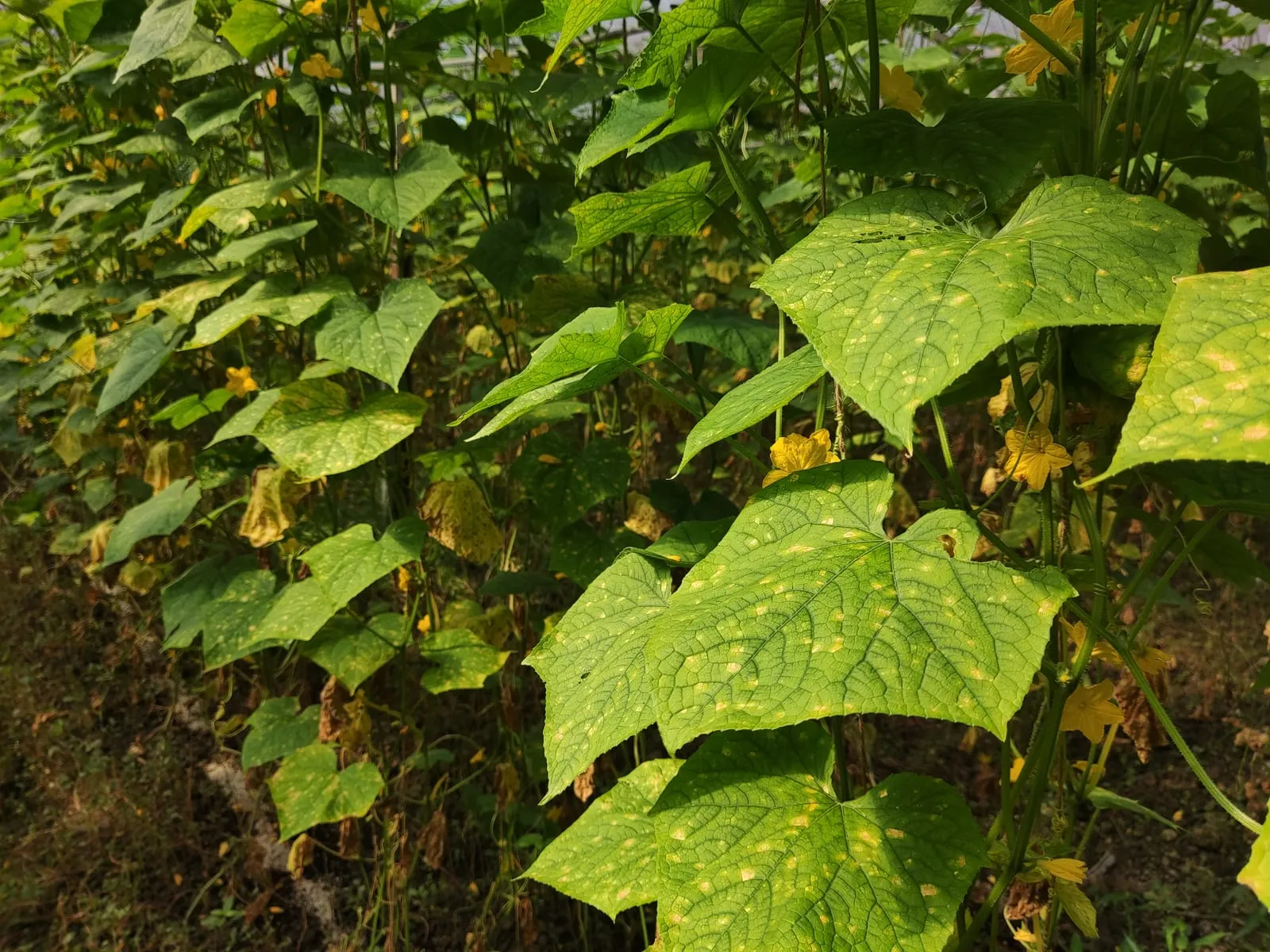
Pseudoperonospora cubensis (cucurbits) and others
Water mold (oomycete, not a true fungus) that thrives in cool damp conditions. Spreads rapidly through cucurbit and brassica plantings on wind-borne spores.
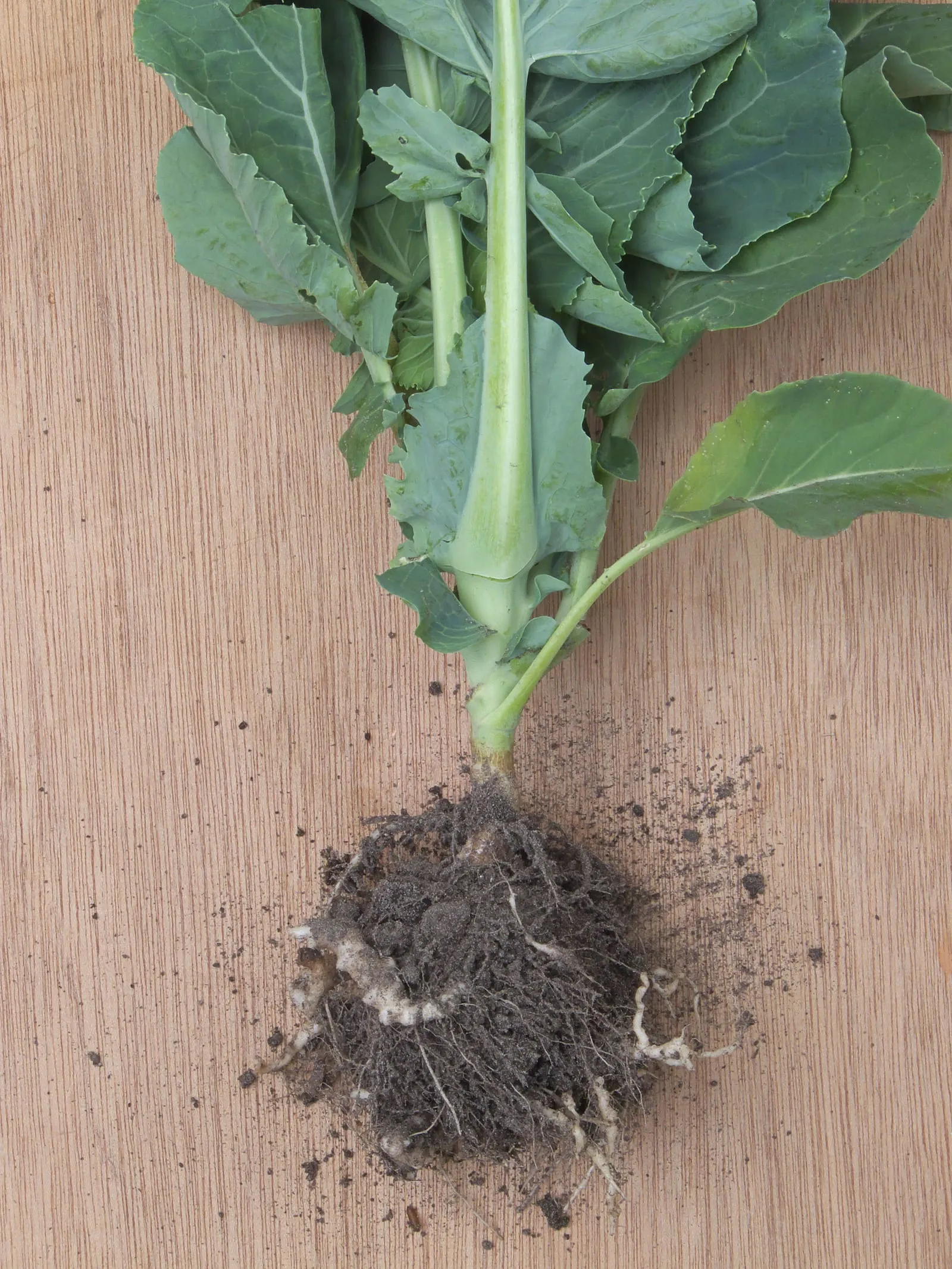
Plasmodiophora brassicae
Soil-borne disease causing characteristic distorted club-shaped roots on brassicas. Persists in soil for 10-20 years; the dominant brassica pathogen in acidic poorly-drained soils.
Modified care for zone 6b
The most regionally specific pressure in zone 6b is the brown marmorated stink bug, which has become a significant pest across much of the mid-Atlantic and southern New England portions of this zone. Stink bugs pierce sprout tissue and leave necrotic spots that affect both appearance and storability. Row covers installed at transplanting and removed only for harvest reduce feeding damage considerably.
Clubroot, caused by the soil pathogen Plasmodiophora brassicae, persists in many zone 6b soils, particularly in the East. Maintaining soil pH above 7.2 suppresses spore germination. Testing and liming before planting into any bed with a brassica disease history is a practical precaution, not an optional one.
Downy mildew becomes problematic during humid summers when air circulation is limited. Spacing plants at least 18 to 24 inches apart and avoiding overhead irrigation reduces incidence. Diablo and Falstaff carry better tolerance than older open-pollinated varieties, making them the more reliable choice on sites with restricted airflow or shade.
Frequently asked questions
- Does frost actually improve the flavor of Brussels sprouts in zone 6b?
Light frosts in the 28 to 32°F range trigger the conversion of starches to sugars in the sprout tissue, noticeably improving sweetness and reducing bitterness. This happens reliably in zone 6b during October and November. Timing harvest after the first few frosts rather than before is a consistent quality improvement with no added risk to the crop.
- What is the main reason Brussels sprouts open up instead of forming tight heads?
Loose, open sprouts are most often caused by high temperatures during sprout development, nitrogen excess, or inconsistent soil moisture. In zone 6b, transplanting too early can put sprout formation into the heat of August. Targeting transplant dates that push development into September significantly reduces this problem.
- Can Brussels sprouts survive the winter in zone 6b?
Zone 6b winters reach -5 to 0°F at their coldest, which will kill unprotected Brussels sprout plants. However, plants can be mulched heavily at the base and harvested through December on mild years. Overwintering for a second season is not viable; treat the crop as a single-season annual.
+−
+−
+−
Brussels Sprouts in adjacent zones
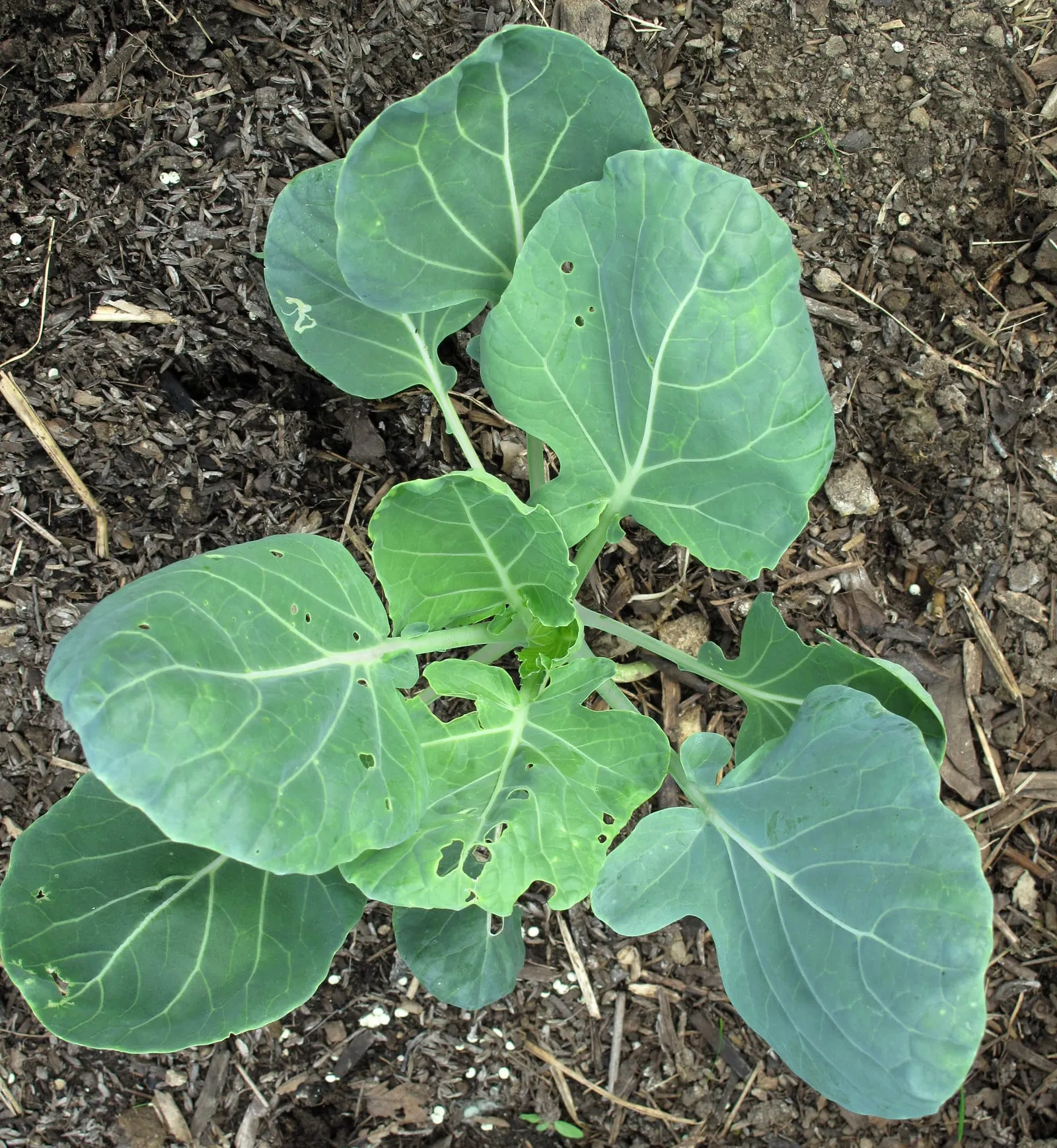
Image: "Young brussels sprouts plant", by Downtowngal, via Wikimedia Commons, licensed under CC-BY Source.

Related