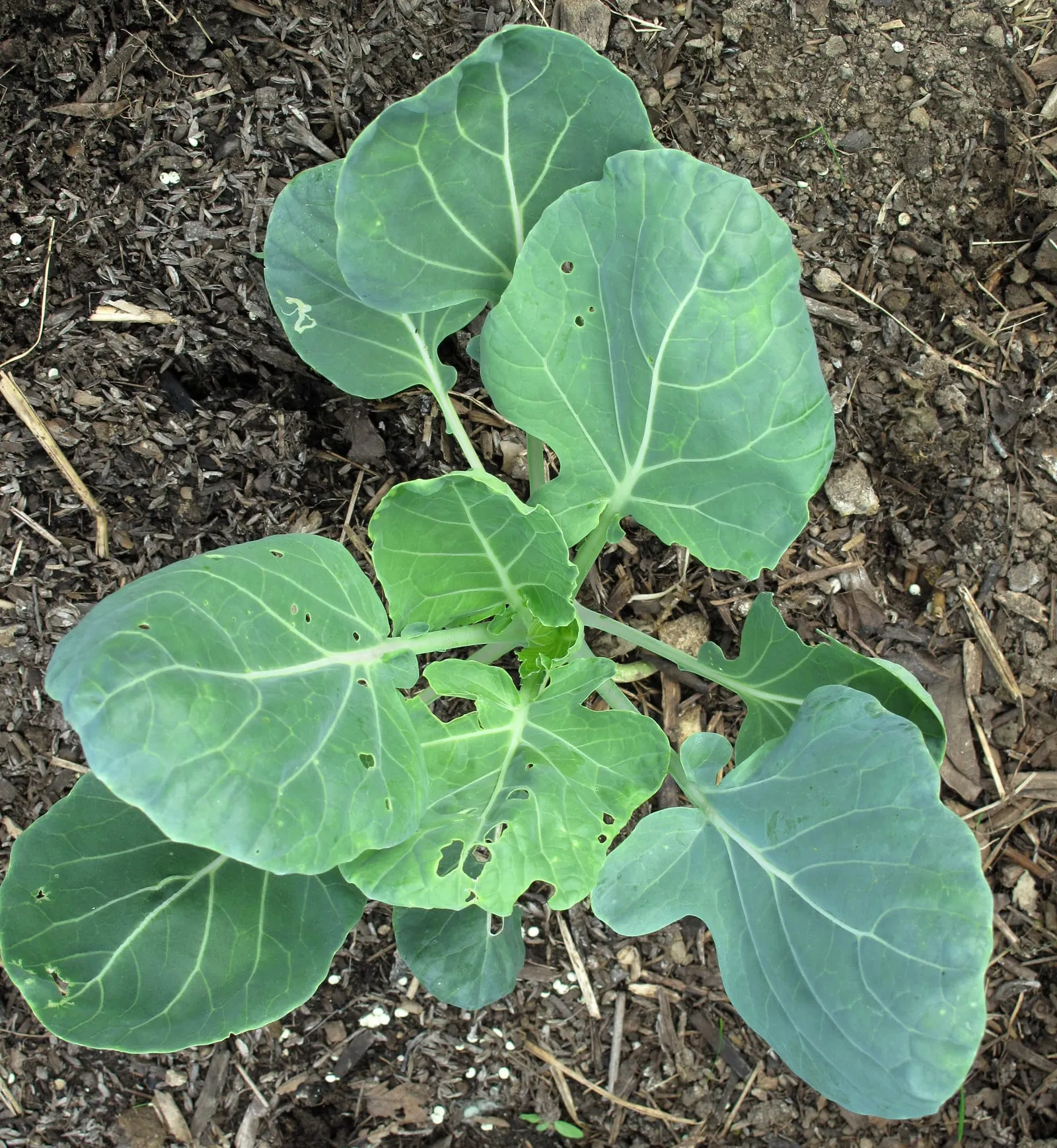
vegetable in zone 3b
Growing brussels sprouts in zone 3b
Brassica oleracea var. gemmifera
- Zone
- 3b -35°F to -30°F
- Growing season
- 100 days
- Suitable varieties
- 1
- Days to harvest
- 90 to 110
The verdict
Brussels sprouts are a cool-season crop that performs well in cold northern climates, but zone 3b's 100-day growing season sits at the outer edge of what most varieties require to reach full maturity. The limiting factor here is season length, not winter cold tolerance. Brussels sprouts tolerate frost readily, and their flavor measurably improves after temperatures drop below 50°F in fall. The critical variable is having enough frost-free days to develop sprouts before hard killing frosts end the season.
Long Island Improved, the primary variety suited for this zone, requires roughly 90 to 100 days from transplant. That leaves almost no buffer in a 100-day season. This is not a marginal zone because of temperature extremes threatening the standing crop; it is marginal because the calendar window for development is compressed to the point where timing errors are not recoverable. Gardeners who start seeds on schedule and manage transplant dates precisely can get consistent harvests. Those who miss the window by two weeks often do not.
Recommended varieties for zone 3b
1 cultivar suited to this zone, with disease-resistance and zone-fit annotations.
| Variety | Notes | Zone fit | Disease resistance |
|---|---|---|---|
| Long Island Improved fits zone 3b | Sweet after frost, classic mild flavor; small dense sprouts on tall stalk. Roasting, sauteing, halved on the grill. Heritage open-pollinated, dependable home-garden variety. | | none noted |
Critical timing for zone 3b
Brussels sprouts do not bloom or set fruit in the conventional sense. They produce edible lateral buds along the stalk through late summer and fall. In zone 3b, where last spring frost typically falls in late May to early June and first fall frost arrives in late August to mid-September, the transplant-to-harvest window is narrow.
Seeds should be started indoors 4 to 6 weeks before the anticipated transplant date, placing the seed-starting window in early to mid-April. Transplants go out after last frost. Harvest begins roughly 90 to 100 days after transplanting, placing peak harvest in late August and early September, just as nighttime temperatures begin to cool. That cooling is an advantage, not a problem: sprout quality and sweetness improve markedly as temperatures drop toward freezing in fall.
Common challenges in zone 3b
- ▸ Short season
- ▸ Winter desiccation
- ▸ Site selection critical for fruit trees
Disease pressure to watch for
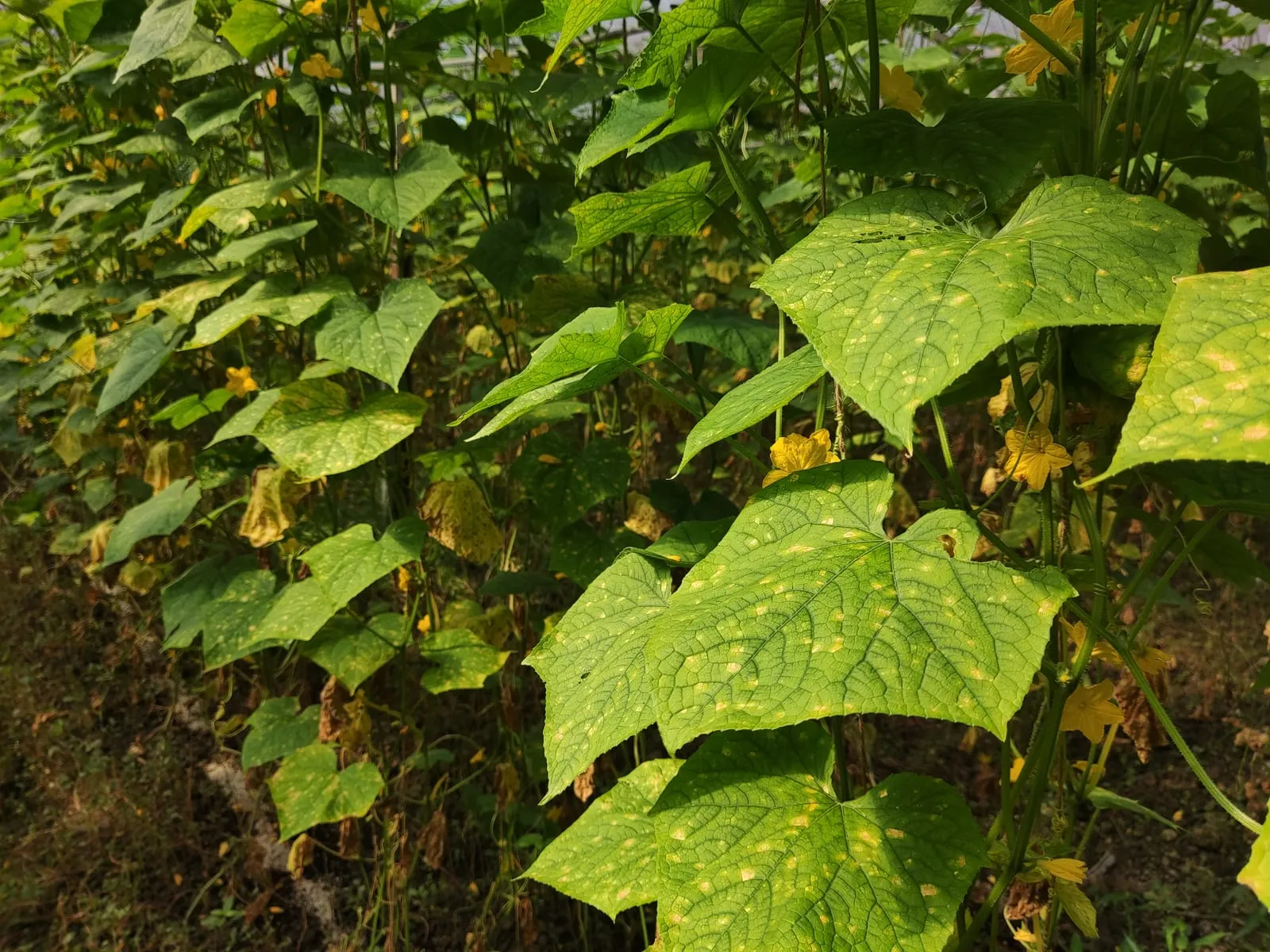
Pseudoperonospora cubensis (cucurbits) and others
Water mold (oomycete, not a true fungus) that thrives in cool damp conditions. Spreads rapidly through cucurbit and brassica plantings on wind-borne spores.
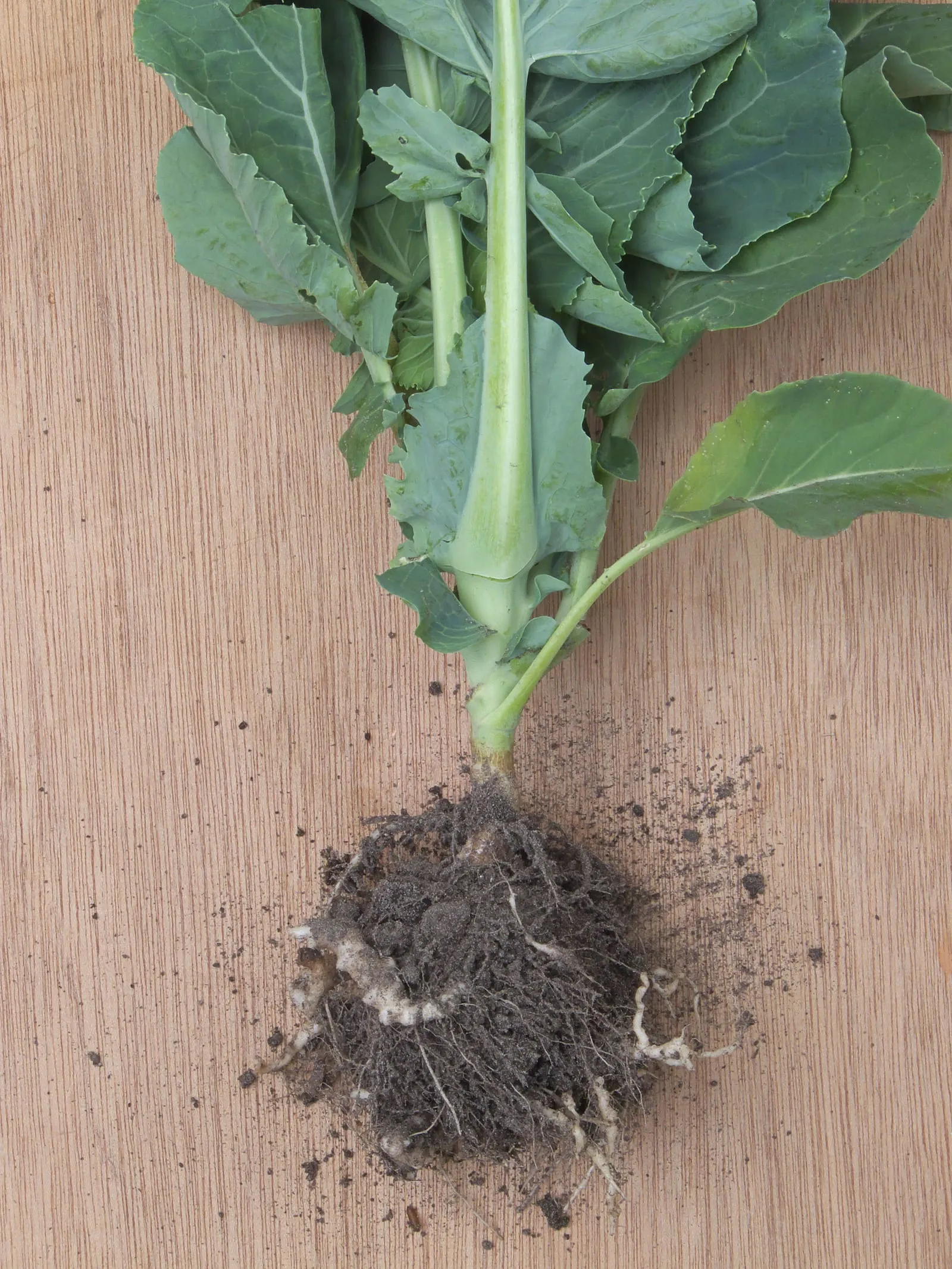
Plasmodiophora brassicae
Soil-borne disease causing characteristic distorted club-shaped roots on brassicas. Persists in soil for 10-20 years; the dominant brassica pathogen in acidic poorly-drained soils.
Modified care for zone 3b
The primary adaptation in zone 3b is strict timing discipline. Missing the transplant window by two weeks can mean plants do not mature before killing frosts arrive. Row covers can extend the usable season by two to three weeks on both ends and protect transplants from late cold snaps in early June.
Clubroot, a soil-borne pathogen, persists more aggressively in the acidic soils common across northern regions. Testing and raising soil pH to 7.0 to 7.2 before planting reduces clubroot pressure significantly. Avoid replanting brassicas in the same bed for at least three years.
Downy mildew becomes problematic when foliage stays wet in cool, humid conditions. Spacing plants at least 18 inches apart improves air circulation. Overhead irrigation should be avoided when possible, particularly in the evening.
Because replanting after a transplant failure is not feasible in a 100-day season, having backup transplants on hand at planting time is a practical hedge.
Frequently asked questions
- Can Brussels sprouts actually mature in zone 3b's short growing season?
Yes, but only with precise timing. Long Island Improved requires 90 to 100 days from transplant, which exactly matches zone 3b's ~100-day season. Seeds started indoors in early April and transplanted after last frost in late May or early June can reach harvest in late August and September. There is no margin for delays.
- Do Brussels sprouts need a certain number of chill hours like fruit trees?
No. Chill-hour requirements are specific to deciduous fruit trees and are not applicable to Brussels sprouts. What matters for Brussels sprouts is adequate cool growing conditions during development and a season long enough to reach maturity before hard frost kills the plant.
- What is clubroot and how serious is it in zone 3b?
Clubroot is a soil-borne pathogen that distorts brassica roots and stunts or kills plants. It persists for years in acidic soils. Raising soil pH to 7.0 to 7.2 and rotating brassicas out of affected beds for at least three years are the primary management strategies. There are no curative treatments once a plant is infected.
- Will a fall frost improve the flavor of Brussels sprouts?
Yes. Light frosts in the 28 to 32°F range trigger starch-to-sugar conversion in the sprouts, noticeably improving flavor. In zone 3b, the natural fall cooling pattern aligns well with harvest timing, making this a genuine advantage of growing Brussels sprouts in a cold climate.
+−
+−
+−
+−
Brussels Sprouts in adjacent zones
Image: "Young brussels sprouts plant", by Downtowngal, via Wikimedia Commons, licensed under CC-BY Source.

Related