vegetable in zone 4a
Growing brussels sprouts in zone 4a
Brassica oleracea var. gemmifera
- Zone
- 4a -30°F to -25°F
- Growing season
- 120 days
- Suitable varieties
- 3
- Days to harvest
- 90 to 110
The verdict
Brussels sprouts are a cool-season annual, so the concept of chill hours (relevant to dormant perennial fruits) does not apply here. What matters instead is season length and temperature range during the growing period. Zone 4a's 120-day frost-free window is workable but requires deliberate timing; most varieties need 80 to 100 days from transplant to first harvest, which fits within the available season when starts are grown indoors well before the last frost.
The cool summers typical of zone 4a are genuinely favorable for this crop. Brussels sprouts develop tighter, sweeter buttons when daytime temperatures stay in the 60s and 70s°F range. Extended heat pushes plants toward loose, bitter heads. In that sense, zone 4a is closer to a sweet spot than a marginal zone, provided the planting window is managed tightly. Varieties in the input set, including Diablo (approximately 82 days) and Long Island Improved (approximately 90 days), finish within the zone's season. Falstaff, the red-pigmented selection, carries similar maturity timing and tolerates light fall frosts well.
Recommended varieties for zone 4a
3 cultivars suited to this zone, with disease-resistance and zone-fit annotations.
| Variety | Notes | Zone fit | Disease resistance |
|---|---|---|---|
| Long Island Improved fits zone 4a | Sweet after frost, classic mild flavor; small dense sprouts on tall stalk. Roasting, sauteing, halved on the grill. Heritage open-pollinated, dependable home-garden variety. | | none noted |
| Diablo fits zone 4a | Sweet-rich after frost, dense uniform sprouts; the commercial fresh-market hybrid. Roasting, halved with bacon, soups. High yield, holds in field through hard freezes. | | none noted |
| Falstaff fits zone 4a | Sweet, tender, deep purple-red sprouts that hold color when roasted; ornamental as well as edible. Roasting, fresh, raw on platters. | | none noted |
Critical timing for zone 4a
Zone 4a's last spring frost typically falls in late May to early June, with the first hard fall frost arriving in early September. That leaves a frost-free working window of roughly 90 to 100 days, which is tight but sufficient with transplants.
Seeds should be started indoors in late March to early April, 6 to 8 weeks before the expected transplant date. Seedlings move outside after the last frost, following a 7 to 10 day hardening period. Harvest begins in late August for early varieties and continues into October. Light frosts in the 28 to 32°F range actually improve button quality by promoting sugar conversion in the plant tissue. The primary timing risk is a late spring cold snap after transplanting; established plants tolerate brief dips, but newly set seedlings can stall if hit hard.
Common challenges in zone 4a
- ▸ Late frosts damage early bloomers
- ▸ Limited peach varieties
Disease pressure to watch for
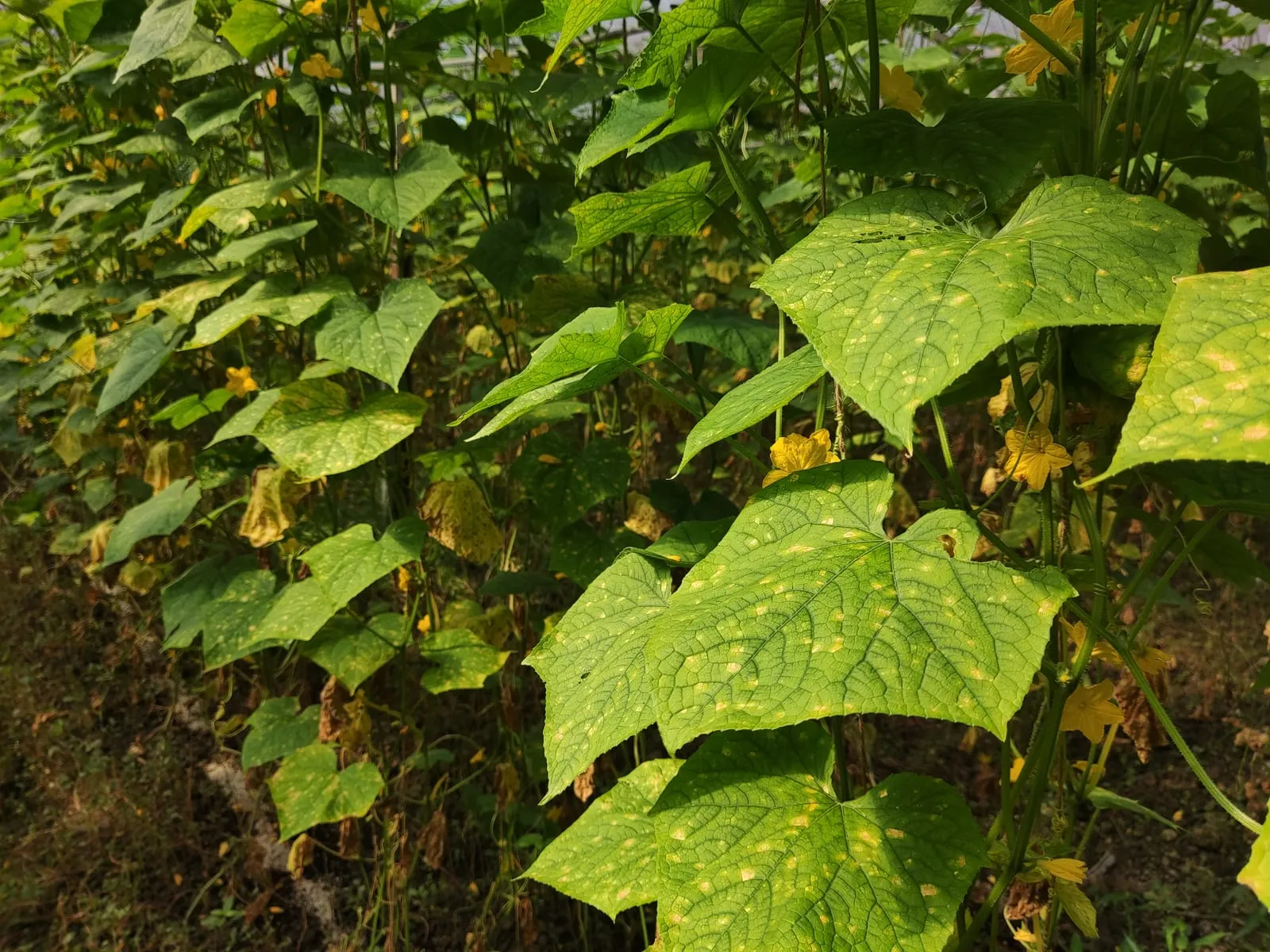
Pseudoperonospora cubensis (cucurbits) and others
Water mold (oomycete, not a true fungus) that thrives in cool damp conditions. Spreads rapidly through cucurbit and brassica plantings on wind-borne spores.
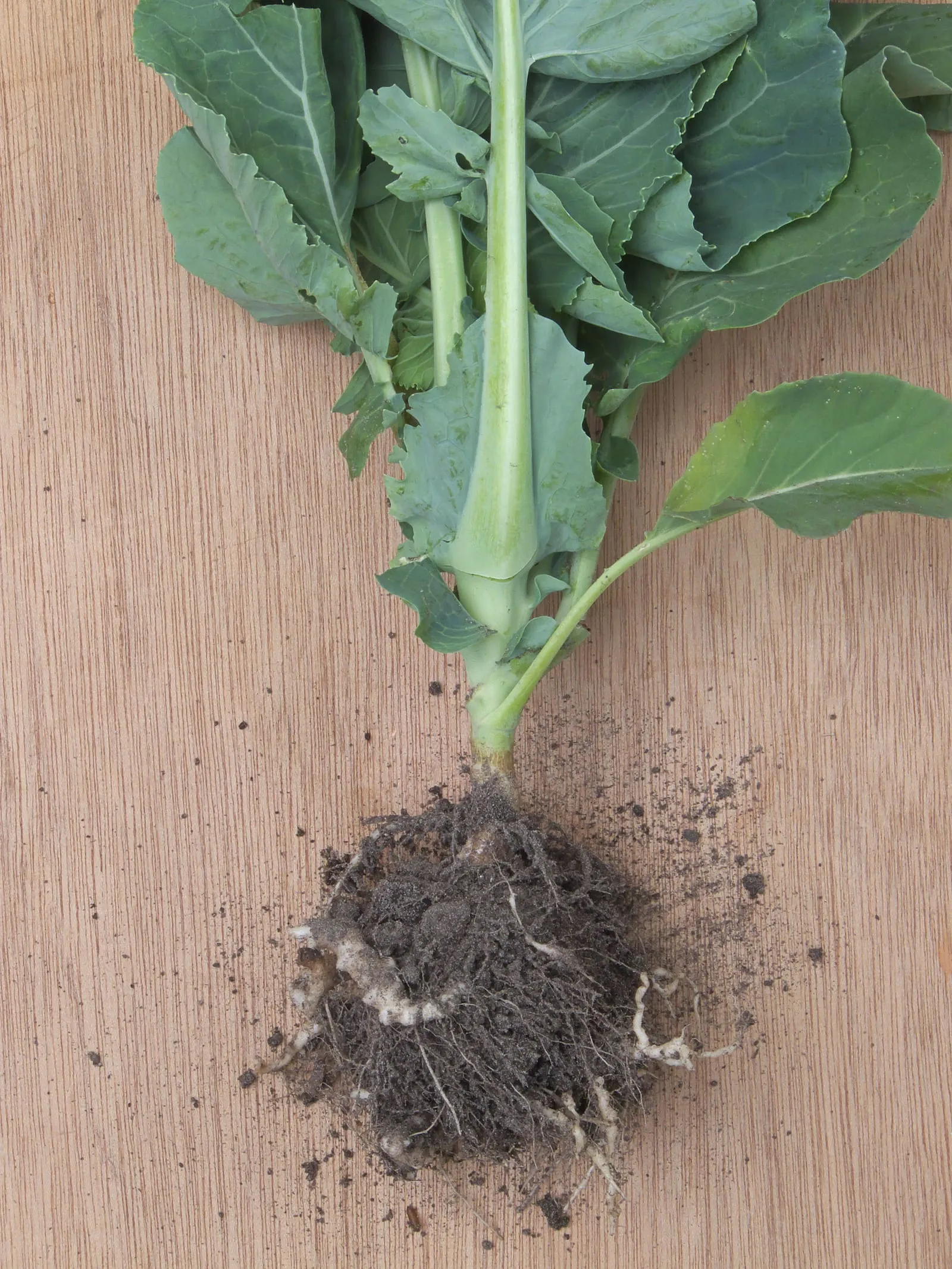
Plasmodiophora brassicae
Soil-borne disease causing characteristic distorted club-shaped roots on brassicas. Persists in soil for 10-20 years; the dominant brassica pathogen in acidic poorly-drained soils.
Modified care for zone 4a
The compressed season in zone 4a makes starting transplants indoors non-negotiable. Direct sowing in the garden rarely allows enough time to reach a full harvest before fall frosts end the season. Start seeds under lights in late March and plan on 6 to 8 weeks of indoor growth before transplanting.
The cool, moist conditions common in zone 4a increase pressure from both downy mildew and clubroot, two diseases listed for this crop. Clubroot is the more serious long-term concern; the pathogen persists in soil for up to 20 years. Strict three-year brassica rotation and maintaining soil pH above 7.0 are the primary management tools, as the spores are less active in alkaline conditions. Downy mildew flares during wet stretches in June and July; removing affected lower leaves promptly and switching to drip irrigation where possible reduces humidity around the canopy. Site selection favoring good air circulation and drainage gives the crop a meaningful advantage in this climate.
Brussels Sprouts in adjacent zones
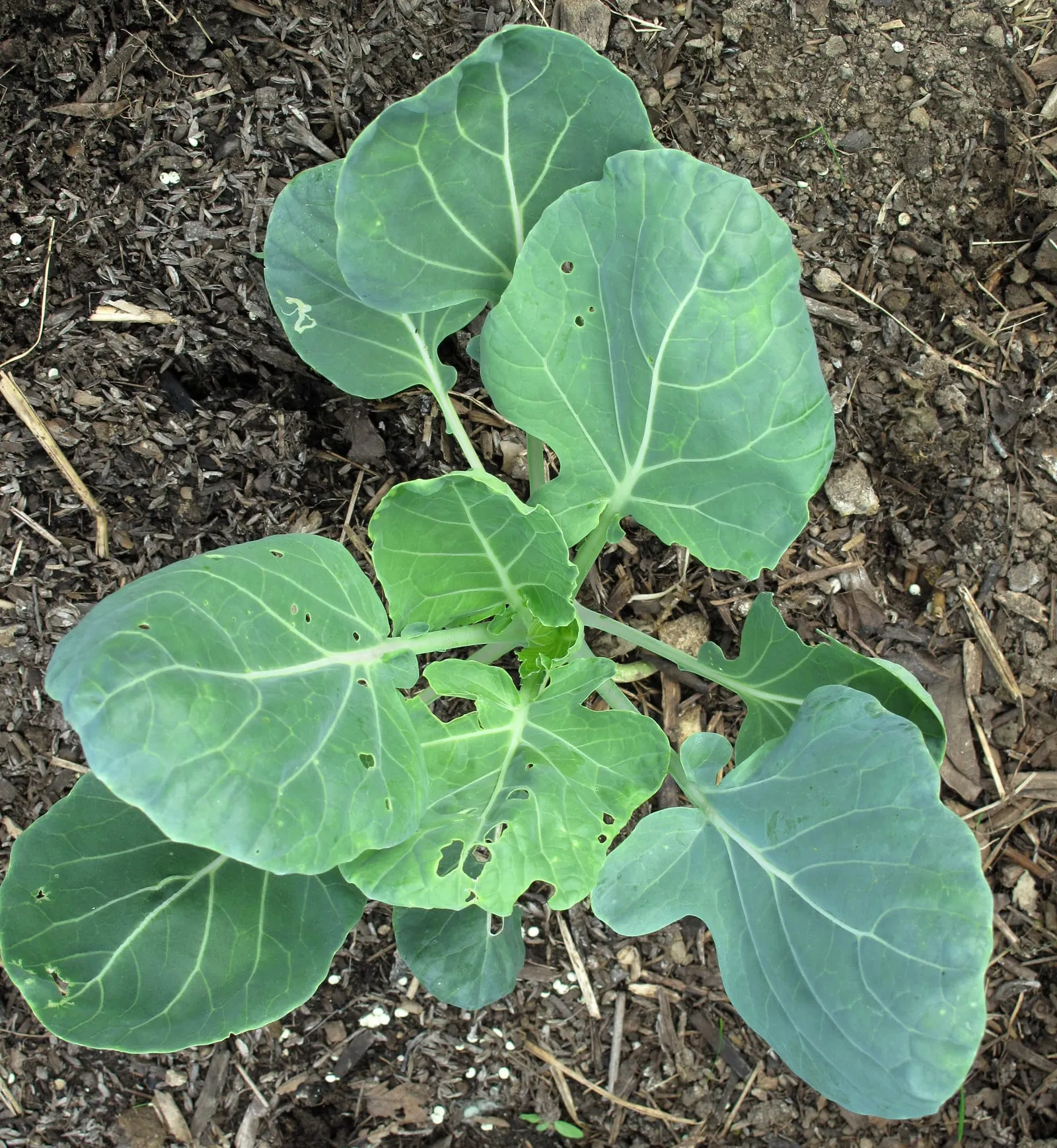
Image: "Young brussels sprouts plant", by Downtowngal, via Wikimedia Commons, licensed under CC-BY Source.

Related