vegetable in zone 4b
Growing brussels sprouts in zone 4b
Brassica oleracea var. gemmifera
- Zone
- 4b -25°F to -20°F
- Growing season
- 130 days
- Suitable varieties
- 3
- Days to harvest
- 90 to 110
The verdict
Brussels sprouts are genuinely well-suited to zone 4b, not a marginal case. Unlike warm-season crops that strain against a 130-day window, this is a cool-season brassica that performs better in cold climates than in mild ones. The crop requires sustained cool temperatures through summer to develop tight, dense sprouts, and light fall frost actively improves flavor by converting starches to sugars. Zone 4b delivers that sequence reliably.
The 130-day growing season is workable but leaves little buffer. Varieties like Diablo (approximately 100 days to maturity) and Long Island Improved (approximately 105 days) can reach full harvest before killing frosts if transplants go in promptly after the last spring frost. Falstaff, a purple-leaved type with similar timing, offers comparable frost tolerance and some added visual distinction.
The zone's -25°F to -20°F winter lows are irrelevant to crop performance since Brussels sprouts are grown as an annual and cleared before those temperatures arrive. The real constraint here is calendar precision, not climate incompatibility.
Recommended varieties for zone 4b
3 cultivars suited to this zone, with disease-resistance and zone-fit annotations.
| Variety | Notes | Zone fit | Disease resistance |
|---|---|---|---|
| Long Island Improved fits zone 4b | Sweet after frost, classic mild flavor; small dense sprouts on tall stalk. Roasting, sauteing, halved on the grill. Heritage open-pollinated, dependable home-garden variety. | | none noted |
| Diablo fits zone 4b | Sweet-rich after frost, dense uniform sprouts; the commercial fresh-market hybrid. Roasting, halved with bacon, soups. High yield, holds in field through hard freezes. | | none noted |
| Falstaff fits zone 4b | Sweet, tender, deep purple-red sprouts that hold color when roasted; ornamental as well as edible. Roasting, fresh, raw on platters. | | none noted |
Critical timing for zone 4b
Zone 4b last spring frosts typically fall in mid-May. Brussels sprouts seeds should be started indoors in late February or early March, providing 6 to 8 weeks of indoor growth before transplanting. Hardened transplants go out in mid to late May.
The crop does not produce edible flowers. Sprout formation begins in late August, with harvest running from September into October. Zone 4b's first fall frosts typically arrive in late September to early October, and this timing works in the crop's favor: light frost after sprouts reach full size noticeably sweetens the harvest. Hard freezes below roughly 20°F can damage unharvested sprouts, so most zone 4b growers work through the harvest in October before temperatures drop further. The window is predictable and the timing, when managed correctly, produces some of the best-flavored sprouts in the crop's range.
Common challenges in zone 4b
- ▸ Spring frost timing
- ▸ Apple scab pressure
- ▸ Cane berry winter dieback
Disease pressure to watch for
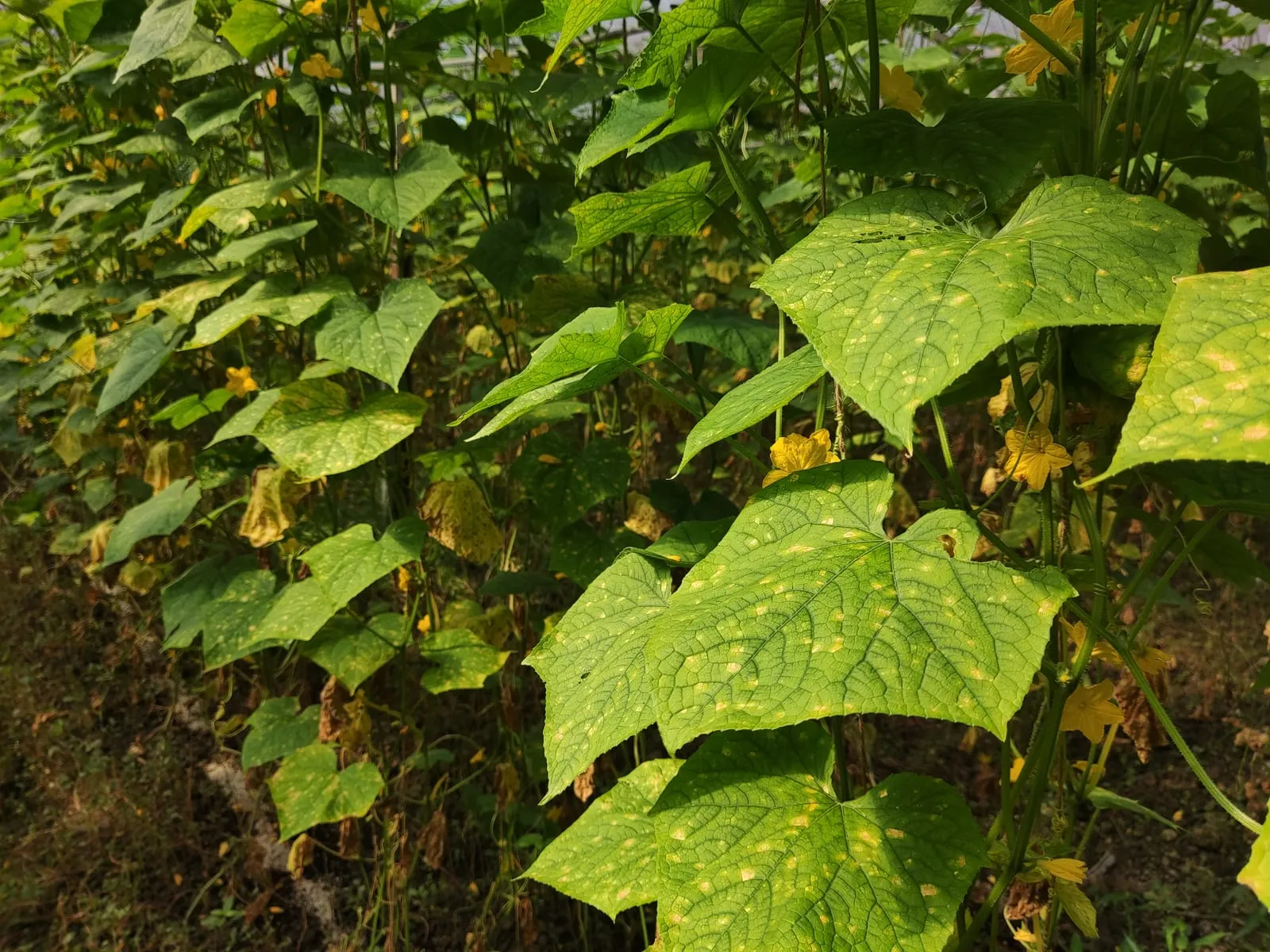
Pseudoperonospora cubensis (cucurbits) and others
Water mold (oomycete, not a true fungus) that thrives in cool damp conditions. Spreads rapidly through cucurbit and brassica plantings on wind-borne spores.
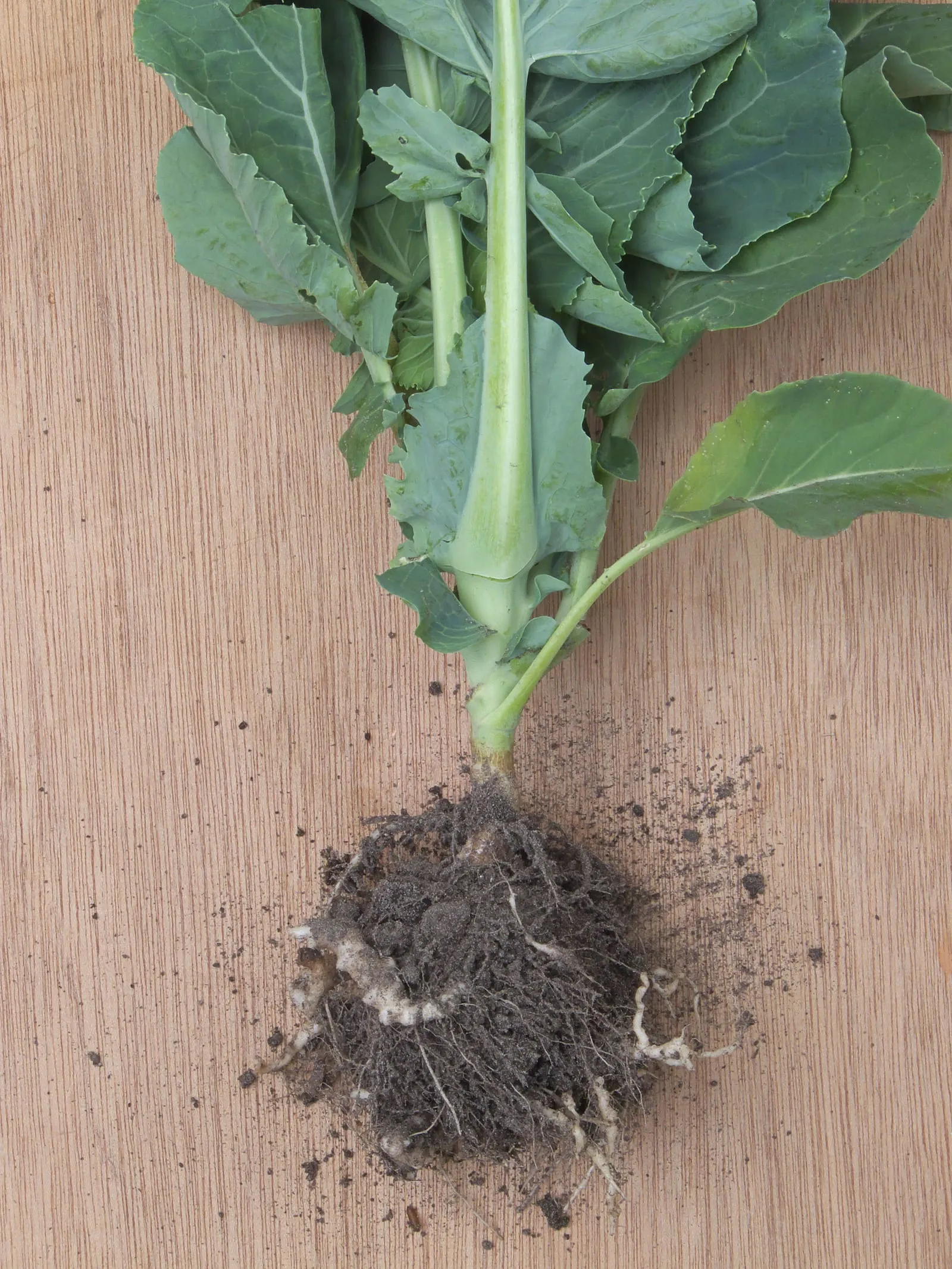
Plasmodiophora brassicae
Soil-borne disease causing characteristic distorted club-shaped roots on brassicas. Persists in soil for 10-20 years; the dominant brassica pathogen in acidic poorly-drained soils.
Modified care for zone 4b
The most consequential adjustment in zone 4b is starting seeds on schedule. A mid-May transplant date requires seeds in trays by late February or no later than the first week of March. Skipping or compressing this window is the most common reason zone 4b crops fail to mature before fall.
Clubroot, caused by the soilborne pathogen Plasmodiophora brassicae, persists in acidic soils and builds up under repeated brassica plantings. Keeping soil pH at 7.0 or above substantially reduces infection pressure. A minimum 4-year rotation away from any brassica family crop is practical prevention; once established in a bed, clubroot cannot be eradicated.
Downy mildew favors the cool, humid conditions that zone 4b summers produce during wet stretches. Wide plant spacing and drip irrigation rather than overhead watering reduce the leaf wetness that drives infection, usually without requiring fungicide applications.
Frequently asked questions
- Is zone 4b too cold for Brussels sprouts to overwinter?
Brussels sprouts are grown as annuals and are not intended to overwinter in zone 4b. The zone's minimum temperatures of -25°F to -20°F would kill the plants. Harvest is completed in October before hard freezes arrive, so winter cold is not a factor in normal production.
- Why do Brussels sprouts taste better after frost?
Exposure to light frost triggers the plant to convert stored starches into sugars, measurably improving sweetness. This is a consistent, well-documented phenomenon, not a gardening myth. Zone 4b's reliable fall frosts in late September and October make this flavor improvement predictable rather than incidental.
- Which Brussels sprouts variety matures fastest for zone 4b's short season?
Diablo is typically listed at around 100 days to maturity, making it a reliable choice for zone 4b's 130-day window. Long Island Improved runs about 5 days longer. Either variety reaches harvest in time if transplants go out promptly in mid-May.
+−
+−
+−
Brussels Sprouts in adjacent zones
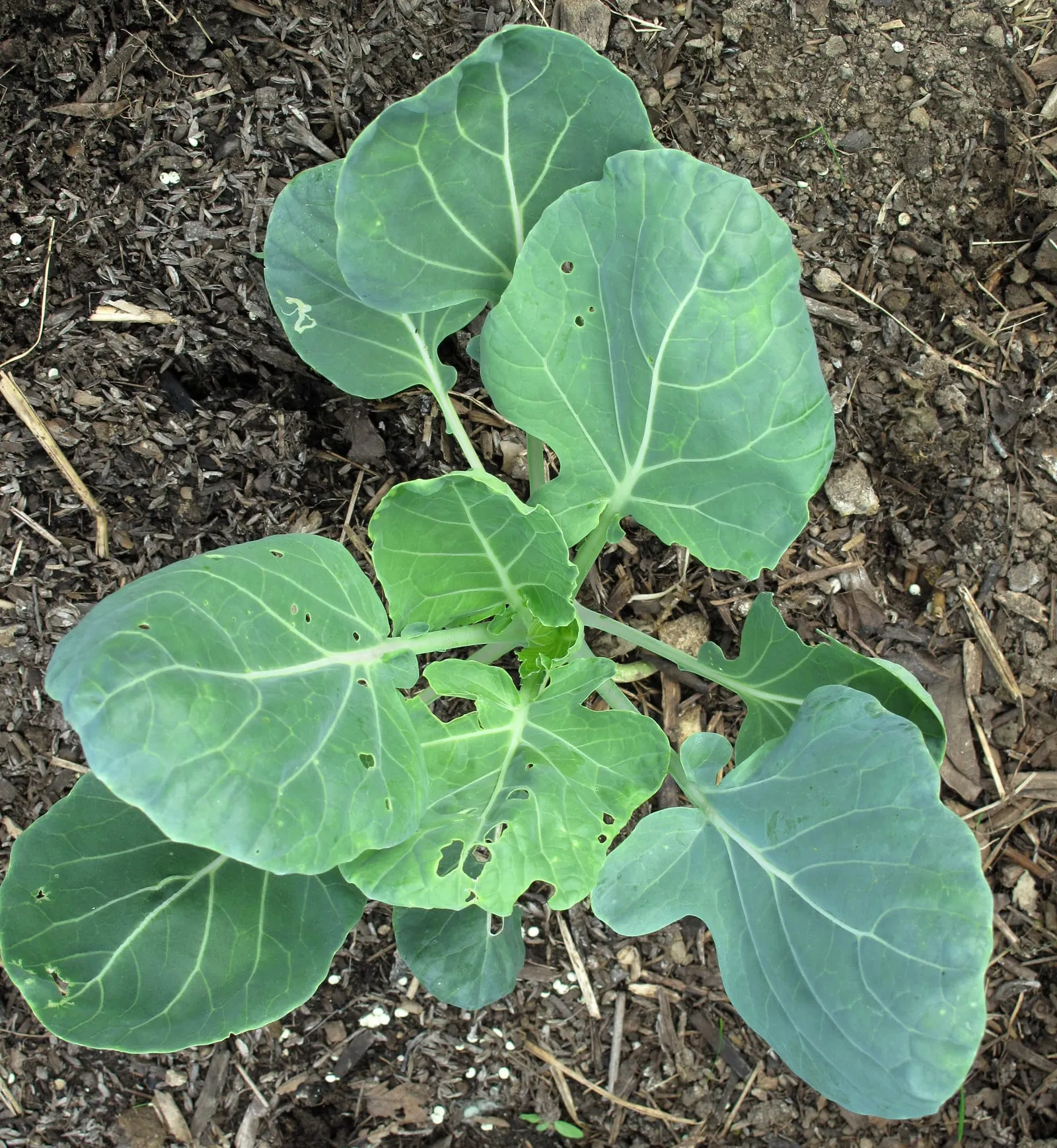
Image: "Young brussels sprouts plant", by Downtowngal, via Wikimedia Commons, licensed under CC-BY Source.

Related