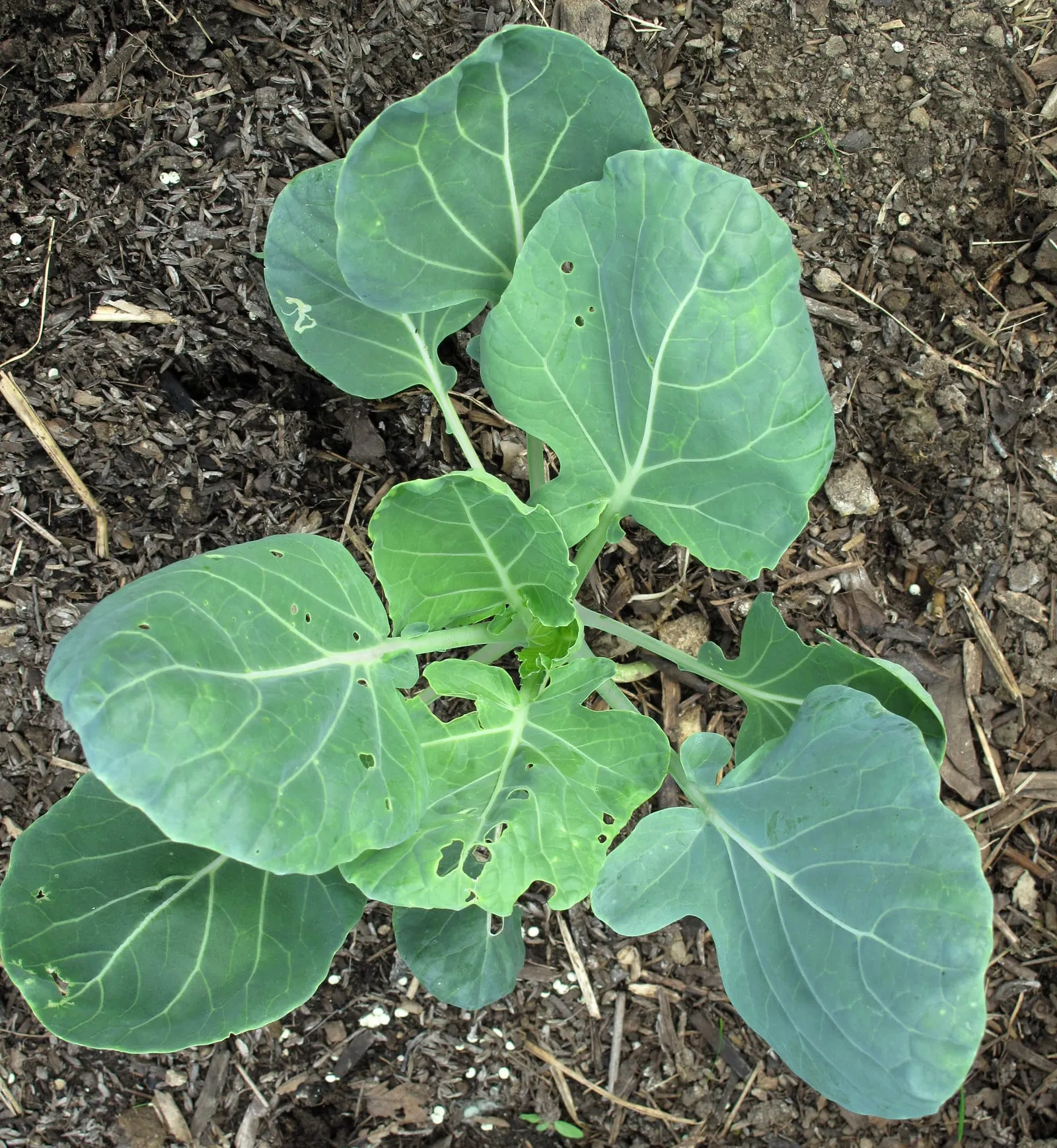
vegetable in zone 5a
Growing brussels sprouts in zone 5a
Brassica oleracea var. gemmifera
- Zone
- 5a -20°F to -15°F
- Growing season
- 150 days
- Suitable varieties
- 3
- Days to harvest
- 90 to 110
The verdict
Brussels sprouts are a cool-season brassica that performs reliably in zone 5a. The crop has no chill-hour requirement in the way fruit trees do; what it needs instead is an extended cool period during sprout development, typically sustained temperatures below 70°F. Zone 5a's winter lows of -20 to -15°F are largely irrelevant, since Brussels sprouts are grown and harvested as an annual well before hard freeze sets in.
Zone 5a is not a marginal zone for this crop. The cool falls, complete with light frosts that trigger sugar conversion in the sprouts, are close to ideal growing conditions. Varieties in the 80 to 100 day maturity range fit the 150-day growing season comfortably. Longer-season types exceeding 110 days are possible but leave little margin for late spring frost delays or an early October hard freeze. Downy mildew and clubroot represent the primary risk factors in zone 5a, not cold hardiness.
Recommended varieties for zone 5a
3 cultivars suited to this zone, with disease-resistance and zone-fit annotations.
| Variety | Notes | Zone fit | Disease resistance |
|---|---|---|---|
| Long Island Improved fits zone 5a | Sweet after frost, classic mild flavor; small dense sprouts on tall stalk. Roasting, sauteing, halved on the grill. Heritage open-pollinated, dependable home-garden variety. | | none noted |
| Diablo fits zone 5a | Sweet-rich after frost, dense uniform sprouts; the commercial fresh-market hybrid. Roasting, halved with bacon, soups. High yield, holds in field through hard freezes. | | none noted |
| Falstaff fits zone 5a | Sweet, tender, deep purple-red sprouts that hold color when roasted; ornamental as well as edible. Roasting, fresh, raw on platters. | | none noted |
Critical timing for zone 5a
In zone 5a, seeds are typically started indoors in mid-March to early April, roughly 6 to 8 weeks before the average last spring frost in late April to mid-May. Transplants go out after frost danger has passed, generally in late May. With a 90 to 100 day maturity window, most varieties reach harvest from late August through October.
Brussels sprouts improve noticeably after the first fall frost, which arrives in zone 5a around mid-October. Planning the transplant date to land harvest in that post-frost window, rather than before it, produces measurably sweeter sprouts. The late spring frost risk noted for zone 5a is real; transplants set out too early can suffer cold setback during a late freeze event, compressing the effective growing season from both ends.
Common challenges in zone 5a
- ▸ Fire blight in pears
- ▸ Cedar-apple rust
- ▸ Late spring frosts
Disease pressure to watch for
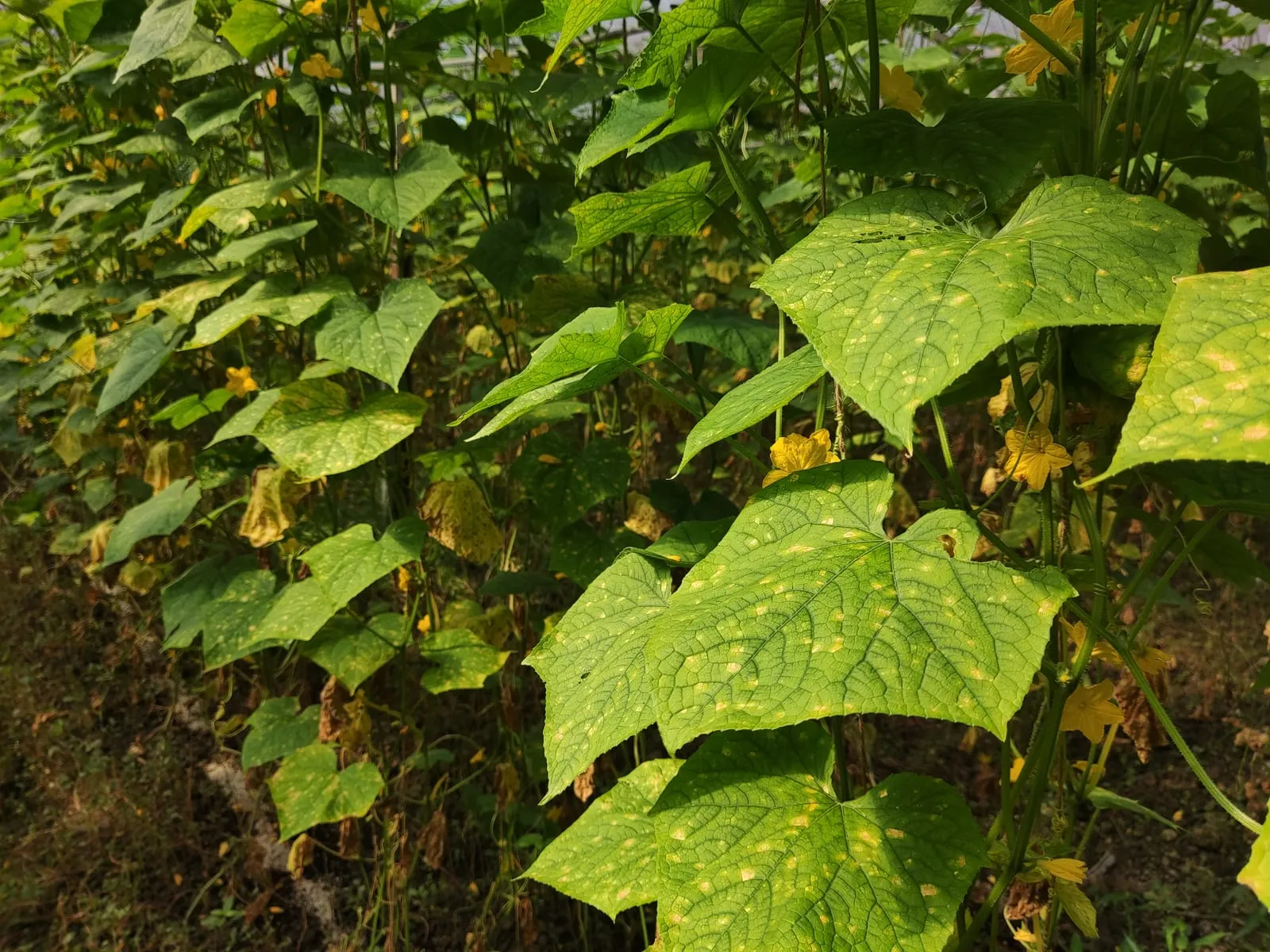
Pseudoperonospora cubensis (cucurbits) and others
Water mold (oomycete, not a true fungus) that thrives in cool damp conditions. Spreads rapidly through cucurbit and brassica plantings on wind-borne spores.
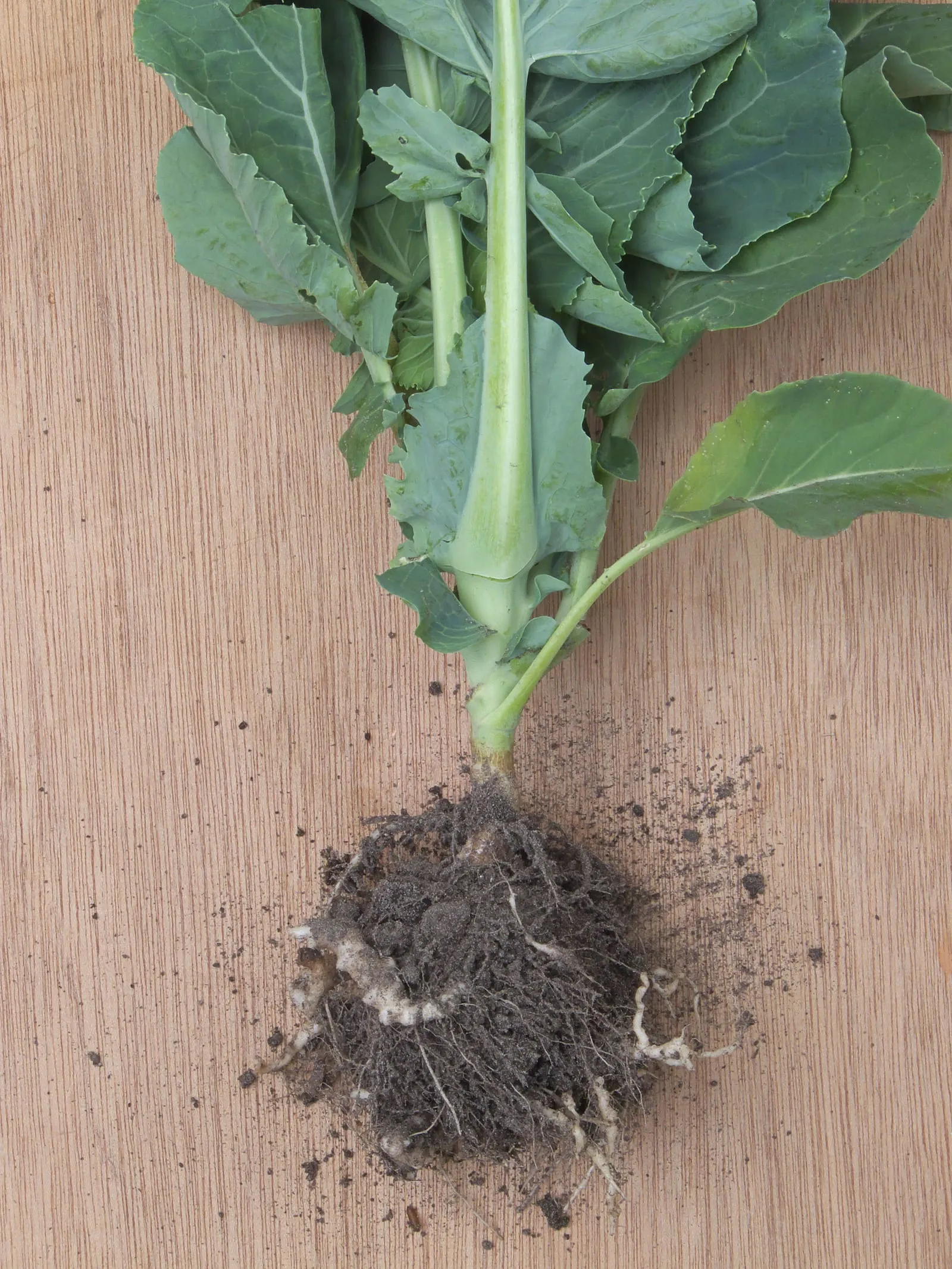
Plasmodiophora brassicae
Soil-borne disease causing characteristic distorted club-shaped roots on brassicas. Persists in soil for 10-20 years; the dominant brassica pathogen in acidic poorly-drained soils.
Modified care for zone 5a
The most critical adjustment for zone 5a growers is calendar discipline. With a 150-day season and Brussels sprouts needing 90 to 110 days from transplant, starting seeds indoors no later than late March keeps the schedule workable. Missing that window compresses harvest into shorter, less reliable late-fall conditions with little buffer before damaging freezes arrive.
Clubroot is a persistent soil-borne problem in heavier clay soils common across parts of zone 5a. Rotating brassicas on a 3 to 4 year cycle and maintaining soil pH above 7.0 suppresses it without fungicide intervention. Downy mildew intensifies during cool, humid spells in late summer; the variety Diablo has shown moderate field tolerance compared to older open-pollinated types. Applying floating row cover at transplant time serves dual purpose: it protects young transplants from late spring frost events and excludes early-season aphid pressure before plants are established enough to tolerate it.
Brussels Sprouts in adjacent zones
Image: "Young brussels sprouts plant", by Downtowngal, via Wikimedia Commons, licensed under CC-BY Source.

Related