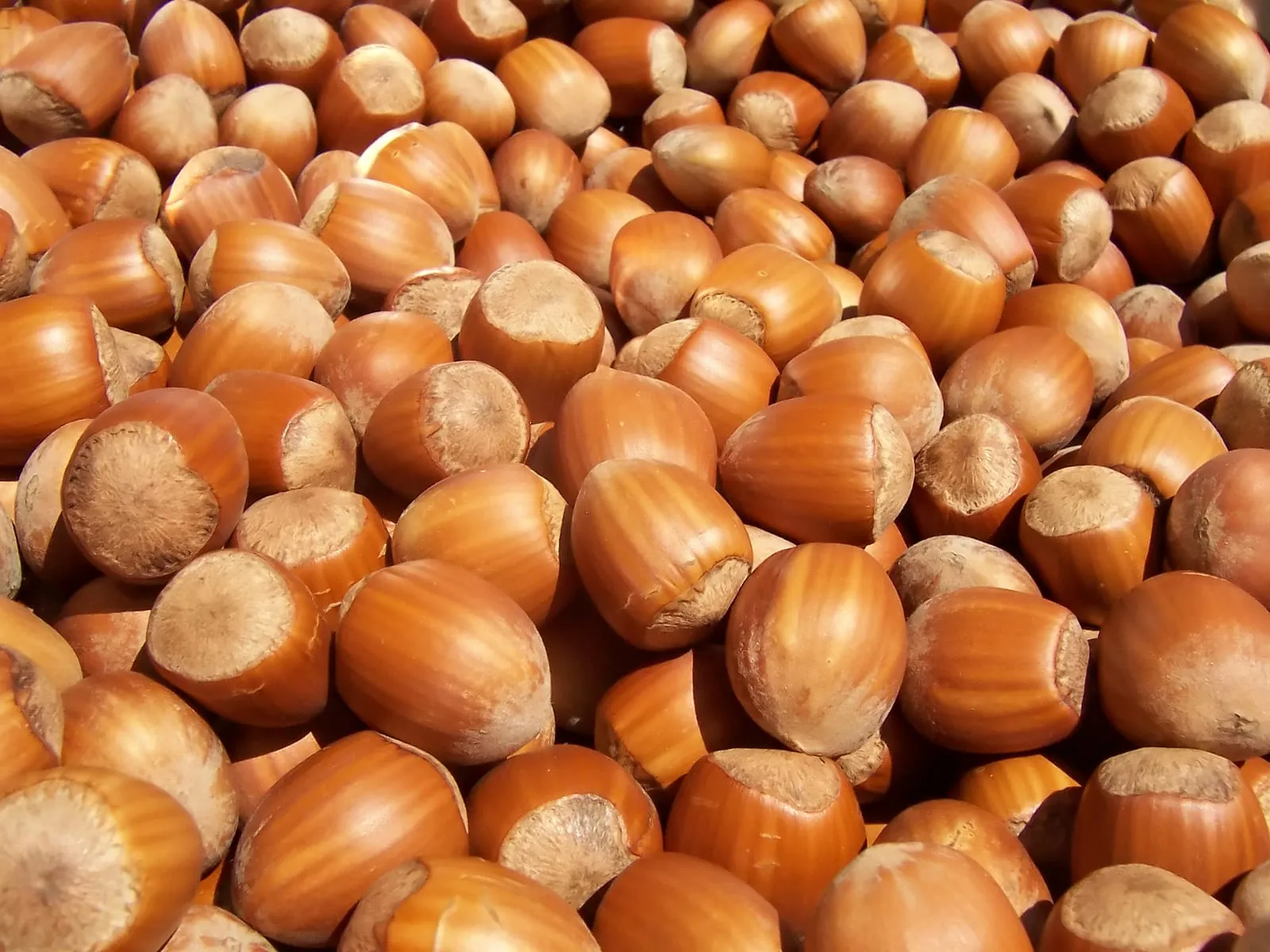
nut
Hazelnut
Corylus species and hybrids
USDA hardiness range
- Zones
- 4a–8a
- Chill hours
- 800 to 1500 below 45°F
- Days to harvest
- 100 to 130
- Sun
- Full
- Water
- Moderate
- Lifespan
- 40 to 70 years
Growing hazelnut
Hazelnuts (Corylus species and hybrids) are among the most productive nut-bearing shrubs available to growers in zones 4a through 8a. The chill-hour window of 800 to 1,500 hours suits much of the northern and central United States, making hazelnut viable in climates where walnuts and pecans struggle. The Pacific Northwest remains the dominant commercial region, but Oregon State University hybrid releases have expanded the practical range significantly east of the Cascades and into the Mid-Atlantic and Midwest.
What separates a productive planting from a failed one comes down to three factors. First, variety selection: European hazelnuts are vulnerable to Eastern Filbert Blight (EFB), a fungal disease that can eliminate unprotected plantings within a decade in the East. OSU releases like Jefferson, Yamhill, and Theta carry documented EFB resistance and are the appropriate starting point for any new planting outside the Pacific Northwest. Second, cross-pollination: hazelnuts are wind-pollinated and require at least two compatible varieties for reliable nut set; a single-variety planting produces very few nuts. Third, frost timing: hazelnut catkins release pollen unusually early, often in January or February in warmer zones, and a hard freeze after pollen shed can eliminate the crop for that year regardless of everything else done correctly.
In zone 8b and warmer, chill-hour accumulation becomes unreliable and hazelnut performance degrades. At the cold end, zone 4a growers can succeed with cold-hardy selections on protected sites.
Recommended varieties
See all 5 →5 cultivars for home growers, with notes on flavor, ripening, and disease resistance.
| Variety | Notes | Zone fit | Disease resistance |
|---|---|---|---|
| Jefferson | Sweet, rich, buttery; fresh, baking, confections, butter. Large round nuts. The Oregon State release that resists Eastern Filbert Blight, the standard for new commercial plantings. Pair with Eta or Theta as pollinizer. | |
|
| Yamhill | Sweet, rich flavor, smaller round nuts; fresh and processing. Compact OSU release with strong EFB resistance, productive in cooler sites. | |
|
| Theta | Sweet, rich, large nuts with easy crack-out; baking and fresh. OSU pollinizer for Jefferson, EFB-resistant, productive in its own right. | |
|
| American Hazelnut | Sweet, mild, small nuts; fresh, baking. Native Corylus americana, naturally EFB-tolerant. Multi-stem shrub form (8-15 ft), suitable for hedgerows. Lower yields than European hybrids. | |
|
| Beaked Hazelnut | Sweet, intensely flavored, very small nuts; foraging quality, hedgerow use. Native Corylus cornuta, extremely cold-hardy and disease-tolerant. Spreading shrub, ornamental husks. | | none noted |
Soil and site requirements
Hazelnuts prefer well-drained loam with a soil pH between 6.0 and 7.0. They are sensitive to waterlogged roots; standing water after rain events, even briefly, can cause root dieback and suppress yields over time. Sandy loams drain adequately but may require supplemental irrigation during dry summers. Heavy clay soils are workable if amended and slightly raised to improve drainage.
Full sun produces the best nut yields. Plantings in partial shade tend to reduce flower bud set and lower overall productivity. On sloped sites, south- or southeast-facing aspects warm earlier in spring, which can accelerate catkin release and increase frost exposure; north-facing slopes may delay bloom enough to avoid the worst late-frost windows in regions where that is a recurring problem.
Spacing depends on intended growth form. Managed as multi-stem shrubs, the typical approach for home plantings, hazelnuts need 10 to 15 feet between plants. If trained as single-trunk small trees, 15 to 20 feet is more appropriate. Crowding accelerates disease spread and reduces air circulation, both of which matter for EFB management.
For pollinizer placement, wind carries pollen across reasonable distances, but planting pollinizers within 50 feet of the primary variety is standard practice. On larger plantings, interplanting compatible varieties in alternating rows simplifies management.
Common diseases
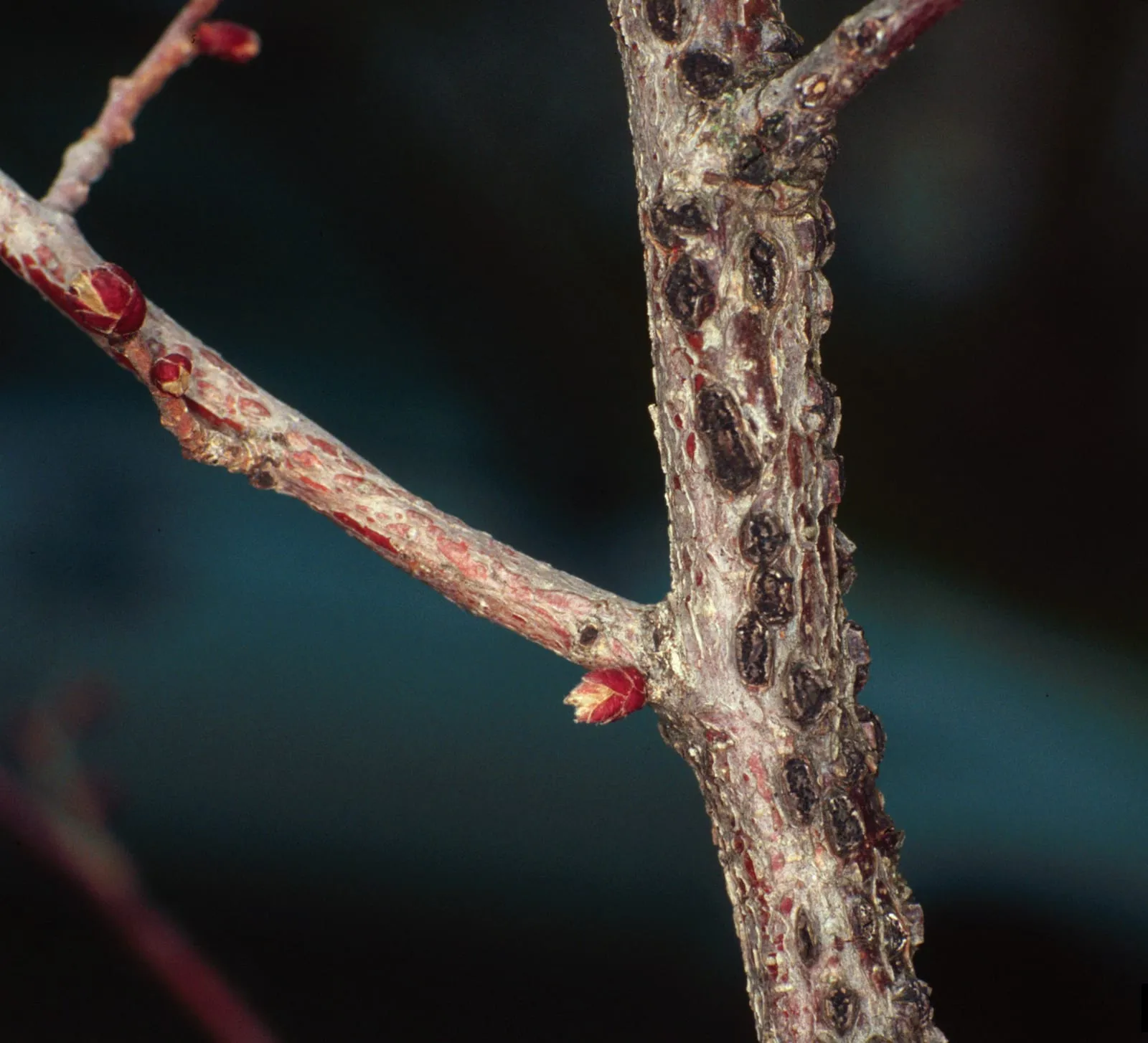
Anisogramma anomala
Native fungal disease of American hazelnut that devastates European hazelnut plantings, the limiting factor for commercial hazelnut culture in the East.
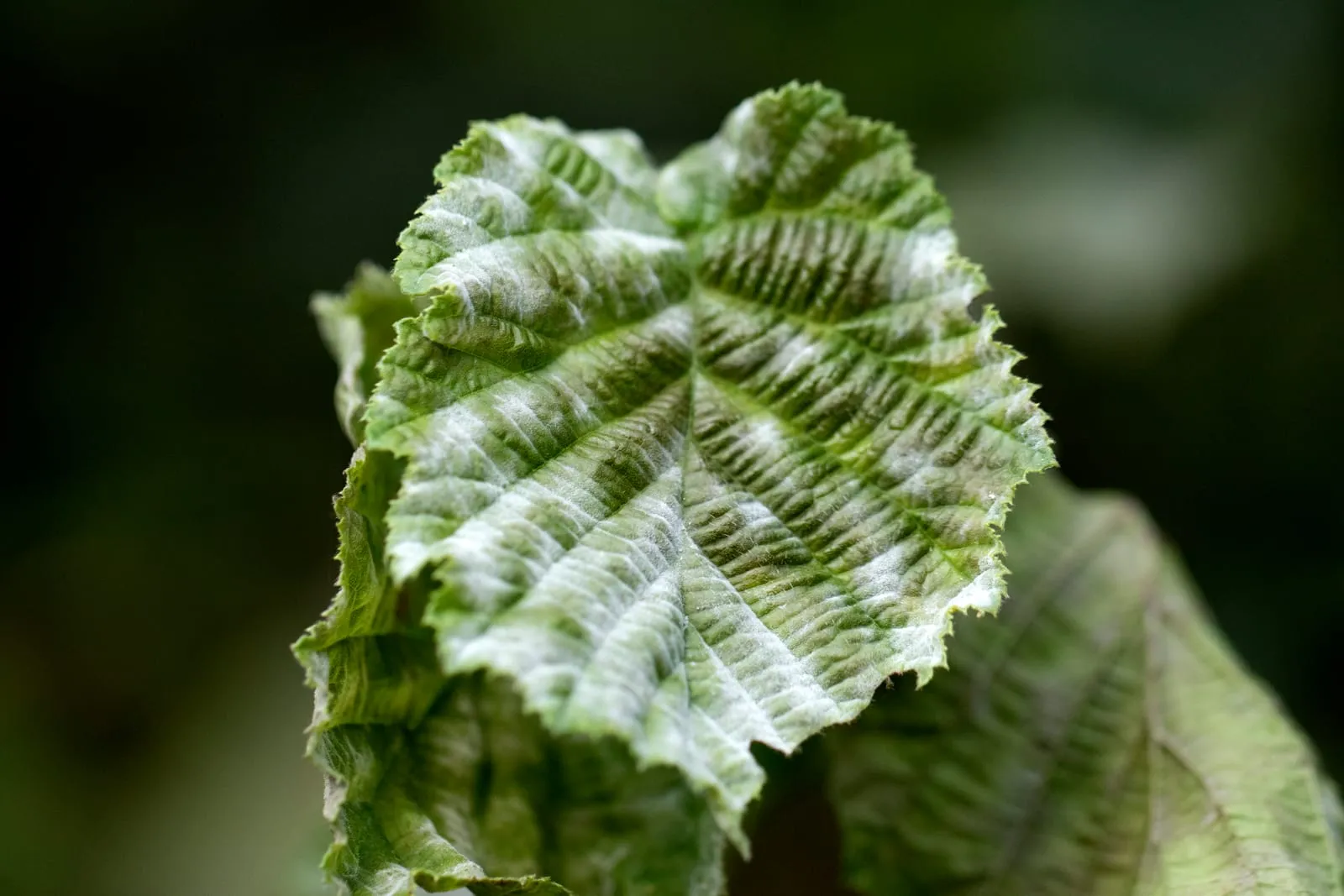
Xanthomonas arboricola pv. corylina
Bacterial disease that kills young hazelnut trees and damages established plantings, particularly during wet establishment.
Common pests
Common challenges
The most consequential challenge for hazelnut growers east of the Rocky Mountains is Eastern Filbert Blight, a fungal disease caused by Neonectria species that spreads by rain-dispersed spores and produces stem-girdling cankers. Susceptible European hazelnut varieties face a high probability of planting loss within 5 to 10 years in high-pressure regions of the East. The practical response is to plant only EFB-resistant varieties such as Jefferson, Yamhill, or Theta; resistant varieties carry no yield penalty and eliminate the need for intensive spray programs. The Oregon State Hazelnut Program publishes current resistance ratings as the breeding program releases new selections.
Pollination failure is a common source of low nut set that growers misattribute to weather or soil conditions. Hazelnuts are not self-fertile in any meaningful sense; a single-variety planting will produce few or no nuts regardless of how well other conditions are met. At minimum, plant two compatible varieties. Jefferson requires Eta or Theta as a pollinizer, and compatibility should be verified before purchasing.
Frost during catkin release is an inherent seasonal risk. Hazelnut pollen shed can begin as early as December or January in zones 7 and 8a; a hard freeze after pollen release but before pistillate flower receptivity ends the crop for that season. Selecting sites with adequate cold air drainage and avoiding low-lying frost pockets reduces but does not eliminate this exposure.
Companion plants
Frequently asked questions
- What chill hours do hazelnuts require?
Most hazelnut varieties require between 800 and 1,500 hours below 45°F during winter dormancy. Higher-chill varieties suit zones 4 through 6; lower-chill selections extend the range into zones 7 and 8a. Matching variety to local chill accumulation is essential for consistent annual production.
- What USDA hardiness zones are suitable for hazelnut?
Hazelnuts grow in zones 4a through 8a. Performance is most consistent in zones 5 through 7. Zone 8b and warmer regions accumulate insufficient chill hours for most varieties. At the cold end, zone 4a growers can succeed with cold-hardy Corylus americana hybrids on protected, well-drained sites.
- How long does it take a hazelnut planting to produce nuts?
Hazelnuts typically begin producing nuts 3 to 5 years after planting, with full production established by year 7 to 10. Individual nuts reach harvest maturity 100 to 130 days after pollination. Yields improve with age; productive plantings can remain fruitful for 40 to 70 years.
- Do hazelnuts need a pollinator variety?
Hazelnuts are wind-pollinated and require at least two compatible varieties for reliable nut set. A single-variety planting will produce very few nuts. Jefferson pairs with Eta or Theta; Yamhill can serve as a pollinizer for several other selections. Plant pollinizers within 50 feet of the primary variety.
- What is Eastern Filbert Blight and how serious is it for home growers?
Eastern Filbert Blight (EFB) is a fungal disease caused by Neonectria species that produces stem-girdling cankers on susceptible hazelnut varieties. In the eastern United States, unprotected European hazelnuts face high mortality risk within a decade. Planting EFB-resistant OSU varieties such as Jefferson, Yamhill, or Theta is the primary and most effective management strategy.
- What is the main pest affecting hazelnut?
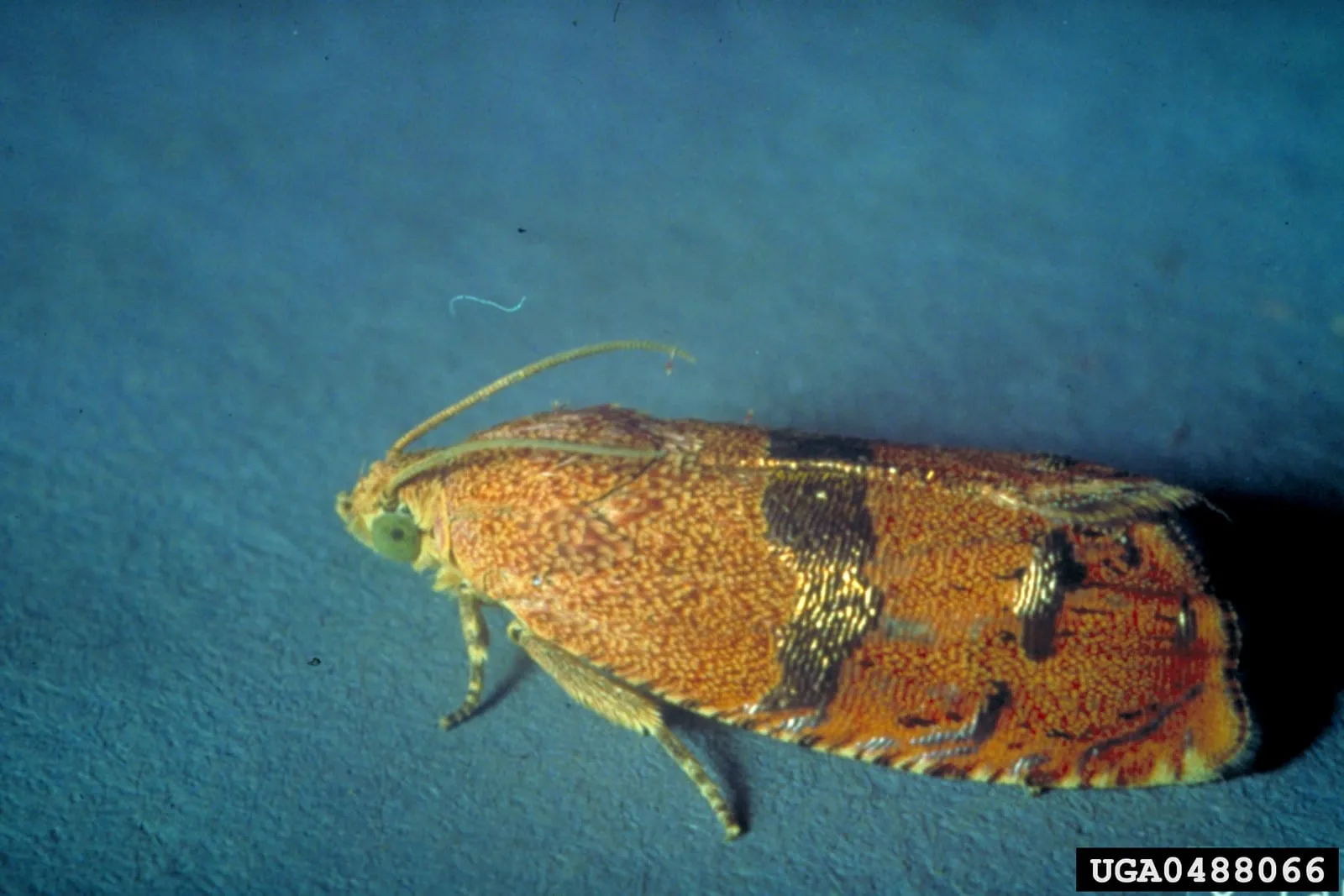
Filbertworm (Cydia latiferreana) is the most significant hazelnut pest in North America. Larvae bore into developing nuts, causing direct crop loss. Monitoring with pheromone traps and timing any spray applications to adult flight periods is the standard management approach for both commercial and home plantings.
- Which hazelnut varieties are best for growers outside the Pacific Northwest?
Jefferson, Yamhill, and Theta are Oregon State University releases with documented Eastern Filbert Blight resistance, making them the appropriate choices for growers in the East and Midwest. Jefferson produces large, buttery nuts suitable for fresh eating and baking; Yamhill is compact and productive on cooler sites; Theta functions as both a productive variety and a reliable pollinizer for Jefferson. The Cornell Hybrid Hazelnut program also develops selections suited to northeastern growing conditions.
+−
+−
+−
+−
+−
+−
+−
Sources
Image: "Hazelnuts", by Fir0002 at English Wikipedia, via Wikimedia Commons, licensed under CC-BY. Source.

Hazelnut by zone
Related