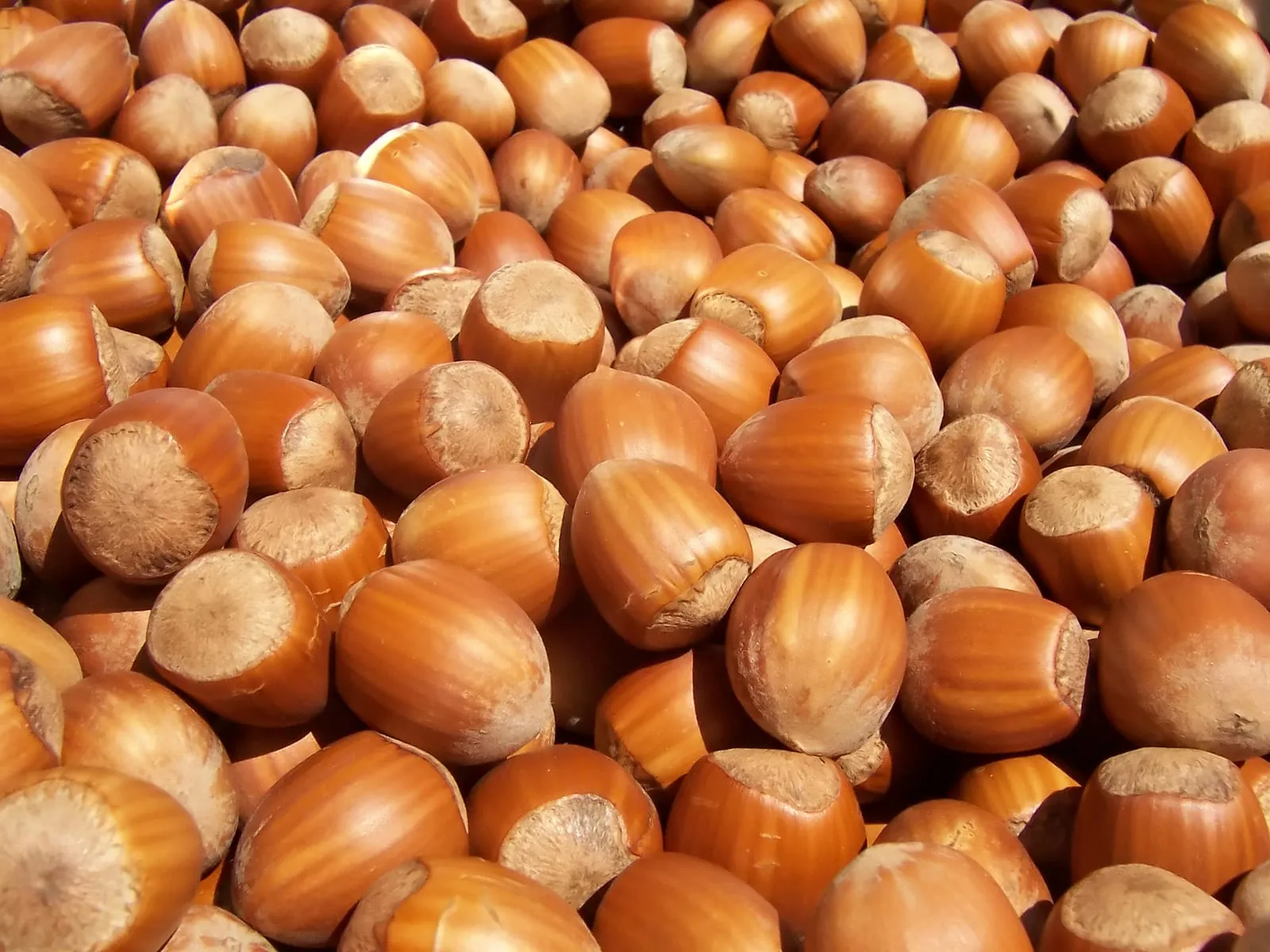
nut in zone 5a
Growing hazelnut in zone 5a
Corylus species and hybrids
- Zone
- 5a -20°F to -15°F
- Growing season
- 150 days
- Chill needed
- 800 to 1500 below 45°F
- Suitable varieties
- 5
- Days to harvest
- 100 to 130
The verdict
Zone 5a sits well within hazelnut's chill-hour range. The crop requires 800 to 1500 hours below 45°F, and zone 5a winters reliably deliver 1,200 or more chill hours in most years, meaning this zone is rarely chill-deficient for hazelnut. That part of the equation works.
The harder constraint is cold hardiness. Zone 5a minimum temperatures of -20 to -15°F can damage flower buds on European-type filberts, which tend to be hardy only to around -15°F. American Hazelnut (Corylus americana) and Beaked Hazelnut (Corylus cornuta) are native to this climate and tolerate these temperatures without significant dieback. Among named cultivars, Jefferson, Yamhill, and Theta were bred for Eastern Filbert Blight resistance but originate from Oregon State University's program in a milder maritime climate. Their cold hardiness at the lower end of zone 5a is not well documented, and growers in colder microclimates should treat those varieties as moderately to somewhat marginal rather than a sure bet.
Recommended varieties for zone 5a
5 cultivars suited to this zone, with disease-resistance and zone-fit annotations.
| Variety | Notes | Zone fit | Disease resistance |
|---|---|---|---|
| Jefferson fits zone 5a | Sweet, rich, buttery; fresh, baking, confections, butter. Large round nuts. The Oregon State release that resists Eastern Filbert Blight, the standard for new commercial plantings. Pair with Eta or Theta as pollinizer. | |
|
| Yamhill fits zone 5a | Sweet, rich flavor, smaller round nuts; fresh and processing. Compact OSU release with strong EFB resistance, productive in cooler sites. | |
|
| Theta fits zone 5a | Sweet, rich, large nuts with easy crack-out; baking and fresh. OSU pollinizer for Jefferson, EFB-resistant, productive in its own right. | |
|
| American Hazelnut fits zone 5a | Sweet, mild, small nuts; fresh, baking. Native Corylus americana, naturally EFB-tolerant. Multi-stem shrub form (8-15 ft), suitable for hedgerows. Lower yields than European hybrids. | |
|
| Beaked Hazelnut fits zone 5a | Sweet, intensely flavored, very small nuts; foraging quality, hedgerow use. Native Corylus cornuta, extremely cold-hardy and disease-tolerant. Spreading shrub, ornamental husks. | | none noted |
Critical timing for zone 5a
Hazelnuts bloom unusually early. Male catkins begin releasing pollen in late January to mid-February in zone 5a during mild stretches, while female flowers are receptive around the same period. This makes the crop vulnerable to hard freezes that kill open flowers before pollination completes. With late spring frosts common in zone 5a, growers in low-lying sites or frost pockets may see partial or total crop loss in years when a warm spell in February is followed by a hard freeze.
Harvest falls in late August through September as nut clusters drop to the ground. The 150-day growing season in zone 5a is more than sufficient for nuts to mature fully. The bottleneck is early-season frost, not season length.
Common challenges in zone 5a
- ▸ Fire blight in pears
- ▸ Cedar-apple rust
- ▸ Late spring frosts
Disease pressure to watch for
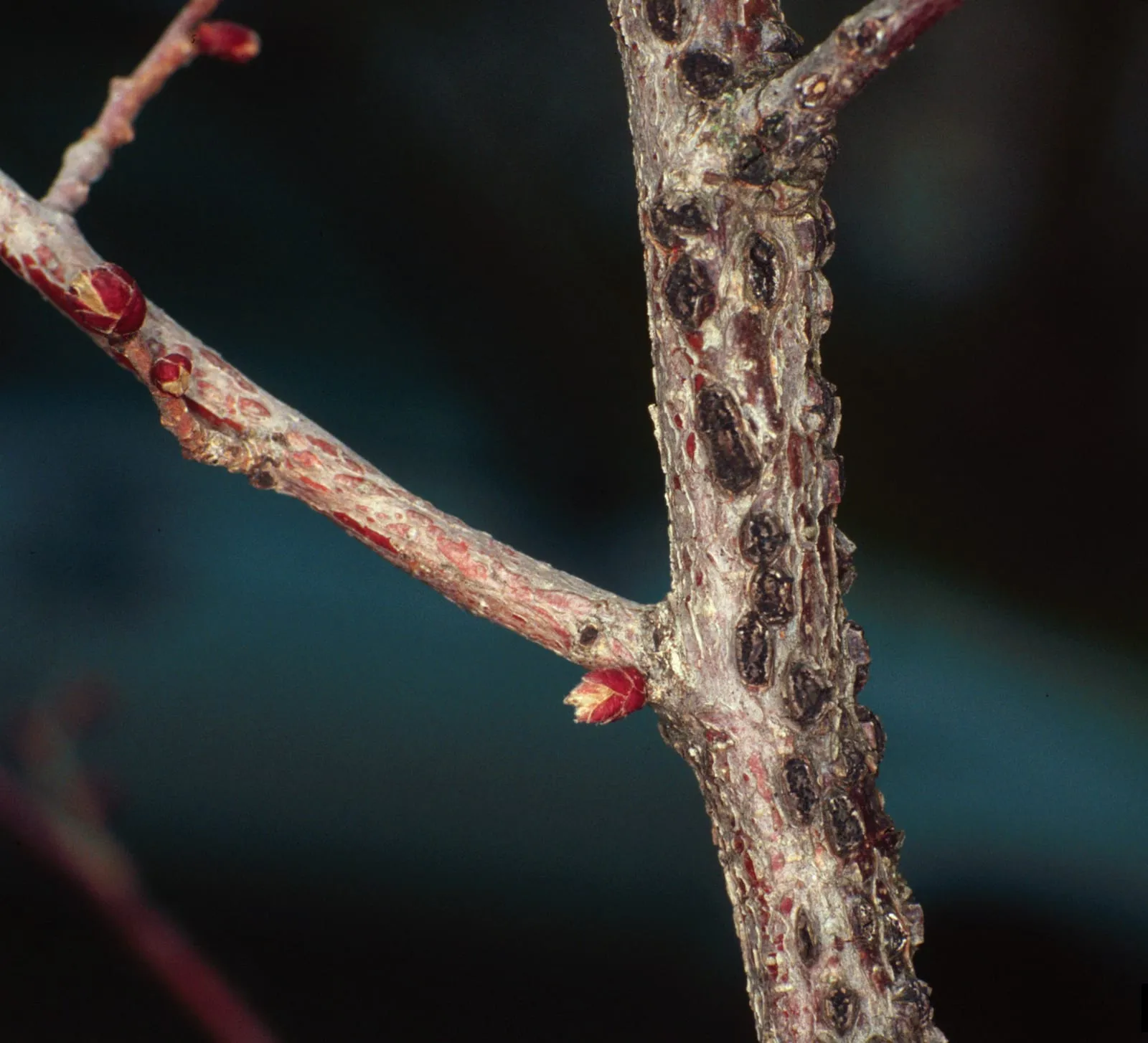
Anisogramma anomala
Native fungal disease of American hazelnut that devastates European hazelnut plantings, the limiting factor for commercial hazelnut culture in the East.
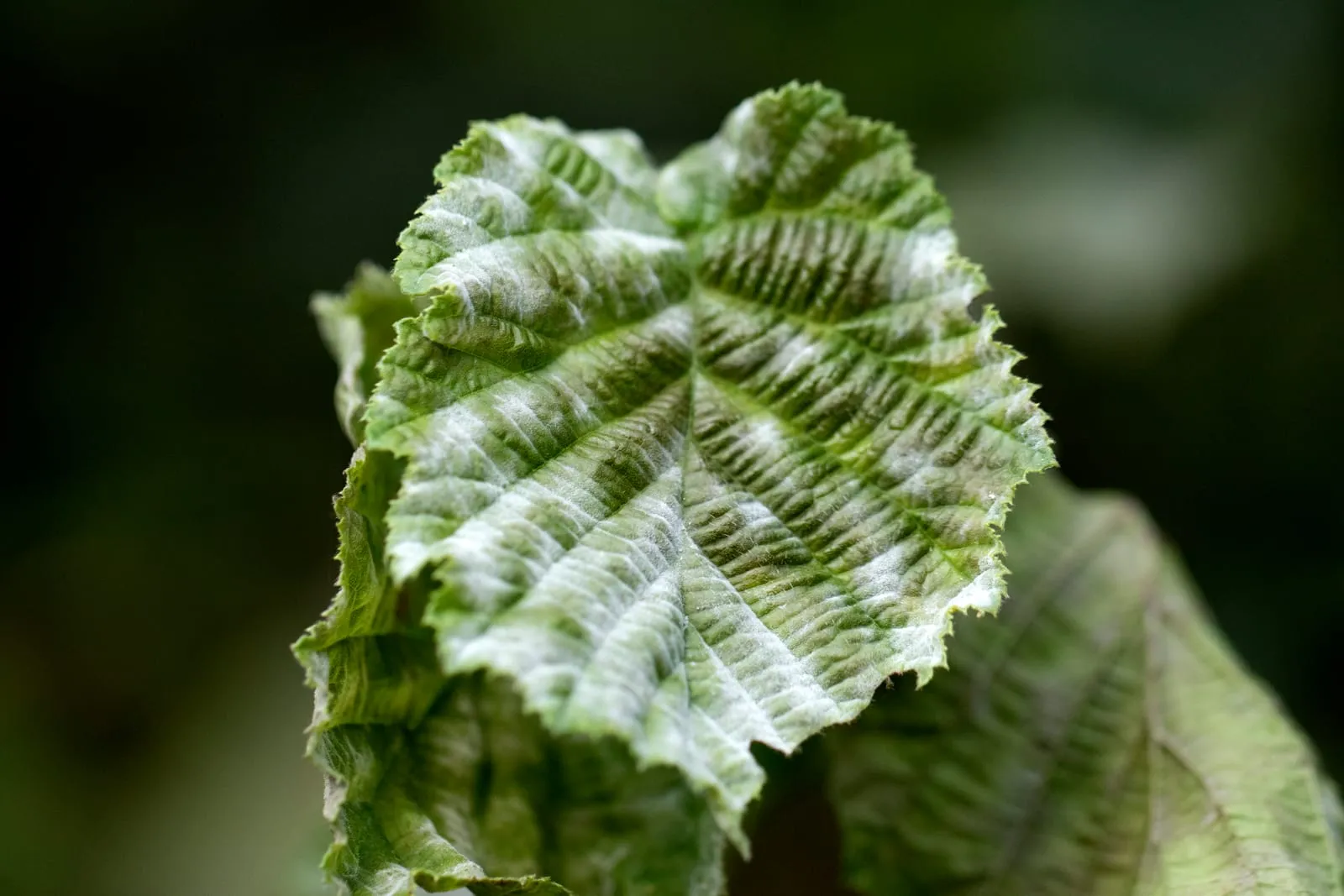
Xanthomonas arboricola pv. corylina
Bacterial disease that kills young hazelnut trees and damages established plantings, particularly during wet establishment.
Modified care for zone 5a
Eastern Filbert Blight is the dominant disease concern and shapes variety selection more than any other factor. Jefferson, Yamhill, and Theta carry resistance to this fungal pathogen (Anisogramma anomala), which can kill European hazelnut branches progressively over several seasons. In zone 5a, particularly in the eastern part of the country, planting non-resistant varieties without a fungicide program is high-risk.
Site selection matters more in zone 5a than in milder zones. Planting on a slight slope or elevated ground helps cold air drain away from bloom-period flowers. Avoid north-facing exposures that delay bud break and prolong vulnerability to late frosts. Young plants benefit from a layer of mulch over the root zone in the first two winters to moderate soil temperature swings. Once established, American Hazelnut and native selections need little additional winter care. Named cultivars from the Pacific Northwest may benefit from a protected microsite in colder 5a locations.
Frequently asked questions
- Can European filberts survive zone 5a winters?
European filberts are cold-hardy to roughly -15°F, which is the upper boundary of zone 5a. In warmer 5a microclimates with good drainage, they may survive most winters, but flower bud damage is likely in severe cold years. American Hazelnut and blight-resistant cultivars like Jefferson are more reliable choices.
- Why do hazelnuts sometimes fail to produce nuts even when healthy?
Hazelnuts require cross-pollination from a genetically distinct plant, and their bloom window is narrow and occurs in late winter. If both plants in a pair are not flowering simultaneously, or if a hard freeze kills open flowers during pollination, nut set fails. Plant at least two compatible, non-clonal varieties within 50 feet of each other.
- What is Eastern Filbert Blight and how serious is it in zone 5a?
Eastern Filbert Blight is a fungal disease caused by Anisogramma anomala that produces sunken cankers on hazelnut branches and can kill plants over several years. It is present throughout much of the eastern US and is a significant concern in zone 5a. Planting blight-resistant varieties (Jefferson, Yamhill, Theta) is the most practical management strategy.
+−
+−
+−
Hazelnut in adjacent zones
Image: "Hazelnuts", by Fir0002 at English Wikipedia, via Wikimedia Commons, licensed under CC-BY Source.

Related