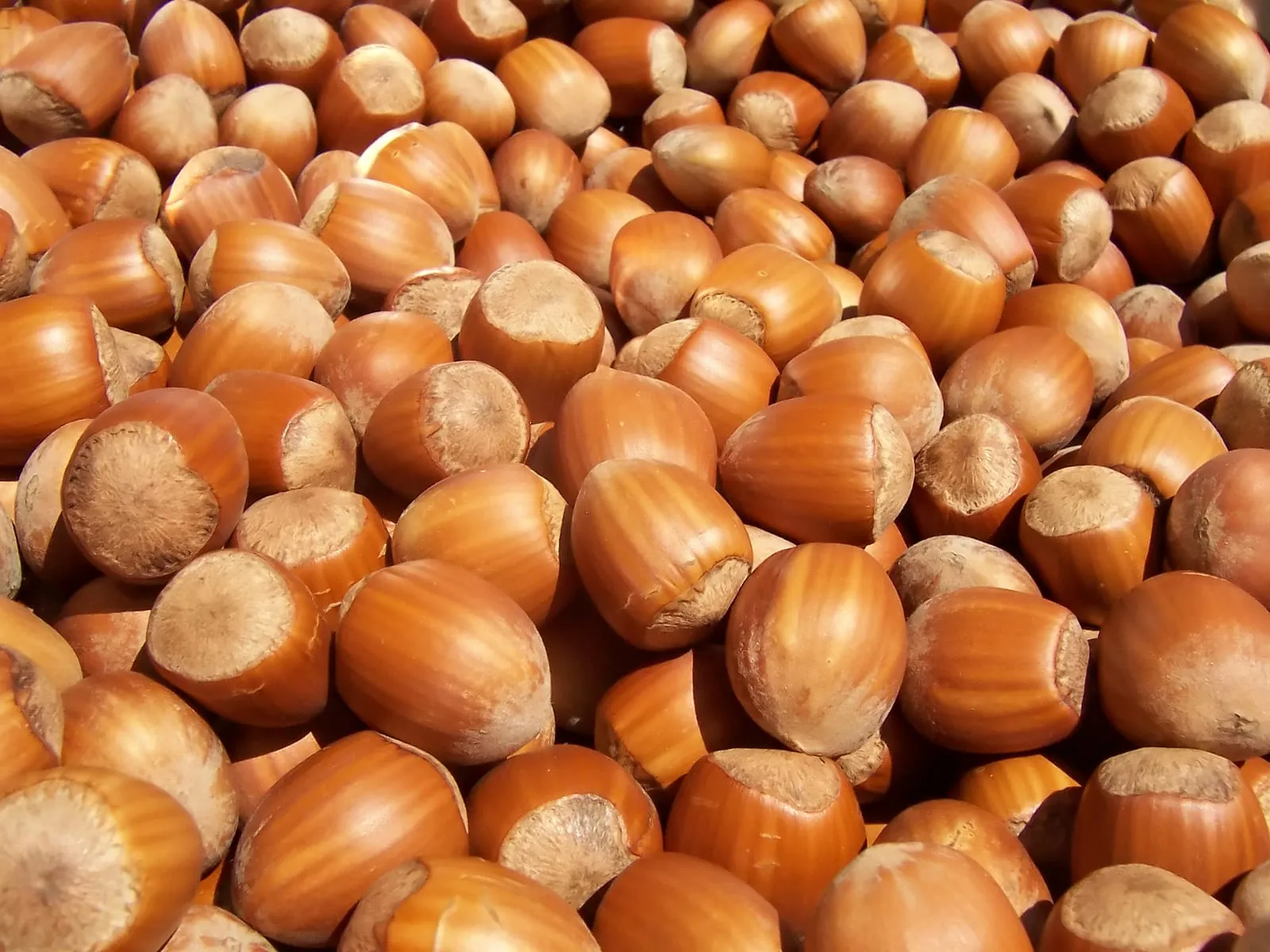
nut in zone 4b
Growing hazelnut in zone 4b
Corylus species and hybrids
- Zone
- 4b -25°F to -20°F
- Growing season
- 130 days
- Chill needed
- 800 to 1500 below 45°F
- Suitable varieties
- 2
- Days to harvest
- 100 to 130
The verdict
Zone 4b sits comfortably within the hazelnut's chill-hour range. With winters reliably delivering well above 800 hours below 45°F, the crop's 800 to 1,500 hour requirement is met without difficulty. The question is which hazelnut, not whether hazelnut. European cultivars (Corylus avellana) are marginal to unreliable at -25 to -20°F; American Hazelnut (Corylus americana) and Beaked Hazelnut (Corylus cornuta) are native to climates colder than zone 4b and handle those lows without special protection. Calling zone 4b a sweet spot for native hazelnuts is not an overstatement. The 130-day growing season is adequate for nut fill. The real constraint is spring frost timing relative to bloom, which in cold zones can catch early-emerging catkins during a late-season temperature drop.
Recommended varieties for zone 4b
2 cultivars suited to this zone, with disease-resistance and zone-fit annotations.
| Variety | Notes | Zone fit | Disease resistance |
|---|---|---|---|
| American Hazelnut fits zone 4b | Sweet, mild, small nuts; fresh, baking. Native Corylus americana, naturally EFB-tolerant. Multi-stem shrub form (8-15 ft), suitable for hedgerows. Lower yields than European hybrids. | |
|
| Beaked Hazelnut fits zone 4b | Sweet, intensely flavored, very small nuts; foraging quality, hedgerow use. Native Corylus cornuta, extremely cold-hardy and disease-tolerant. Spreading shrub, ornamental husks. | | none noted |
Critical timing for zone 4b
Hazelnut is among the earliest-blooming woody plants in the landscape. In zone 4b, pollen-bearing catkins typically elongate and shed in late February through mid-March, well before last frost. Female flowers are small red tufts that emerge around the same time, and they are sensitive to hard freezes. A late frost after catkin release does not automatically mean crop failure, since the female flower window spans several weeks, but a sharp freeze during peak female receptivity can sharply reduce nut set. Harvest for American and Beaked Hazelnut falls in late August through early September, giving the crop roughly five months of growing season, which the zone's 130-day season accommodates.
Common challenges in zone 4b
- ▸ Spring frost timing
- ▸ Apple scab pressure
- ▸ Cane berry winter dieback
Disease pressure to watch for
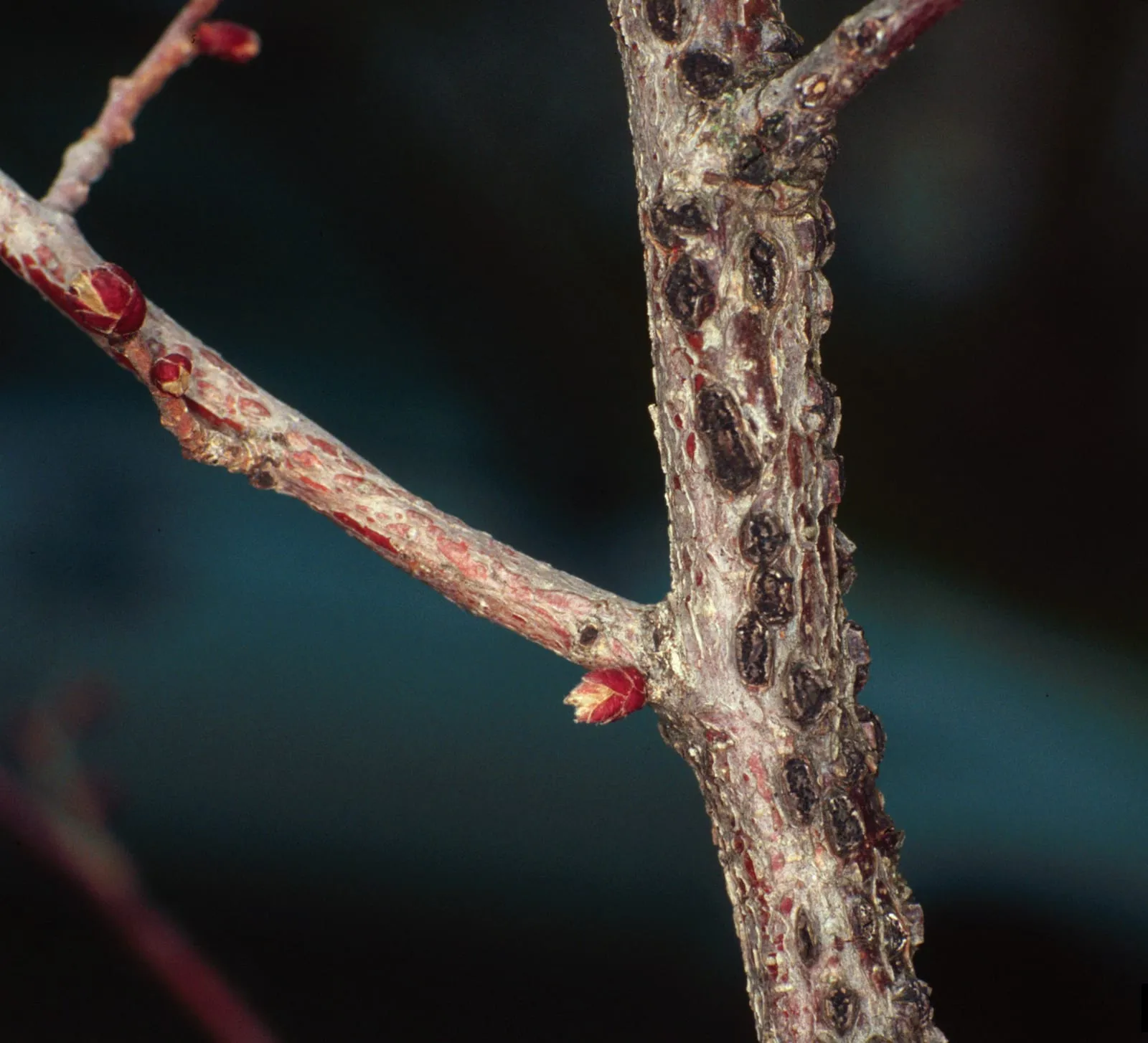
Anisogramma anomala
Native fungal disease of American hazelnut that devastates European hazelnut plantings, the limiting factor for commercial hazelnut culture in the East.
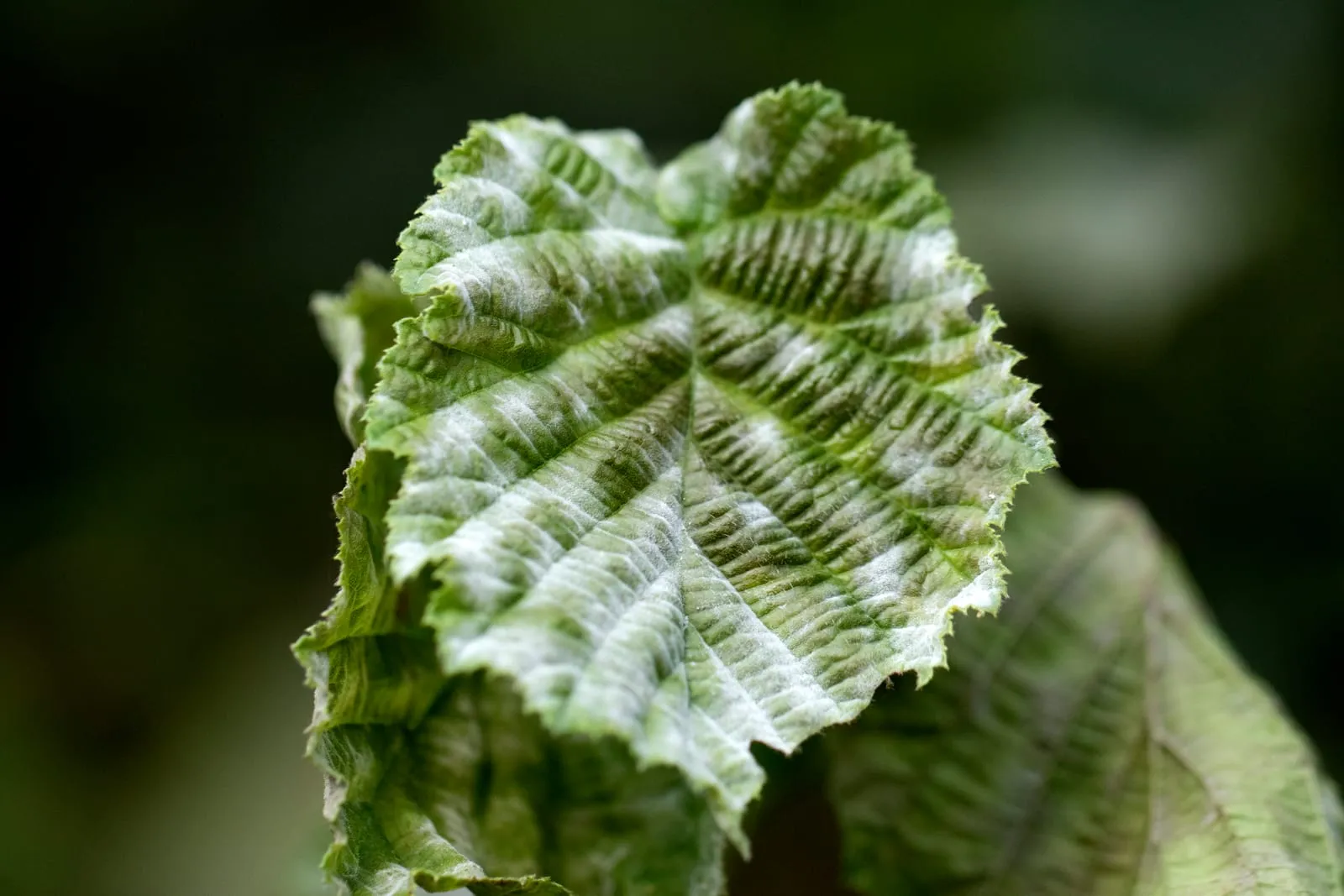
Xanthomonas arboricola pv. corylina
Bacterial disease that kills young hazelnut trees and damages established plantings, particularly during wet establishment.
Modified care for zone 4b
The main adaptation in zone 4b is variety selection: plant American Hazelnut or Beaked Hazelnut, not European cultivars sold without explicit hardiness ratings below zone 5. Site selection matters more here than in warmer zones. Low spots and frost pockets concentrate cold air during late-winter bloom events; a gentle slope with good air drainage meaningfully reduces frost damage to female flowers. Eastern Filbert Blight is the most serious disease concern in eastern zone 4b plantings. It is caused by the fungus Anisogramma anomala and can kill European hazelnuts outright; American Hazelnut carries partial resistance, and Beaked Hazelnut is more resistant still. No spray program reliably controls it once established, so resistant species selection is the primary management tool.
Frequently asked questions
- Can European hazelnut cultivars survive zone 4b winters?
Most European hazelnut cultivars are rated to zone 5 or 5b and are unreliable at the -25 to -20°F lows common in zone 4b. Top-kill and stem dieback are common. American Hazelnut and Beaked Hazelnut are the recommended species for zone 4b plantings.
- Will a late spring frost ruin the hazelnut crop in zone 4b?
It can reduce it. Hazelnut blooms very early, and female flowers that open during a hard freeze may fail to set. However, bloom spans several weeks, and partial pollination is common. Planting on a slope with good cold-air drainage helps reduce frost pocket exposure during bloom.
- What is Eastern Filbert Blight and how serious is it in zone 4b?
Eastern Filbert Blight is a fungal disease caused by Anisogramma anomala that produces cankers on stems and can kill susceptible plants within a few years. American Hazelnut has partial resistance; Beaked Hazelnut has stronger resistance. European cultivars grown in the eastern US are highly susceptible, and there is no reliable spray program for home growers.
- How many chill hours does hazelnut need, and does zone 4b deliver them?
Hazelnut requires roughly 800 to 1,500 chill hours depending on the species and selection. Zone 4b winters routinely exceed 1,500 hours below 45°F, so chill-hour accumulation is not a limiting factor.
+−
+−
+−
+−
Hazelnut in adjacent zones
Image: "Hazelnuts", by Fir0002 at English Wikipedia, via Wikimedia Commons, licensed under CC-BY Source.

Related