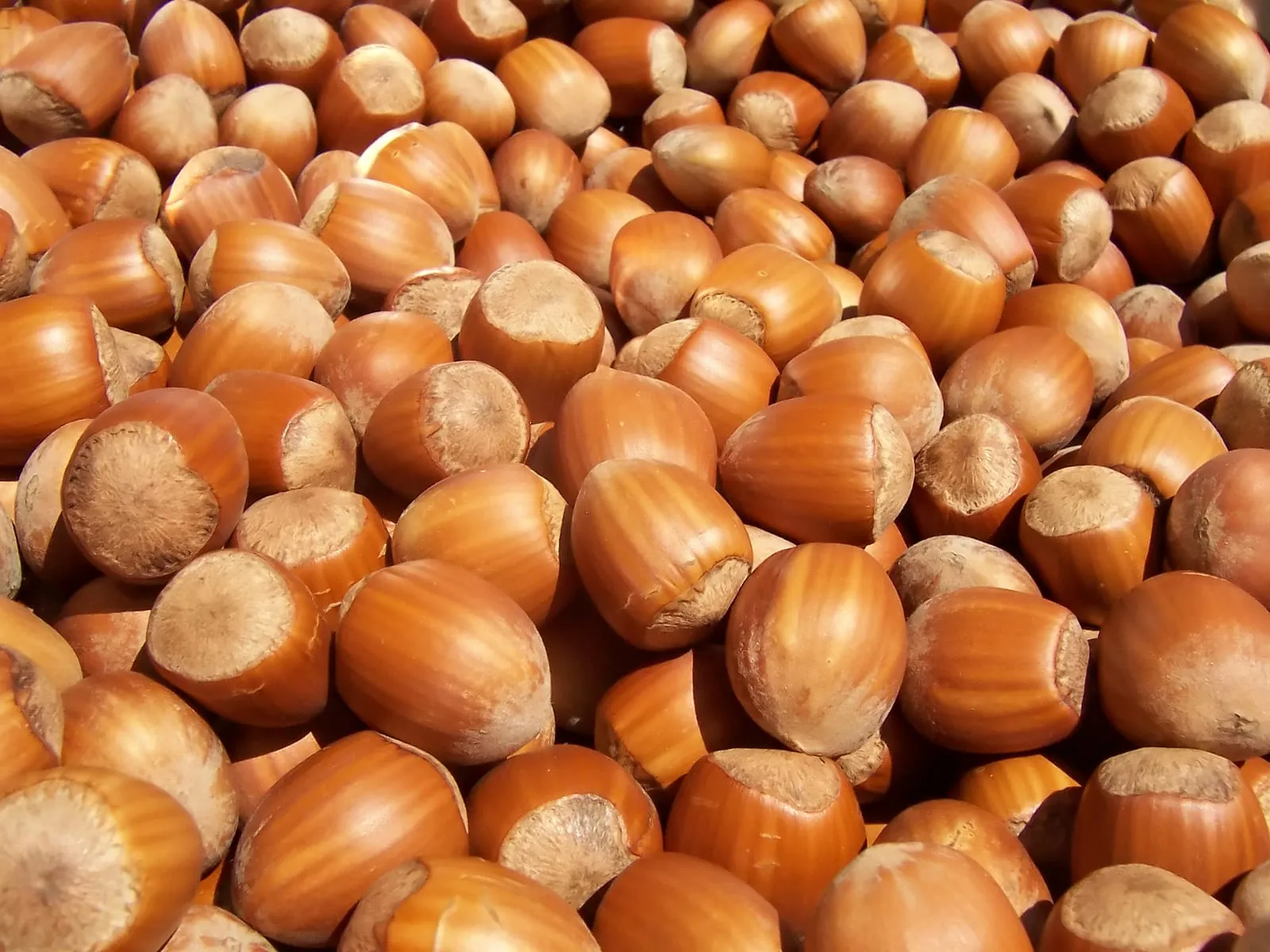
nut in zone 4a
Growing hazelnut in zone 4a
Corylus species and hybrids
- Zone
- 4a -30°F to -25°F
- Growing season
- 120 days
- Chill needed
- 800 to 1500 below 45°F
- Suitable varieties
- 2
- Days to harvest
- 100 to 130
The verdict
Zone 4a, with winter lows between -30 and -25°F, falls within the cold-hardiness range of American Hazelnut and Beaked Hazelnut, both native species that evolved in northern North America. Hazelnut chill-hour requirements of 800 to 1,500 hours are reliably met in zone 4a winters; cold accumulation is not a concern here.
The tighter constraint is the 120-day growing season. Nuts must mature before the first hard autumn frost, which leaves limited margin if the season starts late or a wet spring delays growth. European hazelnut varieties (Corylus avellana) are not well suited to zone 4a because most selections are hardy only to around -15°F, putting them at risk in severe winters. American Hazelnut and Beaked Hazelnut tolerate -30°F and below reliably, making zone 4a a workable zone for these species rather than a marginal one. Growers expecting commercial-scale nut production should note that native species yield smaller nuts than European selections, though they compensate with genuine cold hardiness and lower management demands.
Recommended varieties for zone 4a
2 cultivars suited to this zone, with disease-resistance and zone-fit annotations.
| Variety | Notes | Zone fit | Disease resistance |
|---|---|---|---|
| American Hazelnut fits zone 4a | Sweet, mild, small nuts; fresh, baking. Native Corylus americana, naturally EFB-tolerant. Multi-stem shrub form (8-15 ft), suitable for hedgerows. Lower yields than European hybrids. | |
|
| Beaked Hazelnut fits zone 4a | Sweet, intensely flavored, very small nuts; foraging quality, hedgerow use. Native Corylus cornuta, extremely cold-hardy and disease-tolerant. Spreading shrub, ornamental husks. | | none noted |
Critical timing for zone 4a
Hazelnuts rank among the earliest-blooming woody plants, releasing pollen in late February to mid-March across most of their range. In zone 4a, that window falls during volatile late-winter temperatures. Catkins can open during brief warm spells, and the female flowers (small red-tipped structures at branch tips) remain vulnerable to hard freezes below approximately 20°F (-7°C) during active pollination. Late frosts in zone 4a, which can persist well into May at some locations, present genuine bloom-loss risk when early warmth draws the flowers out ahead of stable conditions.
Nut harvest for American and Beaked Hazelnut runs from late August into September. With a 120-day growing season, nuts generally reach maturity before the first killing frost, though growers in the cooler reaches of zone 4a should confirm local first-frost dates against that harvest window before planting at scale.
Common challenges in zone 4a
- ▸ Late frosts damage early bloomers
- ▸ Limited peach varieties
Disease pressure to watch for
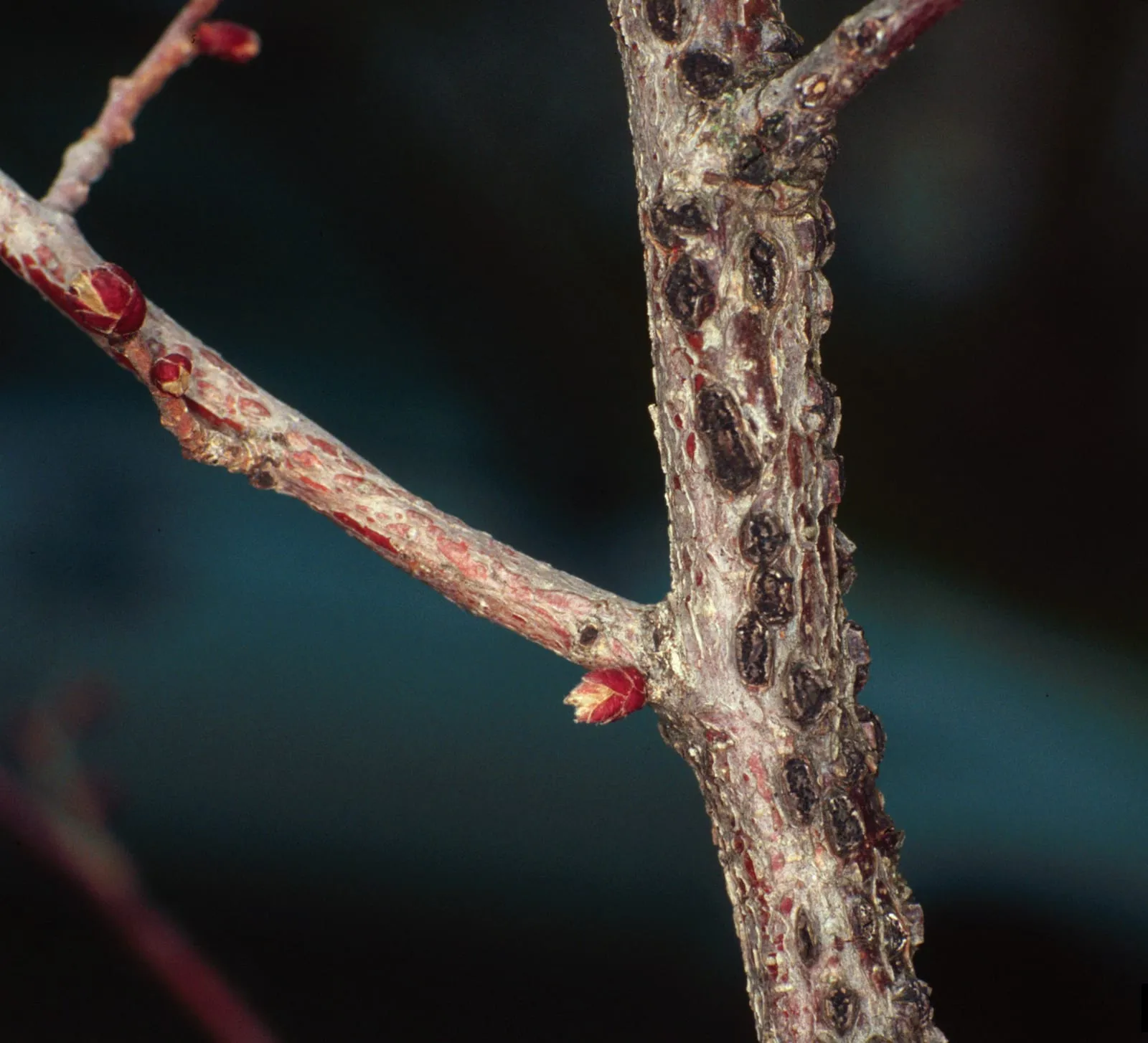
Anisogramma anomala
Native fungal disease of American hazelnut that devastates European hazelnut plantings, the limiting factor for commercial hazelnut culture in the East.
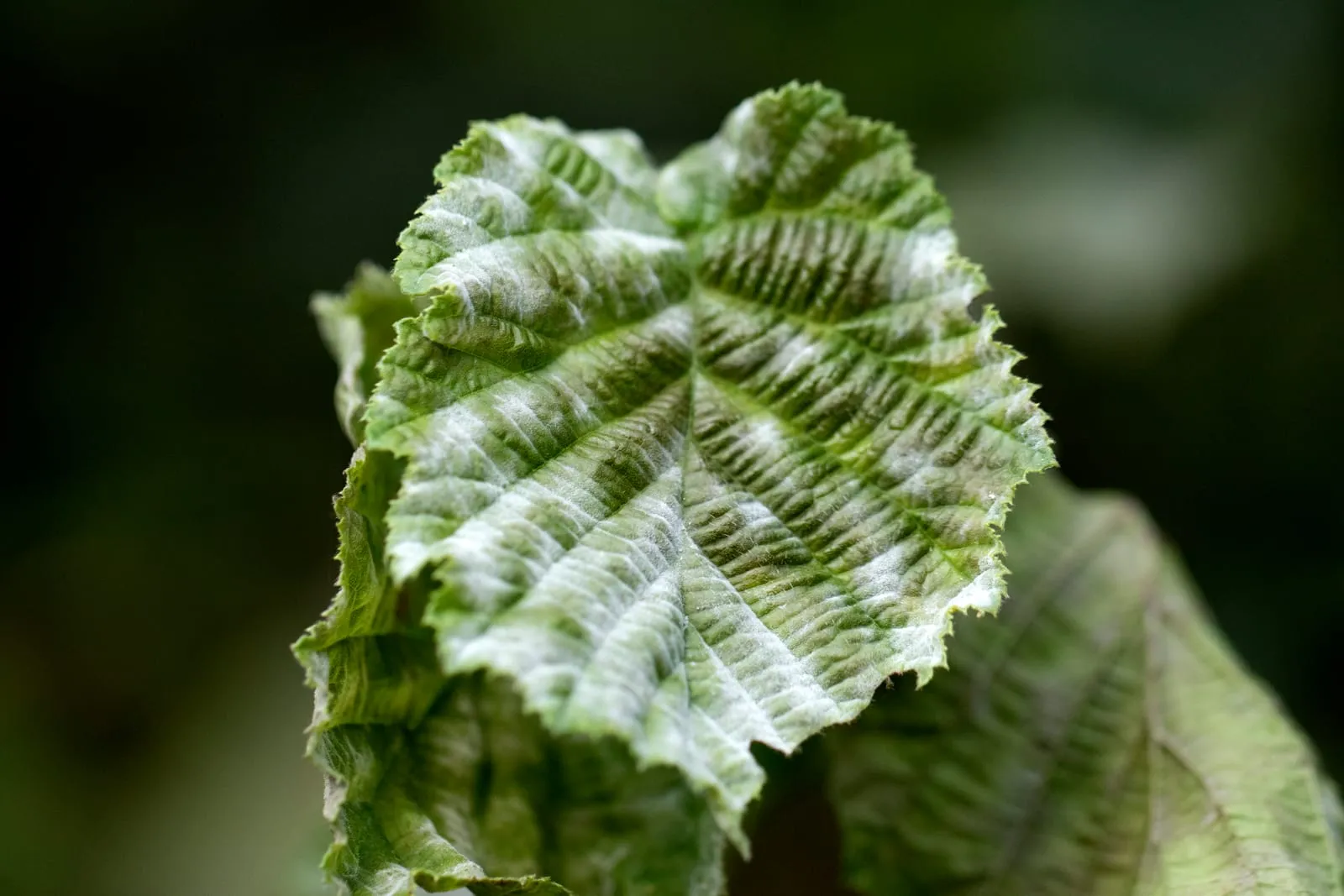
Xanthomonas arboricola pv. corylina
Bacterial disease that kills young hazelnut trees and damages established plantings, particularly during wet establishment.
Modified care for zone 4a
Site selection carries more weight in zone 4a than in warmer parts of the hazelnut range. Low-lying areas and enclosed hollows accumulate cold air on still spring nights, increasing exposure during the early bloom period. A slight slope with good air drainage meaningfully reduces late-frost risk without requiring any structural intervention.
Eastern Filbert Blight (Anisogramma anomala) is less severe in cold continental climates than in the Pacific Northwest, where it is effectively epidemic, but the pathogen occurs in native hazelnut populations across the eastern US and Canada. American Hazelnut carries some native resistance; monitoring annually for elongated cankers and removing affected wood promptly remains sound practice. Bacterial Hazelnut Blight tends to flare during wet springs, so adequate spacing between plants to promote airflow helps reduce pressure.
Multilching the root zone through the first two winters moderates freeze-thaw cycling at the soil surface and supports establishment, particularly on sites with shallow or rocky soil.
Frequently asked questions
- Can hazelnut survive zone 4a winters?
American Hazelnut and Beaked Hazelnut are native to the northern US and Canada and are reliably cold-hardy to -30°F and below. European hazelnut varieties are generally not suited to zone 4a; most are hardy only to around -15°F and risk significant dieback in severe winters.
- Will late frosts in zone 4a damage hazelnut flowers?
Yes, this is the primary timing risk. Hazelnuts bloom in late February to mid-March, well before reliable frost-free weather in zone 4a. A late freeze below 20°F during active pollination can reduce or eliminate nut set for that season. Siting plants on a slope with good air drainage reduces exposure.
- Is Eastern Filbert Blight a serious problem in zone 4a?
Less so than in the Pacific Northwest, where the disease is endemic and devastating on European hazelnuts. In zone 4a, American Hazelnut has moderate native resistance, and the continental climate limits disease spread. Annual monitoring and prompt removal of cankered wood is sufficient for most plantings.
+−
+−
+−
Hazelnut in adjacent zones
Image: "Hazelnuts", by Fir0002 at English Wikipedia, via Wikimedia Commons, licensed under CC-BY Source.

Related