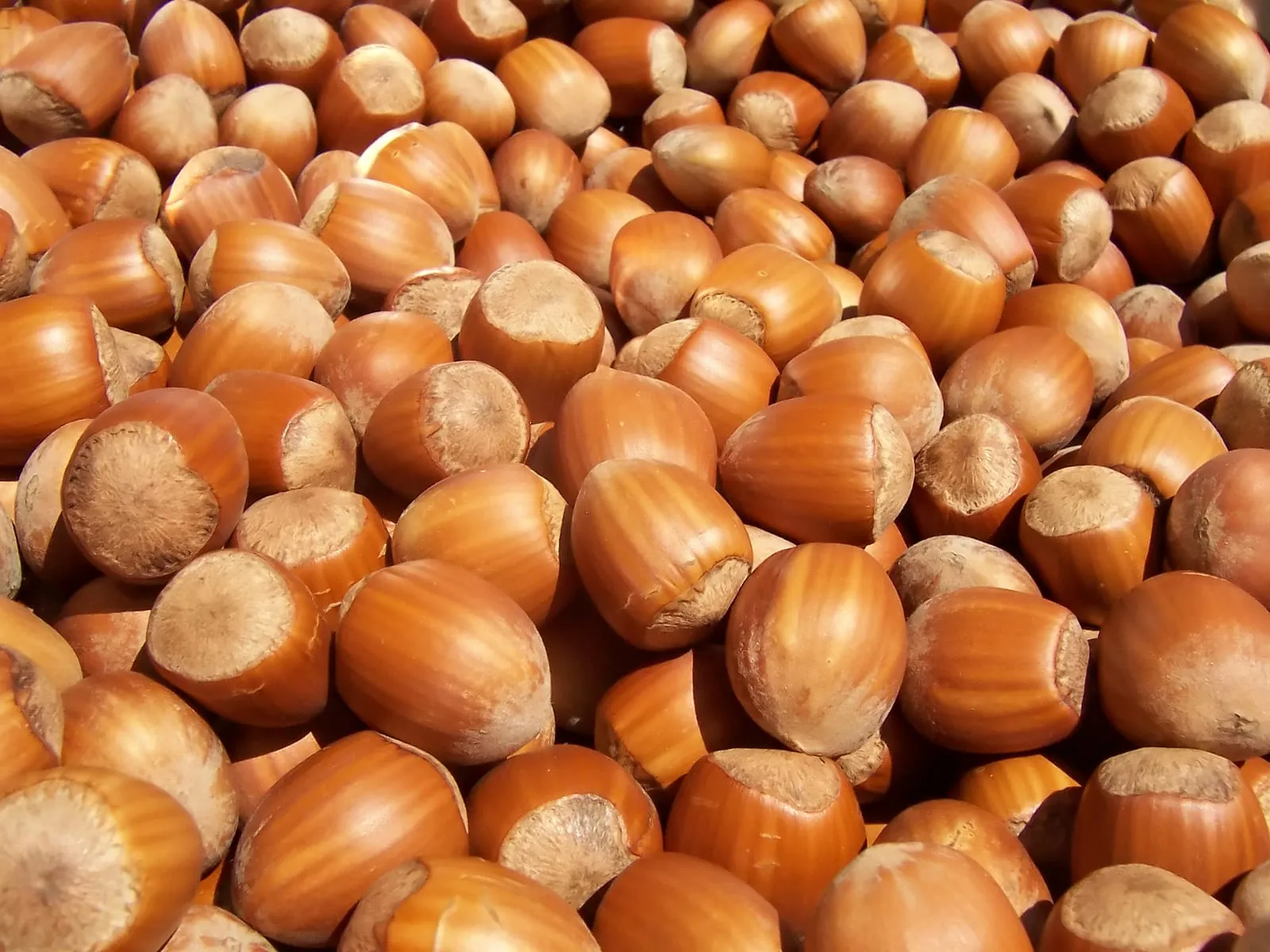
nut in zone 6b
Growing hazelnut in zone 6b
Corylus species and hybrids
- Zone
- 6b -5°F to 0°F
- Growing season
- 190 days
- Chill needed
- 800 to 1500 below 45°F
- Suitable varieties
- 5
- Days to harvest
- 100 to 130
The verdict
Zone 6b sits comfortably within the hazelnut's chill-hour range. Most zone 6b locations accumulate 1,000 to 1,400 chill hours annually, landing squarely inside the 800 to 1,500-hour window hazelnuts require. This is not a marginal zone for the crop; winter temperatures between -5 and 0°F are well within hazelnut hardiness limits, and the 190-day growing season provides ample time for nut development and ripening.
The more significant limiting factor in zone 6b is not climate but disease. Eastern Filbert Blight (EFB), caused by the fungus Anisogramma anomala, is endemic across much of the eastern US and can devastate susceptible plantings within a few seasons. Variety selection determines whether hazelnuts succeed here. Jefferson, Yamhill, and Theta are Oregon State University releases bred specifically for EFB resistance. American Hazelnut and Beaked Hazelnut are native to the region and carry natural resistance, though nut size and yield are more modest than the OSU varieties.
Recommended varieties for zone 6b
5 cultivars suited to this zone, with disease-resistance and zone-fit annotations.
| Variety | Notes | Zone fit | Disease resistance |
|---|---|---|---|
| Jefferson fits zone 6b | Sweet, rich, buttery; fresh, baking, confections, butter. Large round nuts. The Oregon State release that resists Eastern Filbert Blight, the standard for new commercial plantings. Pair with Eta or Theta as pollinizer. | |
|
| Yamhill fits zone 6b | Sweet, rich flavor, smaller round nuts; fresh and processing. Compact OSU release with strong EFB resistance, productive in cooler sites. | |
|
| Theta fits zone 6b | Sweet, rich, large nuts with easy crack-out; baking and fresh. OSU pollinizer for Jefferson, EFB-resistant, productive in its own right. | |
|
| American Hazelnut fits zone 6b | Sweet, mild, small nuts; fresh, baking. Native Corylus americana, naturally EFB-tolerant. Multi-stem shrub form (8-15 ft), suitable for hedgerows. Lower yields than European hybrids. | |
|
| Beaked Hazelnut fits zone 6b | Sweet, intensely flavored, very small nuts; foraging quality, hedgerow use. Native Corylus cornuta, extremely cold-hardy and disease-tolerant. Spreading shrub, ornamental husks. | | none noted |
Critical timing for zone 6b
Hazelnut bloom is unusually early, often beginning in January or February in zone 6b when catkins elongate and shed pollen. Female flowers, tiny red structures at branch tips, are receptive during this same window. Late freezes after mid-February can damage receptive flowers and reduce nut set, though the bloom window is long enough that total crop loss from a single freeze event is uncommon.
Nuts mature and drop naturally from late August through October, depending on variety. Jefferson and Yamhill typically ripen in September. Harvest is straightforward: collect fallen nuts from the ground every few days once dropping begins. The zone's frost timing, with first fall frost generally arriving in October, aligns well with harvest completion for the standard variety lineup.
Common challenges in zone 6b
- ▸ Cedar-apple rust
- ▸ Fire blight
- ▸ Stink bugs
Disease pressure to watch for
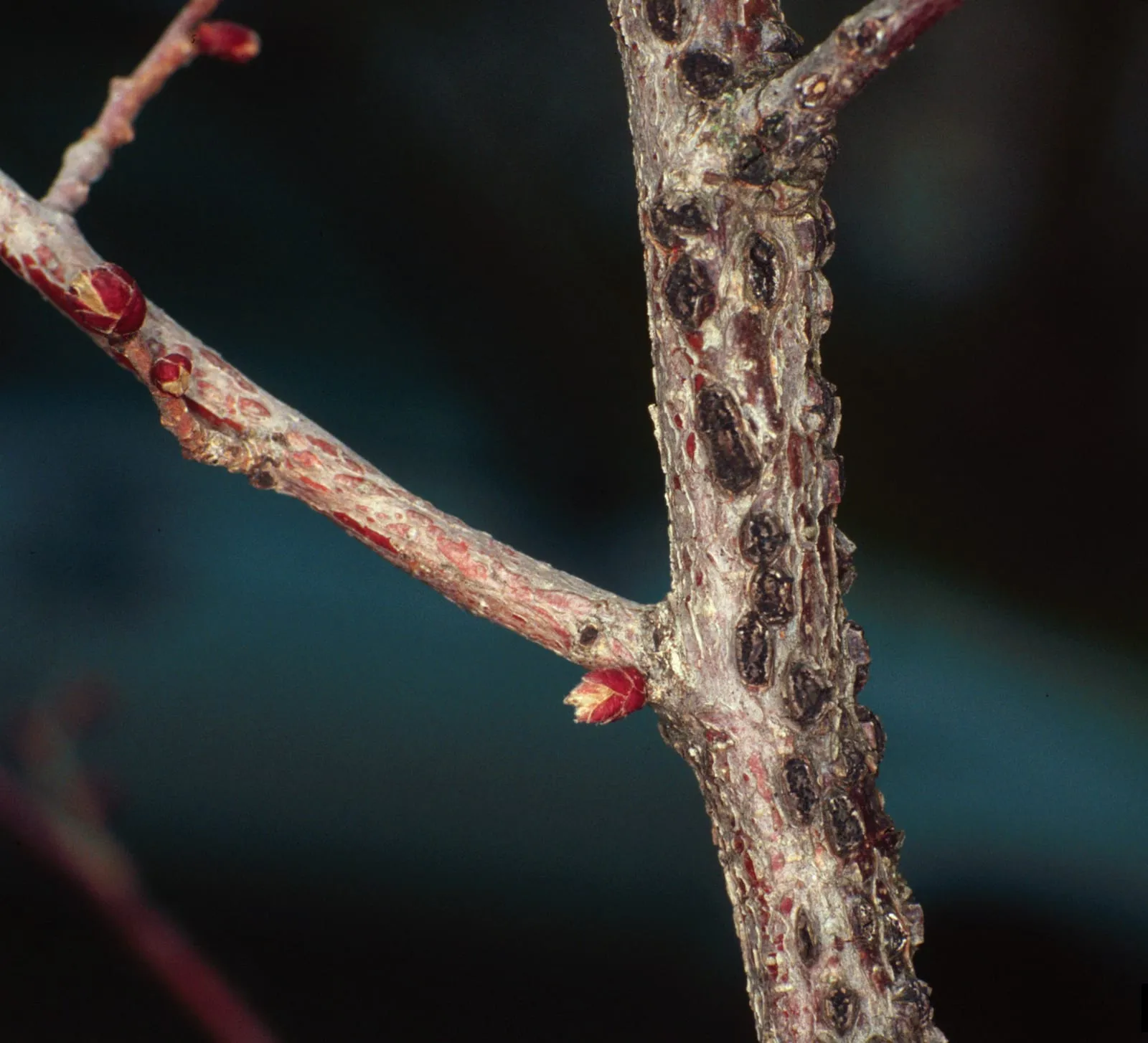
Anisogramma anomala
Native fungal disease of American hazelnut that devastates European hazelnut plantings, the limiting factor for commercial hazelnut culture in the East.
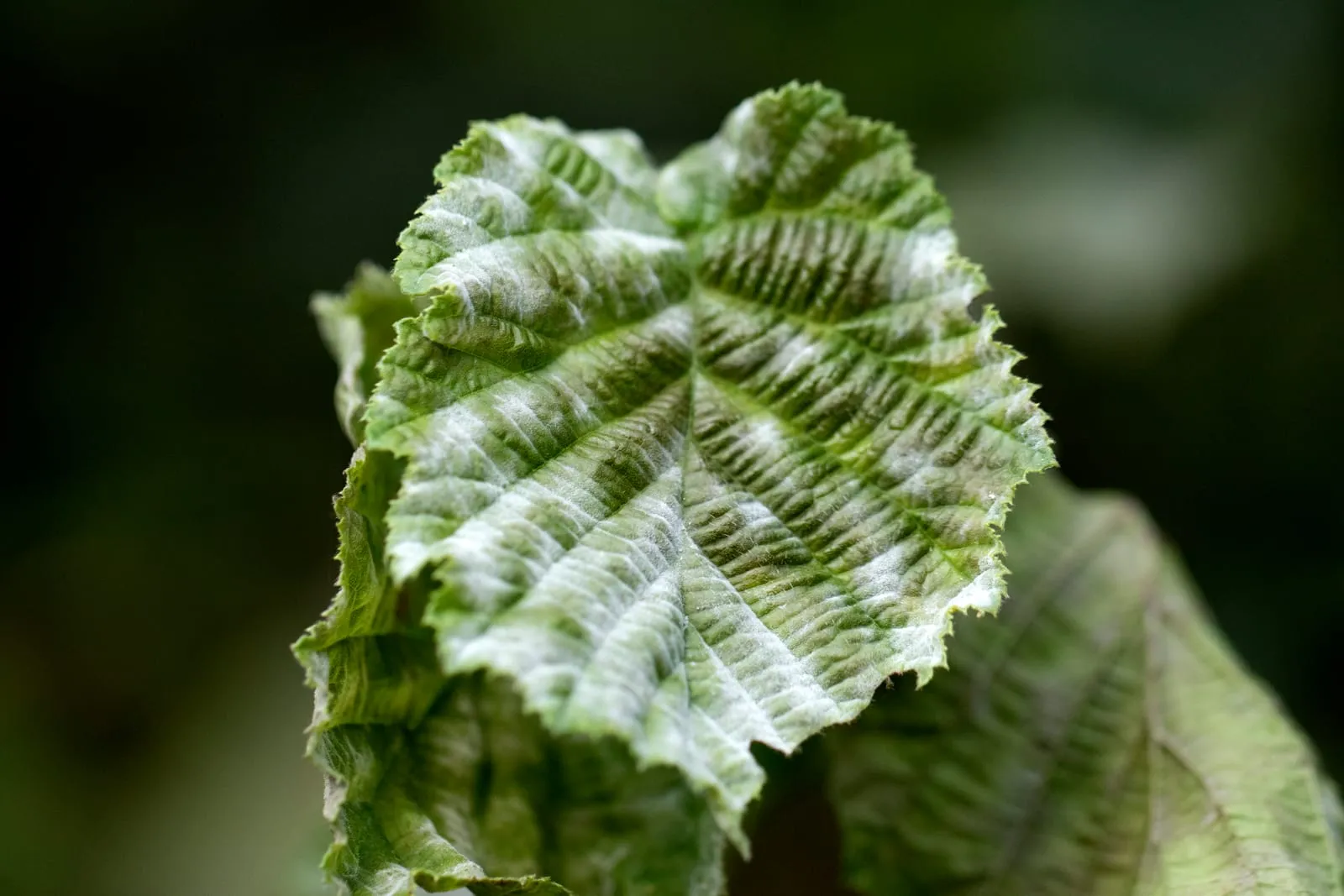
Xanthomonas arboricola pv. corylina
Bacterial disease that kills young hazelnut trees and damages established plantings, particularly during wet establishment.
Modified care for zone 6b
Eastern Filbert Blight pressure is the central care difference for zone 6b compared to the Pacific Northwest, where most commercial hazelnut production occurs in EFB-free conditions. In zone 6b, planting anything other than a confirmed-resistant variety is a significant risk. Inspect established plants annually for the characteristic swollen, cracked cankers on branches and remove infected wood promptly, cutting well below visible symptoms.
Stink bugs, particularly Brown Marmorated Stink Bug, cause substantial nut damage in the mid-Atlantic and Upper South. Row covers or kaolin clay applications during nut fill (late July through September) can reduce feeding damage where pressure is high.
Winter protection is generally unnecessary; hazelnuts are cold-hardy well below zone 6b minimums. However, newly planted bare-root stock can benefit from mulching the root zone in the first winter to buffer against freeze-thaw heaving.
Frequently asked questions
- Can hazelnuts grow in zone 6b?
Yes. Zone 6b accumulates chill hours well within the hazelnut's 800 to 1,500-hour requirement, and winter lows of -5 to 0°F pose no hardiness problem. The primary challenge is Eastern Filbert Blight; choosing resistant varieties like Jefferson, Yamhill, or Theta addresses this directly.
- What hazelnut varieties are recommended for zone 6b?
Jefferson, Yamhill, and Theta are Oregon State University selections with confirmed Eastern Filbert Blight resistance and produce large, flavorful nuts. American Hazelnut and Beaked Hazelnut are native alternatives with strong disease resistance and better wildlife value, though smaller nut size.
- When do hazelnuts bloom in zone 6b?
Typically January through February. Catkins shed pollen while temperatures are still cold, and the bloom window spans several weeks. Late freezes below about 15°F during active bloom can reduce nut set, but total crop failure from a single freeze event is uncommon given the extended flowering period.
- How serious is Eastern Filbert Blight in zone 6b?
Very serious on susceptible varieties. The fungus is widespread throughout the eastern US, and infected plants develop girdling cankers that kill branches progressively. There is no fungicide cure once established. Planting resistant varieties and removing symptomatic wood promptly are the only reliable management strategies.
- Do hazelnuts need cross-pollination in zone 6b?
Yes. Hazelnuts are self-incompatible and require a genetically distinct pollinator flowering at the same time. Plant at least two different varieties within roughly 65 feet of each other. Jefferson and Yamhill bloom at compatible times and are commonly paired.
+−
+−
+−
+−
+−
Hazelnut in adjacent zones
Image: "Hazelnuts", by Fir0002 at English Wikipedia, via Wikimedia Commons, licensed under CC-BY Source.

Related