nut in zone 6a
Growing hazelnut in zone 6a
Corylus species and hybrids
- Zone
- 6a -10°F to -5°F
- Growing season
- 180 days
- Chill needed
- 800 to 1500 below 45°F
- Suitable varieties
- 5
- Days to harvest
- 100 to 130
The verdict
Zone 6a's minimum temperatures (-10 to -5°F) sit within hazelnut's cold tolerance, particularly for American Hazelnut (Corylus americana), which is native to much of the zone's range. Chill-hour accumulation in zone 6a typically falls between 1,000 and 1,400 hours, which aligns well with hazelnut's 800 to 1,500 hour requirement. This places zone 6a firmly in the crop's viable range rather than at its margins. The 180-day growing season is more than sufficient for nut development.
The primary limiting factor in zone 6a is not cold tolerance or heat accumulation but disease pressure. Eastern Filbert Blight is endemic across much of the zone's eastern extent, and European hazelnut (Corylus avellana) selections without EFB resistance will fail over time regardless of climate suitability. Variety selection, not zone fitness, is the decision that most determines long-term success here.
Recommended varieties for zone 6a
5 cultivars suited to this zone, with disease-resistance and zone-fit annotations.
| Variety | Notes | Zone fit | Disease resistance |
|---|---|---|---|
| Jefferson fits zone 6a | Sweet, rich, buttery; fresh, baking, confections, butter. Large round nuts. The Oregon State release that resists Eastern Filbert Blight, the standard for new commercial plantings. Pair with Eta or Theta as pollinizer. | |
|
| Yamhill fits zone 6a | Sweet, rich flavor, smaller round nuts; fresh and processing. Compact OSU release with strong EFB resistance, productive in cooler sites. | |
|
| Theta fits zone 6a | Sweet, rich, large nuts with easy crack-out; baking and fresh. OSU pollinizer for Jefferson, EFB-resistant, productive in its own right. | |
|
| American Hazelnut fits zone 6a | Sweet, mild, small nuts; fresh, baking. Native Corylus americana, naturally EFB-tolerant. Multi-stem shrub form (8-15 ft), suitable for hedgerows. Lower yields than European hybrids. | |
|
| Beaked Hazelnut fits zone 6a | Sweet, intensely flavored, very small nuts; foraging quality, hedgerow use. Native Corylus cornuta, extremely cold-hardy and disease-tolerant. Spreading shrub, ornamental husks. | | none noted |
Critical timing for zone 6a
Hazelnuts bloom unusually early, with male catkins shedding pollen from late January through March in zone 6a. Female flowers open during the same window, meaning pollination occurs weeks before the zone's last frost dates, which typically fall in late April. Frost events that arrive after catkins have opened can reduce nut set in a given season without harming the plant itself. A mild mid-January warm spell can accelerate catkin development, making the flowers more vulnerable to any cold snap that follows.
Nut development proceeds through summer, and harvest typically falls from late August through September when nuts drop naturally or are shaken free. The 180-day growing season provides adequate heat accumulation for nut fill, even in cooler microclimates within the zone.
Common challenges in zone 6a
- ▸ Brown rot in stone fruit
- ▸ Japanese beetles
- ▸ Spring frost damage to peach buds
Disease pressure to watch for
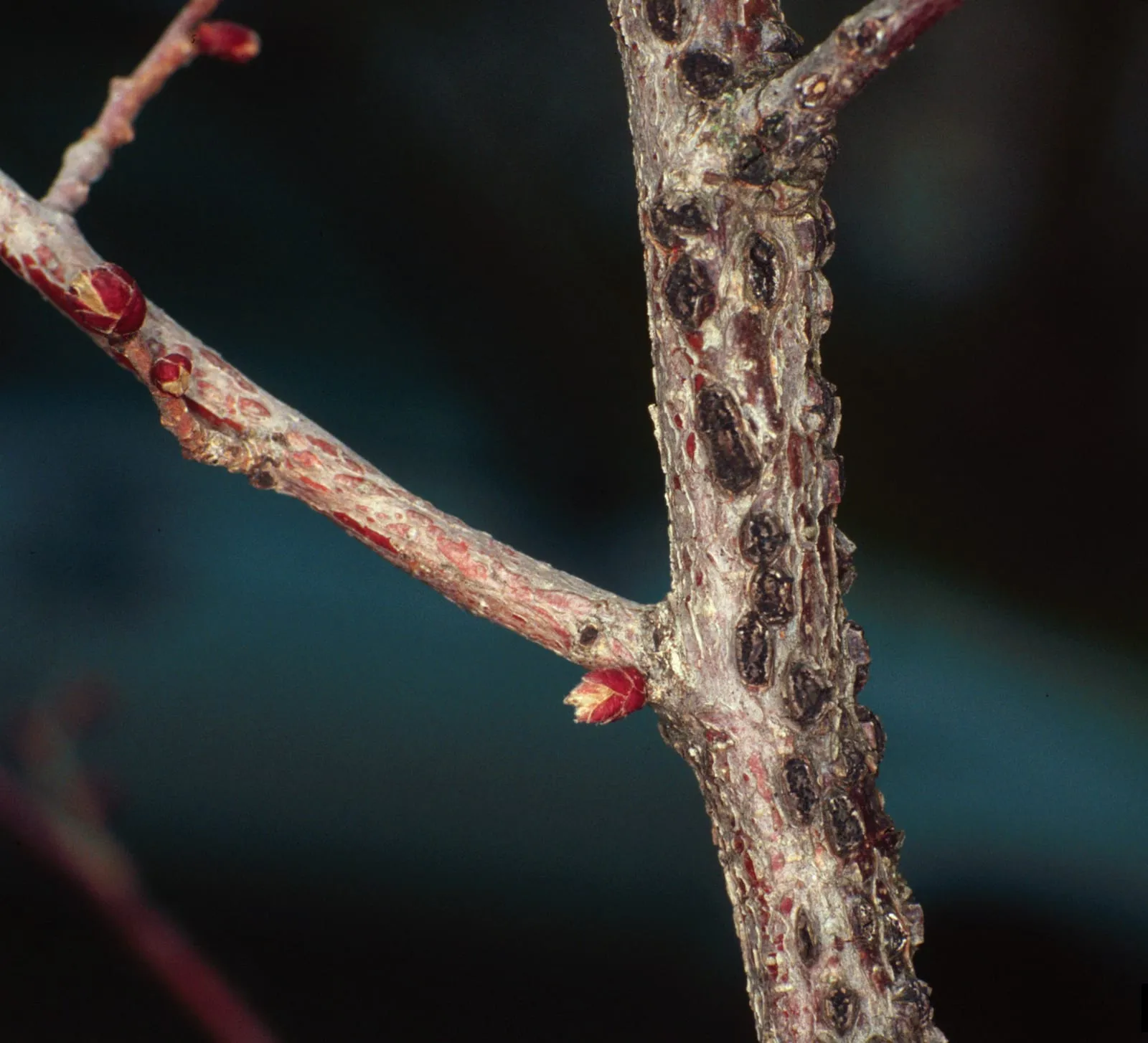
Anisogramma anomala
Native fungal disease of American hazelnut that devastates European hazelnut plantings, the limiting factor for commercial hazelnut culture in the East.
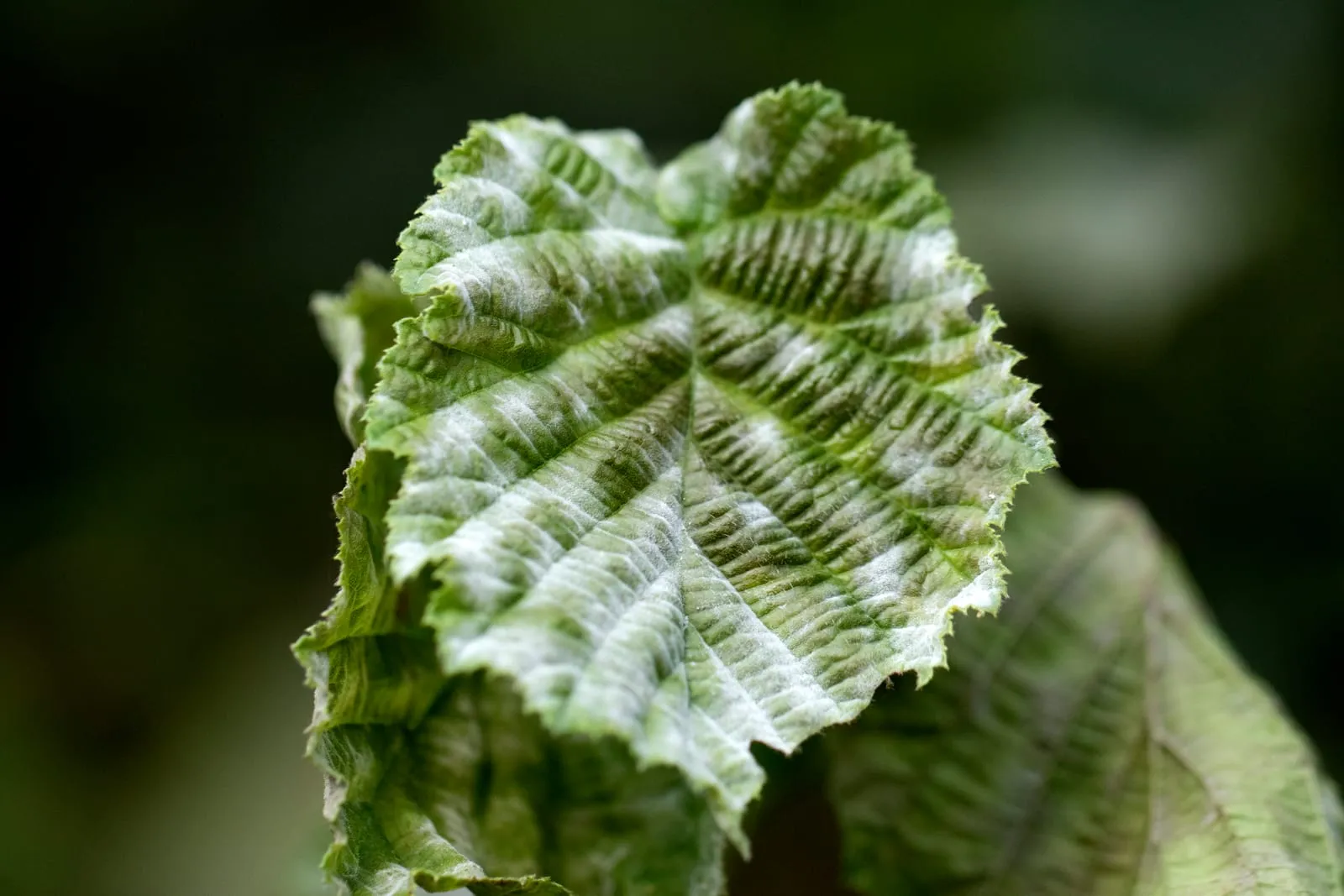
Xanthomonas arboricola pv. corylina
Bacterial disease that kills young hazelnut trees and damages established plantings, particularly during wet establishment.
Modified care for zone 6a
The most consequential adaptation for zone 6a is variety selection with Eastern Filbert Blight resistance. EFB, caused by Anisogramma anomala, spreads via rain splash and can kill susceptible European hazelnut stems within a few seasons in the humid eastern portions of zone 6a. Jefferson, Yamhill, and Theta carry OSU-bred EFB resistance and are the recommended starting point where blight pressure is high.
American Hazelnut and Beaked Hazelnut are naturally resistant and reliably hardy through the zone's -10°F lows without additional winter protection. For all varieties, catkin exposure to late cold snaps is a recurring risk rather than a preventable one. Siting plants on a gentle slope where cold air drains away reduces frost pocket exposure but will not eliminate the possibility of frost-damaged flowers in early spring.
Hazelnut in adjacent zones
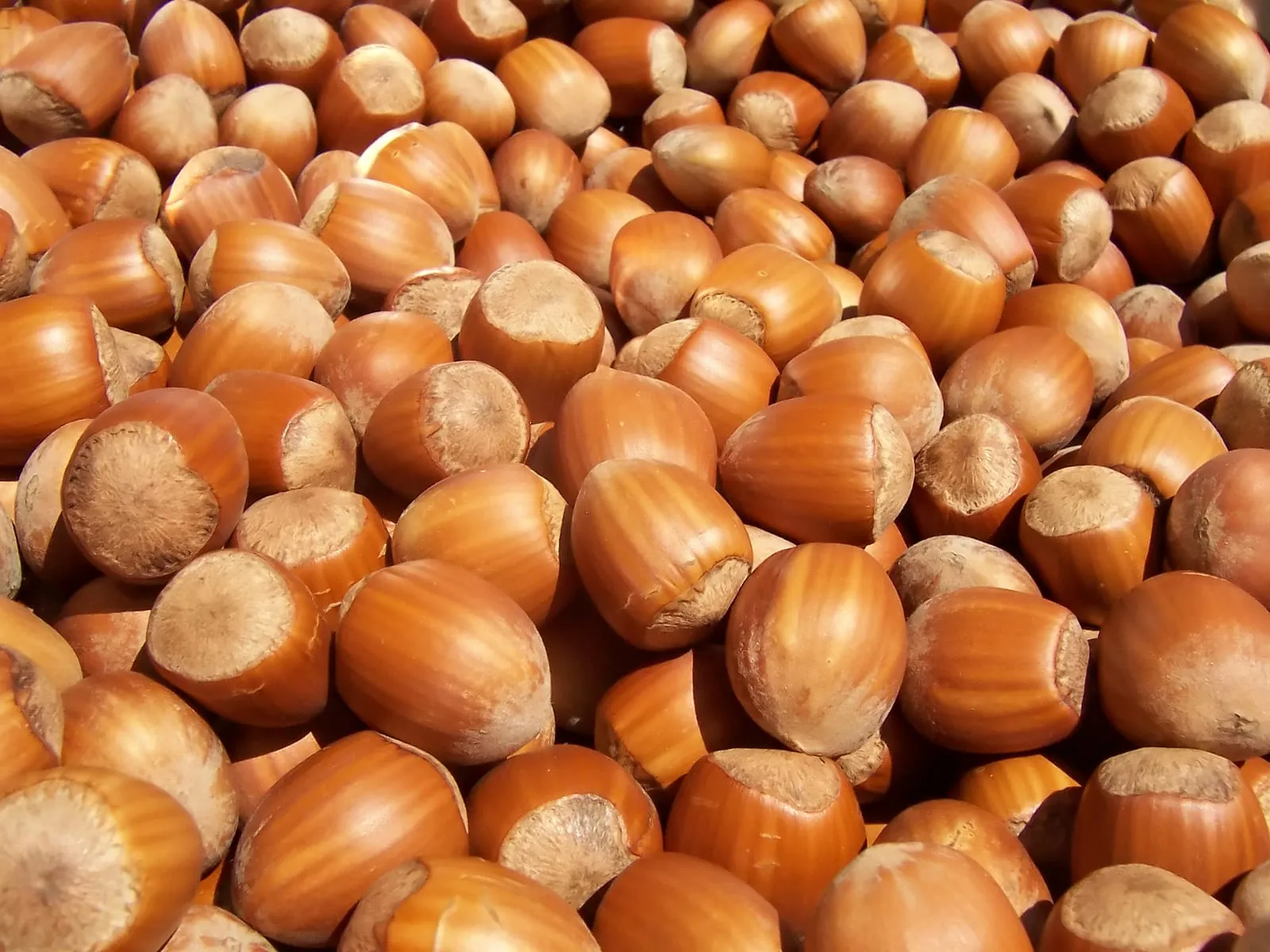
Image: "Hazelnuts", by Fir0002 at English Wikipedia, via Wikimedia Commons, licensed under CC-BY Source.

Related