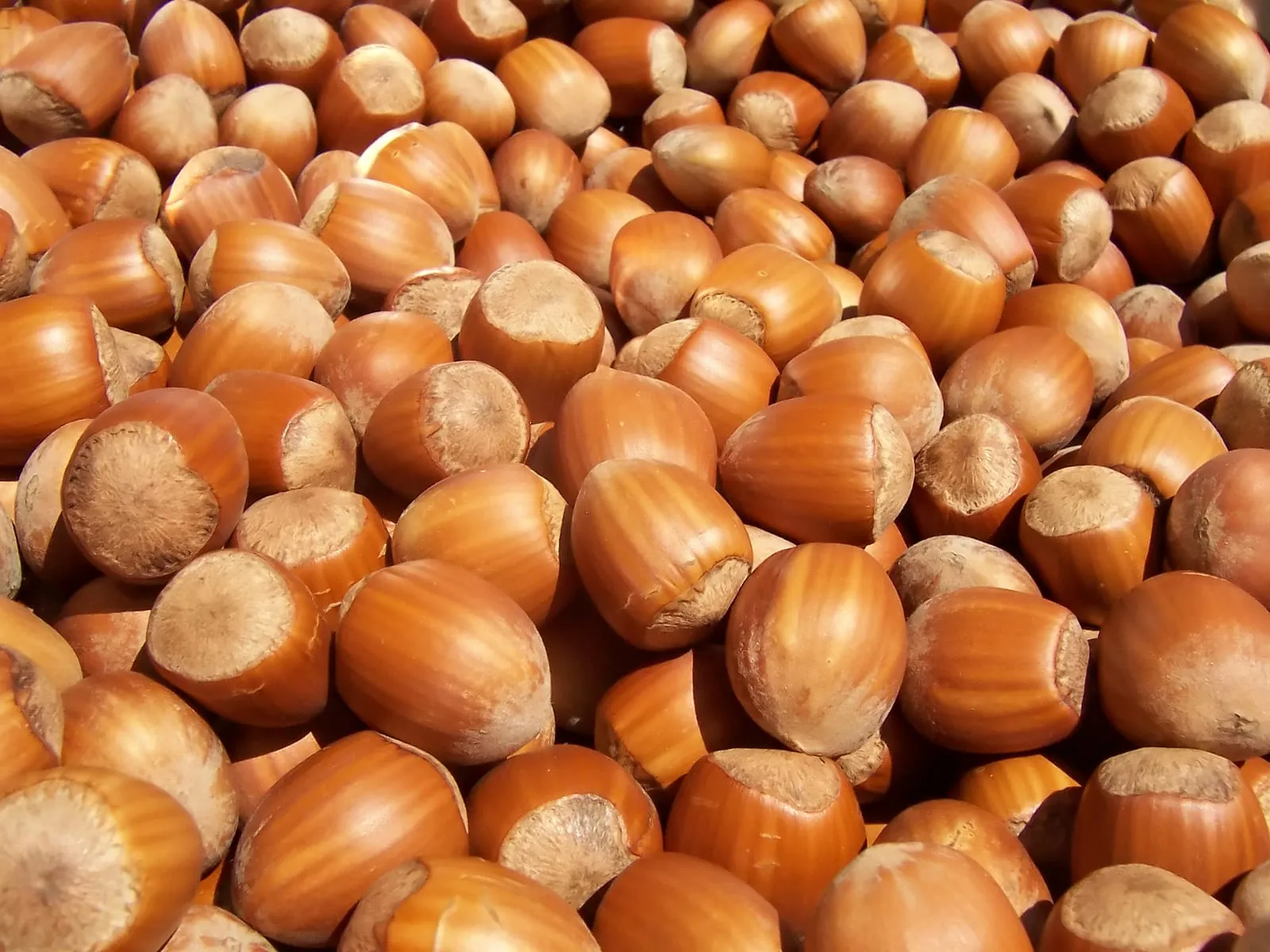
nut in zone 7a
Growing hazelnut in zone 7a
Corylus species and hybrids
- Zone
- 7a 0°F to 5°F
- Growing season
- 210 days
- Chill needed
- 800 to 1500 below 45°F
- Suitable varieties
- 4
- Days to harvest
- 100 to 130
The verdict
Zone 7a sits comfortably within hazelnut's chill-hour window for most locations. The crop requires 800 to 1,500 hours below 45°F to break dormancy and set a reliable crop; zone 7a accumulates roughly 900 to 1,200 chill hours in a typical winter, placing it well into the lower-middle of that range rather than at the margin. This is not a stretch zone for hazelnut.
The varieties best suited here are the OSU-bred releases: Jefferson, Yamhill, and Theta. All three carry resistance to Eastern Filbert Blight, which matters considerably in zone 7a's humid climate. American Hazelnut is native to eastern North America and performs reliably throughout zone 7, though nut size is smaller than the European-hybrid releases. The 210-day growing season is more than sufficient for full nut development. The primary constraint in zone 7a is not cold or season length but disease pressure, particularly during warm, wet springs.
Recommended varieties for zone 7a
4 cultivars suited to this zone, with disease-resistance and zone-fit annotations.
| Variety | Notes | Zone fit | Disease resistance |
|---|---|---|---|
| Jefferson fits zone 7a | Sweet, rich, buttery; fresh, baking, confections, butter. Large round nuts. The Oregon State release that resists Eastern Filbert Blight, the standard for new commercial plantings. Pair with Eta or Theta as pollinizer. | |
|
| Yamhill fits zone 7a | Sweet, rich flavor, smaller round nuts; fresh and processing. Compact OSU release with strong EFB resistance, productive in cooler sites. | |
|
| Theta fits zone 7a | Sweet, rich, large nuts with easy crack-out; baking and fresh. OSU pollinizer for Jefferson, EFB-resistant, productive in its own right. | |
|
| American Hazelnut fits zone 7a | Sweet, mild, small nuts; fresh, baking. Native Corylus americana, naturally EFB-tolerant. Multi-stem shrub form (8-15 ft), suitable for hedgerows. Lower yields than European hybrids. | |
|
Critical timing for zone 7a
Hazelnut blooms unusually early, with catkins shedding pollen in January and February across much of zone 7a, well before the average last frost in late March or early April. The tiny female flowers, which emerge as small red tufts from buds, can tolerate mild frosts but are vulnerable to hard freezes below about 15°F during active receptivity. Zone 7a's minimum temperature range of 0 to 5°F can occasionally threaten late-opening flowers in cold snaps.
Harvest falls in September through early October. Nuts drop to the ground when ripe, and prompt collection reduces losses to squirrels and gray mold. A 210-day growing season leaves ample time between bloom and harvest, so season length is not a limiting factor.
Common challenges in zone 7a
- ▸ Cedar-apple rust
- ▸ Brown rot
- ▸ Fire blight
- ▸ High humidity disease pressure
Disease pressure to watch for
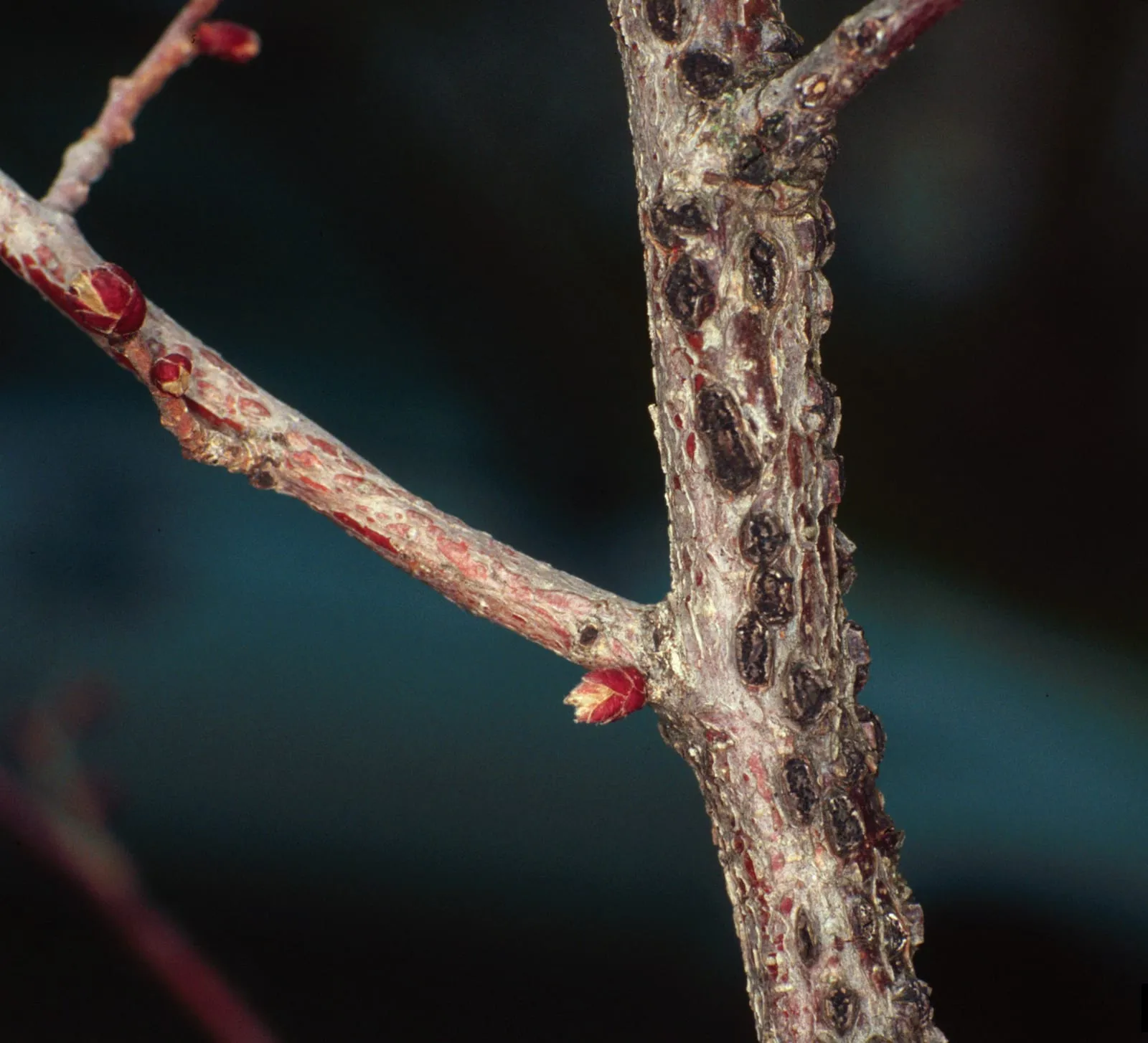
Anisogramma anomala
Native fungal disease of American hazelnut that devastates European hazelnut plantings, the limiting factor for commercial hazelnut culture in the East.
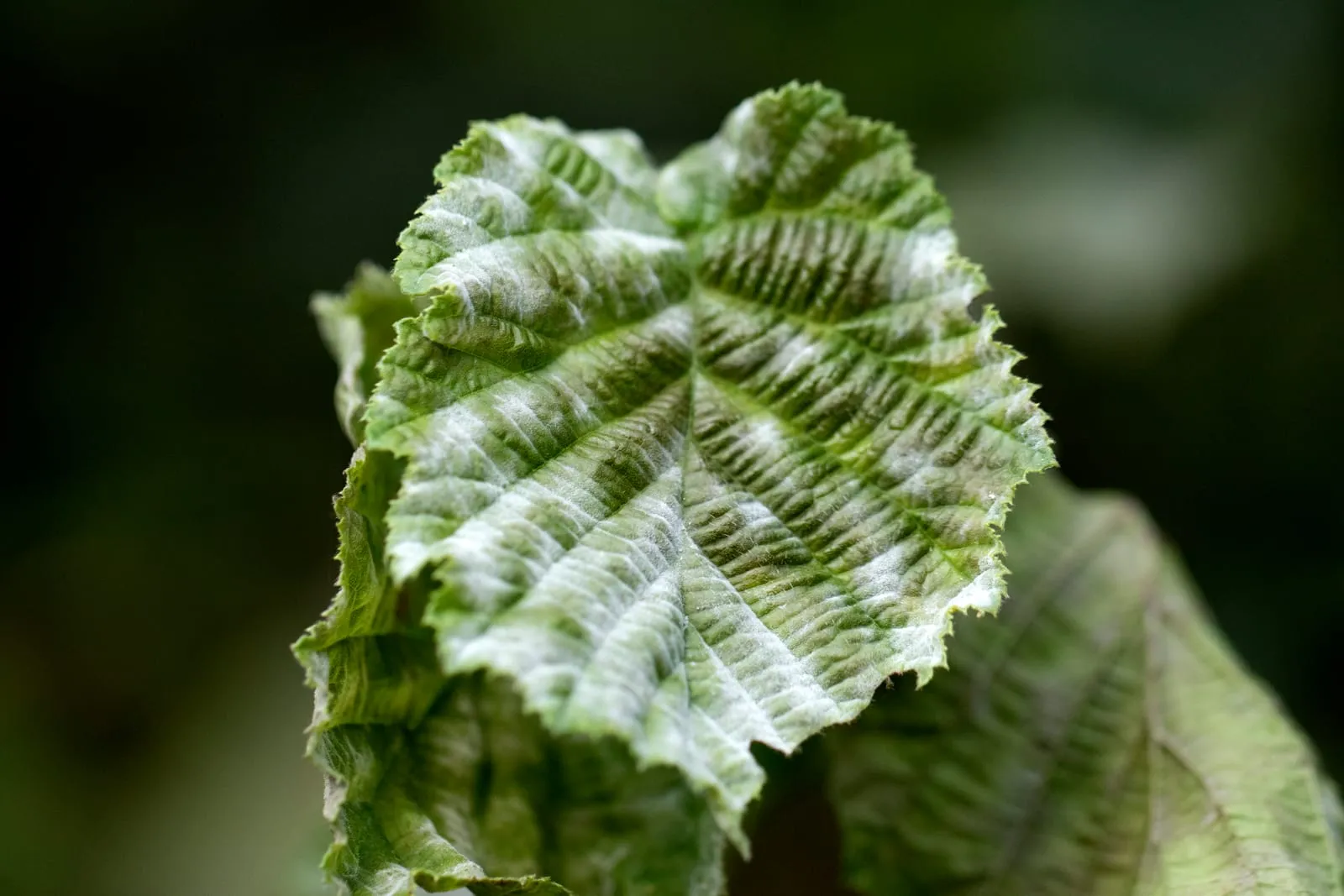
Xanthomonas arboricola pv. corylina
Bacterial disease that kills young hazelnut trees and damages established plantings, particularly during wet establishment.
Modified care for zone 7a
Eastern Filbert Blight is the overriding management concern for hazelnut in zone 7a east of the Appalachians. The fungus spreads during wet spring weather, precisely when zone 7a sees its highest rainfall and humidity. Planting only blight-resistant varieties (Jefferson, Yamhill, Theta) is the first line of defense; growing susceptible European cultivars in this region without a rigorous spray program is unlikely to succeed long-term.
Bacterial Hazelnut Blight can cause additional canker damage during wet periods. Pruning cuts should be made during dry weather and limited to the dormant season to reduce infection risk. In the warmest parts of zone 7a, where summers are long and humid, thinning the canopy to improve airflow meaningfully reduces foliar and canker disease incidence. No extra winter protection is needed for established plants at this zone.
Frequently asked questions
- Is zone 7a warm enough for hazelnuts to produce reliably?
Yes. Zone 7a accumulates enough winter chill hours to meet hazelnut's dormancy requirements, and the 210-day growing season is sufficient for nut development. The main risk is not warmth but late-winter frost events during the unusually early bloom period, which can reduce set in years with hard freezes in February.
- Do I need two hazelnut plants for pollination in zone 7a?
Yes. Hazelnuts are self-incompatible and require cross-pollination from a genetically distinct plant. Plant at least two different varieties within roughly 50 feet of each other. Jefferson, Yamhill, and Theta all bloom at overlapping times and cross-pollinate effectively.
- How serious is Eastern Filbert Blight in zone 7a?
It is the primary disease threat for hazelnuts in the eastern United States, including zone 7a. Susceptible European varieties can decline and die within a few years without aggressive management. Resistant OSU varieties like Jefferson and Yamhill are strongly recommended for this region.
+−
+−
+−
Hazelnut in adjacent zones
Image: "Hazelnuts", by Fir0002 at English Wikipedia, via Wikimedia Commons, licensed under CC-BY Source.

Related