nut in zone 7b
Growing hazelnut in zone 7b
Corylus species and hybrids
- Zone
- 7b 5°F to 10°F
- Growing season
- 220 days
- Chill needed
- 800 to 1500 below 45°F
- Suitable varieties
- 3
- Days to harvest
- 100 to 130
The verdict
Zone 7b sits at the warmer edge of hazelnut's viable range, but it is not a marginal zone provided variety selection is correct. Hazelnut requires 800 to 1,500 chill hours (temperatures at or below 45°F), and zone 7b piedmont and foothills locations typically accumulate 900 to 1,100 chill hours in most winters. That puts the zone solidly inside the lower half of the crop's requirement window, which is workable but leaves little buffer in mild winters that fall short of 900 hours.
The varieties that matter most here are Jefferson, Yamhill, and Theta. These Oregon State University releases were bred specifically for Eastern Filbert Blight resistance, which is the deciding factor for viability east of the Rockies. Without blight resistance, hazelnut plantings in zone 7b historically fail within a decade. With it, the zone's 220-day growing season and adequate chill accumulation make hazelnut a reasonable long-term investment, particularly in locations with good air drainage and well-drained soils.
Recommended varieties for zone 7b
3 cultivars suited to this zone, with disease-resistance and zone-fit annotations.
| Variety | Notes | Zone fit | Disease resistance |
|---|---|---|---|
| Jefferson fits zone 7b | Sweet, rich, buttery; fresh, baking, confections, butter. Large round nuts. The Oregon State release that resists Eastern Filbert Blight, the standard for new commercial plantings. Pair with Eta or Theta as pollinizer. | |
|
| Yamhill fits zone 7b | Sweet, rich flavor, smaller round nuts; fresh and processing. Compact OSU release with strong EFB resistance, productive in cooler sites. | |
|
| Theta fits zone 7b | Sweet, rich, large nuts with easy crack-out; baking and fresh. OSU pollinizer for Jefferson, EFB-resistant, productive in its own right. | |
|
Critical timing for zone 7b
Hazelnut is among the earliest-blooming nut crops, and in zone 7b the catkins typically shed pollen in late January through mid-February. Female flowers are receptive around the same window. This timing predates the zone's average last frost by six to eight weeks, meaning hard freezes after flowering do not disrupt pollination in most years. However, late cold snaps in early March can reduce nut set if temperatures drop sharply after catkin drop.
Harvest falls in September, when nuts drop naturally to the ground. The zone's long growing season (220 days) is more than sufficient for the crop to fully mature. Growers should plan to collect nuts promptly after drop, as wet falls increase mold and insect damage in windrows.
Common challenges in zone 7b
- ▸ Cedar-apple rust pressure heavy in piedmont
- ▸ Japanese beetles
- ▸ Brown marmorated stink bug
- ▸ Late summer disease pressure
Disease pressure to watch for
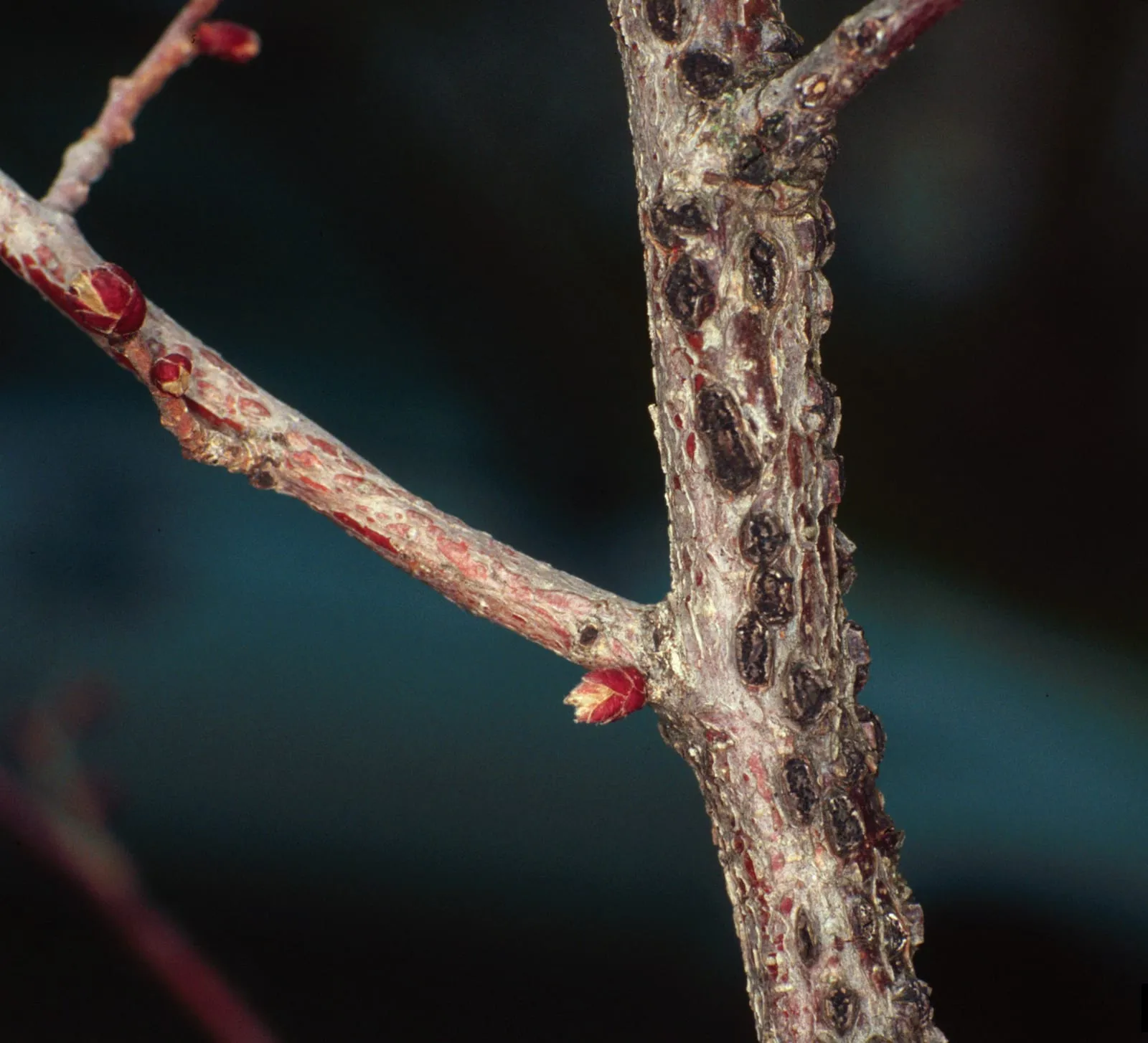
Anisogramma anomala
Native fungal disease of American hazelnut that devastates European hazelnut plantings, the limiting factor for commercial hazelnut culture in the East.
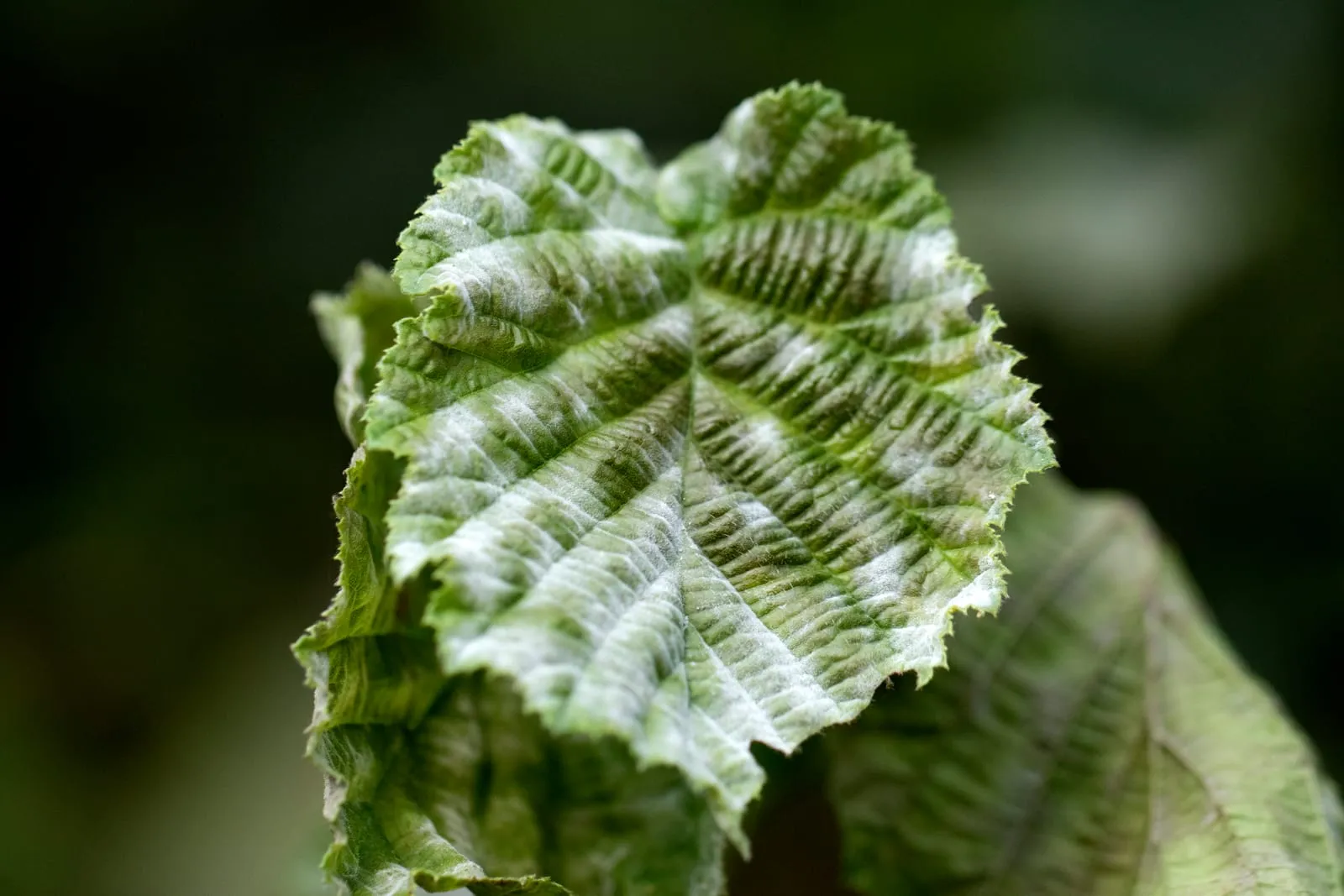
Xanthomonas arboricola pv. corylina
Bacterial disease that kills young hazelnut trees and damages established plantings, particularly during wet establishment.
Modified care for zone 7b
Eastern Filbert Blight is non-negotiable as a management priority in zone 7b. Plant only EFB-resistant varieties (Jefferson, Yamhill, Theta) and inspect annually for the distinctive sunken cankers that appear on stems. Remove and destroy infected wood well below visible canker margins. Copper-based fungicide applications at bud swell can supplement resistance in high-pressure years, but resistant varieties are the primary control.
Japanese beetles and brown marmorated stink bugs cause significant damage to hazelnut in the piedmont and are more active here than in the Pacific Northwest, where most hazelnut management literature originates. Kaolin clay applied before beetle emergence (late June) reduces feeding on leaves and developing nuts. For stink bugs, perimeter trap crops have shown some utility in research trials but are labor-intensive. Late summer disease pressure from Bacterial Hazelnut Blight warrants attention during wet August conditions; maintain canopy airflow through selective pruning.
Frequently asked questions
- Can hazelnuts grow in zone 7b without disease problems?
Only with the right variety selection. Eastern Filbert Blight eliminates non-resistant hazelnuts within years across most of the eastern US. Jefferson, Yamhill, and Theta carry strong EFB resistance and are the recommended choices for zone 7b. Even resistant varieties benefit from annual inspection and removal of any symptomatic wood.
- Will zone 7b get enough chill hours for hazelnut?
Most zone 7b locations accumulate 900 to 1,100 chill hours in a typical winter, which falls within hazelnut's 800 to 1,500 hour requirement. Unusually mild winters can fall short. Choosing varieties at the lower end of the chill requirement provides the best insurance against warm-winter years.
- When should hazelnuts be harvested in zone 7b?
Nuts typically drop to the ground in September. Collect them within a few days of drop to reduce losses to mold and insects, which are both active during zone 7b's warm, sometimes wet early fall. A tarp or ground cloth under the canopy simplifies collection.
+−
+−
+−
Hazelnut in adjacent zones
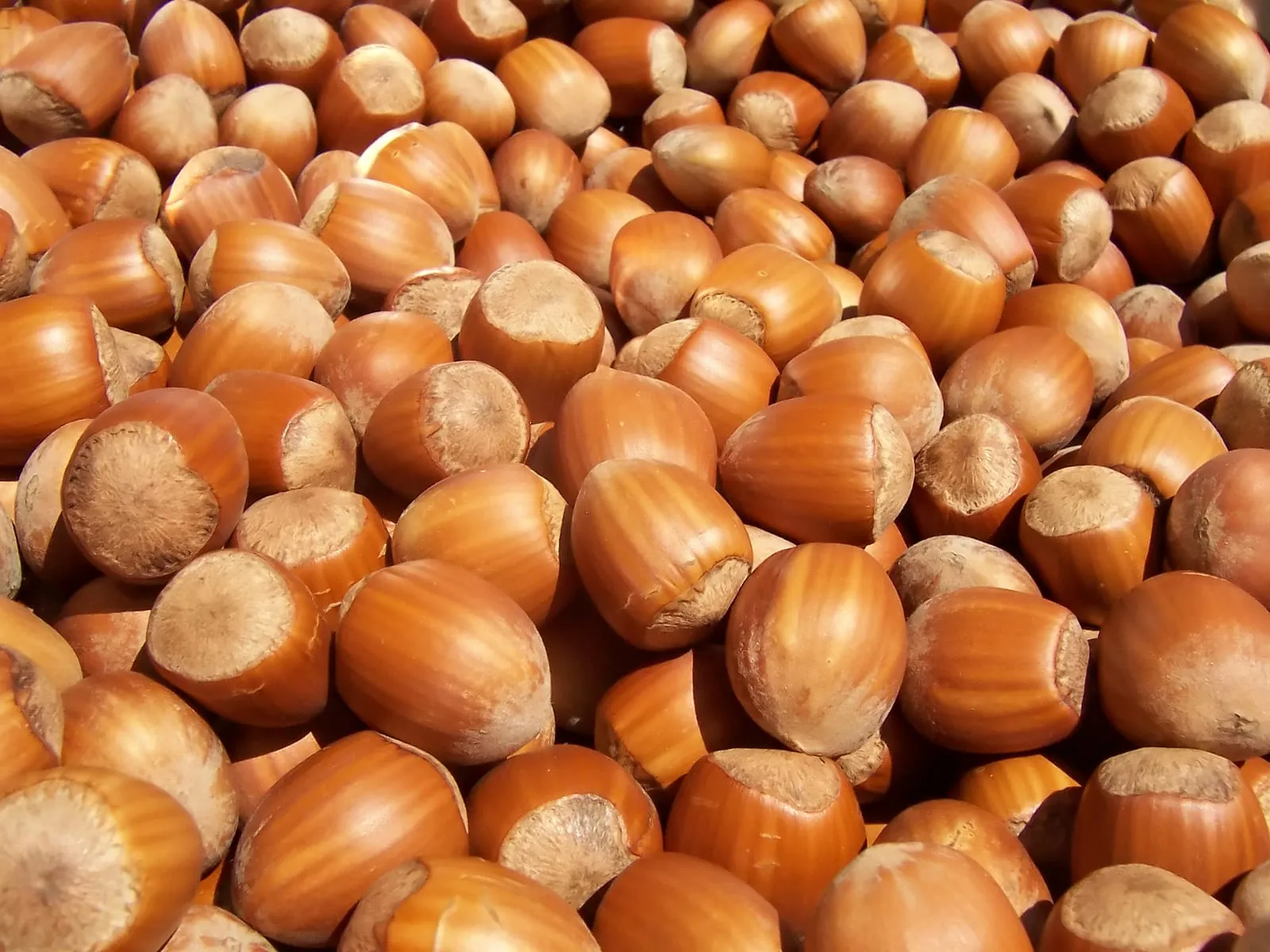
Image: "Hazelnuts", by Fir0002 at English Wikipedia, via Wikimedia Commons, licensed under CC-BY Source.

Related