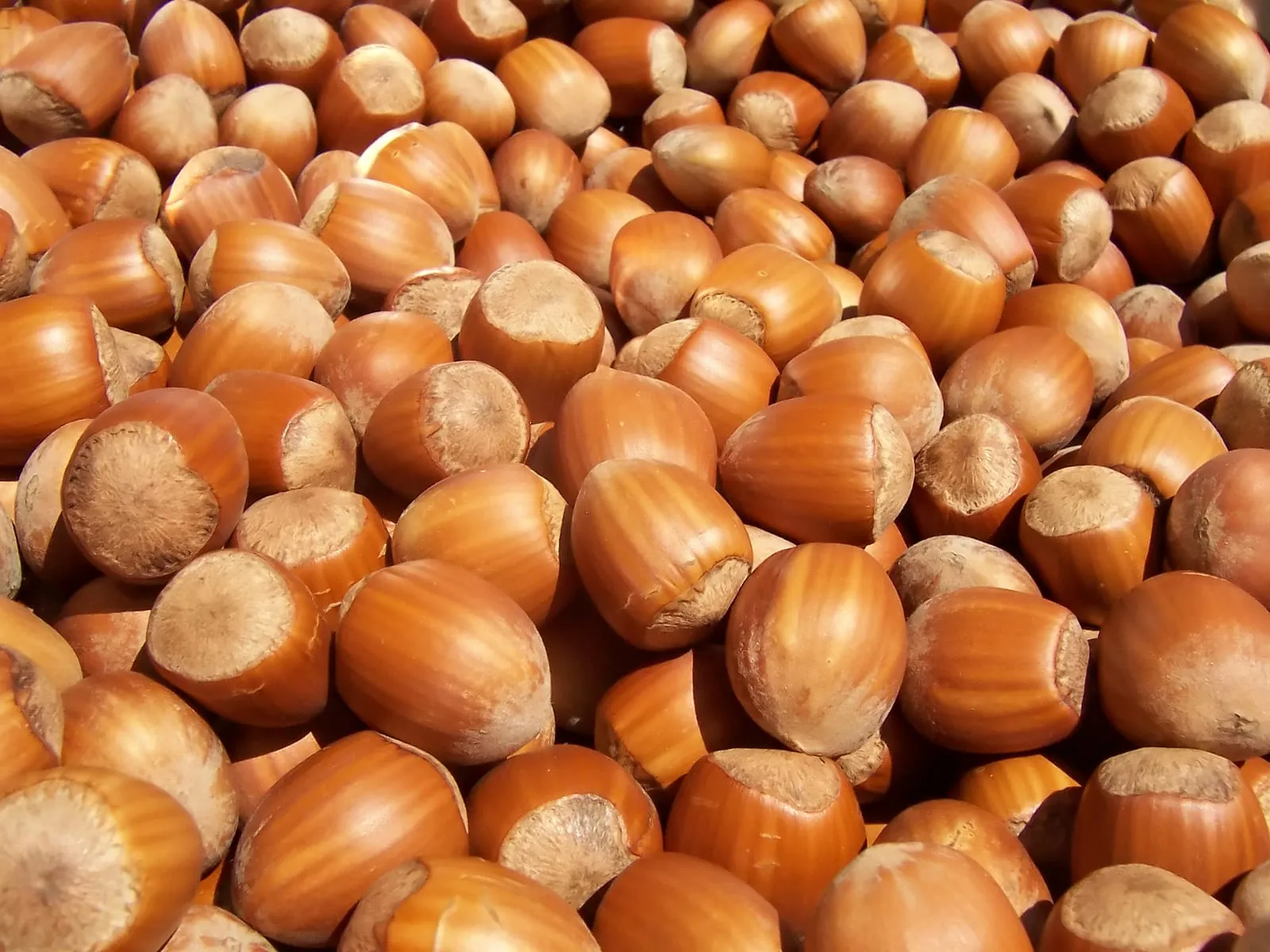
nut in zone 8a
Growing hazelnut in zone 8a
Corylus species and hybrids
- Zone
- 8a 10°F to 15°F
- Growing season
- 240 days
- Chill needed
- 800 to 1500 below 45°F
- Suitable varieties
- 1
- Days to harvest
- 100 to 130
The verdict
Zone 8a sits at the warm edge of hazelnut's viable range. Most hazelnut selections require 800 to 1,500 chill hours (hours below 45°F from November through February); zone 8a typically accumulates 500 to 900 hours depending on elevation and specific microclimate. That range covers only the lowest end of hazelnut's requirements, making this a marginal zone for the crop.
The variety Jefferson, developed by Oregon State University for disease resistance, comes closer to the 800-hour threshold than older commercial selections bred for the Pacific Northwest. In the coolest pockets of zone 8a, particularly at higher elevations or in protected north-facing sites, Jefferson can accumulate enough winter cold to set a reasonable crop. In warmer valley positions where chill hours fall short of 700, poor fruit set, delayed leafout, and irregular bearing are likely outcomes.
Growers considering hazelnut in zone 8a should treat it as a trial planting rather than a reliable orchard crop unless local climate data confirms consistent chill hour accumulation.
Recommended varieties for zone 8a
1 cultivar suited to this zone, with disease-resistance and zone-fit annotations.
| Variety | Notes | Zone fit | Disease resistance |
|---|---|---|---|
| Jefferson fits zone 8a | Sweet, rich, buttery; fresh, baking, confections, butter. Large round nuts. The Oregon State release that resists Eastern Filbert Blight, the standard for new commercial plantings. Pair with Eta or Theta as pollinizer. | |
|
Critical timing for zone 8a
Hazelnut is one of the earliest-blooming woody crops, with catkins releasing pollen in January or February across much of its range. In zone 8a, this timing intersects with a last-frost window that typically extends into late February or early March, creating real frost risk for the pistillate flowers that receive pollen. A late cold snap after catkin emergence can reduce nut set substantially.
Harvest in zone 8a generally falls in August through early September, ahead of the first fall frost. The 240-day growing season provides adequate time for nut development once pollination succeeds. The primary timing concern in this zone is at the front end of the season, not the back.
Common challenges in zone 8a
- ▸ Insufficient chill hours for some apple varieties
- ▸ Pierce's disease in grapes
- ▸ Heat stress on cool-season crops
Disease pressure to watch for
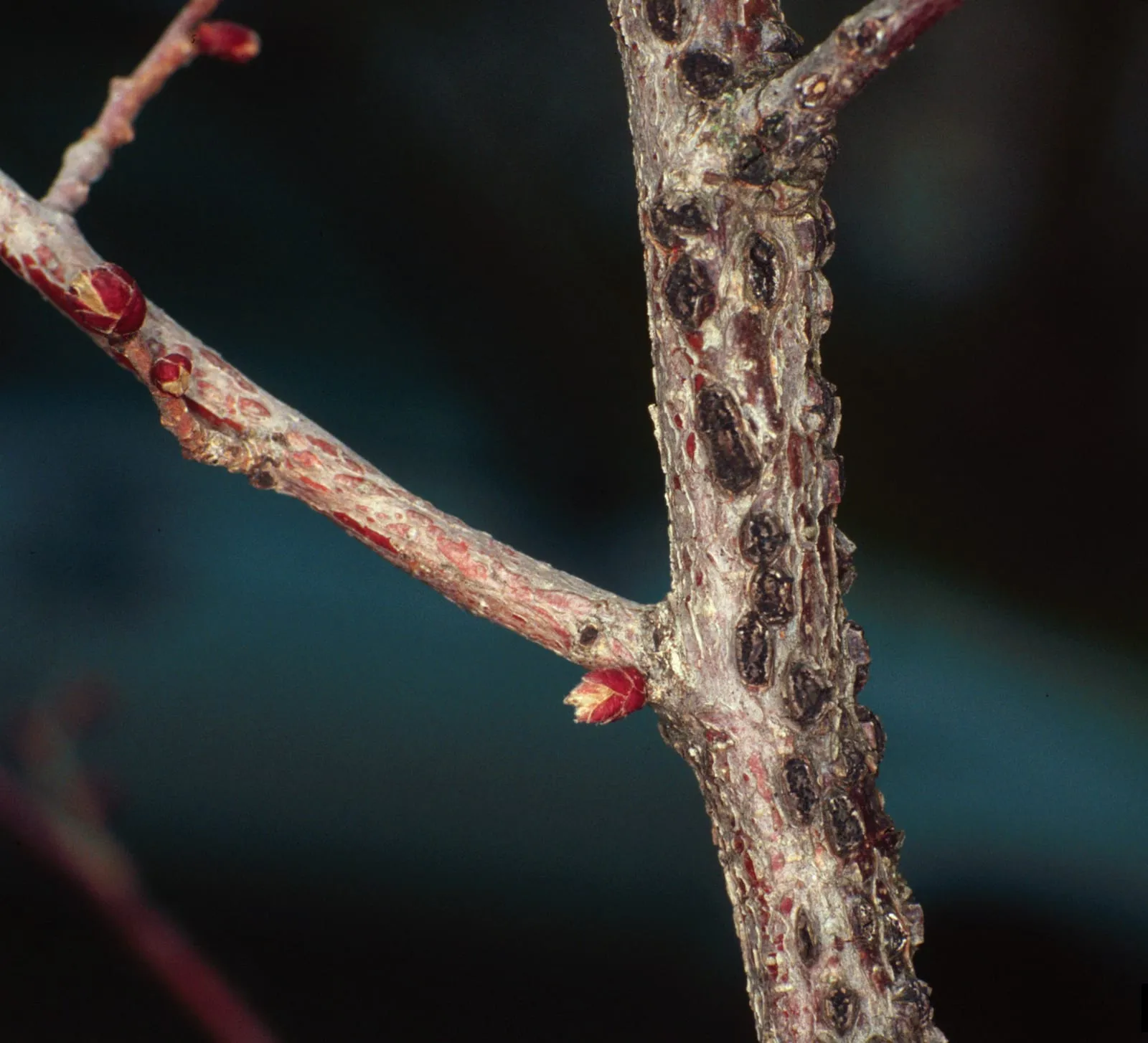
Anisogramma anomala
Native fungal disease of American hazelnut that devastates European hazelnut plantings, the limiting factor for commercial hazelnut culture in the East.
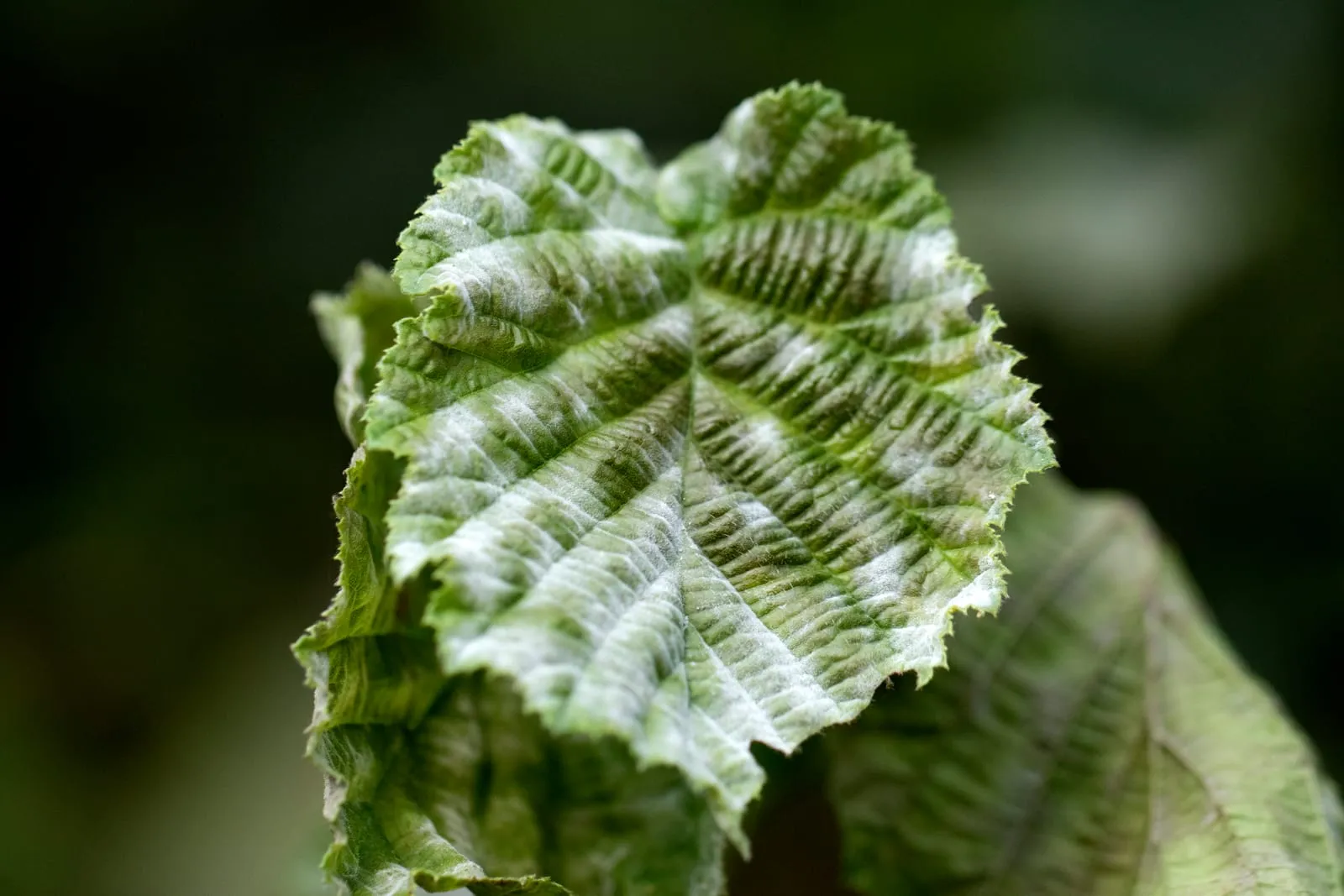
Xanthomonas arboricola pv. corylina
Bacterial disease that kills young hazelnut trees and damages established plantings, particularly during wet establishment.
Modified care for zone 8a
The main management challenge in zone 8a is compensating for marginal chill accumulation. Siting on a north-facing slope or in a spot shaded from afternoon sun through winter can add meaningful extra chill hours compared to an open south-facing location. Avoid late-season nitrogen applications, which promote vegetative growth that stays soft into fall and increases susceptibility to Eastern Filbert Blight.
Eastern Filbert Blight pressure is present across the southeastern and mid-Atlantic portions of zone 8a. Jefferson carries resistance to this pathogen, which is one reason it appears on the short list of varieties that make sense at this latitude. Even resistant varieties benefit from removal of any infected wood if symptoms appear.
During years with poor chill accumulation, expect reduced and irregular nut set. Some growers in marginal zones apply a registered dormancy-breaking spray in late winter to improve bud break uniformity, though results vary by site and season.
Hazelnut in adjacent zones
Image: "Hazelnuts", by Fir0002 at English Wikipedia, via Wikimedia Commons, licensed under CC-BY Source.

Related