berry
Lingonberry
Vaccinium vitis-idaea
USDA hardiness range
- Zones
- 3a–7a
- Days to harvest
- 100 to 120
- Sun
- Partial
- Water
- Moderate
- Lifespan
- 50 years
Growing lingonberry
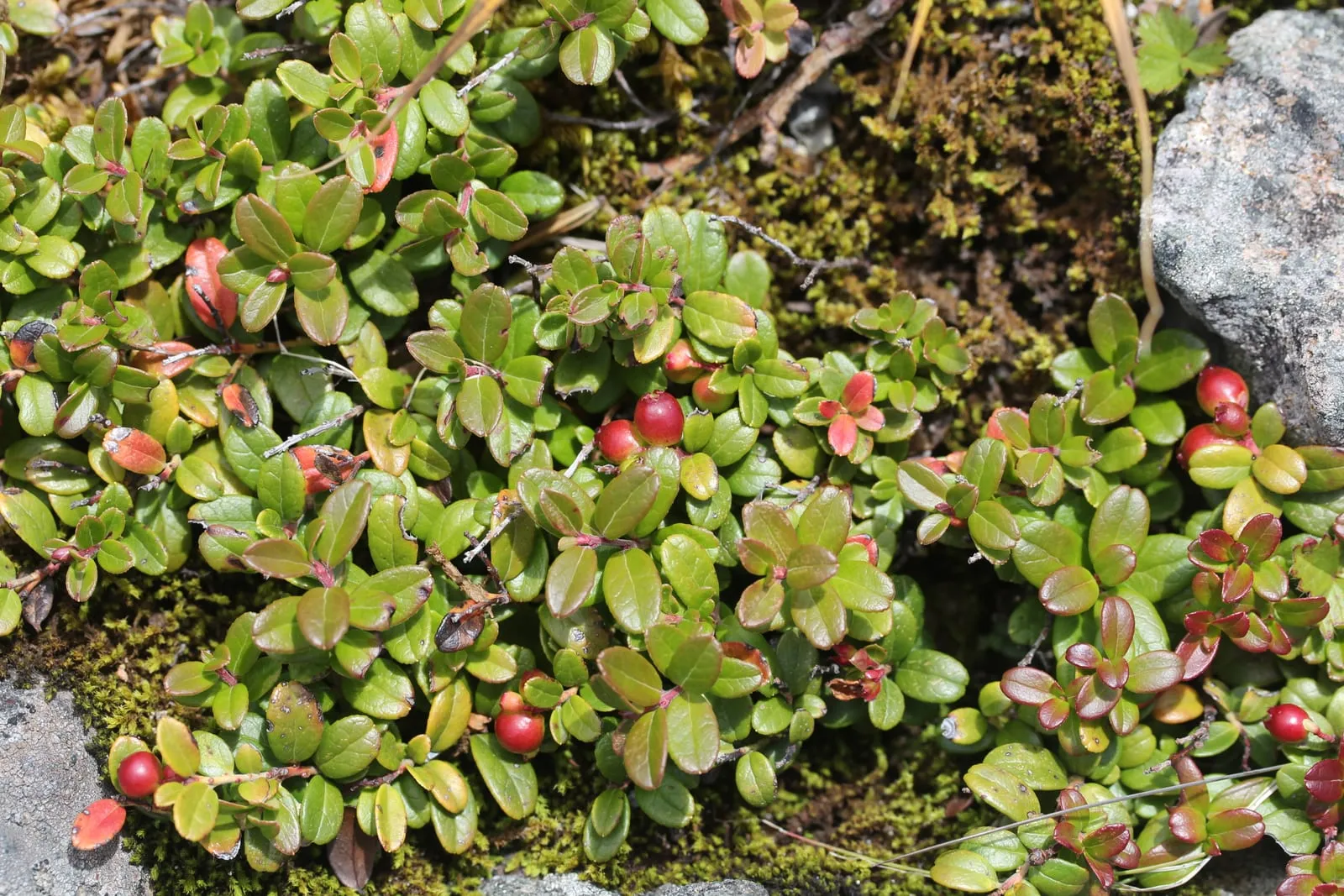
Lingonberry (Vaccinium vitis-idaea) is a low-growing evergreen groundcover native to boreal and subarctic forests across Scandinavia, northern Europe, and Alaska. It is among the most cold-tolerant small fruits available to home growers, rated hardy through zone 3a and performing reliably through zone 6b (USDA Lingonberry Cultivation). Zone 7a represents the practical warm edge; summer heat and shortened winters in that zone reduce berry production and can cause plants to decline over time.
Productive plantings share a few characteristics: well-drained, acidic soil (pH 4.5 to 5.5), consistent moisture, and a site with partial shade that moderates summer heat. Lingonberry is slow to establish. Most plantings produce their first meaningful crop in year two or three, but plants are exceptionally long-lived, with well-maintained beds remaining productive for 50 years or more.
The crop's commercial roots are in Scandinavia, where tart lingonberry sauce is a dietary staple, and that flavor profile translates directly to home use in sauces, jellies, syrups, and preserves. The three cultivars most commonly available in the United States (Koralle, Red Pearl, and Sussi) all bear reliably in zones 3a through 6b. Red Pearl is notable for producing two crops per year in climates mild enough to support a second flowering cycle, typically zones 5b through 7a.
Recommended varieties
See all 3 →3 cultivars for home growers, with notes on flavor, ripening, and disease resistance.
| Variety | Notes | Zone fit | Disease resistance |
|---|---|---|---|
| Koralle | Tart, slightly bitter, small bright red berries with classic Scandinavian flavor; sauce, jelly, syrup. The standard commercial European variety. Productive evergreen groundcover. | | none noted |
| Red Pearl | Tart, bright, larger berries than Koralle; sauce, preserves. Productive Dutch selection, two crops per year (summer and fall) in milder climates. | | none noted |
| Sussi | Tart, intense, dark red small berries; classic for sauce and jam. Productive Swedish variety, vigorous spreading habit. | | none noted |
Soil and site requirements
Lingonberry has the same soil chemistry requirements as other Vaccinium species: pH 4.5 to 5.5, high organic matter, and excellent drainage. Roots are shallow and fine; standing water for even short periods creates conditions favorable to Phytophthora root rot. If native soil is not already acidic, amend with elemental sulfur well ahead of planting. Soil pH adjustment takes months, not weeks, so amending the season before planting is the standard approach.
The plant tolerates full sun in cool climates (zones 3a through 5b) but benefits from afternoon shade in zones 6a through 7a, where summer heat is the primary limiting factor. A north-facing slope or filtered light under deciduous trees can extend productive life significantly in warmer zones.
Spacing depends on intended use. As a groundcover, plant 12 to 18 inches apart; beds fill in within three to four years. For fruit production, 18 to 24 inches between plants improves air circulation and reduces gray mold pressure. Mulch with wood chips or pine bark to conserve moisture, suppress weeds, and maintain soil acidity over time.
Lingonberry is cold-hardy through zone 3a (minimum temperatures of -40 to -35°F), far more tolerant of winter cold than most small fruits, but late spring frosts can damage open flower buds. Avoid low-lying frost pockets; sites with good cold-air drainage improve early-season reliability across all zones.
Common diseases
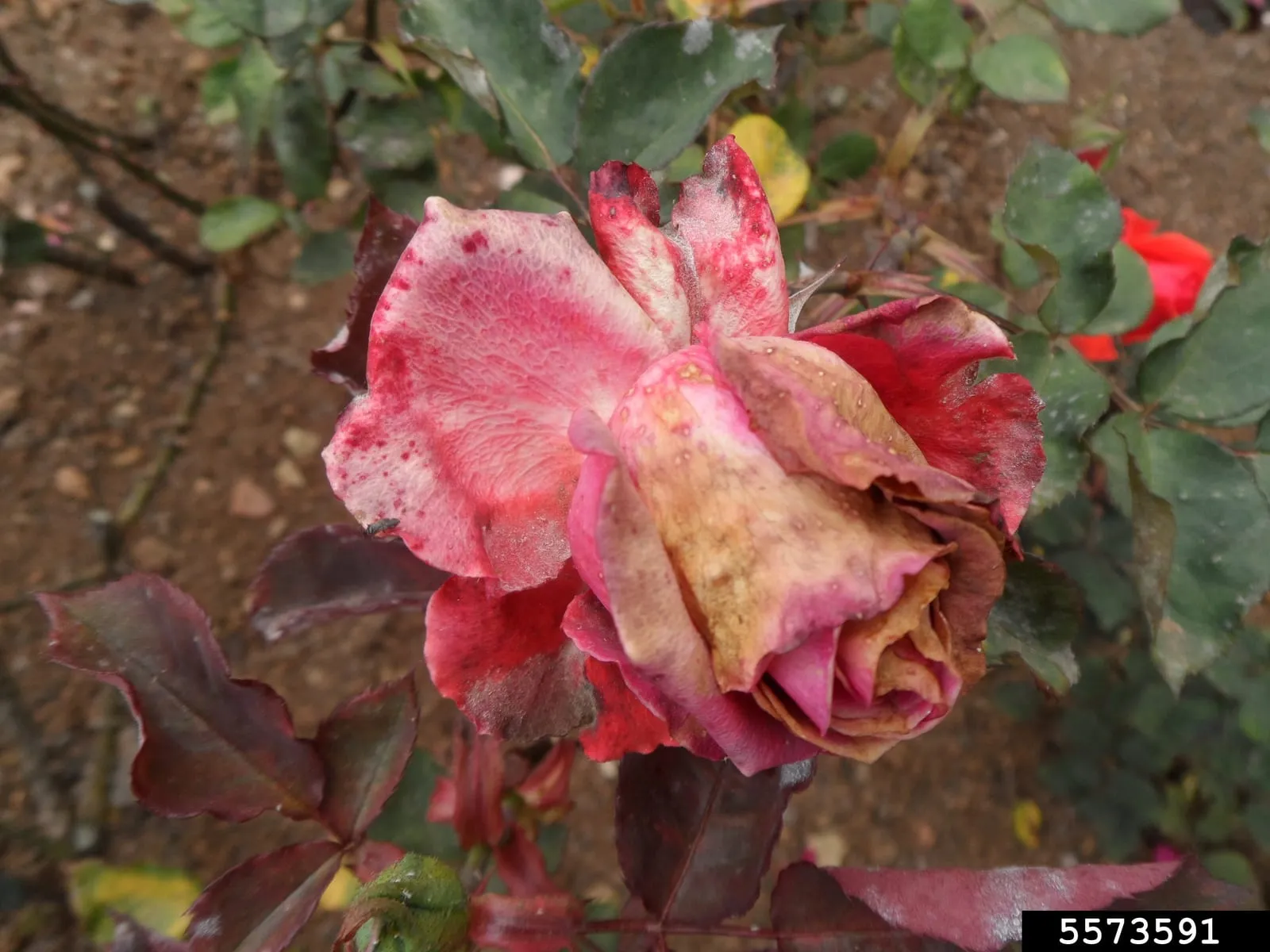
Botrytis cinerea
Ubiquitous fungal disease that causes fruit rot during cool wet weather, often the dominant berry disease in humid regions.
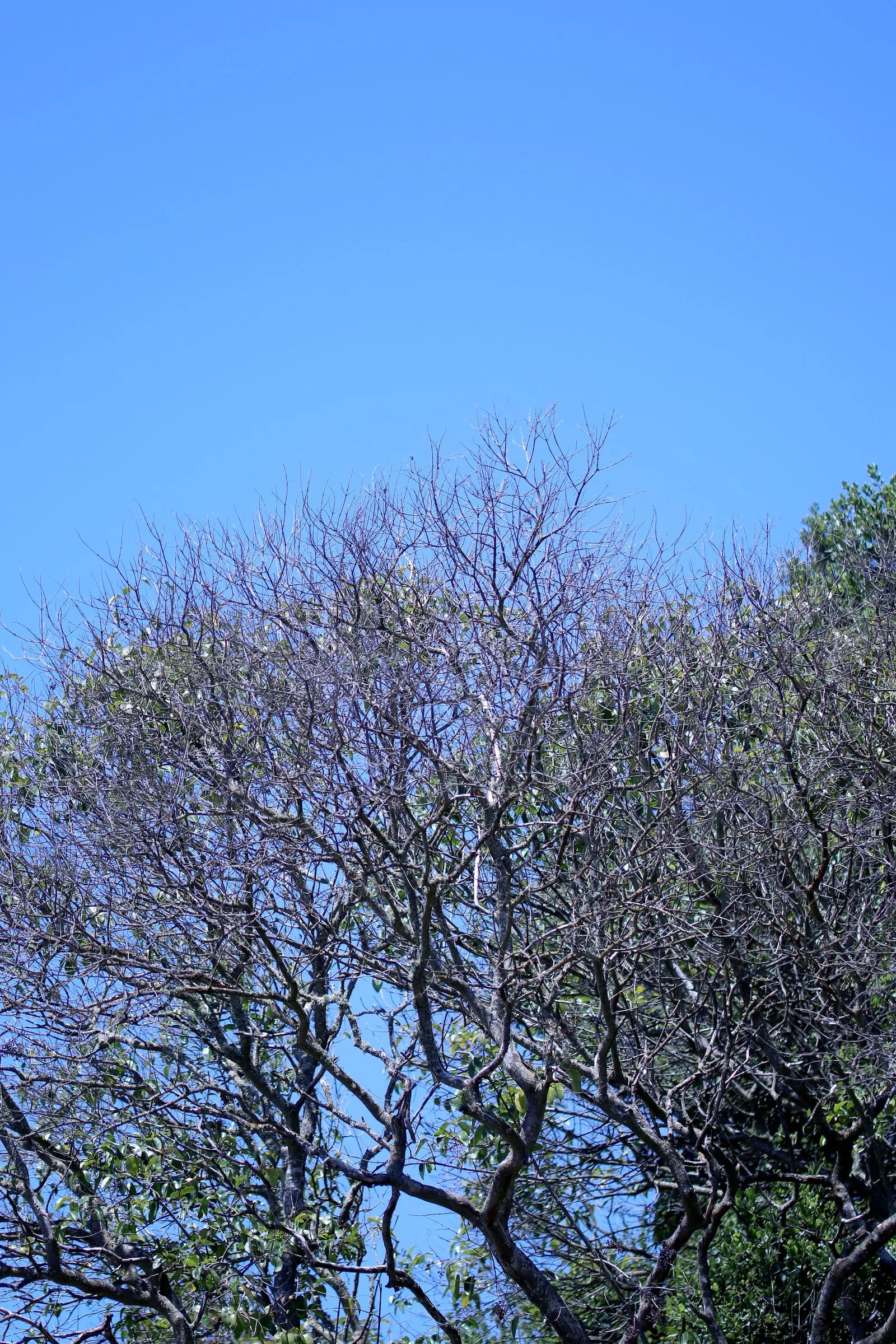
Phytophthora species
Soil-borne water mold that destroys roots in waterlogged soils, the leading cause of blueberry decline in poorly drained sites.
Common pests
Common challenges
Three problems account for most lingonberry failures in home plantings.
Gray mold (Botrytis cinerea) is the leading disease issue. The pathogen thrives in cool, humid conditions and attacks ripening fruit and dense foliage. Prevention depends on air circulation: avoid overhead irrigation, maintain proper plant spacing, and remove plant debris at the end of the season. Cultural management is the primary tool; chemical controls are rarely practical for home plantings.
Phytophthora root rot kills plants that sit in waterlogged soil, often without clear above-ground symptoms until the plant collapses. This is the most common cause of total plant loss in established beds. No fungicide reverses an active Phytophthora infection. The only effective response is removing affected plants and correcting drainage before replanting. Raised beds or mounded rows eliminate the problem for growers with heavy clay soils.
Bird pressure is the most consistent yield threat at harvest. Lightweight row cover or bird netting applied as berries begin to color is standard practice; without protection, losses can reach 50 percent or more in areas with dense bird populations.
In zones 6b and 7a, heat accumulation during summer is an underappreciated challenge. High temperatures suppress berry set and can cause dieback during prolonged heat events. Afternoon shade and consistent irrigation reduce the impact, but growers in those zones should expect lower yields than growers in zones 4a through 6a (University of Alaska Lingonberry).
Frequently asked questions
- What chill hour requirements does lingonberry have?
Specific published chill hour counts for lingonberry are not well-established the way they are for apple or peach. The crop is native to subarctic climates and performs best where winters are reliably cold, zones 3a through 6b. Growers in zone 7a frequently report reduced vigor and fruit set, indicating the plant needs more winter cold than that zone typically provides.
- How many days does lingonberry take to ripen after flowering?
Lingonberry takes 100 to 120 days from flowering to ripe fruit. Newly planted beds rarely produce a meaningful harvest in year one; most growers see their first real crop in year two or three. Red Pearl, a productive Dutch selection, can yield two crops per year (summer and fall) in milder climates.
- What USDA zones are suitable for growing lingonberry?
Lingonberry is rated for zones 3a through 7a, with the most reliable production in zones 3a through 6b. Zone 7a is the warm edge of the range; heat stress and reduced winter cold in that zone typically lower yields and can cause long-term plant decline. It is one of the few fruiting plants that performs well in zones 3a and 3b.
- Does lingonberry need a separate pollinator variety to fruit?
Lingonberry is partially self-fertile but consistently produces larger, more reliable crops when two or more varieties are planted together. Planting at least two of the available cultivars (Koralle, Red Pearl, or Sussi) is the standard recommendation for productive home plantings.
- What is the most common disease affecting lingonberry?
Gray mold (Botrytis cinerea) is the most frequently reported disease in home plantings. It thrives in cool, humid conditions and targets both ripening fruit and foliage. Proper plant spacing for air circulation and avoiding overhead irrigation are the primary preventive measures.
- How long do lingonberry plants live?
Well-maintained lingonberry beds can remain productive for 50 years or more. Plants spread slowly by rhizome and do not require the periodic replanting that many other small fruits demand. Maintaining soil pH in the 4.5 to 5.5 range and ensuring good drainage are the primary factors in long-term productivity.
- What soil pH does lingonberry require?
Lingonberry requires acidic soil with a pH of 4.5 to 5.5, consistent with other Vaccinium species such as blueberry. Most garden soils are too alkaline. Amend with elemental sulfur the season before planting, since pH adjustment takes months, and use acidifying mulches such as pine bark or wood chips to maintain acidity over time.
+−
+−
+−
+−
+−
+−
+−
Sources
Image: "Vaccinium vitis-idaea (Mount Ontake)", by Alpsdake, via Wikimedia Commons, licensed under CC-BY. Source.
.JPG)
Lingonberry by zone
Related