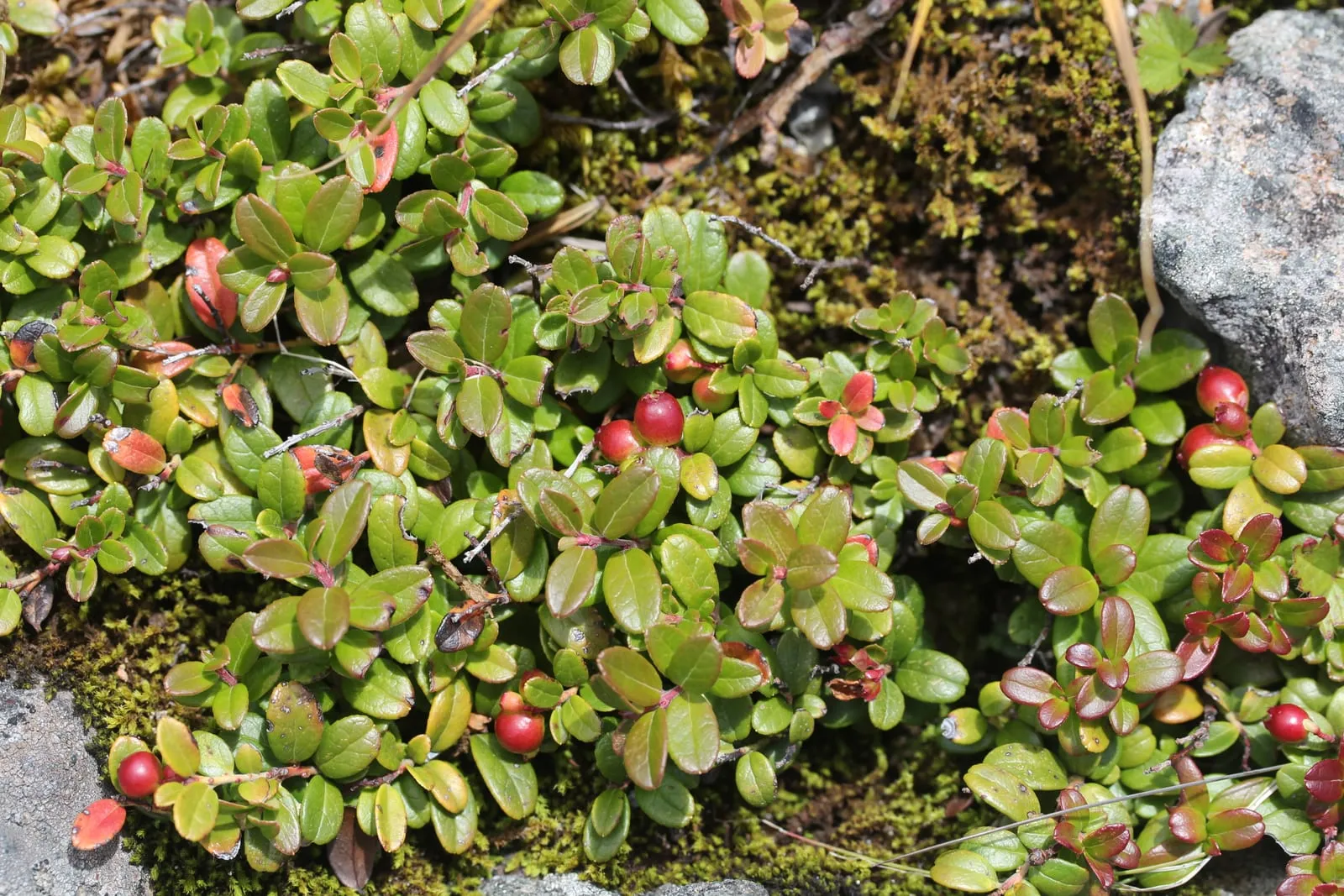
berry in zone 5b
Growing lingonberry in zone 5b
Vaccinium vitis-idaea
- Zone
- 5b -15°F to -10°F
- Growing season
- 165 days
- Suitable varieties
- 3
- Days to harvest
- 100 to 120
The verdict
Lingonberry is native to boreal and subarctic regions of Scandinavia and northern North America, where winters are reliably cold and the growing season is short. Zone 5b, with minimum temperatures of -15 to -10°F, falls squarely within that native cold tolerance window. This is a sweet spot for the crop, not a marginal zone.
Unlike stone fruits, lingonberry does not have a precise chill-hour requirement tracked in the extension literature, but it does depend on consistent winter dormancy, and zone 5b delivers that reliably. The 165-day growing season is sufficient for plants to complete two flowering and fruiting flushes under normal conditions. The greater risk is not winter cold but late spring frosts intercepting early blooms in May, and the possibility that second-crop fruit may not fully ripen before fall frost in cooler microclimates within the zone. Growers in the warmer pockets of 5b will see more consistent double-cropping than those in low-lying frost-prone sites.
Recommended varieties for zone 5b
3 cultivars suited to this zone, with disease-resistance and zone-fit annotations.
| Variety | Notes | Zone fit | Disease resistance |
|---|---|---|---|
| Koralle fits zone 5b | Tart, slightly bitter, small bright red berries with classic Scandinavian flavor; sauce, jelly, syrup. The standard commercial European variety. Productive evergreen groundcover. | | none noted |
| Red Pearl fits zone 5b | Tart, bright, larger berries than Koralle; sauce, preserves. Productive Dutch selection, two crops per year (summer and fall) in milder climates. | | none noted |
| Sussi fits zone 5b | Tart, intense, dark red small berries; classic for sauce and jam. Productive Swedish variety, vigorous spreading habit. | | none noted |
Critical timing for zone 5b
In zone 5b, lingonberry typically opens its first flush of flowers in May, after the average last frost date clears (late April to mid-May, depending on specific site and elevation). This timing puts early blooms at occasional risk from late freezes, which can reduce first-crop yields in years with a cold spring. First-crop berries generally ripen in July.
A second flower flush follows in late June or early July, with second-crop fruit ripening in September. The 165-day growing season supports both flushes in most years, though in cooler or higher-elevation sites within zone 5b, the second crop may not achieve full color before first fall frost arrives. Tracking local frost dates for the specific site, rather than relying on zone averages alone, gives the clearest picture of whether double-cropping is reliably achievable.
Common challenges in zone 5b
- ▸ Plum curculio
- ▸ Codling moth
- ▸ Cedar-apple rust
Disease pressure to watch for
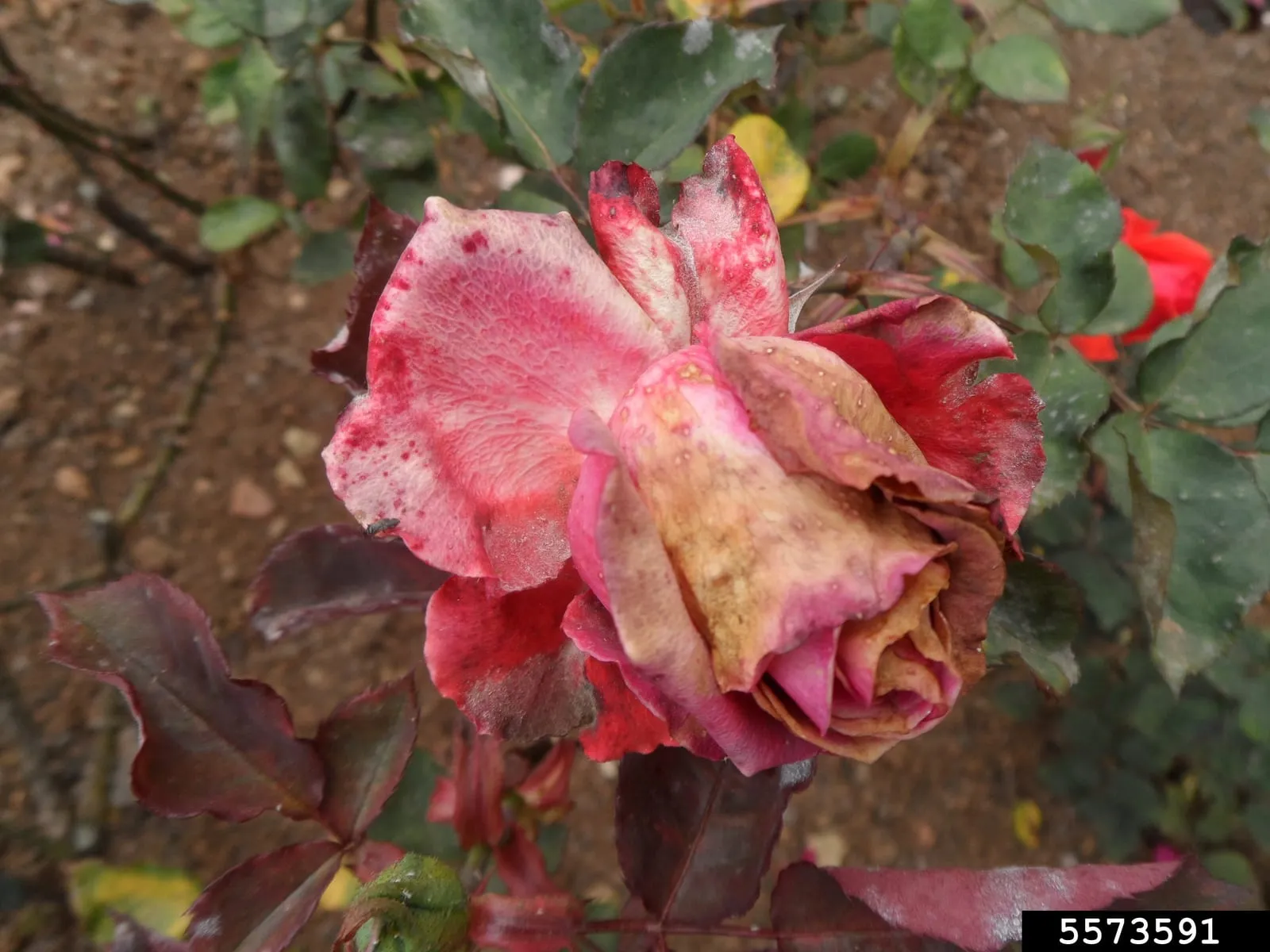
Botrytis cinerea
Ubiquitous fungal disease that causes fruit rot during cool wet weather, often the dominant berry disease in humid regions.
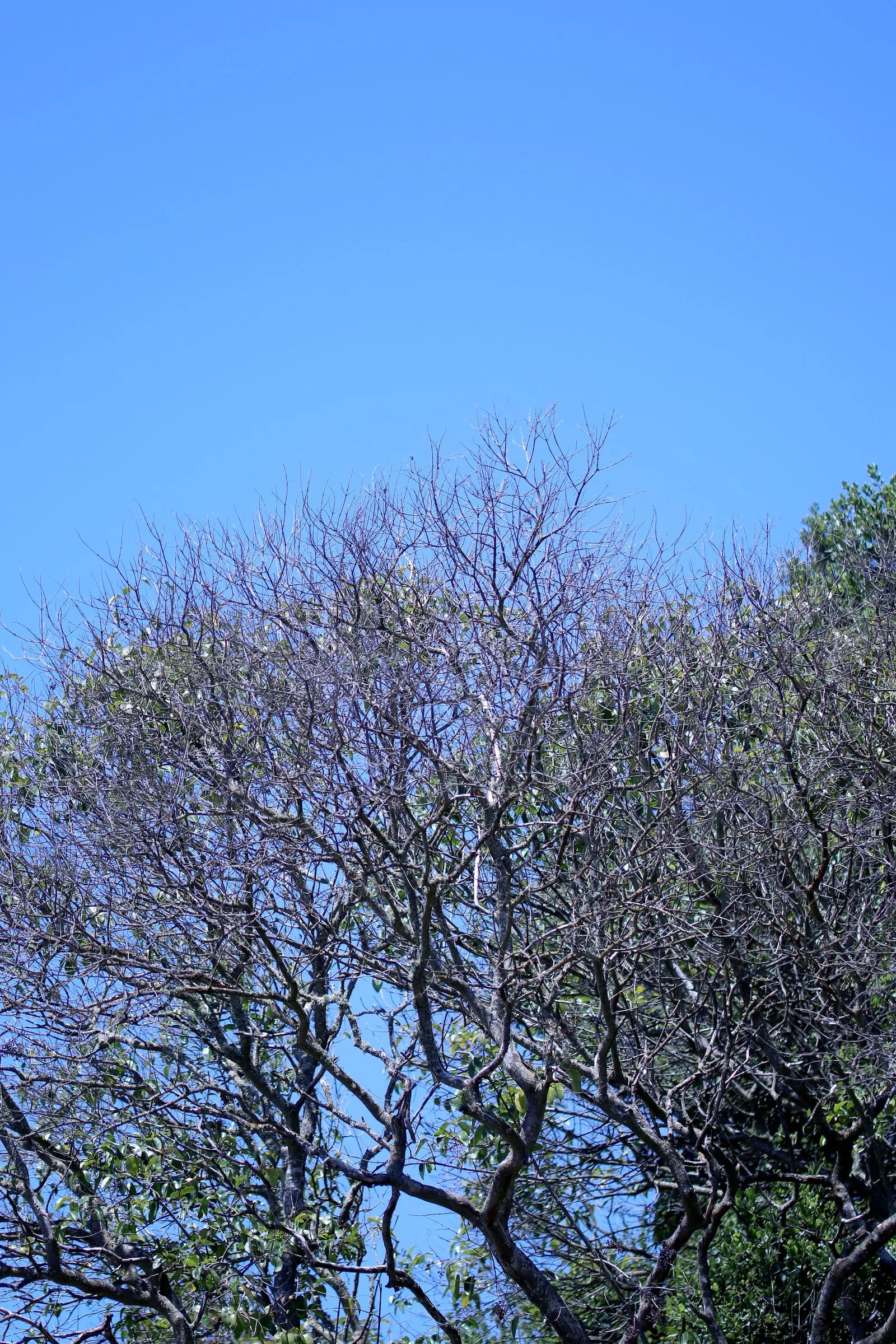
Phytophthora species
Soil-borne water mold that destroys roots in waterlogged soils, the leading cause of blueberry decline in poorly drained sites.
Modified care for zone 5b
Lingonberry is well-suited to zone 5b conditions with a few standard adjustments. Mulching with 2 to 3 inches of pine needles or wood chips conserves soil moisture and moderates temperature swings near the shallow root zone during late-winter freeze-thaw cycles.
Gray Mold (Botrytis) is the primary disease concern in cool, humid zone 5b springs. Spacing plants for airflow and using drip irrigation rather than overhead watering reduces infection pressure without chemical intervention. Phytophthora root rot is a persistent risk wherever soils drain poorly or snowmelt saturates beds for extended periods; raised beds or ridged planting sites address this structurally.
Cedar-apple rust, listed among zone 5b challenges, primarily affects apples and junipers and poses no direct threat to lingonberry. Growers can deprioritize it for this crop. Plum curculio and codling moth are similarly not significant pests on lingonberry, so zone 5b pest management for this crop is simpler than for co-planted tree fruits.
Frequently asked questions
- Is lingonberry reliably winter-hardy in zone 5b?
Yes. Lingonberry tolerates temperatures well below -15°F in its native range, so zone 5b winters are well within its cold-hardiness limits. Established plants rarely suffer winter injury. The varieties Koralle, Red Pearl, and Sussi have all performed well in comparable cold climates.
- Can zone 5b growers expect two crops per season from lingonberry?
Usually, but not guaranteed. The 165-day growing season supports two fruiting flushes in most years, with the second crop ripening in September. In frost-prone or higher-elevation sites within zone 5b, the second crop may not fully ripen before fall frost. First-crop harvest in July is more consistent.
- What soil conditions does lingonberry need in zone 5b?
Lingonberry requires acidic, well-drained soil with a pH of 4.5 to 5.5, similar to blueberry. In zone 5b, the main soil risk is waterlogging from snowmelt; raised beds or ridged planting sites help prevent Phytophthora root rot in poorly draining locations. Amend with peat or sulfur to reach target pH before planting.
+−
+−
+−
Lingonberry in adjacent zones
Image: "Vaccinium vitis-idaea (Mount Ontake)", by Alpsdake, via Wikimedia Commons, licensed under CC-BY Source.
.JPG)
Related