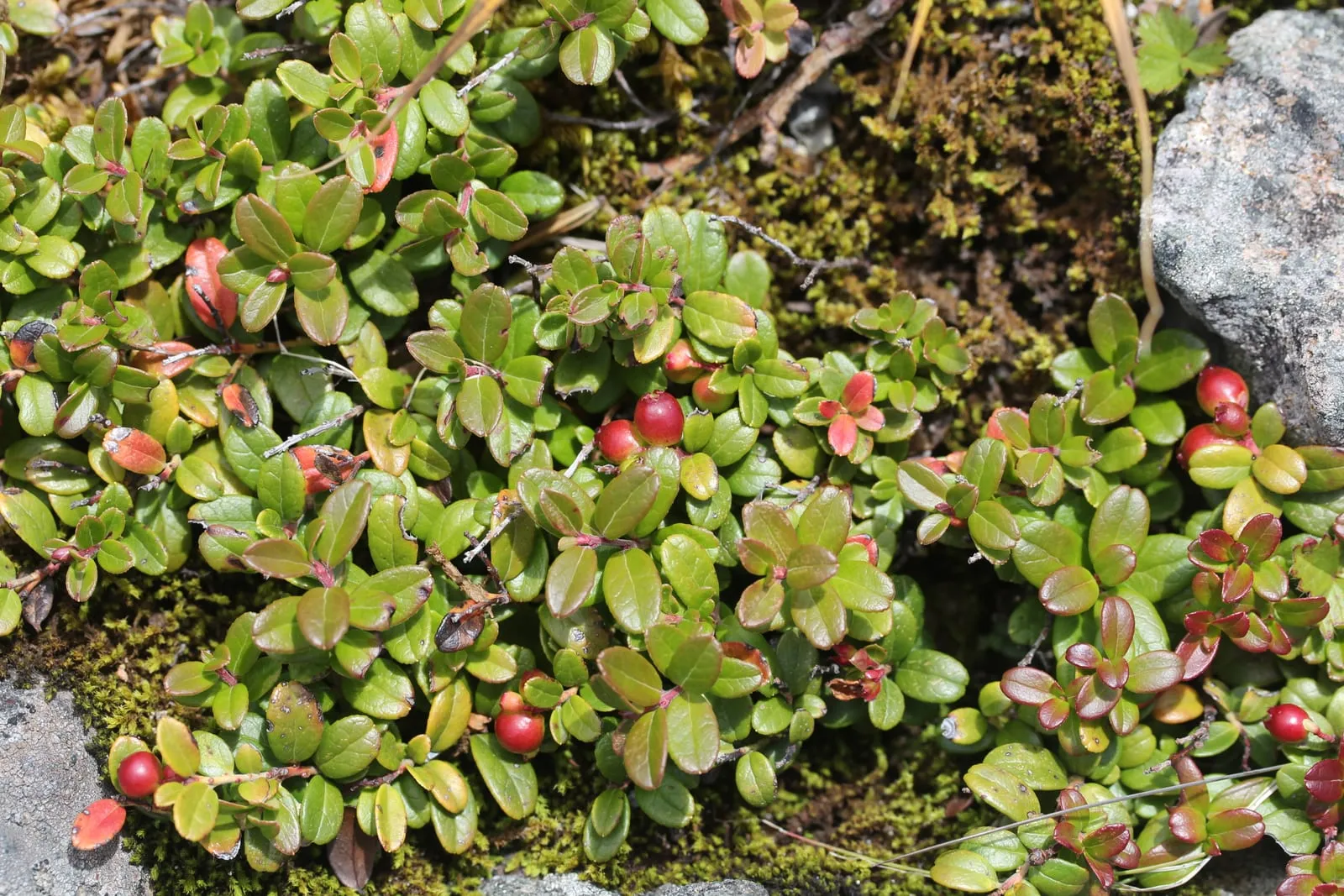
berry in zone 6a
Growing lingonberry in zone 6a
Vaccinium vitis-idaea
- Zone
- 6a -10°F to -5°F
- Growing season
- 180 days
- Suitable varieties
- 3
- Days to harvest
- 100 to 120
The verdict
Zone 6a sits at the warm edge of lingonberry's viable range rather than its sweet spot. Lingonberries are native to boreal forests and perform best in zones 3 through 5, where cool summers and reliable cold winters mirror their natural habitat. The zone 6a winter minimum of -10 to -5°F provides adequate dormancy, and cold hardiness is rarely the limiting factor here. The more relevant constraint is summer heat: lingonberry roots and foliage tolerate cold well but struggle when soil temperatures climb and humidity lingers. With a 180-day growing season, zone 6a growers have plenty of time for fruit development, but they need to compensate for the warmer summers with deliberate siting and mulching. Grown under the right conditions, the varieties Koralle, Red Pearl, and Sussi are all documented performers in zone 6 settings. This is a workable zone, not an ideal one.
Recommended varieties for zone 6a
3 cultivars suited to this zone, with disease-resistance and zone-fit annotations.
| Variety | Notes | Zone fit | Disease resistance |
|---|---|---|---|
| Koralle fits zone 6a | Tart, slightly bitter, small bright red berries with classic Scandinavian flavor; sauce, jelly, syrup. The standard commercial European variety. Productive evergreen groundcover. | | none noted |
| Red Pearl fits zone 6a | Tart, bright, larger berries than Koralle; sauce, preserves. Productive Dutch selection, two crops per year (summer and fall) in milder climates. | | none noted |
| Sussi fits zone 6a | Tart, intense, dark red small berries; classic for sauce and jam. Productive Swedish variety, vigorous spreading habit. | | none noted |
Critical timing for zone 6a
Lingonberry bloom in zone 6a typically begins in late April to mid-May, after the last reliable frost window has passed. This matters because open flowers are frost-sensitive even though the plants themselves are cold-hardy. A late frost after bloom sets have opened can reduce fruit set noticeably. Many lingonberry varieties, including Koralle and Red Pearl, produce two crop flushes: an early crop ripening in July and a heavier fall crop ripening from late August through September. The second flush tends to be larger and is often considered the primary harvest. Growers in zone 6a should monitor the first bloom window carefully and be prepared to cover plants if a late frost threatens after buds have opened.
Common challenges in zone 6a
- ▸ Brown rot in stone fruit
- ▸ Japanese beetles
- ▸ Spring frost damage to peach buds
Disease pressure to watch for
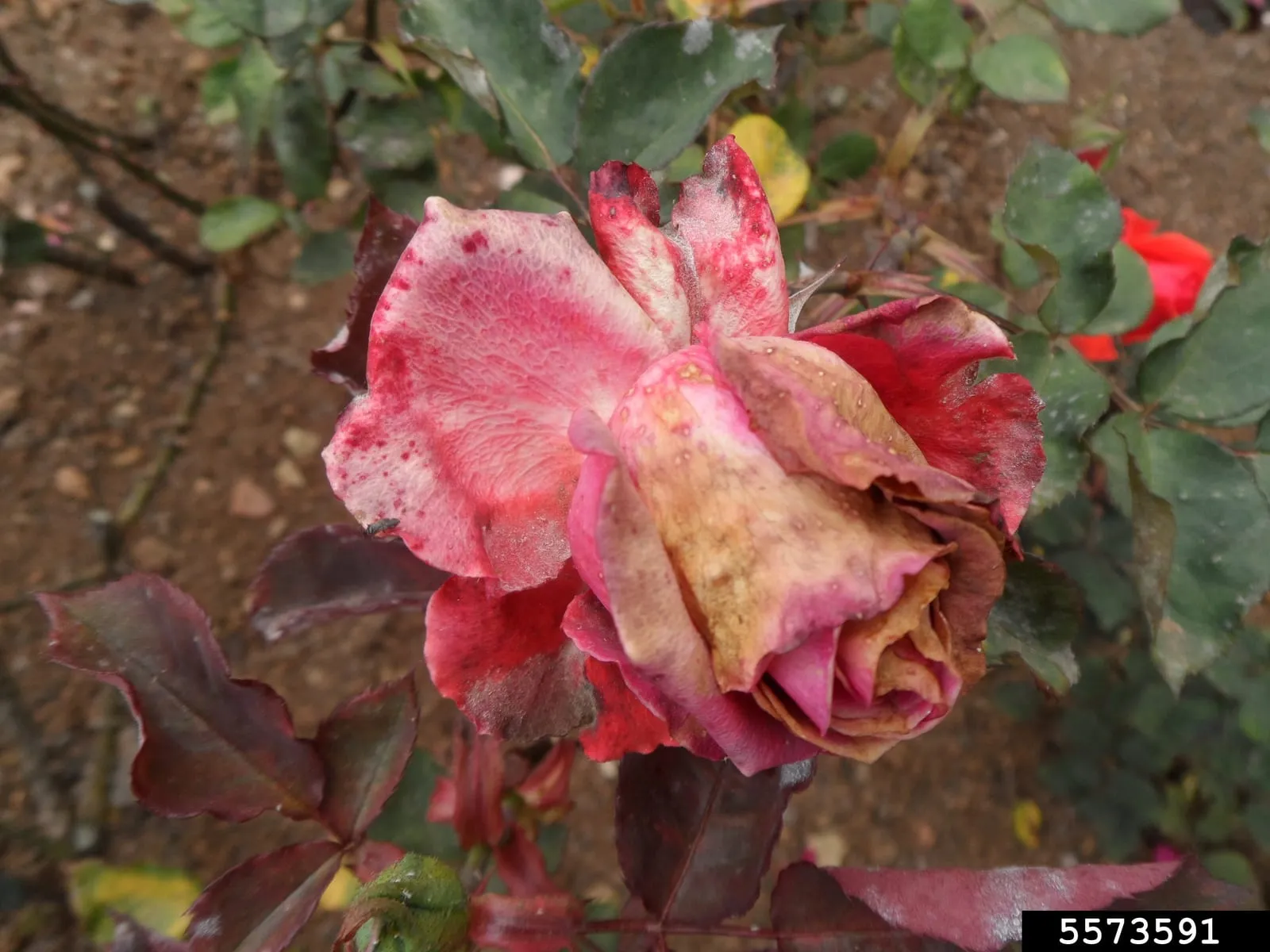
Botrytis cinerea
Ubiquitous fungal disease that causes fruit rot during cool wet weather, often the dominant berry disease in humid regions.
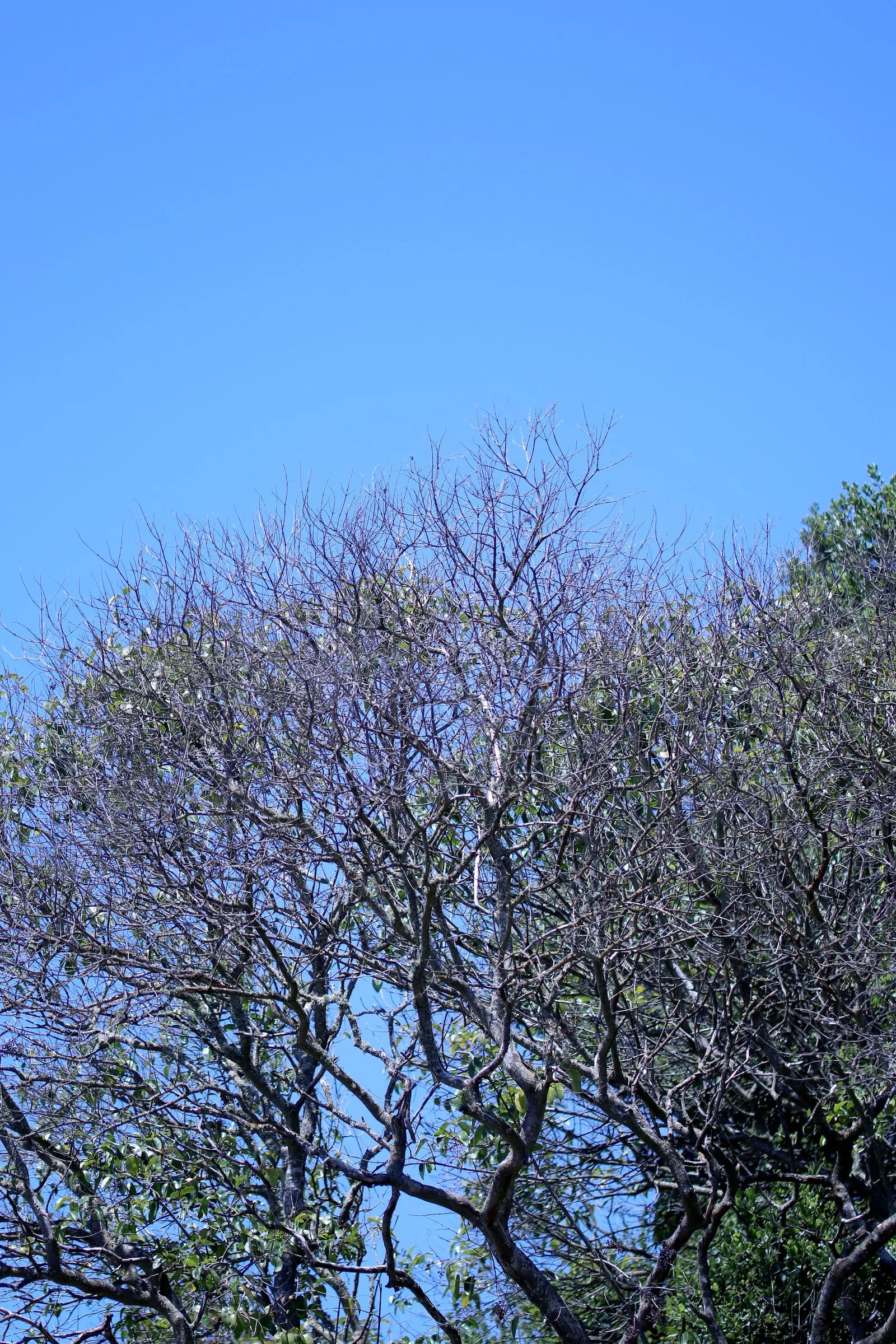
Phytophthora species
Soil-borne water mold that destroys roots in waterlogged soils, the leading cause of blueberry decline in poorly drained sites.
Modified care for zone 6a
The most important adjustment in zone 6a is managing summer soil temperature. Lingonberry roots are shallow and heat-sensitive; a 3 to 4 inch layer of pine needle or acidic bark mulch over the root zone helps buffer against soil warming and retains the moisture these plants need. Afternoon shade, or siting near a north-facing slope or structure, can extend productive life compared to full-sun exposure. Gray mold (Botrytis) is a real concern in humid summers, particularly as berries ripen in the second flush; thinning dense growth to improve air circulation reduces incidence. Phytophthora root rot is a risk if drainage is marginal, so raised beds or amended soil with good drainage are worth the investment. Japanese beetles active in this zone will feed on foliage and require monitoring from June through August.
Frequently asked questions
- Can lingonberry survive zone 6a winters without protection?
Yes. Lingonberry is cold-hardy well below zone 6a minimums, tolerating temperatures to -40°F in dormancy. Winter cold is not the limiting factor in zone 6a; summer heat and humidity are the more relevant challenges.
- Which lingonberry varieties are best suited to zone 6a?
Koralle, Red Pearl, and Sussi are all documented performers in zone 6 conditions. Koralle is widely available and reliably produces two crop flushes. Red Pearl tends to have strong flavor and good fruit size. Check with regional nurseries for current availability.
- How acidic does the soil need to be for lingonberry?
Lingonberry requires a soil pH between 4.5 and 5.0. Most zone 6a soils are not naturally this acidic and will need amendment with sulfur or acidic organic matter. Test soil pH before planting and retest annually, as pH drift is common.
- Does lingonberry need a pollinator variety?
Most named varieties are at least partially self-fertile, but fruit set and berry size improve significantly with cross-pollination. Planting two or more different varieties within a few feet of each other is the standard recommendation.
+−
+−
+−
+−
Lingonberry in adjacent zones
Image: "Vaccinium vitis-idaea (Mount Ontake)", by Alpsdake, via Wikimedia Commons, licensed under CC-BY Source.
.JPG)
Related