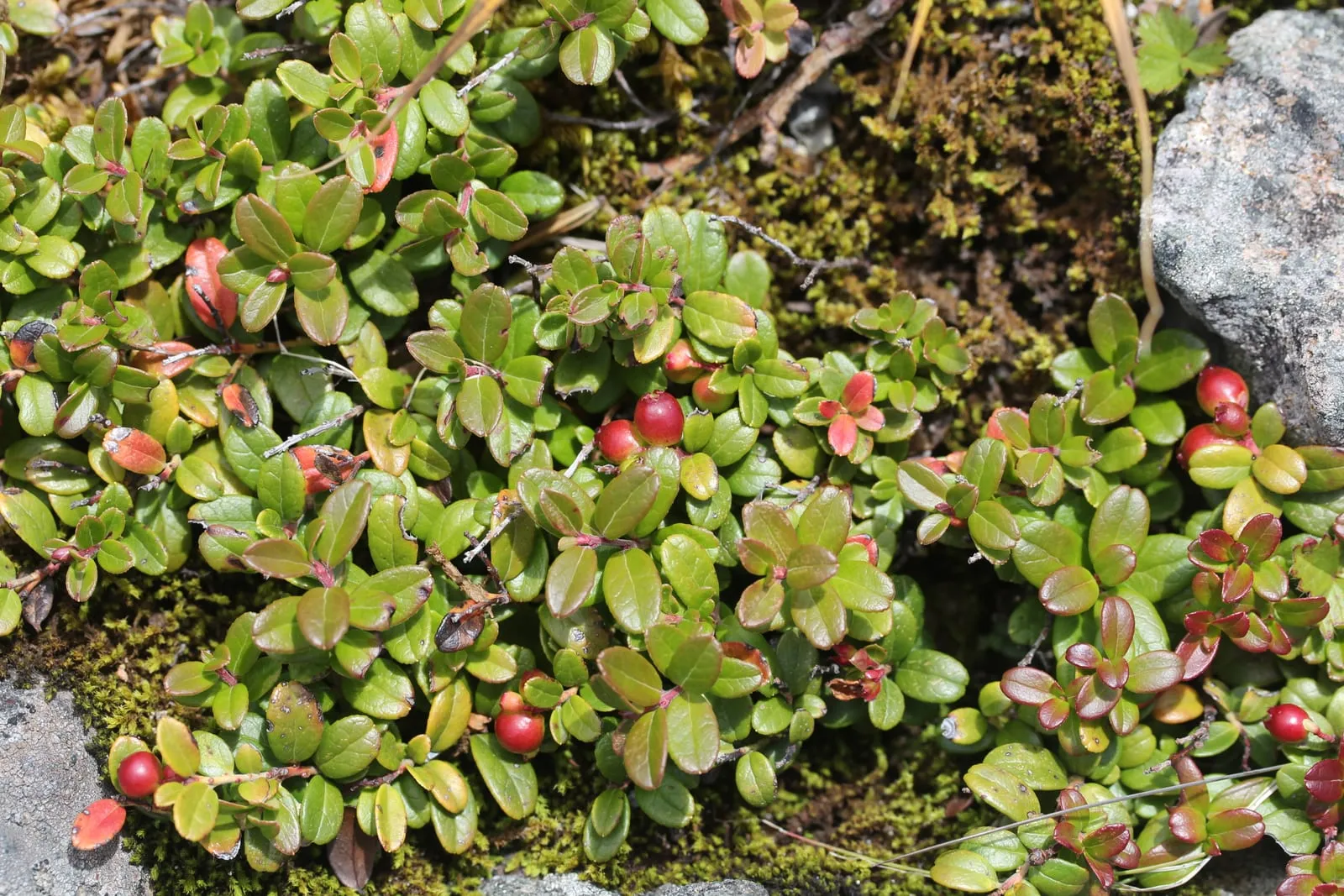
berry in zone 6b
Growing lingonberry in zone 6b
Vaccinium vitis-idaea
- Zone
- 6b -5°F to 0°F
- Growing season
- 190 days
- Suitable varieties
- 2
- Days to harvest
- 100 to 120
The verdict
Zone 6b sits at the warm edge of lingonberry's natural range. In the wild, this species is native to boreal forests and subarctic regions where winters are long and cold; it thrives without complaint in zones 2 through 5. At 6b, with minimum winter temperatures between -5°F and 0°F, the cold itself is not the limiting factor. The concern is summer heat load. Lingonberries prefer cool summers, and the 190-day growing season typical of zone 6b brings sustained warmth that stresses roots and can reduce fruit set.
Chill-hour accumulation is generally sufficient in zone 6b, with most locations logging 800 to 1,000+ hours below 45°F, which satisfies lingonberry's requirements. Koralle and Red Pearl, both bred in northern Europe, handle the cold adequately. This is a workable zone for the crop, but not a sweet spot. Growers who site plants in a north-facing bed, apply heavy mulch, and irrigate consistently during summer heat will see better results than those who treat lingonberry like a low-maintenance ground cover.
Recommended varieties for zone 6b
2 cultivars suited to this zone, with disease-resistance and zone-fit annotations.
| Variety | Notes | Zone fit | Disease resistance |
|---|---|---|---|
| Koralle fits zone 6b | Tart, slightly bitter, small bright red berries with classic Scandinavian flavor; sauce, jelly, syrup. The standard commercial European variety. Productive evergreen groundcover. | | none noted |
| Red Pearl fits zone 6b | Tart, bright, larger berries than Koralle; sauce, preserves. Productive Dutch selection, two crops per year (summer and fall) in milder climates. | | none noted |
Critical timing for zone 6b
In zone 6b, lingonberry typically enters its first bloom period in late April through May, after the last expected frost date (generally around mid-April, though this varies by location within the zone). The first fruit ripens in late June to mid-July. A second bloom flush follows in midsummer, producing a second harvest in September through October before the first hard frosts arrive.
The 190-day growing season accommodates both crops with room to spare. The primary frost risk falls on the first bloom: a late frost in late April can damage open flowers and reduce early-summer yield. Late-season fruit faces little frost risk given normal fall timing, though an early October freeze can cut the second harvest short in northern parts of the zone.
Common challenges in zone 6b
- ▸ Cedar-apple rust
- ▸ Fire blight
- ▸ Stink bugs
Disease pressure to watch for
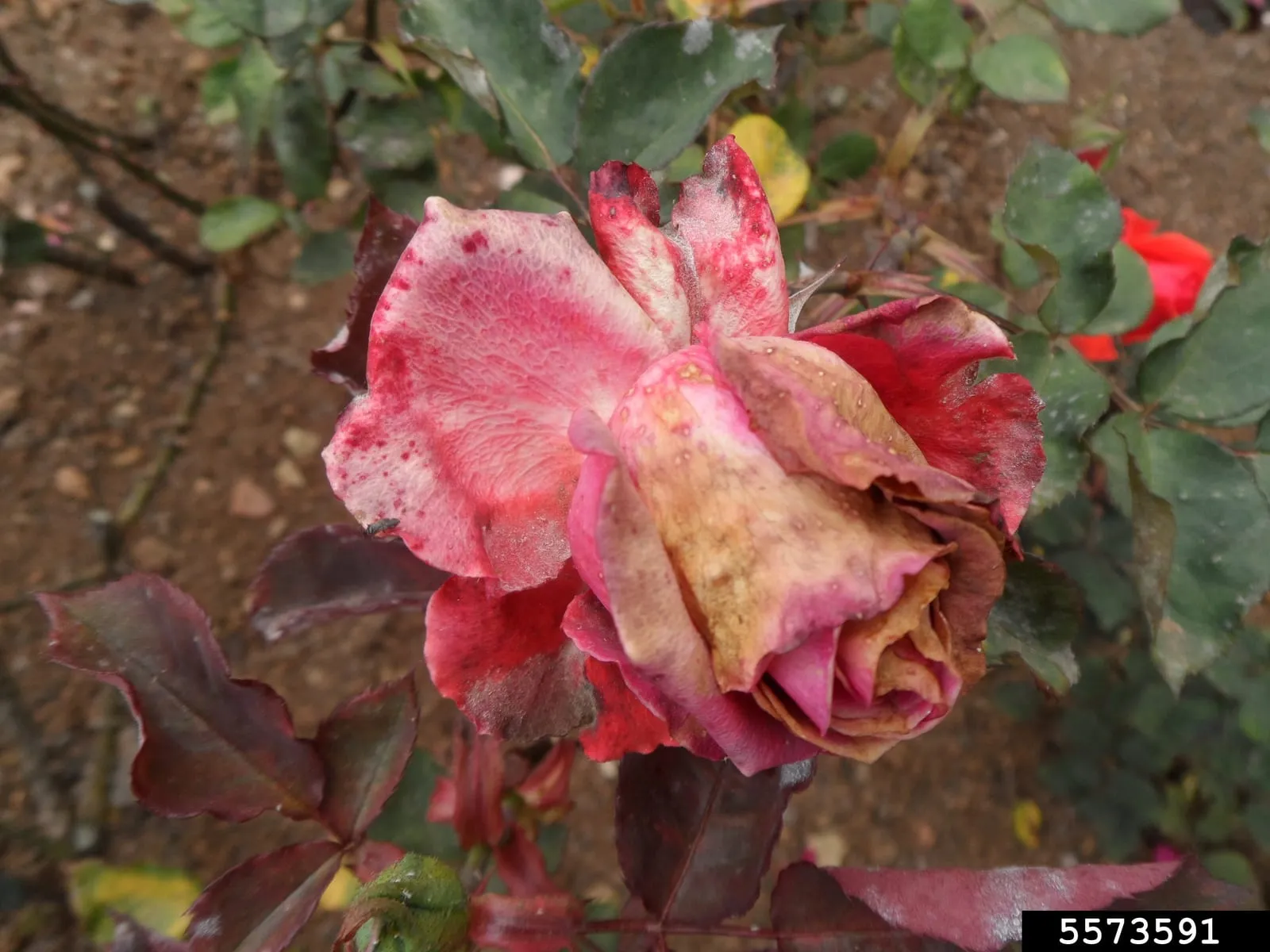
Botrytis cinerea
Ubiquitous fungal disease that causes fruit rot during cool wet weather, often the dominant berry disease in humid regions.
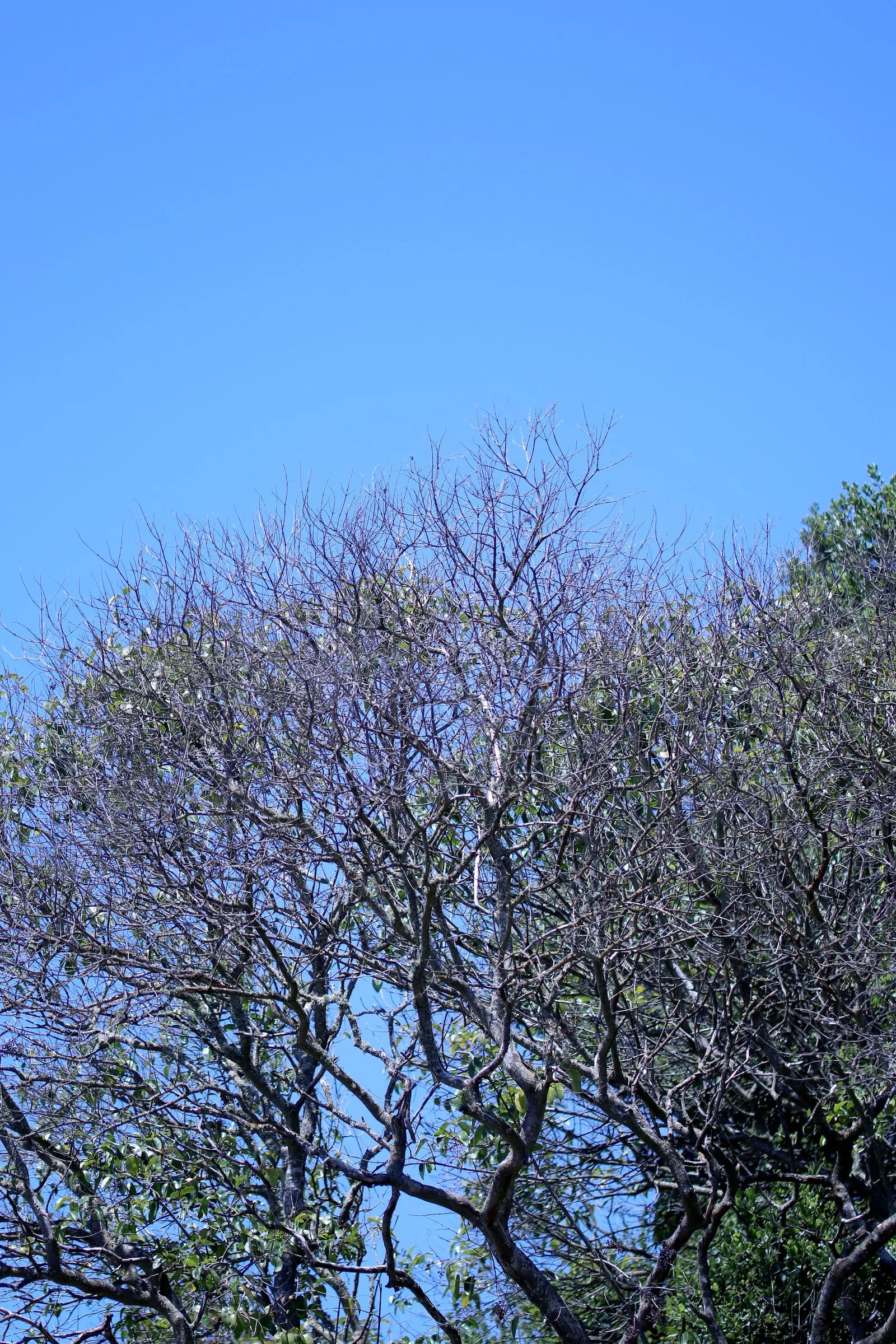
Phytophthora species
Soil-borne water mold that destroys roots in waterlogged soils, the leading cause of blueberry decline in poorly drained sites.
Modified care for zone 6b
The main adjustments in zone 6b center on heat mitigation and moisture management. A 3- to 4-inch layer of acidic mulch, pine bark or pine needles, keeps root-zone temperatures down during summer and reduces moisture loss. Drip irrigation or soaker hoses help maintain consistent soil moisture without wetting foliage, which matters because Gray Mold (Botrytis) pressure increases significantly during warm, humid periods common in zone 6b summers.
Phytophthora root rot is a serious risk on any site with poor drainage. Raised beds or berms are worth the extra effort here; lingonberries in waterlogged soil decline quickly. Soil pH should be maintained between 4.5 and 5.5, similar to blueberries. Standard zone 6b stink bug pressure can affect fruit quality at harvest; row cover applied during fruit ripening reduces damage without requiring chemical intervention.
Lingonberry in adjacent zones
Image: "Vaccinium vitis-idaea (Mount Ontake)", by Alpsdake, via Wikimedia Commons, licensed under CC-BY Source.
.JPG)
Related