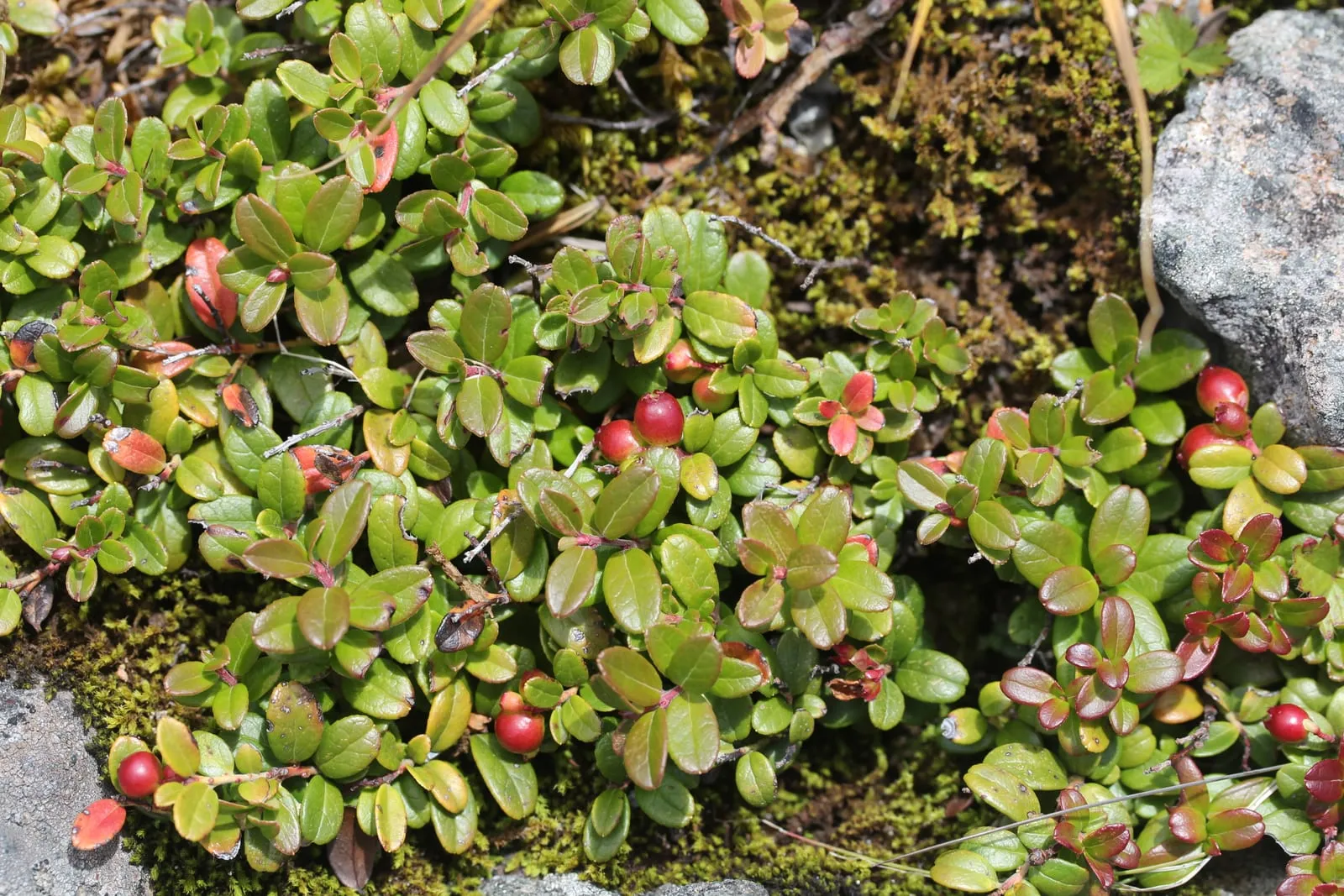
berry in zone 7a
Growing lingonberry in zone 7a
Vaccinium vitis-idaea
- Zone
- 7a 0°F to 5°F
- Growing season
- 210 days
- Suitable varieties
- 1
- Days to harvest
- 100 to 120
The verdict
Zone 7a sits at the warm edge of lingonberry's practical range. Lingonberries are native to subarctic and boreal regions and perform most reliably in zones 3 through 6. The 0-to-5°F winter minimum in 7a is warm enough for plant survival, but summer heat is the binding constraint: zone 7a regularly sustains multi-week stretches above 90°F, stressing shallow-rooted plants whose roots are poorly adapted to soil temperature spikes.
Chill hour accumulation in zone 7a typically falls in the 800-to-1,000-hour range depending on elevation and microclimate, which is adequate for 'Red Pearl', a variety selected partly for heat tolerance relative to older cultivars. Success in 7a is achievable but microclimate-dependent. North-facing slopes, afternoon shade from trees or structures, and careful soil moisture management shift the odds meaningfully. Growers in the warmer parts of 7a (low elevations, urban heat islands) should expect reduced yields relative to plantings in zones 4 through 6. This is a marginal zone for the crop, not a sweet spot.
Recommended varieties for zone 7a
1 cultivar suited to this zone, with disease-resistance and zone-fit annotations.
| Variety | Notes | Zone fit | Disease resistance |
|---|---|---|---|
| Red Pearl fits zone 7a | Tart, bright, larger berries than Koralle; sauce, preserves. Productive Dutch selection, two crops per year (summer and fall) in milder climates. | | none noted |
Critical timing for zone 7a
In zone 7a, lingonberry bloom typically opens in April to early May, depending on winter temperature patterns and spring warm-up pace. Zone 7a's average last frost falls between late March and mid-April, which means bloom can coincide with residual frost risk. Lingonberry flowers are small and show some frost tolerance, but hard freezes below 28°F at full bloom will reduce fruit set.
The primary crop in zone 7a is generally harvest-ready in late July through August. 'Red Pearl' produces a secondary fall flush; in zone 7a that second crop typically matures in September, ahead of first fall frost, which arrives on average in late October to November depending on location within the zone. A compressed summer growing season relative to cooler climates means the window between bloom and primary harvest is tight under heat stress.
Common challenges in zone 7a
- ▸ Cedar-apple rust
- ▸ Brown rot
- ▸ Fire blight
- ▸ High humidity disease pressure
Disease pressure to watch for
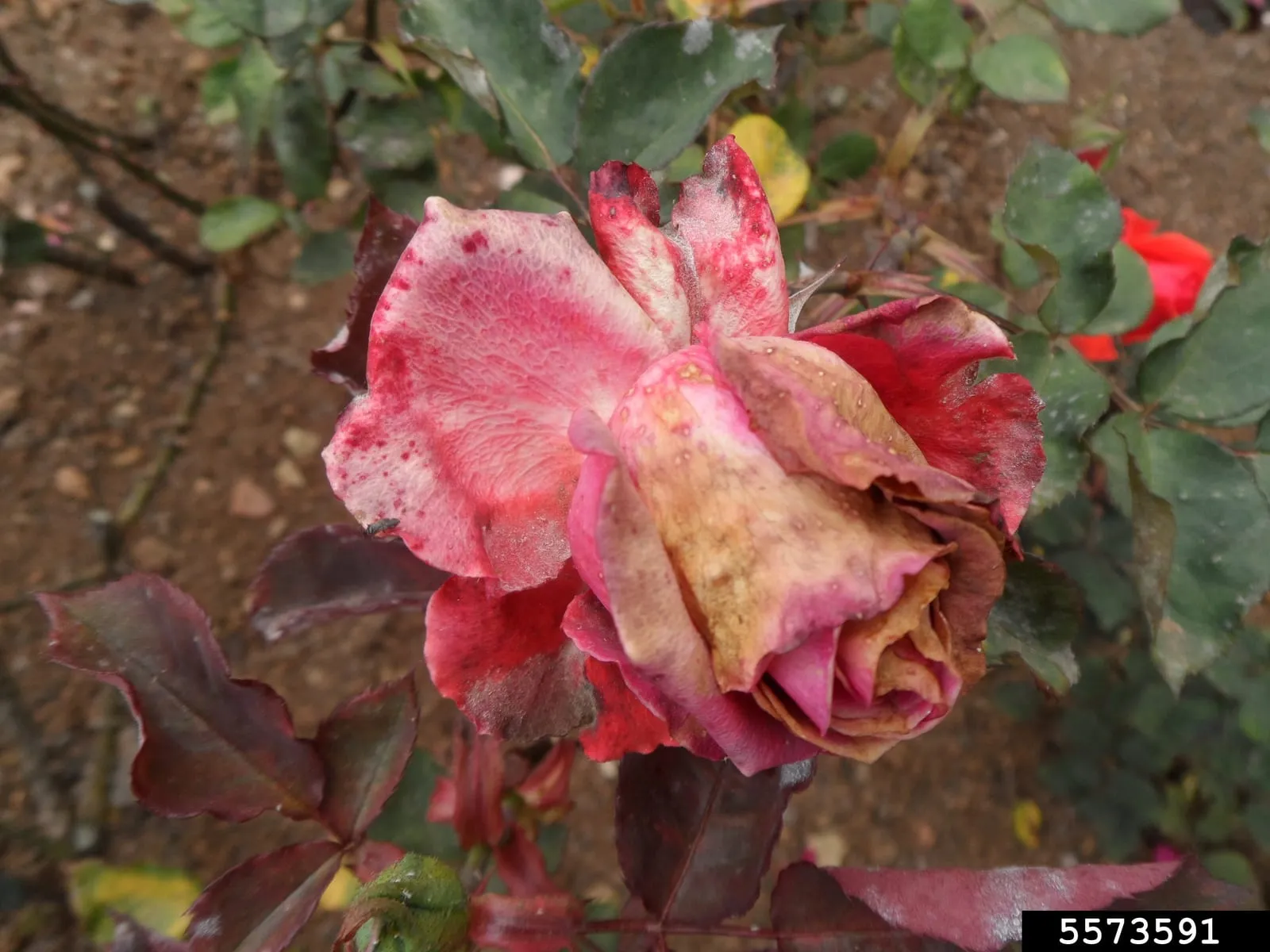
Botrytis cinerea
Ubiquitous fungal disease that causes fruit rot during cool wet weather, often the dominant berry disease in humid regions.
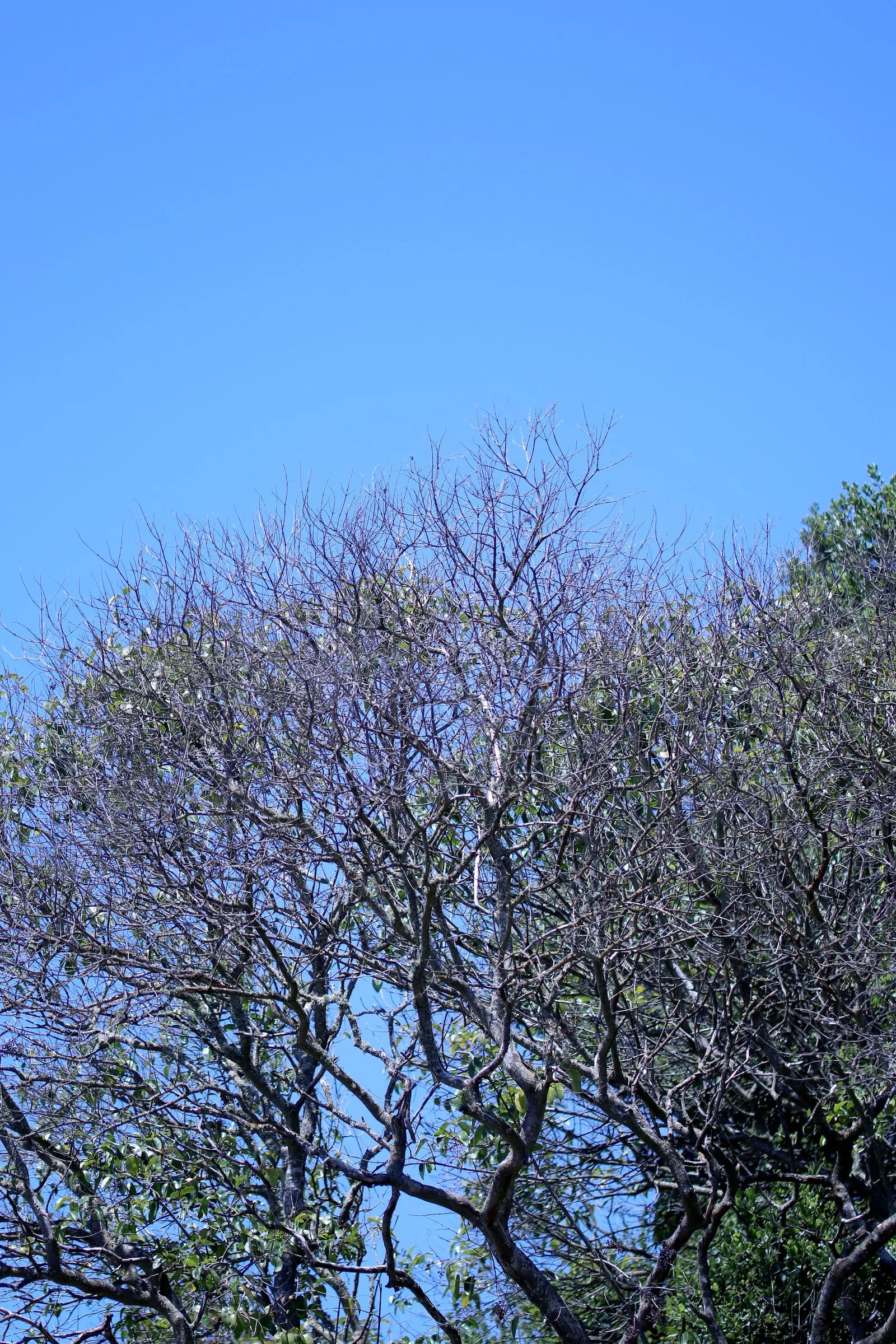
Phytophthora species
Soil-borne water mold that destroys roots in waterlogged soils, the leading cause of blueberry decline in poorly drained sites.
Modified care for zone 7a
Zone 7a growers should treat soil and root temperature management as non-negotiable. A 2-to-3-inch layer of pine bark or pine needle mulch moderates soil temperature and retains moisture through summer heat periods. Afternoon shade from a deciduous tree or structure reduces heat load without cutting enough light to hurt fruit set significantly.
Irrigation consistency matters more in 7a than in cooler zones; uneven moisture promotes Phytophthora root rot in heavier soils and reduces berry development. Avoid overhead irrigation during bloom and fruit set to limit Gray Mold (Botrytis) infections, which are more common under zone 7a's high humidity. Spacing plants 12 to 18 inches apart supports airflow and partially offsets disease pressure. Soil pH should be maintained at 4.5 to 5.0; in clay-dominant soils common to parts of 7a, acidifying amendments may require more frequent reapplication than in the sandier soils typical of northern and Pacific Northwest plantings.
Lingonberry in adjacent zones
Image: "Vaccinium vitis-idaea (Mount Ontake)", by Alpsdake, via Wikimedia Commons, licensed under CC-BY Source.
.JPG)
Related