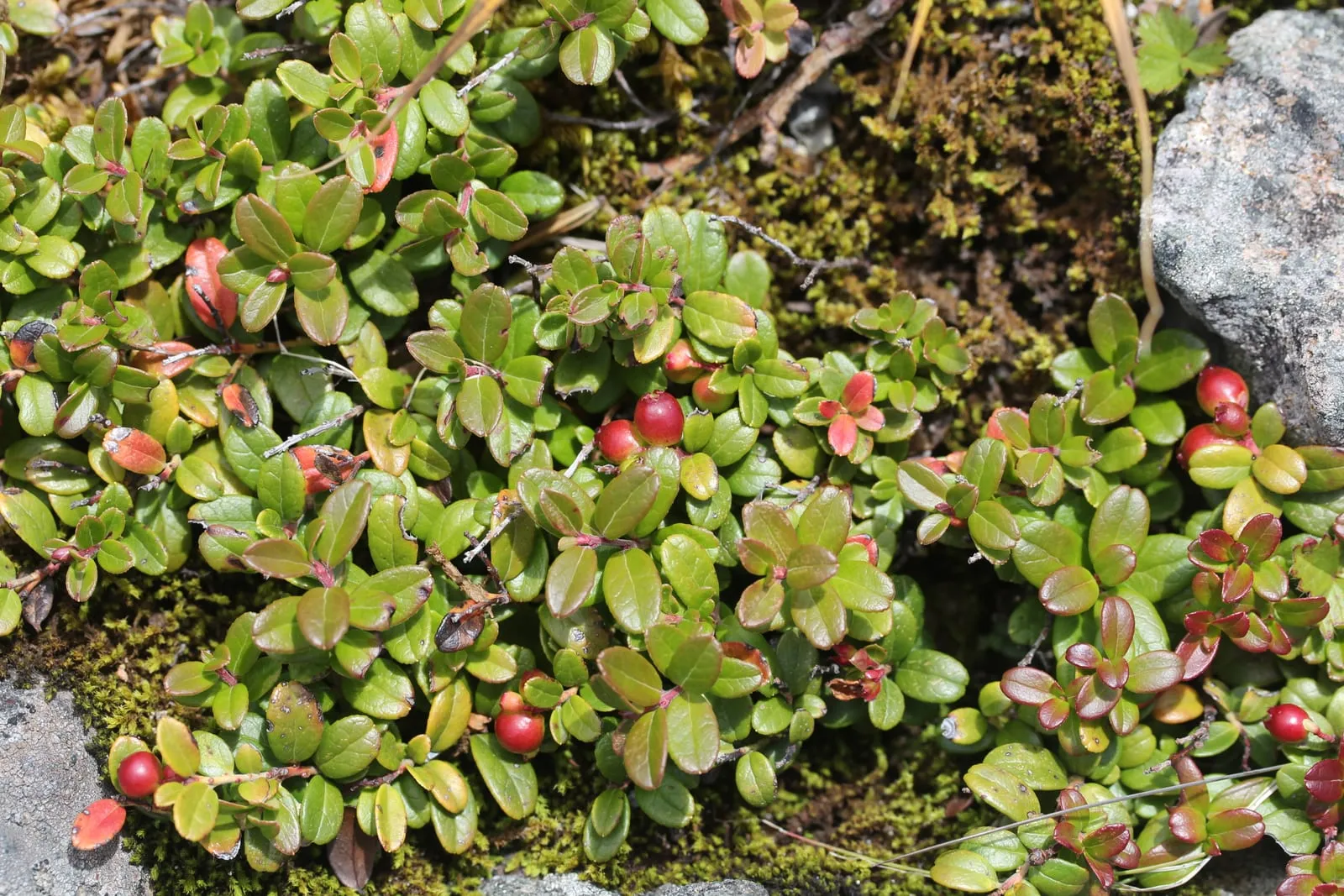
berry in zone 5a
Growing lingonberry in zone 5a
Vaccinium vitis-idaea
- Zone
- 5a -20°F to -15°F
- Growing season
- 150 days
- Suitable varieties
- 3
- Days to harvest
- 100 to 120
The verdict
Zone 5a is well within lingonberry's comfort range, not a marginal case. These plants are native to boreal and subarctic regions where winters regularly push below -20°F, so the zone's temperature floor of -20 to -15°F poses no meaningful winter hardiness risk. Unlike many fruit crops, lingonberry does not depend on a precise chill-hour accumulation window; it simply needs a cold winter to break dormancy reliably, and zone 5a delivers that consistently.
Koralle, Red Pearl, and Sussi are all European cultivars bred in climates colder and shorter than zone 5a. The 150-day growing season is sufficient for both the primary summer crop and, in favorable years, a lighter fall flush from repeat-bearing varieties like Red Pearl. The bigger limiting factor in this zone is not winter cold but late spring frost intersecting with bloom, and soil chemistry: lingonberry requires strongly acidic soil (pH 4.5 to 5.0) that many zone 5a gardens do not naturally provide.
Recommended varieties for zone 5a
3 cultivars suited to this zone, with disease-resistance and zone-fit annotations.
| Variety | Notes | Zone fit | Disease resistance |
|---|---|---|---|
| Koralle fits zone 5a | Tart, slightly bitter, small bright red berries with classic Scandinavian flavor; sauce, jelly, syrup. The standard commercial European variety. Productive evergreen groundcover. | | none noted |
| Red Pearl fits zone 5a | Tart, bright, larger berries than Koralle; sauce, preserves. Productive Dutch selection, two crops per year (summer and fall) in milder climates. | | none noted |
| Sussi fits zone 5a | Tart, intense, dark red small berries; classic for sauce and jam. Productive Swedish variety, vigorous spreading habit. | | none noted |
Critical timing for zone 5a
Lingonberry blooms in late May to early June across most of zone 5a, with exact timing depending on microclimate and spring warmth accumulation. This puts the bloom window in direct conflict with the zone's late spring frost risk, which can persist into mid-May and occasionally beyond. A hard frost during bloom will reduce fruit set noticeably, though lingonberry is more frost-resilient at bloom than many stone fruits.
Harvest runs from mid-August through September for the primary crop. Varieties with a biennial bearing habit, such as Red Pearl, may offer a smaller second flush in late September or October if the growing season stays warm long enough. The first fall frost typically arrives in late September or early October in zone 5a, which can interrupt the second crop in shorter-season years.
Common challenges in zone 5a
- ▸ Fire blight in pears
- ▸ Cedar-apple rust
- ▸ Late spring frosts
Disease pressure to watch for
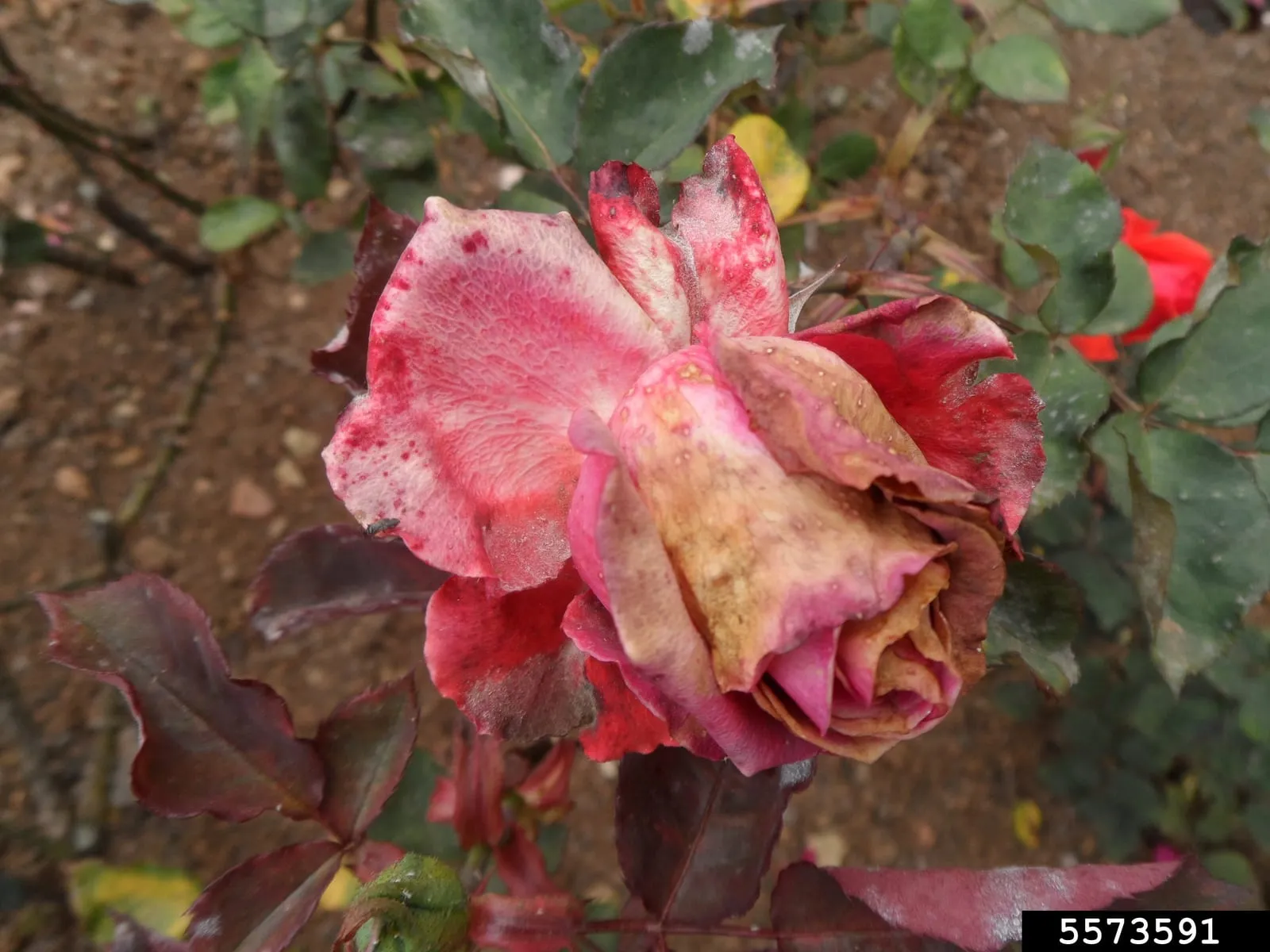
Botrytis cinerea
Ubiquitous fungal disease that causes fruit rot during cool wet weather, often the dominant berry disease in humid regions.
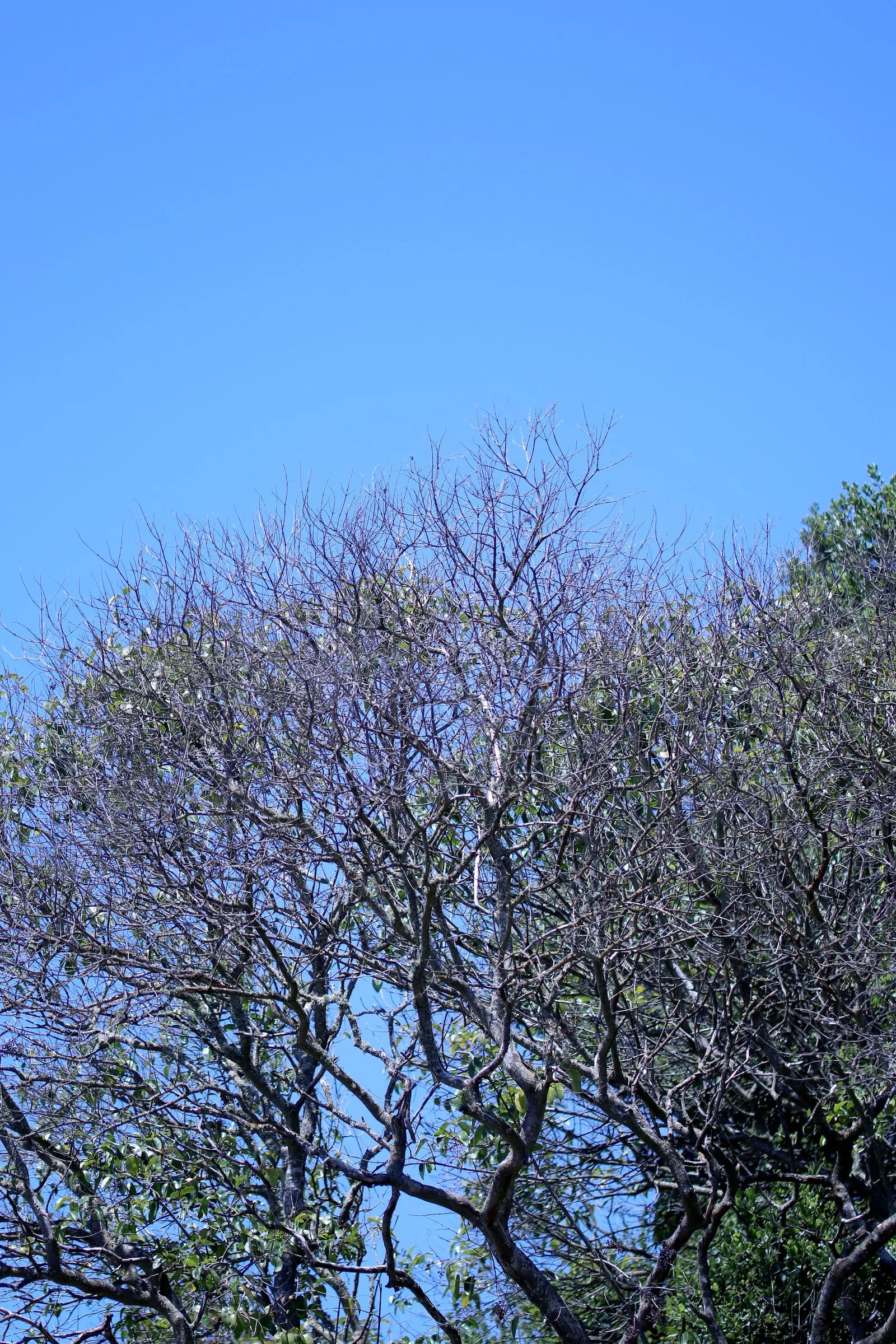
Phytophthora species
Soil-borne water mold that destroys roots in waterlogged soils, the leading cause of blueberry decline in poorly drained sites.
Modified care for zone 5a
Soil preparation is the single most important adaptation in zone 5a. Lingonberry will struggle in neutral or alkaline soils regardless of how well the climate matches. Growers should test and amend beds to pH 4.5 to 5.0 using sulfur before planting, and top-dress annually with acidic mulch such as pine bark or conifer needles.
Gray Mold (Botrytis) pressure increases in cool, wet springs, which are common in zone 5a. Spacing plants for airflow and avoiding overhead irrigation during bloom and fruit set reduces infection risk meaningfully. Phytophthora Root Rot is a concern in any site with poor drainage; raised beds or slightly mounded rows are worth the effort given how long-lived a healthy lingonberry planting can be.
Winter protection is generally unnecessary since these plants are hardy well below zone 5a temperatures. Snow cover, when it persists, actually insulates the shallow root system. Late frost protection at bloom, such as a row cover on nights below 28°F in May, offers more practical return than any winter mulching regimen.
Frequently asked questions
- Is zone 5a too cold for lingonberry?
No. Lingonberry is native to subarctic climates and tolerates winters well below the -20°F floor of zone 5a. Cold hardiness is not a concern here; soil acidity and late spring frost at bloom are the more relevant challenges.
- Which lingonberry varieties perform best in zone 5a?
Koralle, Red Pearl, and Sussi are all cold-hardy European selections suited to zone 5a conditions. Red Pearl is often noted for its potential to produce a second crop in late summer, which can work in zone 5a's 150-day season if fall frosts arrive late.
- How do I protect lingonberry blooms from late spring frosts in zone 5a?
A lightweight row cover or frost cloth applied when temperatures are forecast below 28°F in May provides adequate protection. Lingonberry bloom is somewhat frost-tolerant, but coverage during the coldest nights reduces fruit-set losses without harming pollinator access during warmer days.
- What soil pH does lingonberry need?
Lingonberry requires strongly acidic soil in the pH 4.5 to 5.0 range, similar to blueberry. Most zone 5a soils need sulfur amendment to reach this range. Annual mulching with pine bark or conifer needles helps maintain acidity over time.
- When does lingonberry fruit ripen in zone 5a?
The primary crop ripens from mid-August through September in zone 5a. A second smaller flush is possible in late September on repeat-bearing varieties, though the zone's early October frost dates make this secondary harvest unreliable in shorter-season years.
+−
+−
+−
+−
+−
Lingonberry in adjacent zones
Image: "Vaccinium vitis-idaea (Mount Ontake)", by Alpsdake, via Wikimedia Commons, licensed under CC-BY Source.
.JPG)
Related