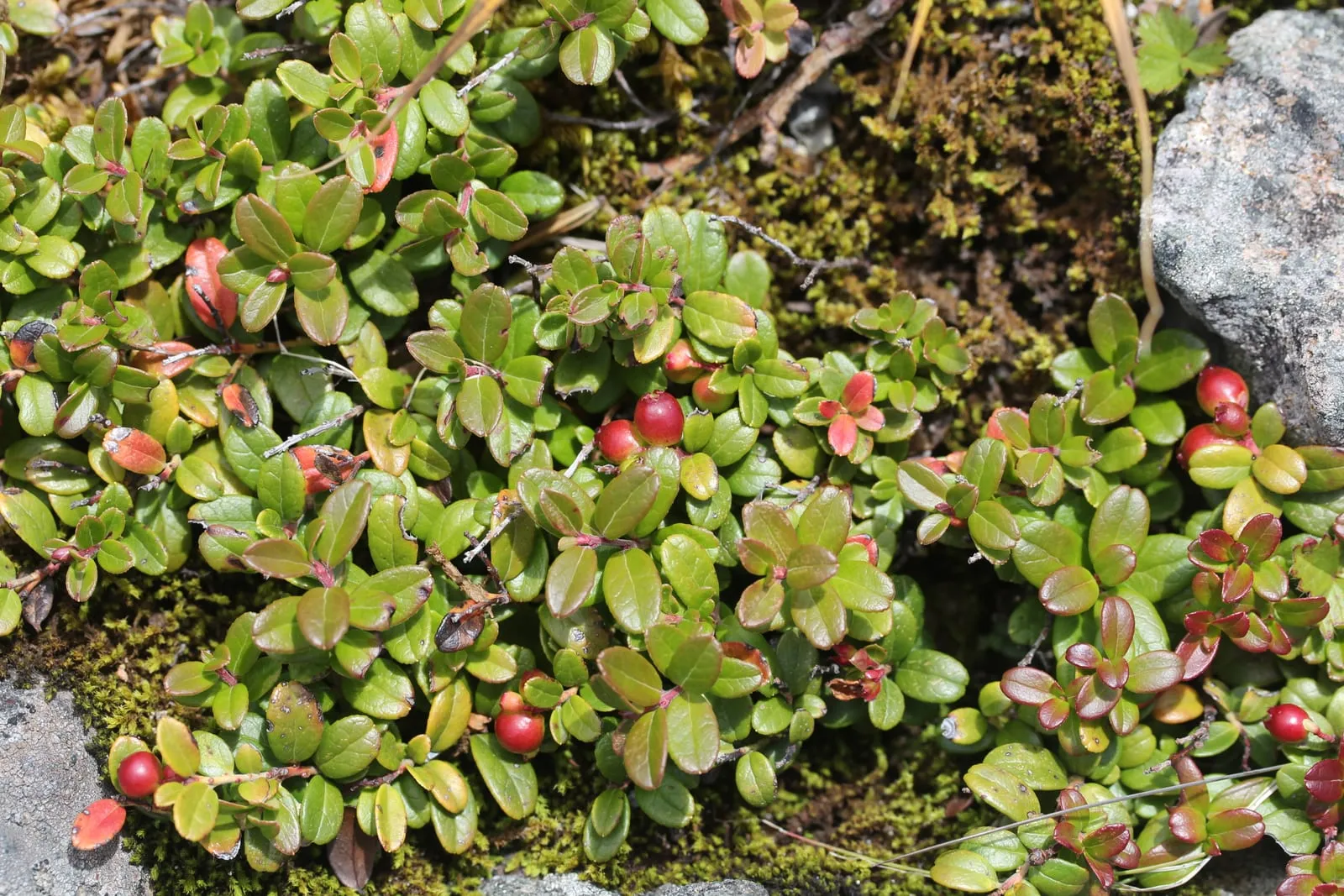
berry in zone 4b
Growing lingonberry in zone 4b
Vaccinium vitis-idaea
- Zone
- 4b -25°F to -20°F
- Growing season
- 130 days
- Suitable varieties
- 3
- Days to harvest
- 100 to 120
The verdict
Zone 4b sits well within lingonberry's native comfort zone. This is a boreal species adapted to subarctic Scandinavia and northern North America, and winter lows of -25 to -20°F cause little concern for established plants. Unlike many fruit crops with a fixed minimum chill-hour requirement, lingonberry needs a reliable cold dormancy period rather than a precise hour count, and zone 4b delivers that consistently.
The 130-day growing season is adequate for a single primary harvest in late summer, which is the typical yield pattern at this latitude. Varieties like Koralle, Red Pearl, and Sussi were developed specifically for northern European climates with comparable cold profiles, so performance data from Scandinavia translates reasonably well to zone 4b conditions. Spring frost timing is the main weather risk, as late frosts can damage emerging flower buds and reduce fruit set. Overall, zone 4b is a sweet spot for lingonberry, not a marginal one.
Recommended varieties for zone 4b
3 cultivars suited to this zone, with disease-resistance and zone-fit annotations.
| Variety | Notes | Zone fit | Disease resistance |
|---|---|---|---|
| Koralle fits zone 4b | Tart, slightly bitter, small bright red berries with classic Scandinavian flavor; sauce, jelly, syrup. The standard commercial European variety. Productive evergreen groundcover. | | none noted |
| Red Pearl fits zone 4b | Tart, bright, larger berries than Koralle; sauce, preserves. Productive Dutch selection, two crops per year (summer and fall) in milder climates. | | none noted |
| Sussi fits zone 4b | Tart, intense, dark red small berries; classic for sauce and jam. Productive Swedish variety, vigorous spreading habit. | | none noted |
Critical timing for zone 4b
Lingonberry flower buds break in late April to early May in zone 4b, depending on winter snow cover and the rate of spring warming. Full bloom typically falls in mid-May to early June, a window that overlaps with the tail end of the zone's spring frost risk. A late frost at or below 28°F during open bloom can reduce fruit set noticeably.
First harvest generally arrives in August, with fruit ripening through September. The 130-day growing season provides adequate time from bloom to a fully ripe crop, with little margin to spare in years where bloom runs late. Monitoring frost forecasts closely from late April onward is worth the effort during this vulnerable window.
Common challenges in zone 4b
- ▸ Spring frost timing
- ▸ Apple scab pressure
- ▸ Cane berry winter dieback
Disease pressure to watch for
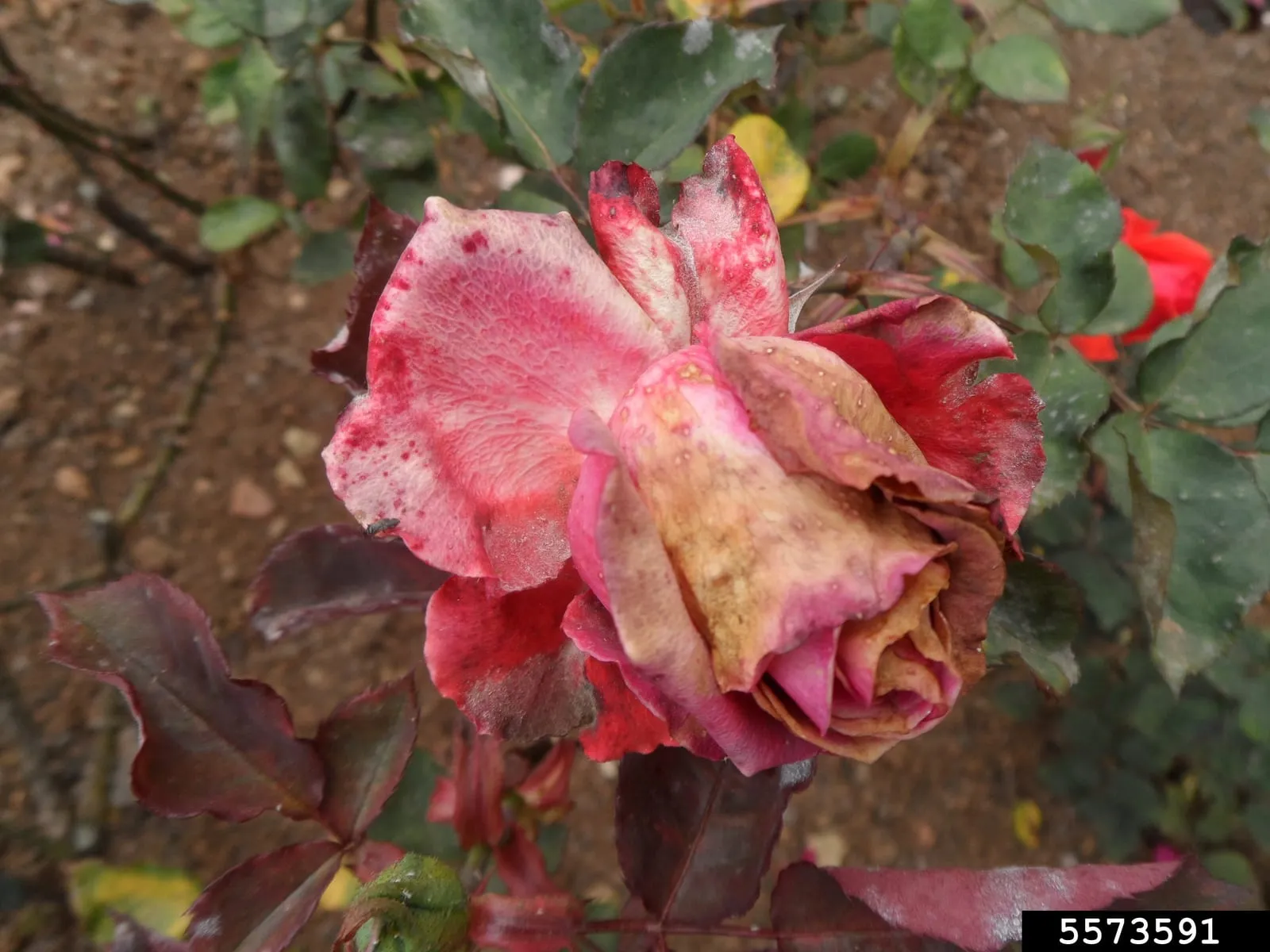
Botrytis cinerea
Ubiquitous fungal disease that causes fruit rot during cool wet weather, often the dominant berry disease in humid regions.
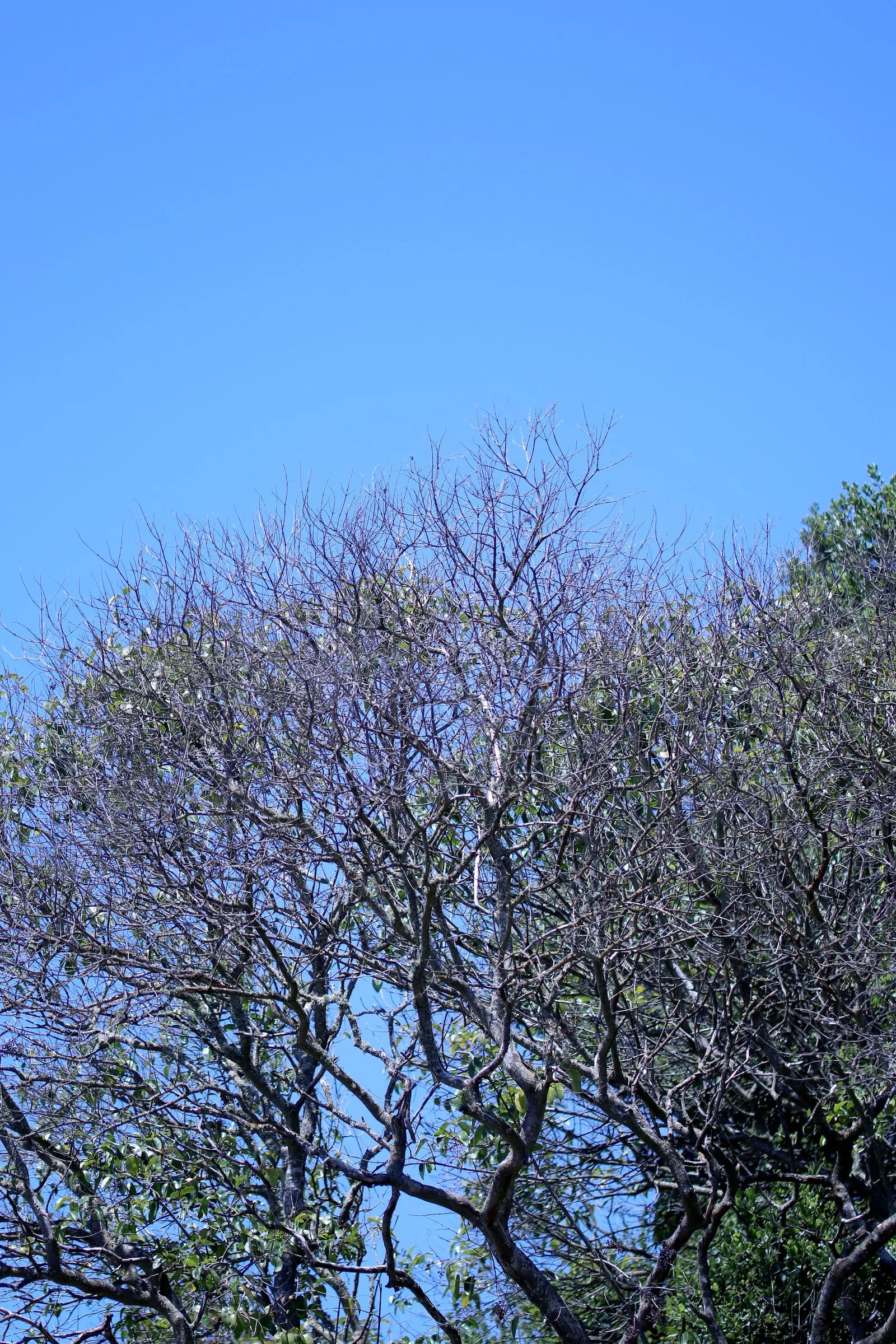
Phytophthora species
Soil-borne water mold that destroys roots in waterlogged soils, the leading cause of blueberry decline in poorly drained sites.
Modified care for zone 4b
Zone 4b's main adjustments for lingonberry center on soil management and site drainage. The crop demands strongly acidic conditions (pH 4.5 to 5.5); native soils in cold northern zones often sit too high, requiring sulfur amendments before planting. A 3- to 4-inch layer of pine bark or acidic wood chip mulch helps retain moisture and keeps pH trending in the right direction over time.
Gray mold (Botrytis) can be a problem in years with cool, wet summers, a common pattern in zone 4b. Spacing plants to encourage airflow and avoiding overhead irrigation during bloom reduces incidence. Phytophthora root rot is site-dependent: lingonberry's shallow root system is vulnerable where water pools after snowmelt. Raised beds or a gently sloped planting site eliminates most of this risk. Winter protection for the crown is rarely needed given the species' cold hardiness, but first-year plants benefit from a light mulch layer over the root zone until established.
Frequently asked questions
- Is zone 4b too cold for lingonberry?
No. Lingonberry is native to boreal and subarctic regions and tolerates temperatures well below zone 4b's minimum of -25°F. Established plants rarely suffer winter damage at this latitude. The main weather concern is spring frost intersecting with bloom in May or June, not winter cold.
- Which lingonberry varieties perform best in zone 4b?
Koralle, Red Pearl, and Sussi are well-suited to zone 4b. All three were developed in northern European climates with comparable cold profiles and short growing seasons. Koralle is widely available in North America and has a strong track record in cold-climate trials.
- How do I prevent root rot in lingonberry plantings?
Site selection is the most effective control. Avoid any location where water stands after heavy rain or snowmelt, since Phytophthora root rot thrives in saturated soils. Raised beds or a naturally sloped site with well-drained, acidic substrate resolves most drainage concerns before they become a problem.
+−
+−
+−
Lingonberry in adjacent zones
Image: "Vaccinium vitis-idaea (Mount Ontake)", by Alpsdake, via Wikimedia Commons, licensed under CC-BY Source.
.JPG)
Related