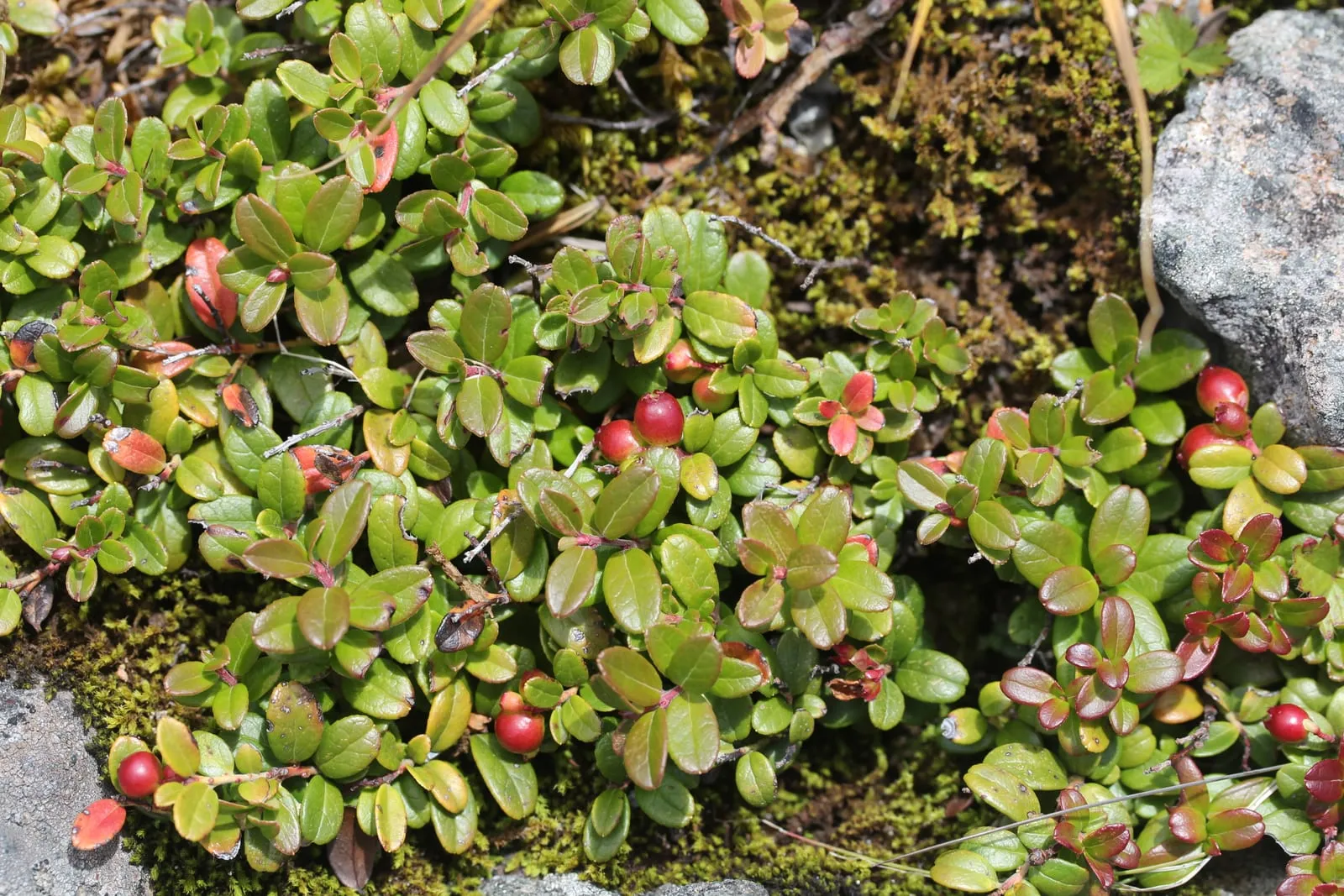
berry in zone 4a
Growing lingonberry in zone 4a
Vaccinium vitis-idaea
- Zone
- 4a -30°F to -25°F
- Growing season
- 120 days
- Suitable varieties
- 3
- Days to harvest
- 100 to 120
The verdict
Lingonberry is native to boreal and subarctic regions across Scandinavia and northern Canada, and zone 4a's winter lows of -30°F to -25°F fall comfortably within its hardiness range. This is a genuine sweet spot, not a marginal zone. Most cultivated varieties tolerate temperatures well below -30°F with adequate snow cover, and the crop accumulates chill hours far in excess of its requirements through a normal zone 4a winter.
The 120-day growing season is sufficient for a reliable first crop and, in favorable years, a partial second flush from varieties like Koralle and Red Pearl that are known for repeat bearing. Sussi, a compact Swedish selection, also performs consistently in short-season climates. The main constraint in zone 4a is not cold but the opposite: late spring frosts that can clip early bloom. Growers in the colder pockets of zone 4a should site plantings in areas with good cold-air drainage to reduce that risk.
Recommended varieties for zone 4a
3 cultivars suited to this zone, with disease-resistance and zone-fit annotations.
| Variety | Notes | Zone fit | Disease resistance |
|---|---|---|---|
| Koralle fits zone 4a | Tart, slightly bitter, small bright red berries with classic Scandinavian flavor; sauce, jelly, syrup. The standard commercial European variety. Productive evergreen groundcover. | | none noted |
| Red Pearl fits zone 4a | Tart, bright, larger berries than Koralle; sauce, preserves. Productive Dutch selection, two crops per year (summer and fall) in milder climates. | | none noted |
| Sussi fits zone 4a | Tart, intense, dark red small berries; classic for sauce and jam. Productive Swedish variety, vigorous spreading habit. | | none noted |
Critical timing for zone 4a
In zone 4a, lingonberry typically breaks dormancy in mid-April and blooms from late May into early June, depending on site elevation and aspect. That timing puts the bloom window in direct conflict with the zone's documented late frost risk. A frost event at -2°C to -3°C (28°F to 26°F) during open bloom can reduce fruit set significantly, and zone 4a growers should be prepared to cover plants with row fabric when late frost is forecast.
First-crop harvest falls in August, roughly 8 to 10 weeks after pollination. A second flush, if the season allows, ripens in September but may not fully develop before the first hard fall frost. In the coldest zone 4a sites, growers can reliably plan around one harvest per season.
Common challenges in zone 4a
- ▸ Late frosts damage early bloomers
- ▸ Limited peach varieties
Disease pressure to watch for
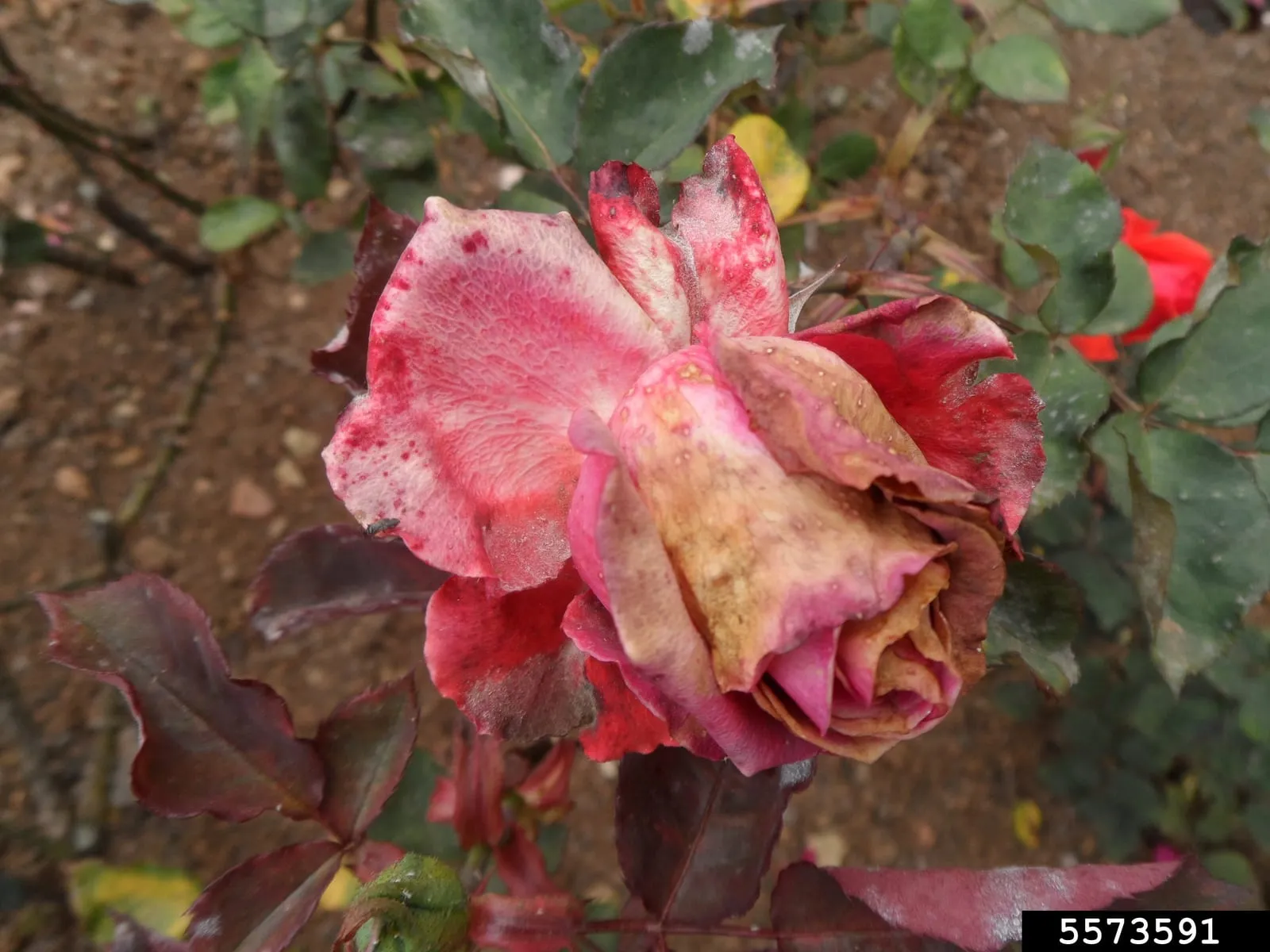
Botrytis cinerea
Ubiquitous fungal disease that causes fruit rot during cool wet weather, often the dominant berry disease in humid regions.
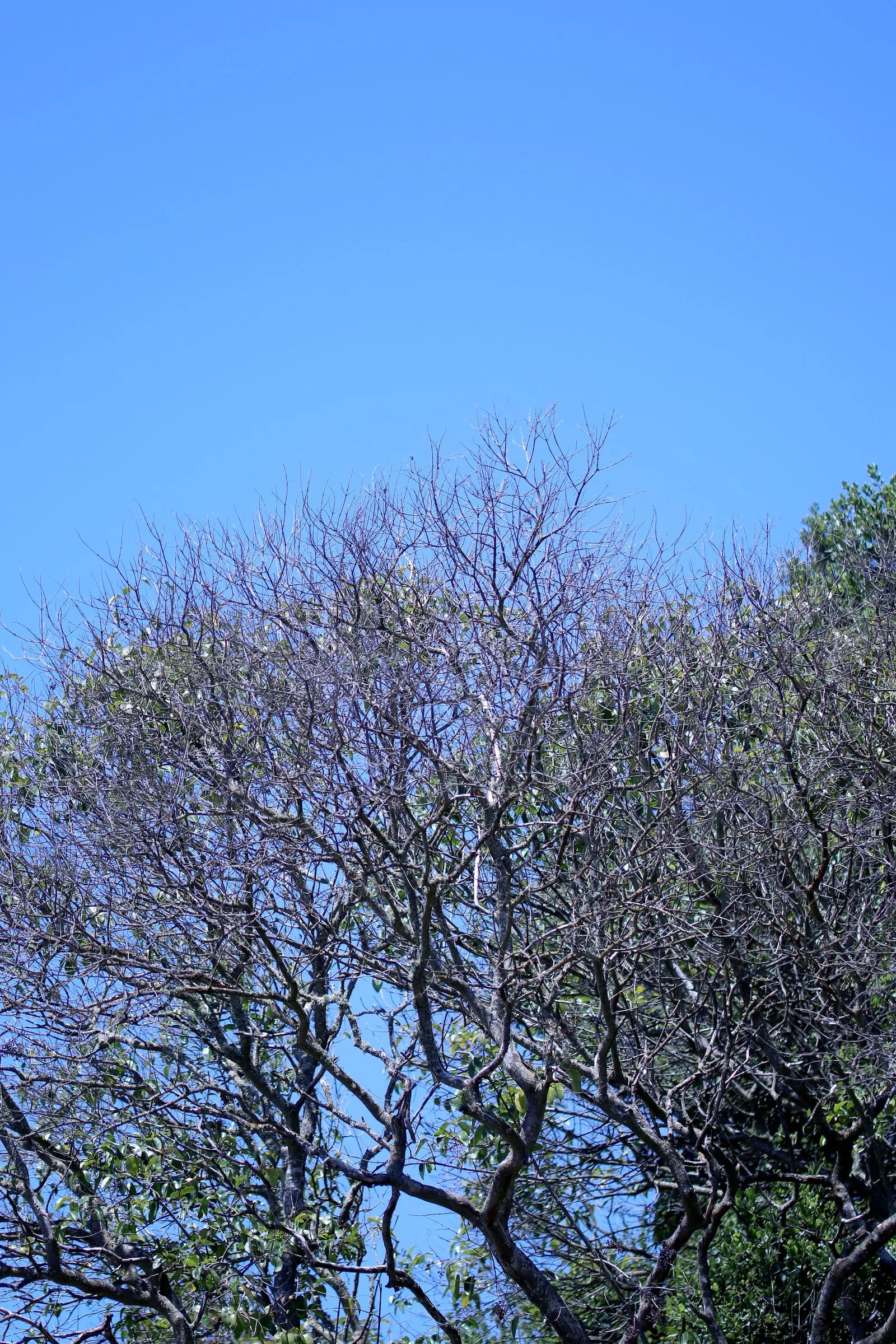
Phytophthora species
Soil-borne water mold that destroys roots in waterlogged soils, the leading cause of blueberry decline in poorly drained sites.
Modified care for zone 4a
Lingonberry's primary cultural requirement, acidic well-drained soil at pH 4.5 to 5.0, is non-negotiable regardless of zone. In zone 4a, where soils are often mineral-heavy with variable drainage, amending beds with peat moss or composted pine bark before planting is standard practice rather than optional.
Gray Mold (Botrytis) pressure increases in cool, humid springs, which are common in zone 4a. Pruning out dense interior growth to improve airflow after harvest reduces infection sites heading into the following season. Phytophthora Root Rot is a risk wherever water pools after snowmelt; raised beds or sloped planting sites are the most reliable preventive measure. Winter mulching with 2 to 3 inches of pine bark or straw protects shallow roots from freeze-thaw heaving during late-winter temperature swings, which can be more damaging than the deepest cold of January.
Frequently asked questions
- Is zone 4a cold enough to damage established lingonberry plants?
Established lingonberry plants tolerate temperatures well below -30°F, especially with snow cover over the root zone. Zone 4a winters are within the crop's native climate range. The greater risk is late spring frost catching plants in bloom, not winter cold killing the crowns.
- Which lingonberry varieties perform best in zone 4a?
Koralle, Red Pearl, and Sussi are all well-suited to zone 4a. Koralle and Red Pearl both produce two berry flushes per season in favorable years. Sussi is more compact and consistently productive in short-season sites.
- How do I prevent Phytophthora Root Rot in a zone 4a lingonberry planting?
Drainage is the key variable. Phytophthora thrives in saturated soil, and zone 4a sites often experience prolonged soil saturation during snowmelt. Plant on a slight slope or in raised beds, and avoid low-lying areas where water pools after spring thaw.
+−
+−
+−
Lingonberry in adjacent zones
Image: "Vaccinium vitis-idaea (Mount Ontake)", by Alpsdake, via Wikimedia Commons, licensed under CC-BY Source.
.JPG)
Related