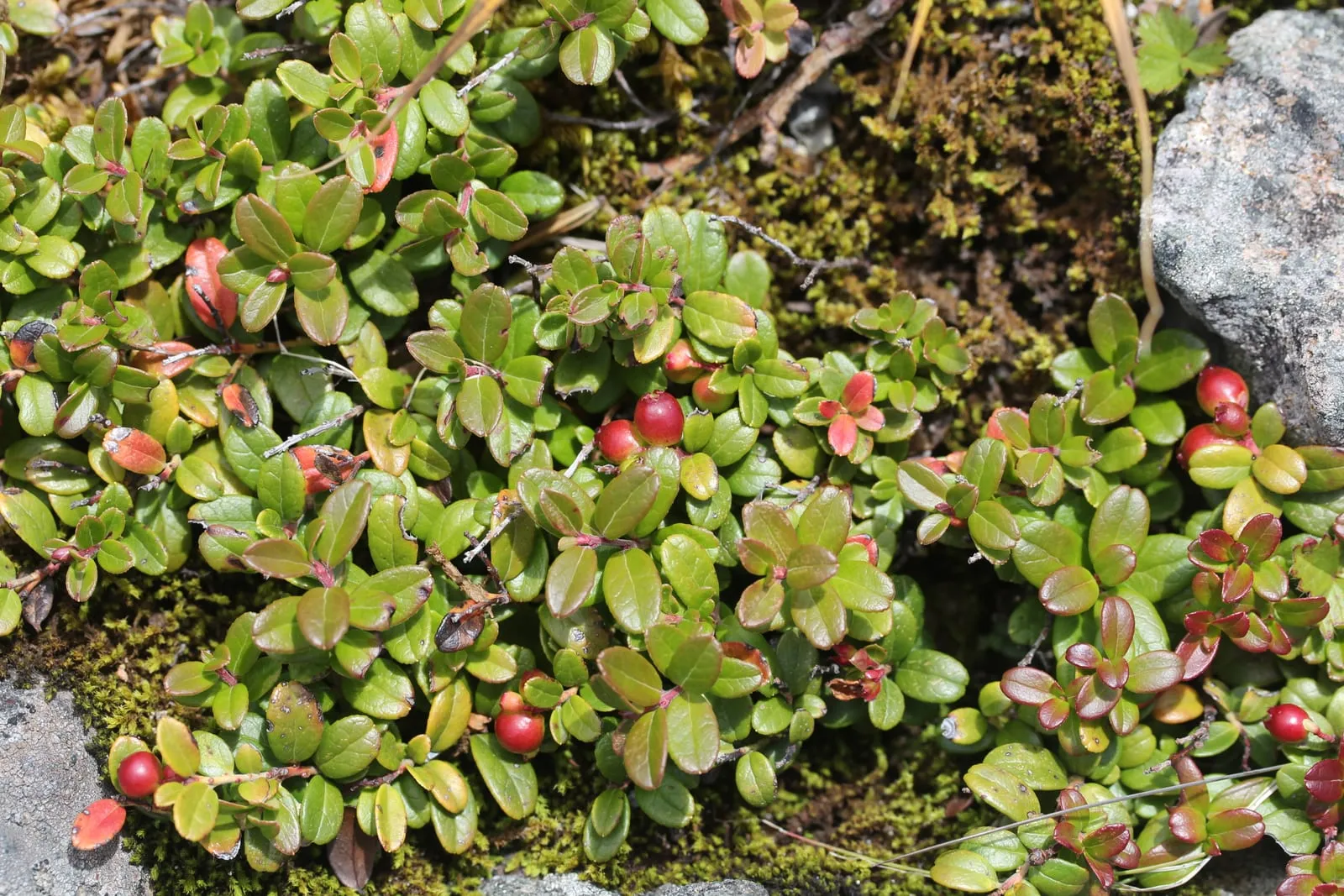
berry in zone 3b
Growing lingonberry in zone 3b
Vaccinium vitis-idaea
- Zone
- 3b -35°F to -30°F
- Growing season
- 100 days
- Suitable varieties
- 3
- Days to harvest
- 100 to 120
The verdict
Zone 3b is not a compromise for lingonberry. It is closer to the plant's native range than most of the continental United States. Lingonberry originates from boreal and subarctic regions of Scandinavia, northern North America, and Siberia, where winters routinely reach the temperatures zone 3b delivers (-35 to -30°F). Unlike fruit trees that need a precise chill-hour accumulation, lingonberry simply needs a genuine cold dormancy period, which zone 3b provides reliably.
The 100-day growing season is sufficient for the primary fruit crop. Lingonberry bears on both the previous year's wood and current-season growth, so the plant does not need a long season to establish and fruit. Varieties like Koralle and Red Pearl were selected partly for performance in short-season climates. The main risk in zone 3b is not cold injury to roots or crowns but winter desiccation of the evergreen foliage during periods of cold wind without snow cover.
Recommended varieties for zone 3b
3 cultivars suited to this zone, with disease-resistance and zone-fit annotations.
| Variety | Notes | Zone fit | Disease resistance |
|---|---|---|---|
| Koralle fits zone 3b | Tart, slightly bitter, small bright red berries with classic Scandinavian flavor; sauce, jelly, syrup. The standard commercial European variety. Productive evergreen groundcover. | | none noted |
| Red Pearl fits zone 3b | Tart, bright, larger berries than Koralle; sauce, preserves. Productive Dutch selection, two crops per year (summer and fall) in milder climates. | | none noted |
| Sussi fits zone 3b | Tart, intense, dark red small berries; classic for sauce and jam. Productive Swedish variety, vigorous spreading habit. | | none noted |
Critical timing for zone 3b
In zone 3b, lingonberry bloom typically falls in late May to early June, once soil temperatures have begun to stabilize. Last frost risk extends into late May at many zone 3b locations, so late frosts can clip an early bloom flush. The flowers are small and somewhat frost-tolerant compared to stone fruits, but a hard frost after petal opening will reduce fruit set.
The primary harvest window runs from mid-August through early September, well within the 100-day season. Many lingonberry varieties, including Koralle, produce a second, smaller flush of fruit in fall. In zone 3b, that second crop is unreliable. Most growers in this zone treat lingonberry as a single-crop plant and manage expectations accordingly. Harvest before the first hard frost, which typically arrives in late September.
Common challenges in zone 3b
- ▸ Short season
- ▸ Winter desiccation
- ▸ Site selection critical for fruit trees
Disease pressure to watch for
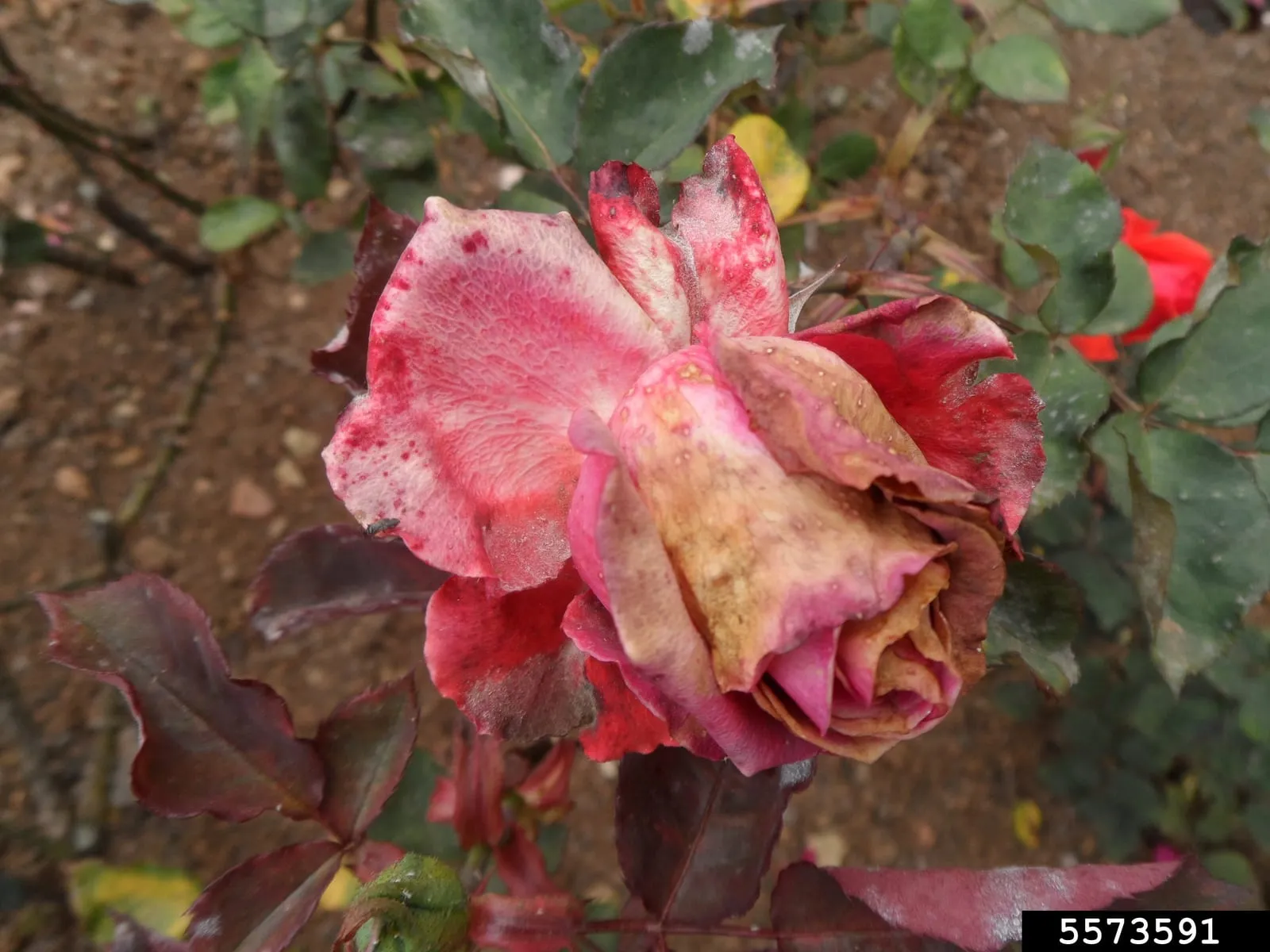
Botrytis cinerea
Ubiquitous fungal disease that causes fruit rot during cool wet weather, often the dominant berry disease in humid regions.
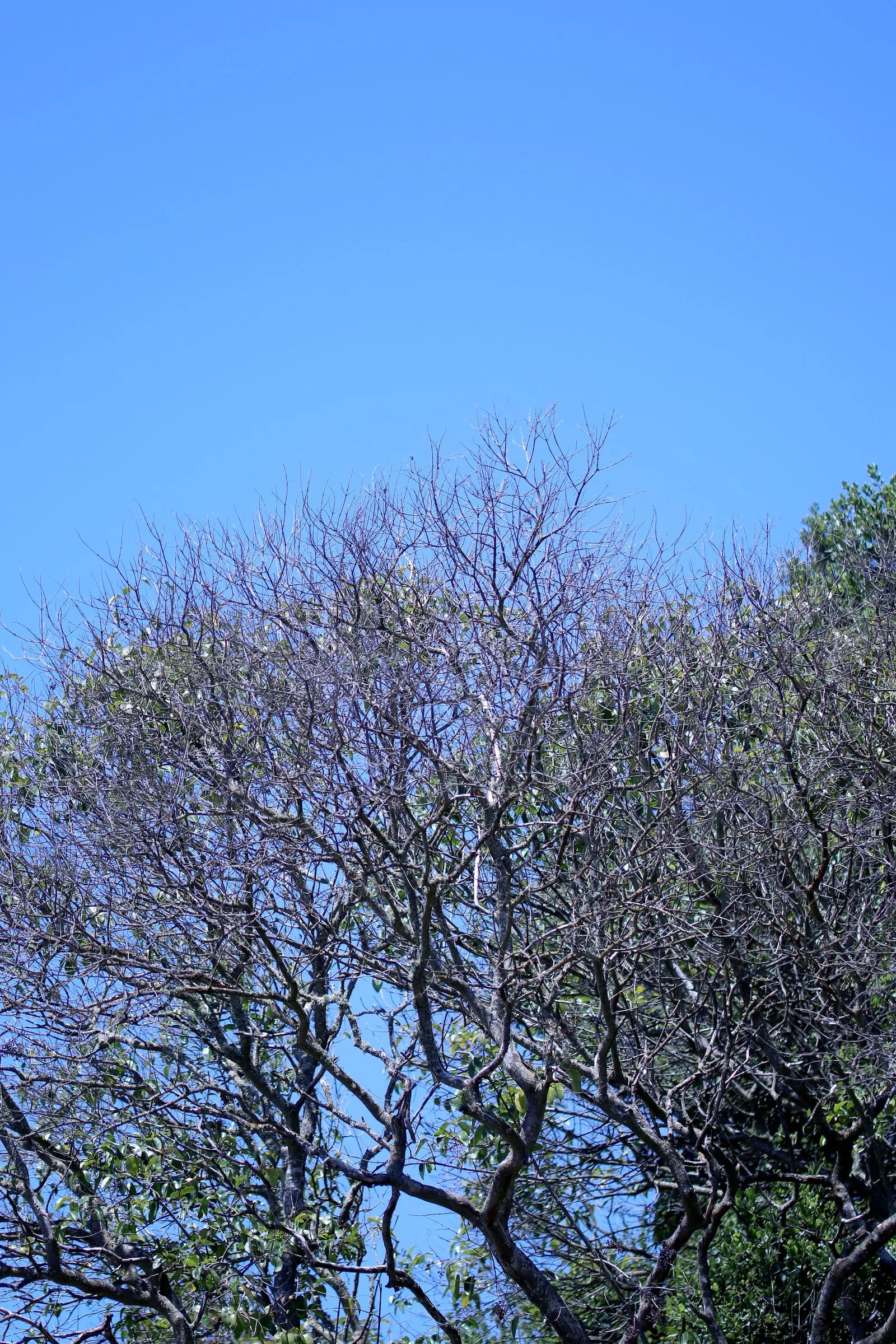
Phytophthora species
Soil-borne water mold that destroys roots in waterlogged soils, the leading cause of blueberry decline in poorly drained sites.
Modified care for zone 3b
The primary management adjustment in zone 3b is protecting foliage from winter desiccation. Lingonberry is evergreen, and the leaves continue to lose moisture through winter even when the plant is dormant. On exposed or wind-swept sites, foliage browning and dieback can be significant. A 3 to 4 inch layer of pine needle or bark mulch over the root zone helps retain soil moisture and moderates freeze-thaw cycles. Snow cover acts as an effective natural insulator and is often the deciding factor between good and poor winter survival on a given site.
Gray Mold (Botrytis) pressure increases during cool, wet springs, which zone 3b regularly produces. Good air circulation around the low-growing plants reduces humidity at the canopy level. Avoid overhead irrigation during bloom. Phytophthora root rot is a threat on any site where water pools; lingonberry demands acidic, well-drained soil (pH 4.5 to 5.5) and will decline quickly in compacted or waterlogged conditions, regardless of cold hardiness.
Frequently asked questions
- Can lingonberry survive zone 3b winters without protection?
The roots and crowns handle zone 3b cold well, since lingonberry is native to similar climates. The vulnerability is foliage desiccation from dry winter wind. On sheltered sites with reliable snow cover, no added protection is needed. On exposed sites, a mulch layer and a windbreak make a meaningful difference.
- Which lingonberry varieties perform best in zone 3b?
Koralle and Red Pearl are the most widely trialed in short-season climates and have documented performance in Scandinavian and northern North American conditions comparable to zone 3b. Sussi is a later introduction with similar cold tolerance. All three produce the primary summer crop reliably within a 100-day season.
- Does lingonberry need a pollinator in zone 3b?
Most lingonberry varieties are self-fertile and will set fruit without a second plant. Planting two different varieties in close proximity typically increases fruit set and can improve consistency of the crop, but a single-variety planting will produce fruit.
+−
+−
+−
Lingonberry in adjacent zones
Image: "Vaccinium vitis-idaea (Mount Ontake)", by Alpsdake, via Wikimedia Commons, licensed under CC-BY Source.
.JPG)
Related