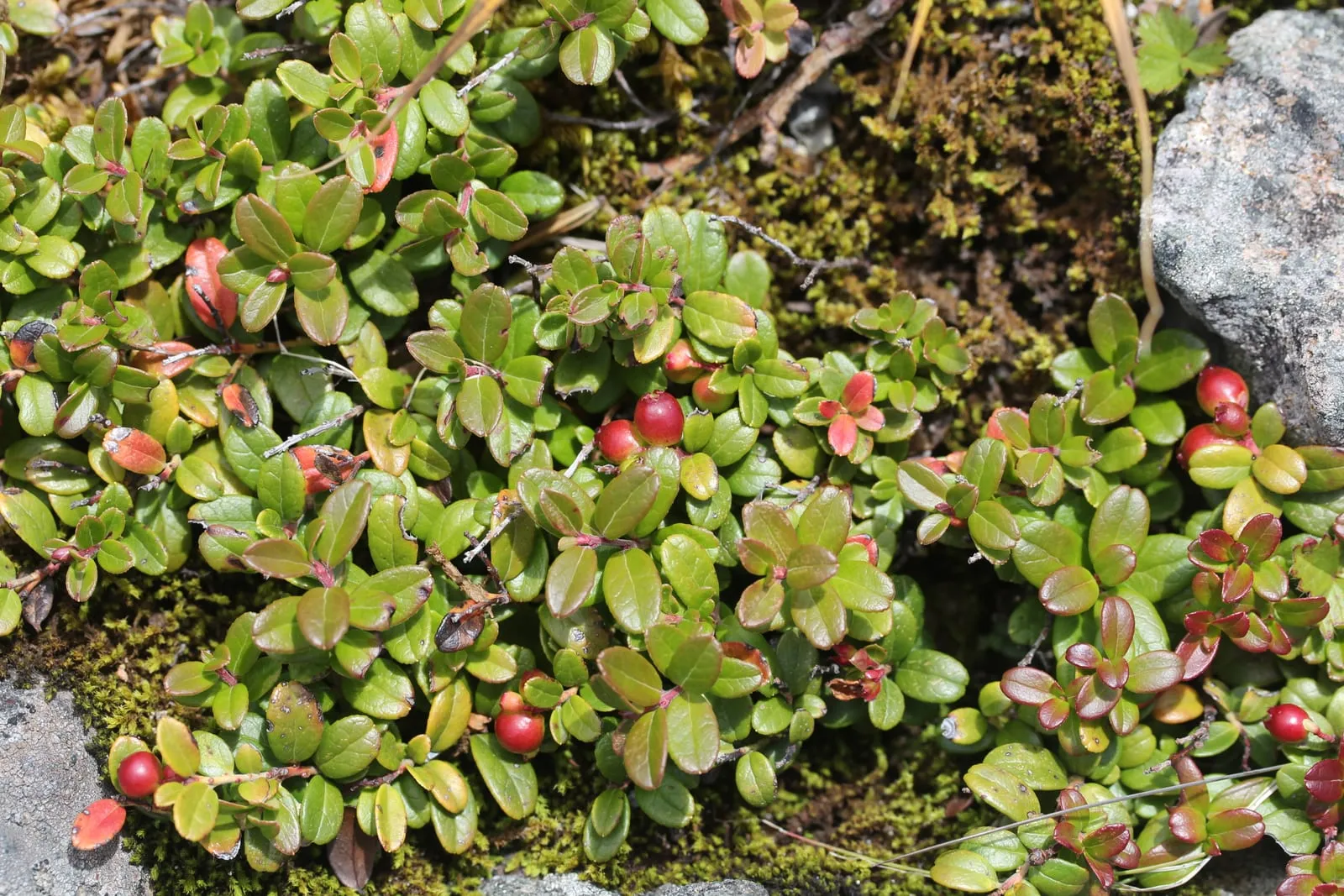
berry in zone 3a
Growing lingonberry in zone 3a
Vaccinium vitis-idaea
- Zone
- 3a -40°F to -35°F
- Growing season
- 90 days
- Suitable varieties
- 2
- Days to harvest
- 100 to 120
The verdict
Lingonberry is a subarctic native with a natural range spanning Scandinavia, northern Canada, and Alaska, so zone 3a is not a marginal zone for this crop. It sits comfortably within the cold end of lingonberry's preferred climate. Winter lows of -40 to -35°F, which eliminate nearly every other fruiting crop, do not threaten a well-established lingonberry planting. The crop requires extended cold to break dormancy reliably, and zone 3a delivers that without difficulty.
The real constraint is not cold hardiness but the 90-day growing season. Lingonberry can ripen a crop in that window if bloom timing aligns with a late-May frost clearance, but growers in this zone should not expect the double-crop potential sometimes seen in milder northern climates. Koralle and Sussi are both Nordic commercial selections developed for exactly this combination of cold winters and short summers, making them the appropriate starting point.
Recommended varieties for zone 3a
2 cultivars suited to this zone, with disease-resistance and zone-fit annotations.
| Variety | Notes | Zone fit | Disease resistance |
|---|---|---|---|
| Koralle fits zone 3a | Tart, slightly bitter, small bright red berries with classic Scandinavian flavor; sauce, jelly, syrup. The standard commercial European variety. Productive evergreen groundcover. | | none noted |
| Sussi fits zone 3a | Tart, intense, dark red small berries; classic for sauce and jam. Productive Swedish variety, vigorous spreading habit. | | none noted |
Critical timing for zone 3a
Lingonberry bloom in zone 3a typically falls in late May to early June, near the end of the frost risk period but not reliably past it. Late spring frosts are a documented challenge in this zone, and open lingonberry flowers are vulnerable to damage at temperatures below about 28°F. A single hard frost at peak bloom can reduce the season's crop significantly.
Harvest falls in August through early September, which fits within the 90-day season when bloom starts in late May and frosts hold off through September. Growers should treat a mid-September first frost as the planning boundary and select the earliest-ripening selections available. A second crop, which some lingonberry plants produce in milder climates, is not realistic here.
Common challenges in zone 3a
- ▸ Very short growing season
- ▸ Late spring frosts
- ▸ Limited fruit-tree options
- ▸ Heavy mulching required
Disease pressure to watch for
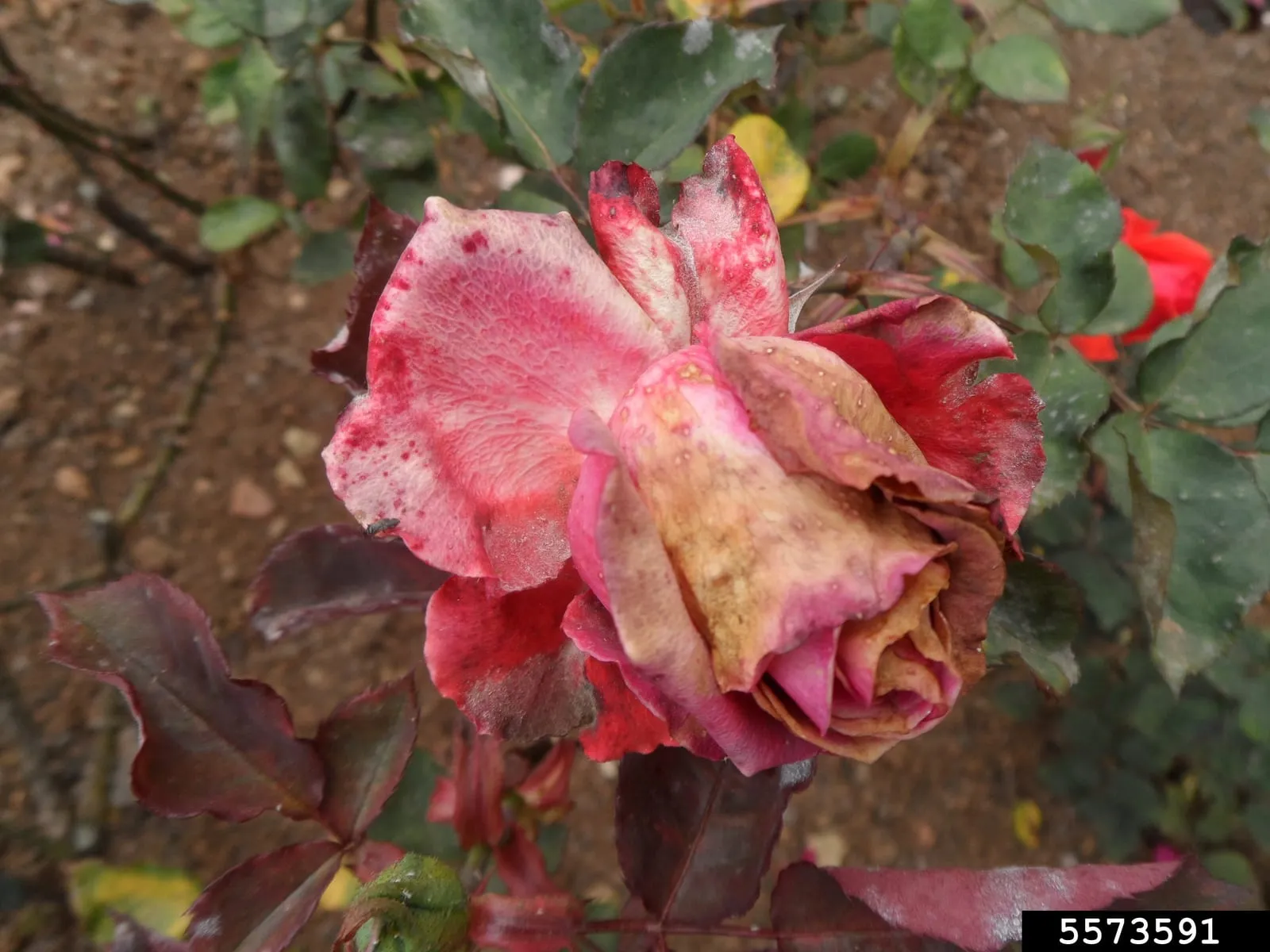
Botrytis cinerea
Ubiquitous fungal disease that causes fruit rot during cool wet weather, often the dominant berry disease in humid regions.
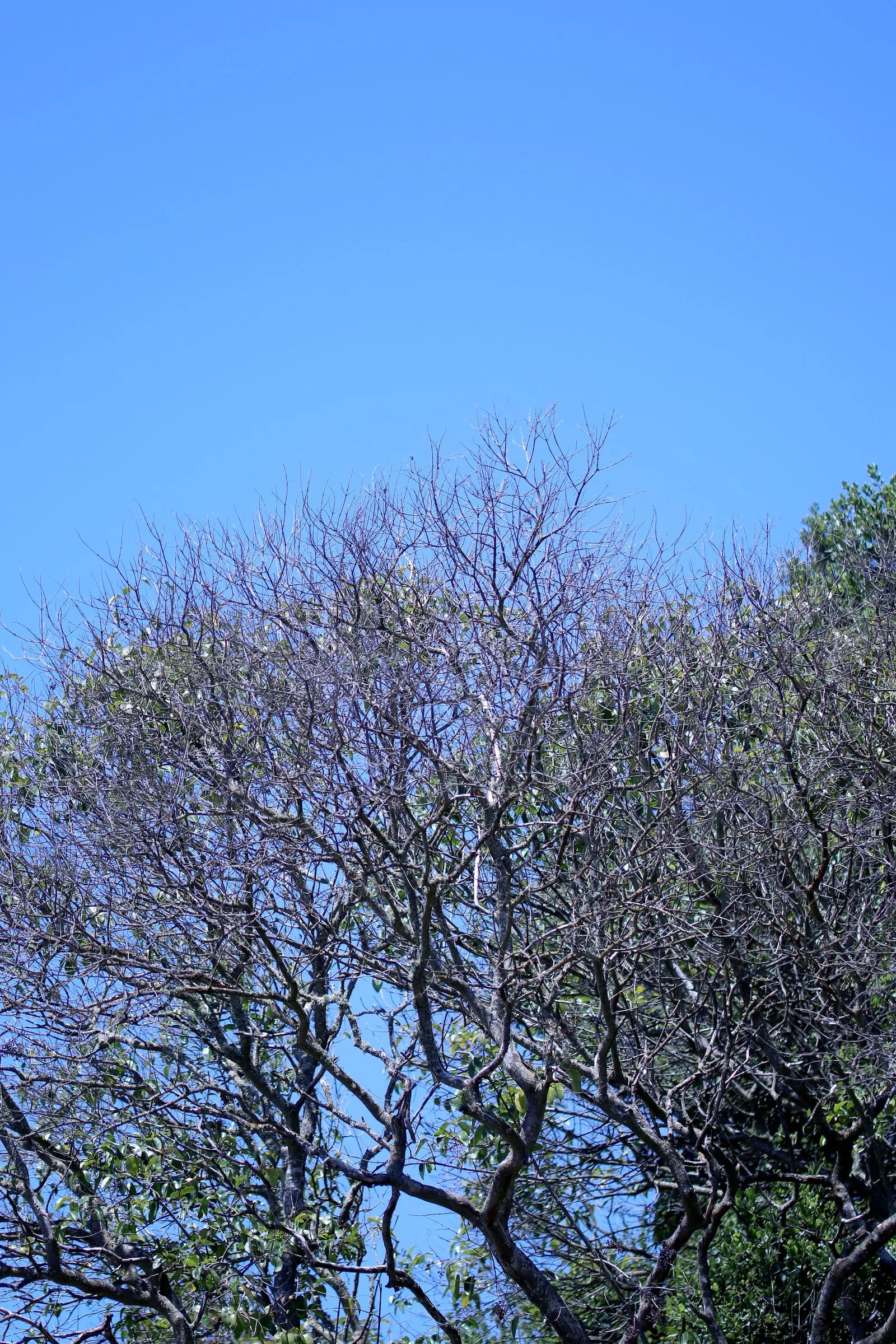
Phytophthora species
Soil-borne water mold that destroys roots in waterlogged soils, the leading cause of blueberry decline in poorly drained sites.
Modified care for zone 3a
Heavy mulching is the most important zone-specific adjustment. Three to four inches of pine bark or acidic wood chips applied before freeze-up protects lingonberry's shallow, evergreen root system from desiccation during long winters with intermittent freeze-thaw cycles. Site selection on a south-facing slope or near a heat-retaining wall adds measurable warmth and shortens the effective late-frost risk window.
Gray mold (Botrytis) pressure is elevated during the cool, wet springs typical of zone 3a. Plant spacing should favor airflow over density; crowded beds in damp conditions invite infection at bloom and harvest. Phytophthora root rot is a risk wherever snowmelt or spring rain creates standing water. Raised beds or slopes with well-draining, amended soil are preferable to flat, compacted ground. Overhead irrigation during fruiting should be avoided.
Frequently asked questions
- Is zone 3a cold enough to damage lingonberry plants?
Established lingonberry plants tolerate temperatures down to -40°F without significant damage, placing them among the hardiest fruiting plants available to zone 3a growers. Newly planted or poorly mulched plants are more vulnerable to freeze-thaw heaving in the first winter.
- Which lingonberry varieties perform best in zone 3a?
Koralle and Sussi are the primary recommended selections. Both are Scandinavian commercial varieties selected for cold winters and short growing seasons, and both are widely available through northern nurseries.
- Can lingonberry produce two crops per year in zone 3a?
Unlikely. A double crop requires a long enough season for a second flowering flush to set and ripen fruit before fall frost, and the 90-day zone 3a season is too short to support it reliably. Plan around a single August harvest.
- What soil conditions does lingonberry need in this zone?
Lingonberry requires acidic soil in the pH 4.5 to 5.5 range and excellent drainage. In zone 3a, the combination of snowmelt and heavy spring rain can saturate flat ground; amending with peat and planting on a slight slope reduces Phytophthora root rot risk.
+−
+−
+−
+−
Lingonberry in adjacent zones
Image: "Vaccinium vitis-idaea (Mount Ontake)", by Alpsdake, via Wikimedia Commons, licensed under CC-BY Source.
.JPG)
Related